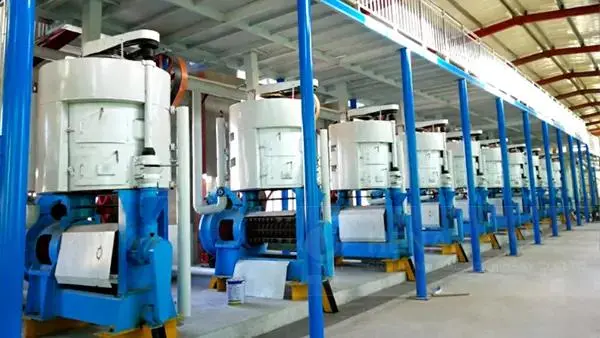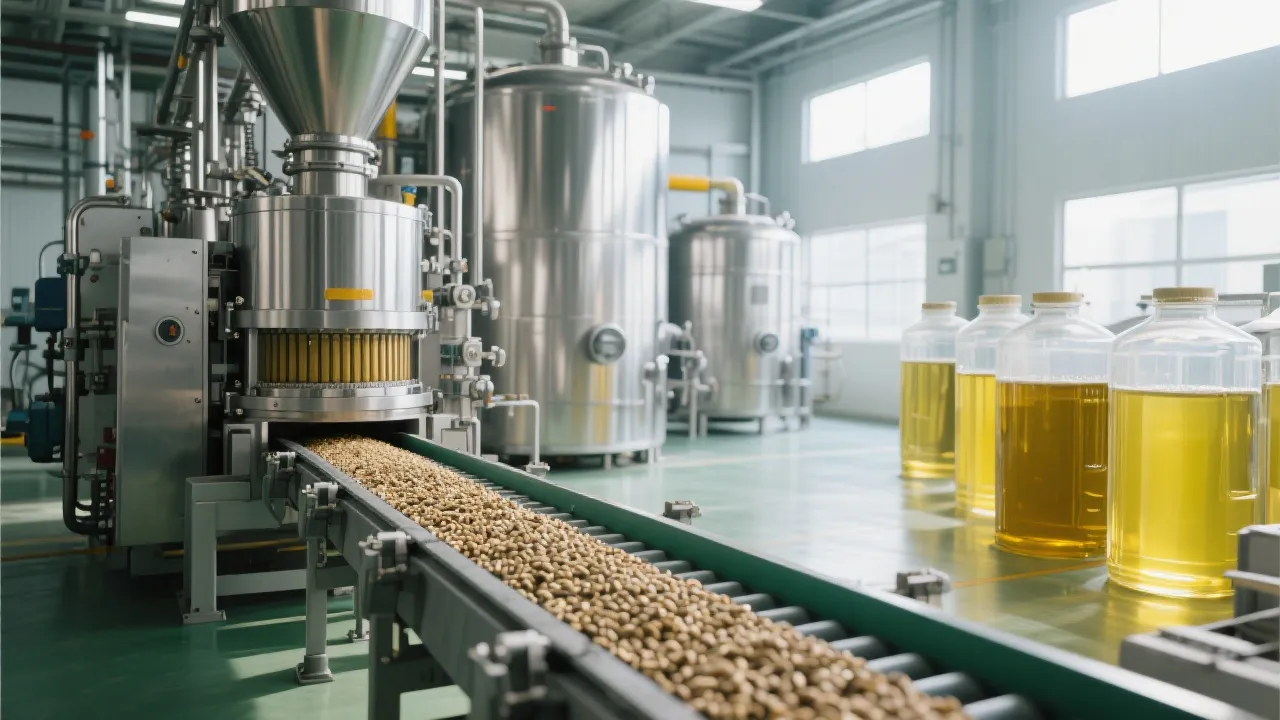
For many households and small - scale processors, getting the most oil out of their small sunflower oil presses is a top priority. However, it's not uncommon to encounter the problem of low oil yield. This article will comprehensively analyze the common reasons for low oil yield and provide practical solutions.
The first step in the oil - extraction process is raw material pretreatment. The quality and preparation of sunflower seeds can significantly affect the oil yield. Usually, sunflower seeds should have a moisture content of about 8% - 12% for optimal pressing. If the moisture content is too high, it will lead to low oil output and even make the oil quality worse. On the contrary, if the moisture content is too low, the seeds will be too dry, and the oil cells will not be easily broken, resulting in low oil yield.
The cleaning of sunflower seeds is also crucial. Impurities such as dust, stones, and broken shells can affect the normal operation of the press and reduce the oil yield. It is recommended to use a sieve or a cleaning machine to remove these impurities before pressing.
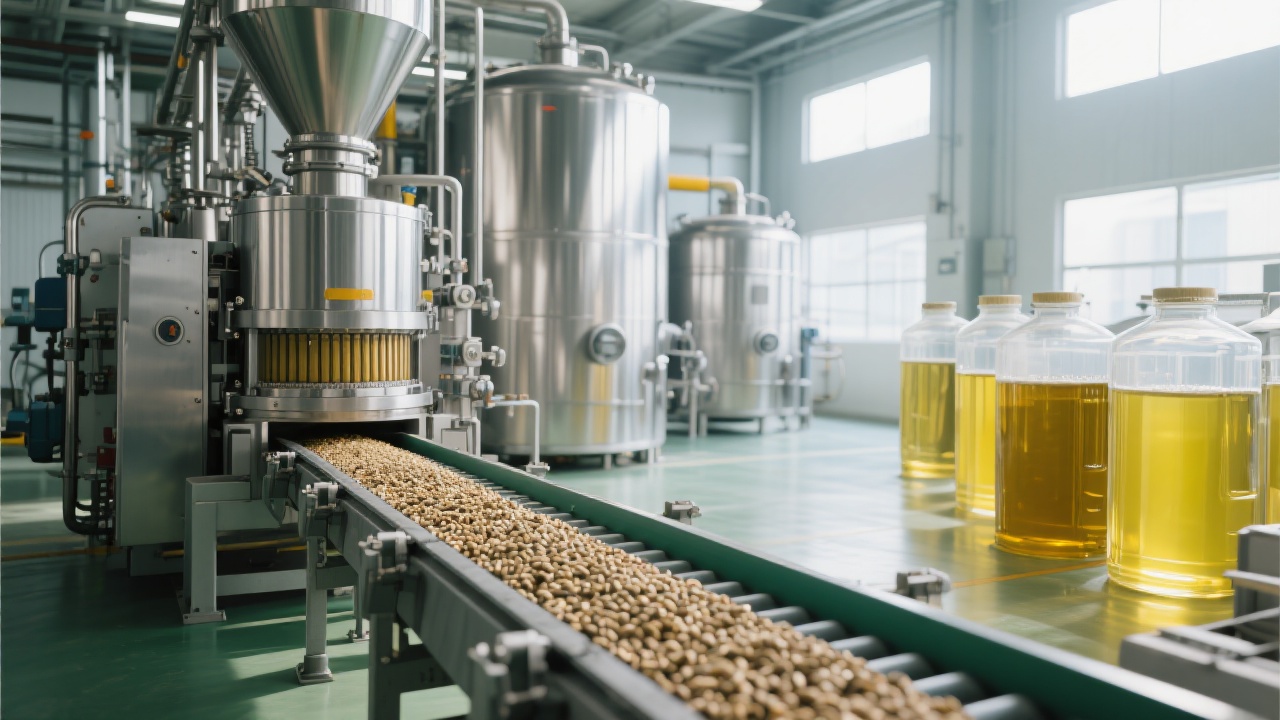
Temperature plays a vital role in the oil - pressing process. Generally, the optimal pressing temperature for sunflower seeds is around 100 - 110°C. At this temperature range, the oil cells in sunflower seeds can be effectively broken, and the oil can flow out smoothly. If the temperature is too low, the oil viscosity will be high, and it will be difficult to flow out. If the temperature is too high, the oil may be over - heated, resulting in a burnt smell and reduced oil quality.
To control the temperature accurately, modern small sunflower oil presses are usually equipped with temperature control devices. Users can adjust the temperature according to the instructions in the user manual. For example, some presses use electric heating elements to heat the pressing chamber, and the temperature can be set precisely.
Pressure is another key factor affecting the oil yield. Insufficient pressure may not be able to break the oil cells in sunflower seeds completely, resulting in low oil output. Excessive pressure, on the other hand, may cause the press to be over - stressed, damage the equipment, and also affect the oil quality.
Most small sunflower oil presses have a pressure adjustment mechanism. Users can adjust the pressure according to the type and quantity of sunflower seeds. In general, for common sunflower seeds, a pressure of about 30 - 40 MPa is appropriate. During the pressing process, users should observe the oil output and adjust the pressure in time.
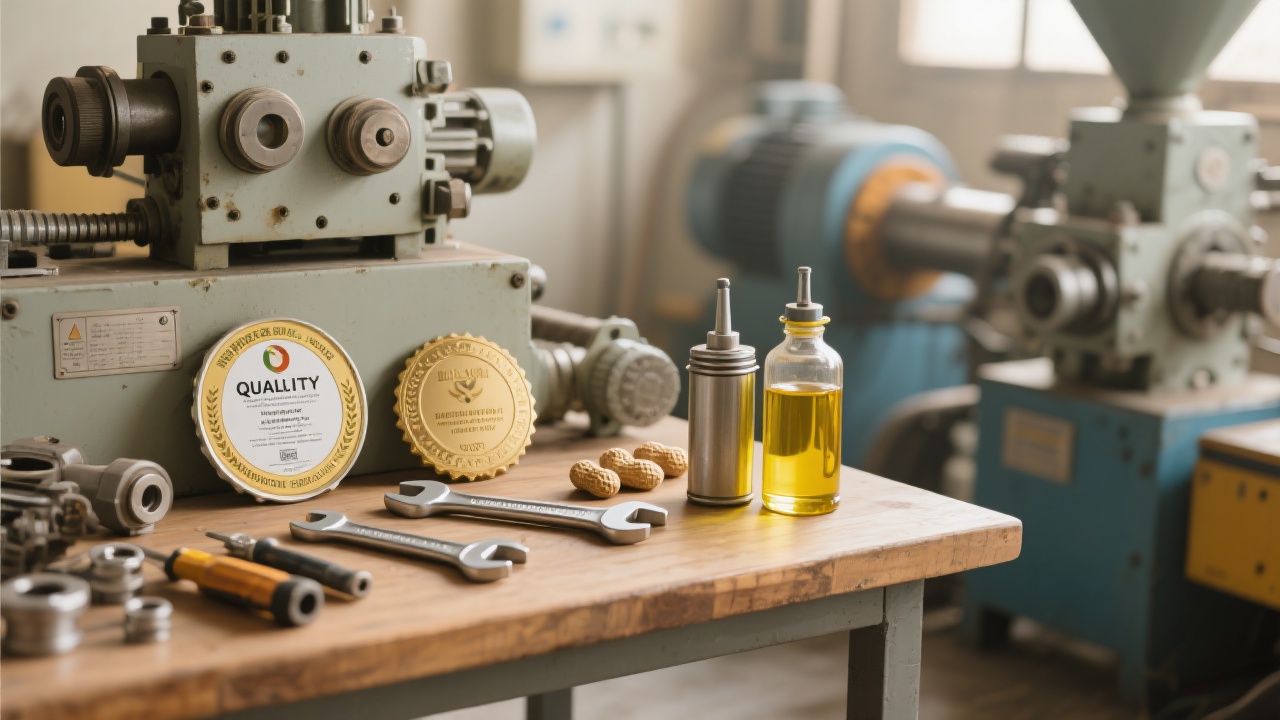
There are several common misunderstandings that users often make. One of them is not following the correct operating sequence. For example, some users may start pressing without proper raw material pretreatment, which will surely lead to low oil yield. Another common mistake is ignoring the maintenance of the press. Regular cleaning, lubrication, and inspection of the press can ensure its normal operation and improve the oil yield.
The following table summarizes the common misunderstandings and their corresponding solutions:
| Common Misunderstandings | Solutions |
|---|---|
| Not pre - treating raw materials properly | Adjust moisture content, clean impurities |
| Incorrect temperature control | Set the temperature according to the instructions |
| Wrong pressure adjustment | Adjust pressure according to seed type and quantity |
| Ignoring equipment maintenance | Regular cleaning, lubrication, and inspection |
Our small sunflower oil presses are designed with high - quality materials and advanced technology, ensuring stable performance and high oil yield. We also provide professional after - sales service to support our customers. If you want to make the most of your sunflower seeds and get high - quality sunflower oil, our products are your best choice.
Learn More About Our High - Efficiency Small Sunflower Oil Presses


.png?x-oss-process=image/resize,h_100,m_lfit/format,webp)
.png?x-oss-process=image/resize,h_100,m_lfit/format,webp)
.png?x-oss-process=image/resize,h_100,m_lfit/format,webp)
.jpg?x-oss-process=image/resize,h_800,m_lfit/format,webp)