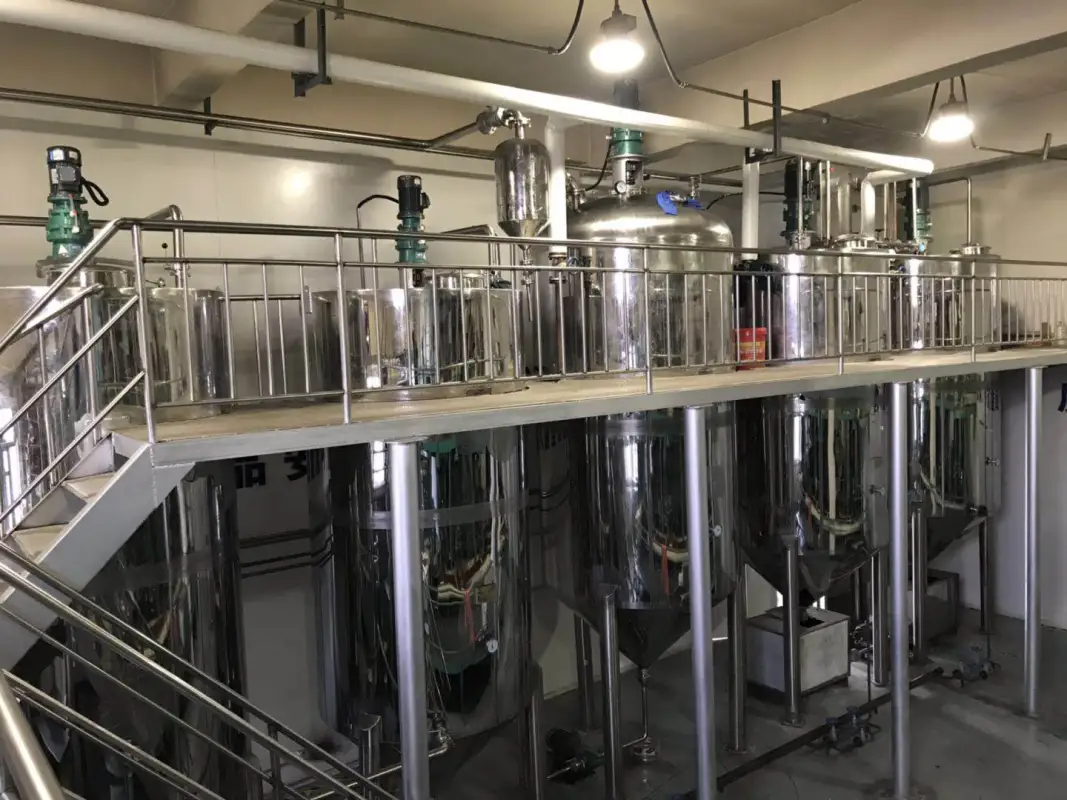
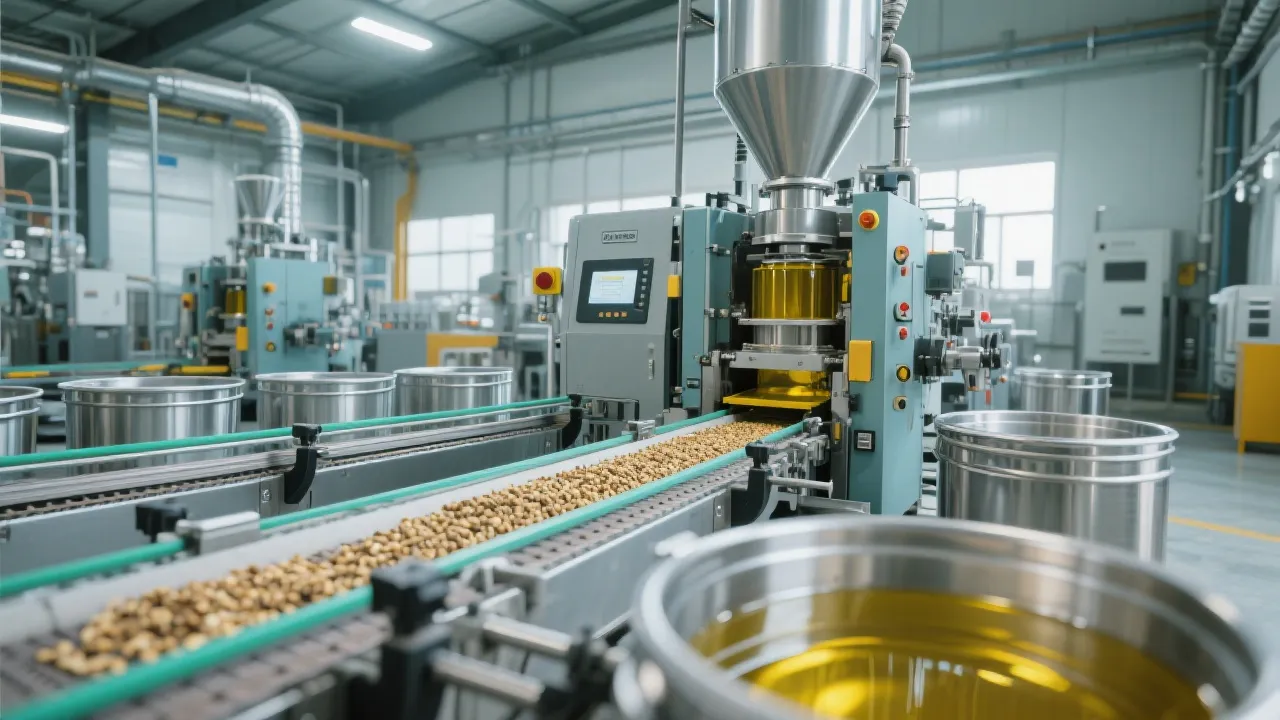
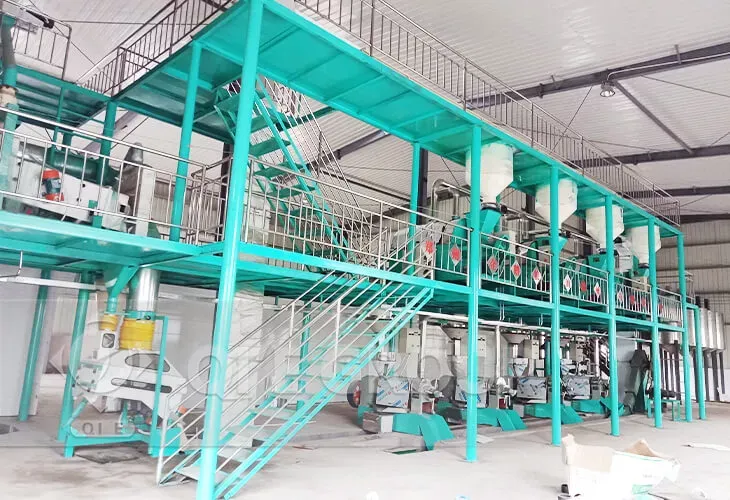
When it comes to edible oil refining, one invisible enemy often goes unnoticed until it’s too late: tar residue. This byproduct of high-temperature processing doesn’t just reduce oil quality—it compromises equipment integrity, increases downtime, and risks non-compliance with food safety standards like ISO 22000 or FDA 21 CFR.
Studies show that untreated tar can accumulate at a rate of 0.5–1.2 kg per 100 liters of processed oil—especially in sunflower and rapeseed oil refineries. Over time, this leads to clogged filters, reduced heat transfer efficiency, and even premature pump failure. In fact, companies using outdated filtration systems report up to 18% higher maintenance costs annually compared to those with automated solutions.
“We saw our production yield drop by 12% after six months without proper tar removal. After installing the automatic sunflower oil filter, we recovered full throughput within two weeks.”
— Maria Lopez, Plant Manager, Spanish Olive Oil Co.
The secret lies in a patented multi-layer composite filter system combined with real-time temperature regulation. Unlike traditional paper or mesh filters that degrade under thermal stress, our system uses ceramic-coated stainless steel elements capable of handling temperatures up to 220°C while maintaining >98% particle retention (based on ASTM D7671 testing).
| Feature | Traditional Filter | Our Auto Filter |
|---|---|---|
| Tar Removal Rate | ~75% | >98% |
| Maintenance Frequency | Every 3–5 days | Every 30+ days |
| Manual Labor Required | High | Low (Auto-clean mode) |
This isn’t just about edible oils anymore. We’ve seen success in cosmetic-grade oils (like jojoba and argan) where purity directly affects product shelf life and consumer trust. One client in Germany reported a 30% reduction in customer complaints post-installation—thanks to consistent clarity and odor-free output.
With tightening environmental regulations globally—from EU REACH to U.S. EPA emissions rules—manual oil cleaning is no longer viable. Our machines are ISO 9001-certified and feature energy-efficient motors that cut power consumption by up to 22%. They also meet food-grade stainless steel standards (304/316L), making them ideal for both food and industrial applications.
Ready to eliminate tar-related inefficiencies in your operation?
Download our technical whitepaper to see detailed performance metrics, case studies, and installation guidelines tailored to your facility.
Download Technical Whitepaper Now 358
|
358
|
 Improve sunflower seed oil yield
Home oil press usage guide
Increase oil yield of small oil presses
Mechanical pressing technology
Practical skills for oil presses
396
|
Sunflower oil extractor
Compact oil pressing equipment
High-strength stainless steel structure
Small farm oil processing
Green healthy edible oil
33
|
compact sunflower oil press machine
small scale oil pressing
cold pressing technology
grain and oil micro workshop
sunflower oil production optimization
389
|
small-scale sunflower seed oil press
household oil press differences
commercial oil press selection
small-scale oil processing equipment
sunflower seed oil extraction machine
356
|
sunflower seed oil yield improvement
home oil press guide
small-scale oil extraction techniques
mechanical pressing technology
sunflower seed preprocessing
Improve sunflower seed oil yield
Home oil press usage guide
Increase oil yield of small oil presses
Mechanical pressing technology
Practical skills for oil presses
396
|
Sunflower oil extractor
Compact oil pressing equipment
High-strength stainless steel structure
Small farm oil processing
Green healthy edible oil
33
|
compact sunflower oil press machine
small scale oil pressing
cold pressing technology
grain and oil micro workshop
sunflower oil production optimization
389
|
small-scale sunflower seed oil press
household oil press differences
commercial oil press selection
small-scale oil processing equipment
sunflower seed oil extraction machine
356
|
sunflower seed oil yield improvement
home oil press guide
small-scale oil extraction techniques
mechanical pressing technology
sunflower seed preprocessing


.png?x-oss-process=image/resize,h_100,m_lfit/format,webp)
.png?x-oss-process=image/resize,h_100,m_lfit/format,webp)
.png?x-oss-process=image/resize,h_100,m_lfit/format,webp)


.jpg?x-oss-process=image/resize,h_800,m_lfit/format,webp)