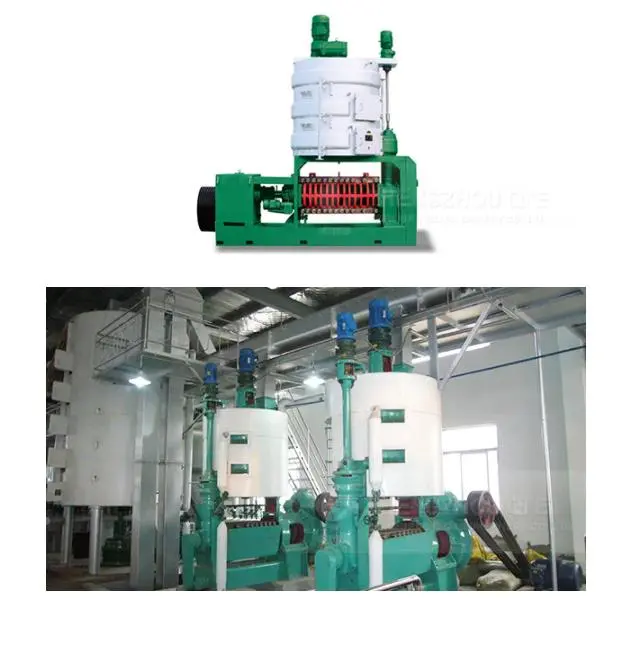
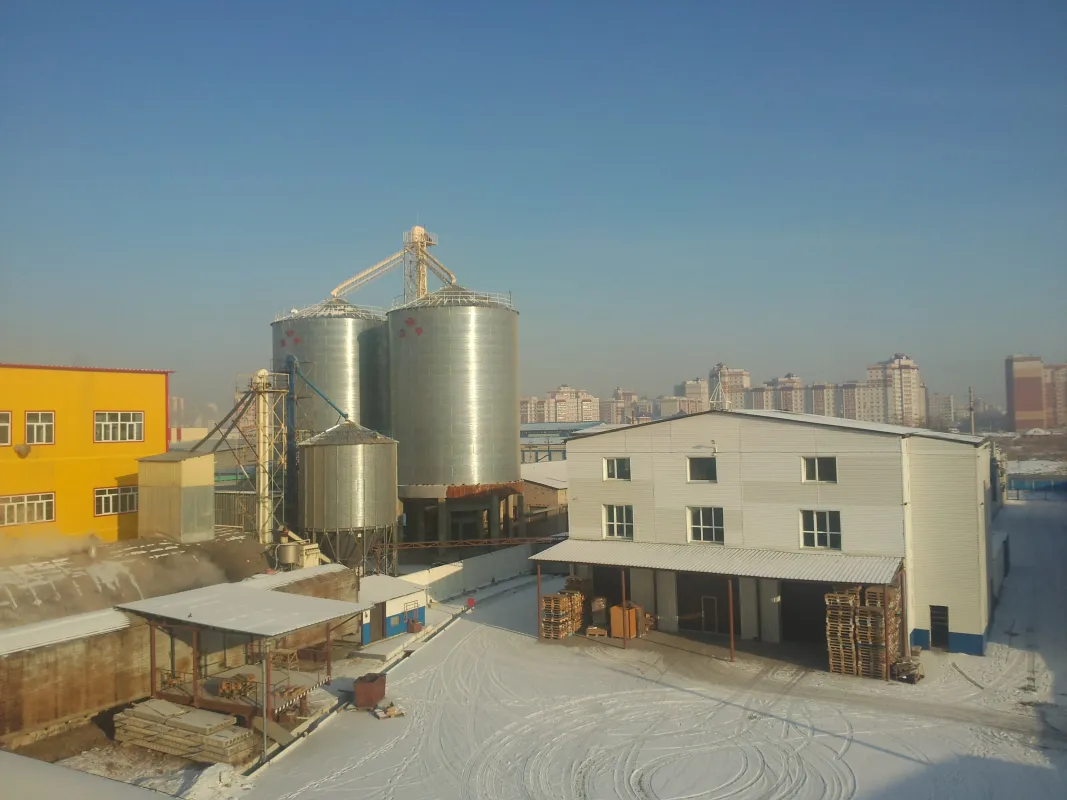
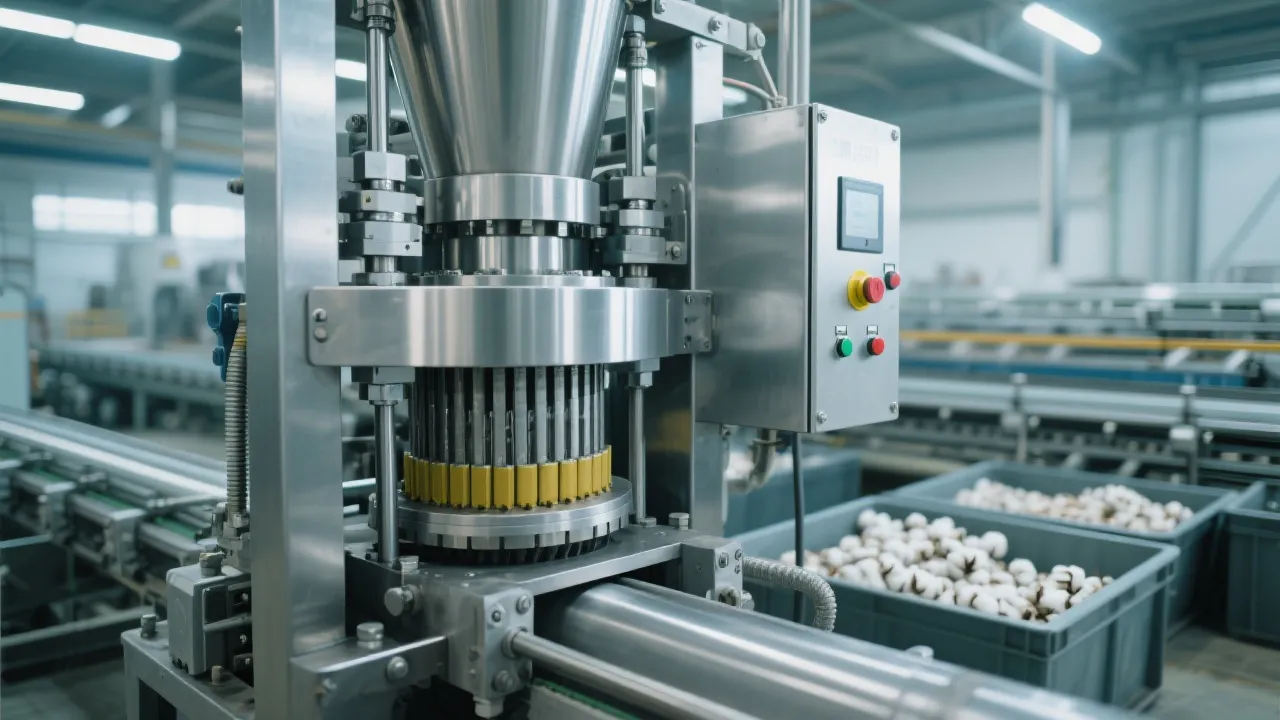
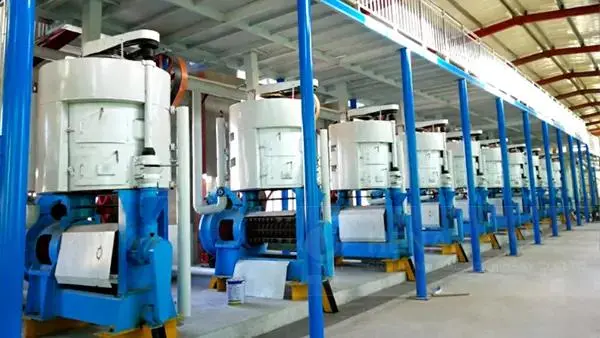
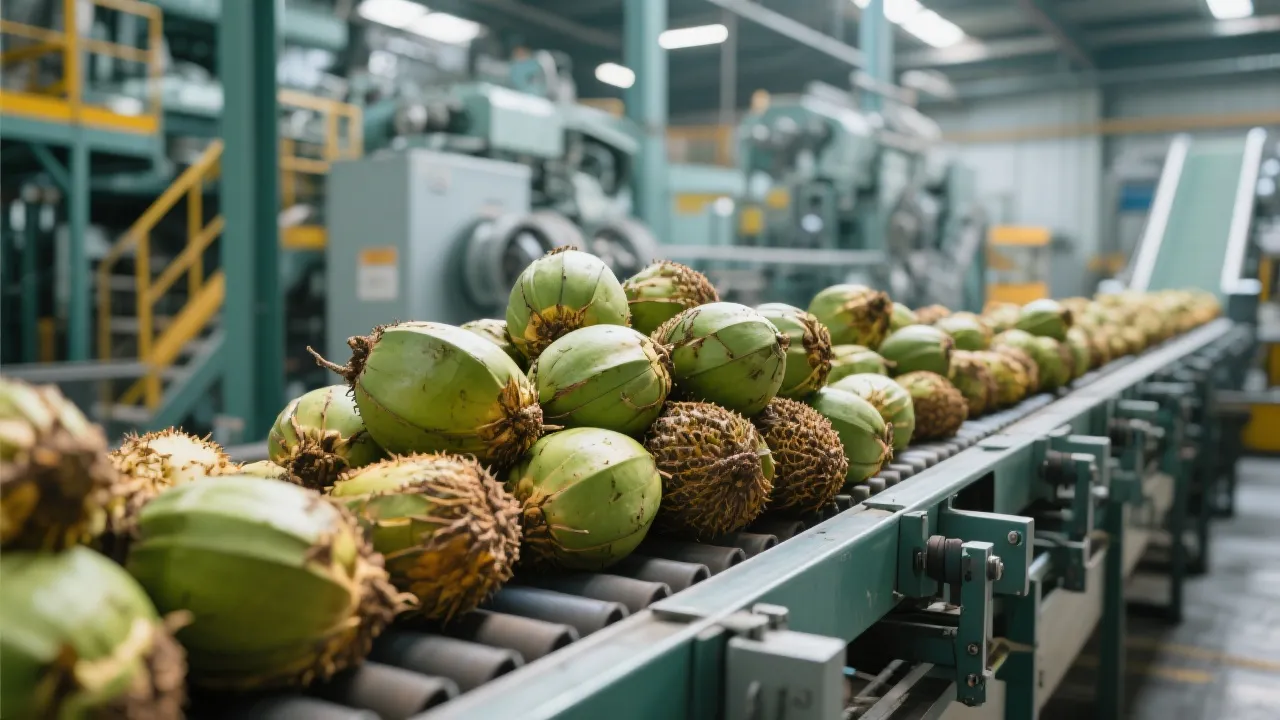
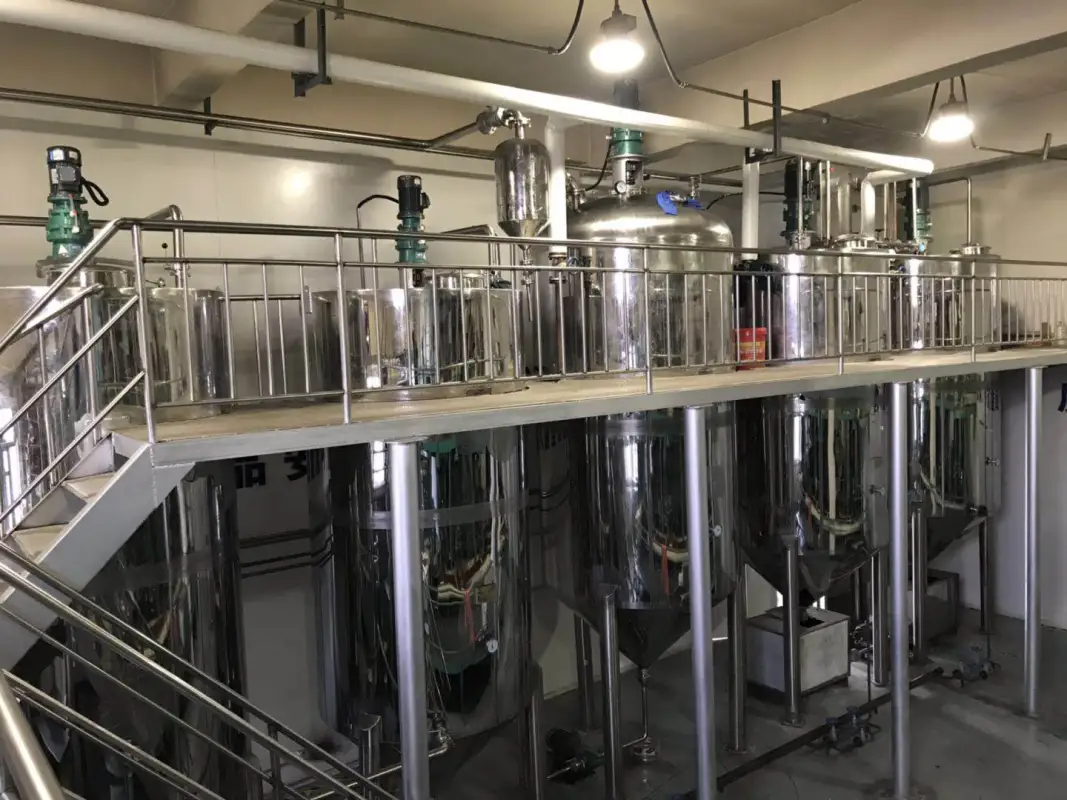
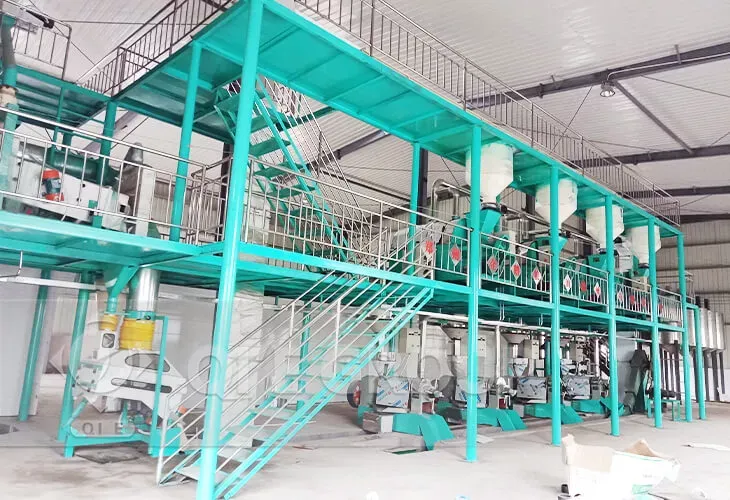
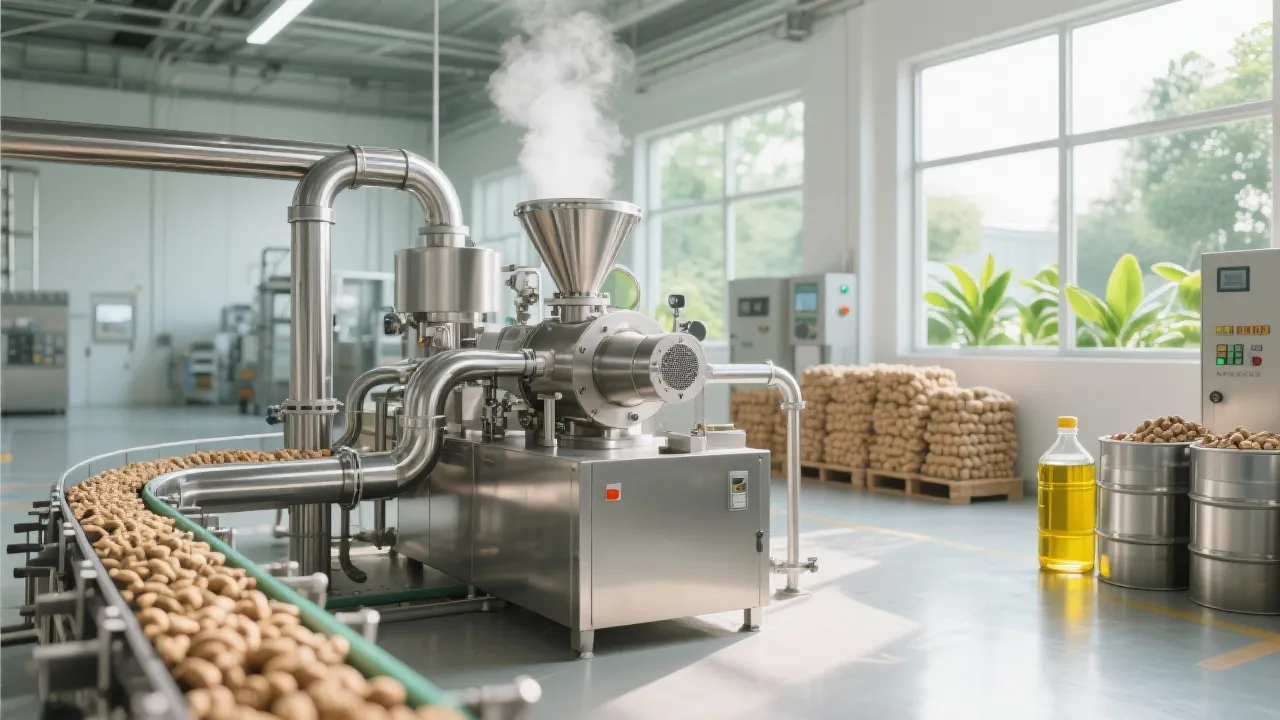
In industrial edible oil production, tar and impurities can significantly degrade product quality—leading to off-flavors, reduced shelf life, and even non-compliance with food safety standards. According to a 2023 study by the International Journal of Food Engineering, untreated oil from high-temperature refining processes often contains up to 12–18 ppm of residual tar compounds, which exceed EU regulatory thresholds for refined oils (EFSA guidelines). This is where a well-designed tar-resistant filtration system becomes not just an option—but a necessity.
A robust filtration solution must go beyond simple mechanical straining. The most effective systems integrate three key stages:
Real-world data from a major sunflower oil producer in Ukraine shows that implementing this multi-stage approach reduces tar levels from an average of 15 ppm to under 2 ppm—a 87% improvement in purity within six months of operation. This aligns with ISO 9001:2015 quality management principles, ensuring consistent output across batches.
While many suppliers use standard carbon steel or lower-grade alloys, only ASTM A240 Grade 316L stainless steel offers the corrosion resistance needed in continuous processing environments. In one comparative test conducted at a vegetable oil refinery in India, equipment made from 304L experienced visible pitting after just 4 months of operation, while 316L units remained intact after over 18 months—even when handling acidic crude oils.
This durability translates directly into operational savings: less downtime, fewer replacements, and compliance with FDA 21 CFR §178.1010 for indirect food contact materials.
Modern automated control systems don’t just simplify operations—they enhance reproducibility. With PLC-based interfaces and real-time monitoring of pressure drop, flow rate, and temperature, operators can set alerts before issues arise. One client in Turkey reported a 22% increase in throughput after switching from manual to semi-automated filtering, thanks to reduced human error and faster cycle times.
Moreover, these systems are compatible with existing CIP (Clean-in-Place) protocols, making sanitation easier and more efficient—an essential factor for meeting HACCP and BRCGS certification requirements.
These same principles apply beyond food-grade applications. For example:
Our patented filtration technology has been used in over 200 facilities worldwide—from small-scale cold-pressed oil mills in Morocco to large-scale biodiesel plants in Brazil—proving its adaptability across geographies and scales.
Choosing the right tar-resistant filtration system isn’t about buying the cheapest unit—it’s about investing in a process that ensures consistent quality, regulatory compliance, and long-term cost savings. Whether you're producing edible oils, cosmetic ingredients, or specialty chemicals, a tailored solution based on multi-stage filtration, food-grade materials, and automation will deliver measurable ROI.
If you're ready to explore how our fully automated oil purification system can optimize your production line, download our technical manual today. We’d love to hear about your current challenges—leave a comment below or reach out directly to discuss custom solutions tailored to your facility.
 483
|
483
|
 Reasons for low output of home oil presses
Improvement of sunflower seed oil extraction efficiency
Usage tips for home oil presses
Maintenance guide for oil presses
Optimization of oil press oil yield
358
|
Improve sunflower seed oil yield
Home oil press usage guide
Increase oil yield of small oil presses
Mechanical pressing technology
Practical skills for oil presses
403
|
Sunflower seed oil press low oil yield
Household oil press efficiency improvement
Pressing process optimization guide
Sunflower seed oil production techniques
Grain and oil machinery maintenance
433
|
sunflower oil press operation
oil yield optimization techniques
small oil press maintenance
green edible oil production
sunflower seed processing equipment
425
|
Small sunflower oil press
Household oil press recommendation
Commercial oil press equipment selection
Small - scale grain and oil processing solutions
Sunflower oil extraction machine
Reasons for low output of home oil presses
Improvement of sunflower seed oil extraction efficiency
Usage tips for home oil presses
Maintenance guide for oil presses
Optimization of oil press oil yield
358
|
Improve sunflower seed oil yield
Home oil press usage guide
Increase oil yield of small oil presses
Mechanical pressing technology
Practical skills for oil presses
403
|
Sunflower seed oil press low oil yield
Household oil press efficiency improvement
Pressing process optimization guide
Sunflower seed oil production techniques
Grain and oil machinery maintenance
433
|
sunflower oil press operation
oil yield optimization techniques
small oil press maintenance
green edible oil production
sunflower seed processing equipment
425
|
Small sunflower oil press
Household oil press recommendation
Commercial oil press equipment selection
Small - scale grain and oil processing solutions
Sunflower oil extraction machine


.png?x-oss-process=image/resize,h_100,m_lfit/format,webp)
.png?x-oss-process=image/resize,h_100,m_lfit/format,webp)
.png?x-oss-process=image/resize,h_100,m_lfit/format,webp)
.jpg?x-oss-process=image/resize,h_800,m_lfit/format,webp)