
Tar residue poses a persistent challenge in the oil processing sector, notably impacting product integrity and elevating environmental compliance risks. Traditional filtration methods often fall short in fully eliminating tar impurities, resulting in compromised oil quality and increased waste management burdens. This article delves into how QIE Group’s state-of-the-art automatic sunflower oil filtration system — equipped with advanced tar-resistance technology — optimizes industrial oil purification through precision filtration and intelligent automation, supporting businesses in achieving greener, more efficient production.
Tar particles, formed during oil refining and heat treatments, degrade oil taste, color, and shelf life. Beyond quality deterioration, residual tar creates operational hurdles:
Conventional filters often clog quickly or lack specificity, making comprehensive tar removal complex and costly. As global pressures mount for sustainable production, advanced technologies are imperative.
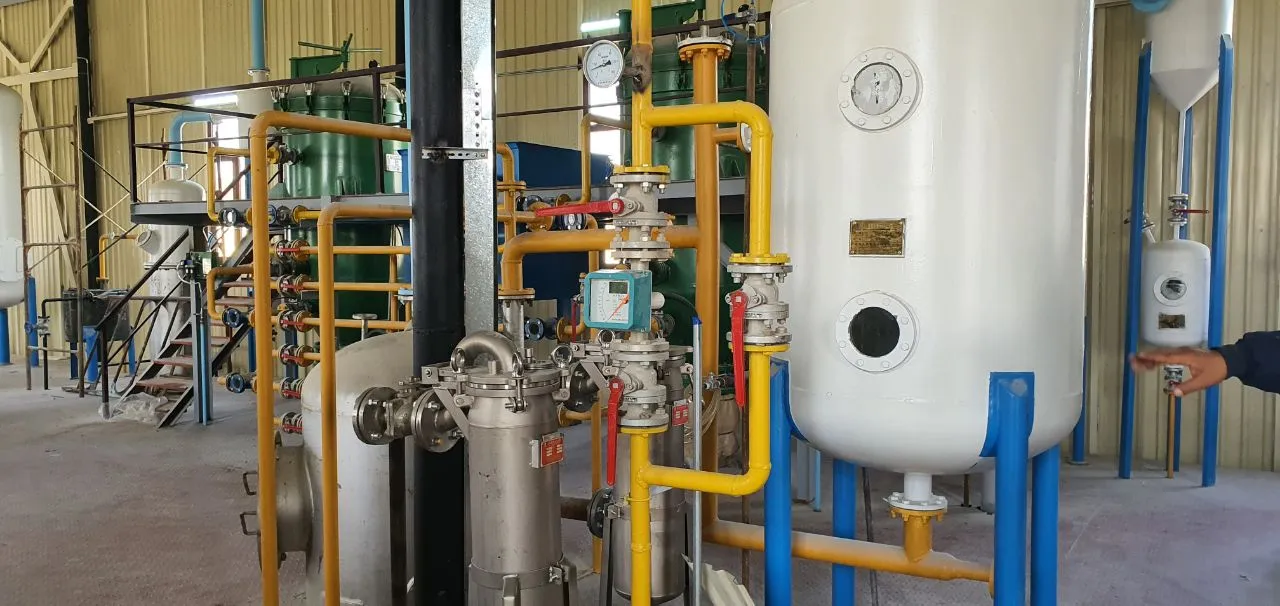
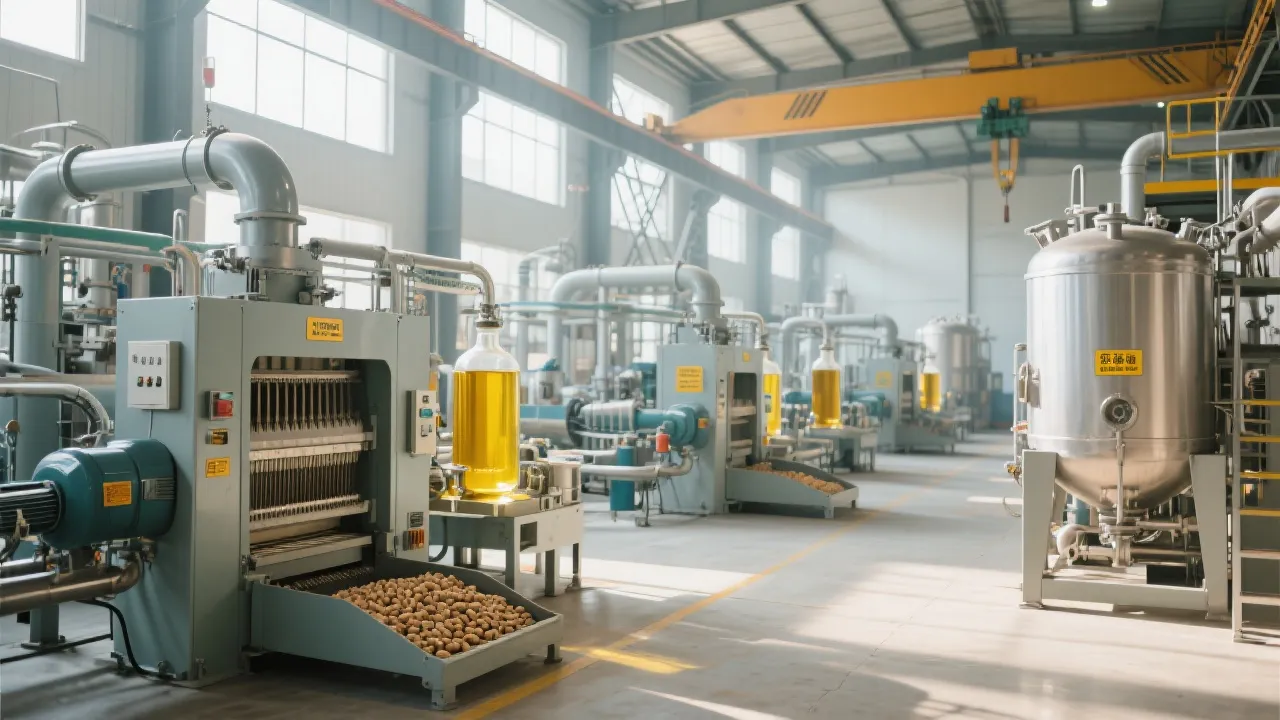
The QIE Group’s filtration unit employs a robust multi-stage filtration approach combined with intelligent control systems designed for continuous operation:
Figure 1: Filtration Process Flowchart Depicting Multi-Layer Tar Capture and Automated Cleaning Cycle
QIE Group’s filtration technology caters to multiple sectors where tar contamination affects product quality and compliance:
“Since integrating Penguin’s tar-resistant filtration, our sunflower oil clarity improved dramatically, reducing rejects by over 20%. Energy savings and minimal downtime have revolutionized our production line efficiency.” – Operations Manager, Leading Edible Oil Producer
Independent case studies and user data underscore the filtration system’s effectiveness:
Choosing the right unit involves tailoring system capacity and filtration layers to specific production scales and oil types.
Consultation with technology providers for a tailored filtration roadmap is recommended to maximize return on investment and sustainability impact.
Adopting this tar-resistant filtration technology not only elevates product standards but also aligns with evolving global carbon reduction mandates. The dual advantage of cutting down waste discharge and reducing energy consumption makes these systems pivotal in advancing green manufacturing transitions.
 366
|
366
|
 sunflower oil cold press method
sunflower oil hot press process
oil content in sunflower seeds
edible oil extraction technology
sunflower seed oil production equipment
348
|
Sunflower oil extractor
Small - scale farm oil pressing equipment
Seed cleaning and filtration integrated machine
High - oil - yield equipment
ISO9001 certified oil machine
140
|
sunflower oil filtration equipment
industrial oil filtration
tar removal technology
automated oil filtration systems
equipment maintenance techniques
425
|
Small sunflower oil press
Household oil press recommendation
Commercial oil press equipment selection
Small - scale grain and oil processing solutions
Sunflower oil extraction machine
75
|
sunflower seed oil press
small oil press for home use
commercial oil press machine
manual vs automatic oil press
how to choose an oil press
sunflower oil cold press method
sunflower oil hot press process
oil content in sunflower seeds
edible oil extraction technology
sunflower seed oil production equipment
348
|
Sunflower oil extractor
Small - scale farm oil pressing equipment
Seed cleaning and filtration integrated machine
High - oil - yield equipment
ISO9001 certified oil machine
140
|
sunflower oil filtration equipment
industrial oil filtration
tar removal technology
automated oil filtration systems
equipment maintenance techniques
425
|
Small sunflower oil press
Household oil press recommendation
Commercial oil press equipment selection
Small - scale grain and oil processing solutions
Sunflower oil extraction machine
75
|
sunflower seed oil press
small oil press for home use
commercial oil press machine
manual vs automatic oil press
how to choose an oil press







.png?x-oss-process=image/resize,h_100,m_lfit/format,webp)
.png?x-oss-process=image/resize,h_100,m_lfit/format,webp)
.png?x-oss-process=image/resize,h_100,m_lfit/format,webp)
.jpg?x-oss-process=image/resize,h_800,m_lfit/format,webp)

.jpg?x-oss-process=image/resize,h_800,m_lfit/format,webp)
