You’ve got the right ingredients — fresh sunflower seeds, a reliable press — yet your oil yield remains frustratingly low. You're not alone. According to industry data from Global AgriTech Insights (2023), over 68% of small-scale home oil producers report inconsistent extraction efficiency due to overlooked operational steps.
Many users assume “any sunflower seed” will do — but moisture content and freshness are critical. Seeds with >8% moisture can reduce oil yield by up to 15%, as excess water interferes with pressing pressure distribution. A simple test? Crush a few seeds between your fingers — if they crumble easily without oil residue, they’re dry enough. If they feel soft or sticky, let them air-dry for 2–3 days at room temperature.
“After switching to properly dried seeds, our family’s oil output increased from 28% to 36% per batch.” — Maria L., DIY Oil Maker in Spain
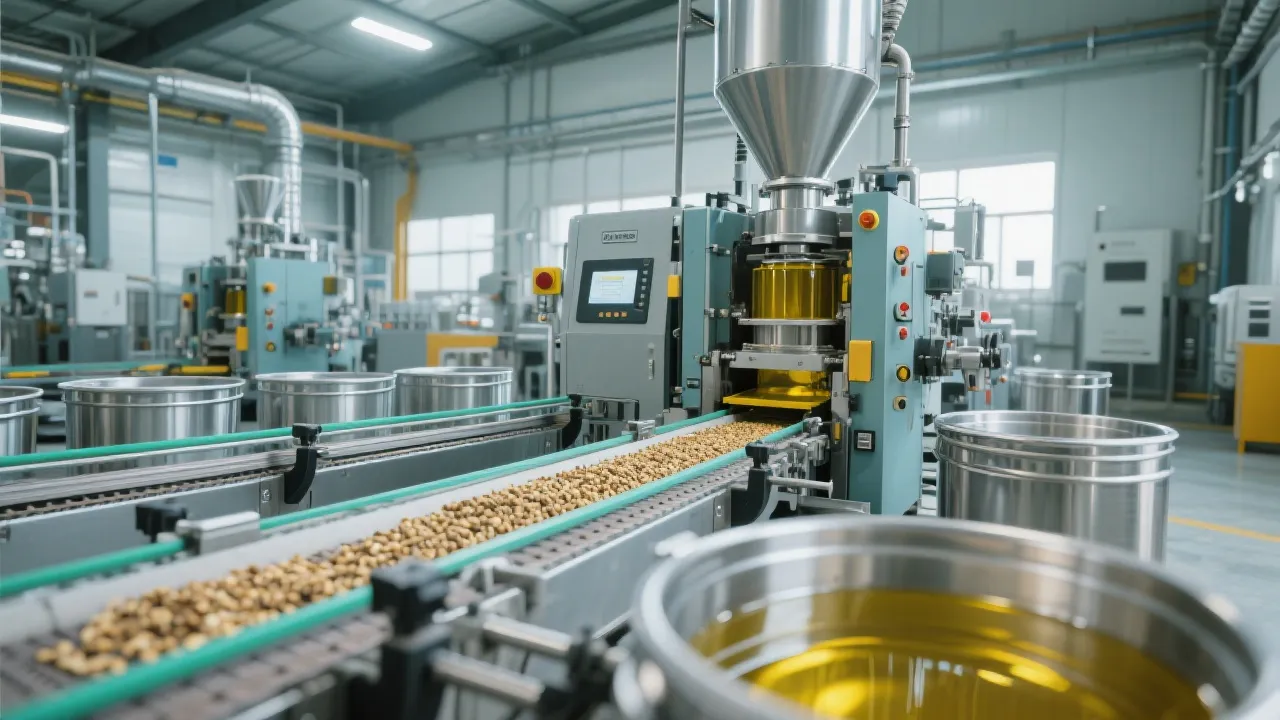
Even the best machine fails if you skip screening and roasting. A study by the Food Engineering Research Group (2022) found that removing impurities (like chaff, dust, or broken kernels) boosts oil clarity and presses more efficiently — increasing yield by an average of 7%. Roast at 120°C–140°C for 8–10 minutes. Too hot? Burnt seeds = lower quality oil. Too cold? Poor oil release.
| Process Step | Common Mistake | Optimized Result |
|---|---|---|
| Moisture Control | Using wet seeds directly | +12% yield gain |
| Roasting Temp | Too high (>160°C) | Oil flavor compromised |
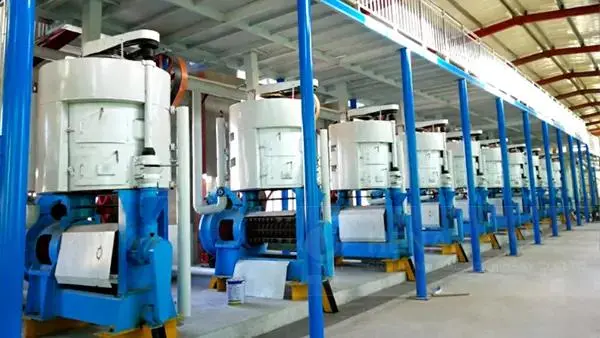
Dirty plates, worn seals, or misaligned screws cause pressure loss — and that means less oil per kilo of seeds. Clean your press after every 3–5 batches using warm water and mild detergent. Check for wear on rubber gaskets monthly. Replace them every 6 months if used regularly. This simple habit can extend equipment life by 3x and maintain consistent pressure above 50 bar — crucial for optimal extraction.
It’s not just about one-time fixes. Successful home oil makers treat their process like a recipe: measure, record, repeat. Keep a logbook tracking seed type, roast time, pressure setting, and final yield. Over time, you’ll identify patterns — and optimize faster than any algorithm.
If you're serious about maximizing your home oil production — whether for personal use or small-scale selling — it's time to look beyond the basics. Our Mini Sunflower Oil Extractor is engineered for precision pressure control, easy cleaning, and durable stainless steel construction — designed exactly for users like you who want reliable results, batch after batch.
Get Your Personalized Setup Guide Now


.png?x-oss-process=image/resize,h_100,m_lfit/format,webp)
.png?x-oss-process=image/resize,h_100,m_lfit/format,webp)
.png?x-oss-process=image/resize,h_100,m_lfit/format,webp)