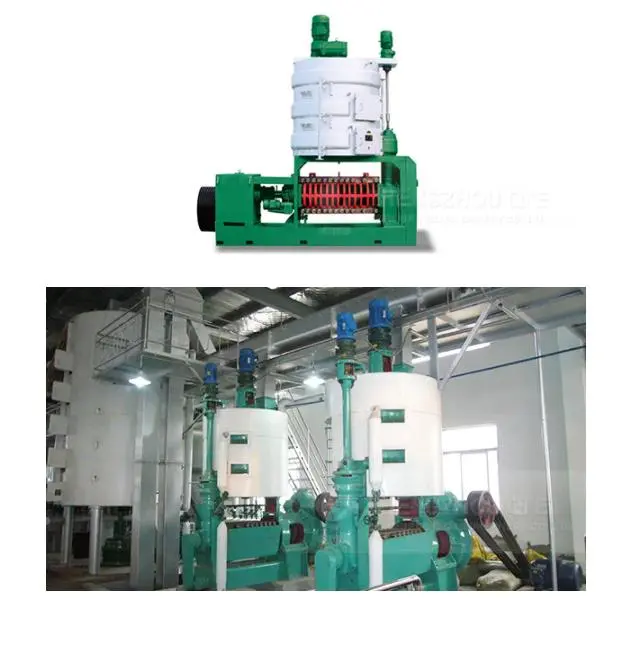
In the competitive landscape of edible oil manufacturing, every processing step directly impacts final product quality and operational profitability. Among these critical stages, sunflower seed dehulling stands out as a technology that can significantly elevate both oil purity and extraction efficiency. Recent industry studies indicate that optimized dehulling processes can increase oil yield by 3-5% while reducing impurity levels by up to 40%, making it a cornerstone of modern oil processing facilities.
Sunflower seeds naturally contain 20-30% hull content, which consists primarily of fibrous material and lignin. When left unprocessed, these components introduce several challenges to oil production: increased wear on extraction equipment, higher refining costs, and reduced oil quality. The dehulling process addresses these issues by separating the seed kernel from its outer shell, resulting in a cleaner feedstock for subsequent processing stages.
Key Benefits of Effective Dehulling:
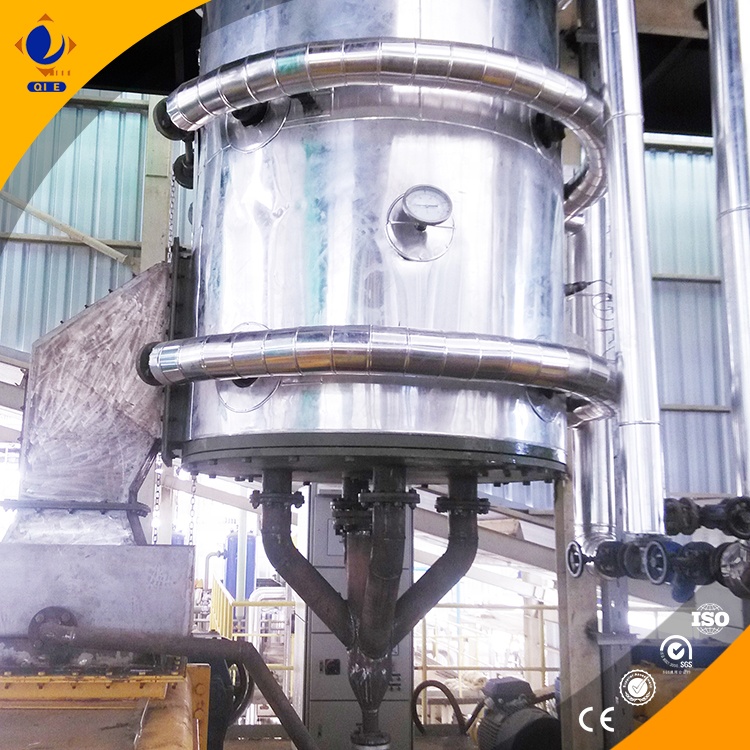
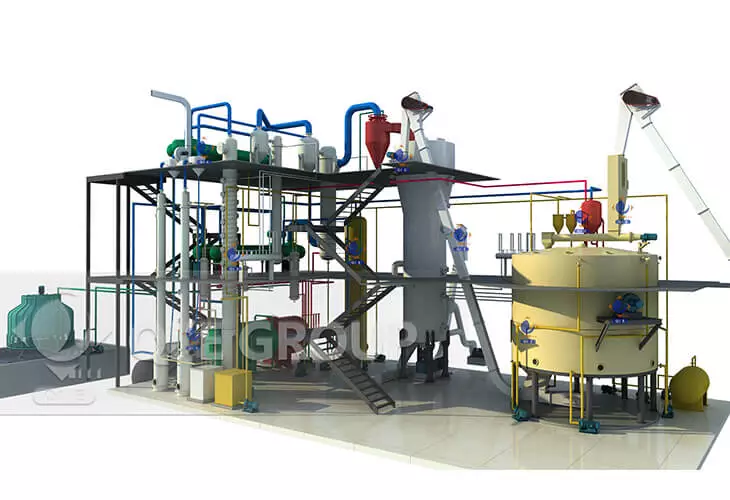
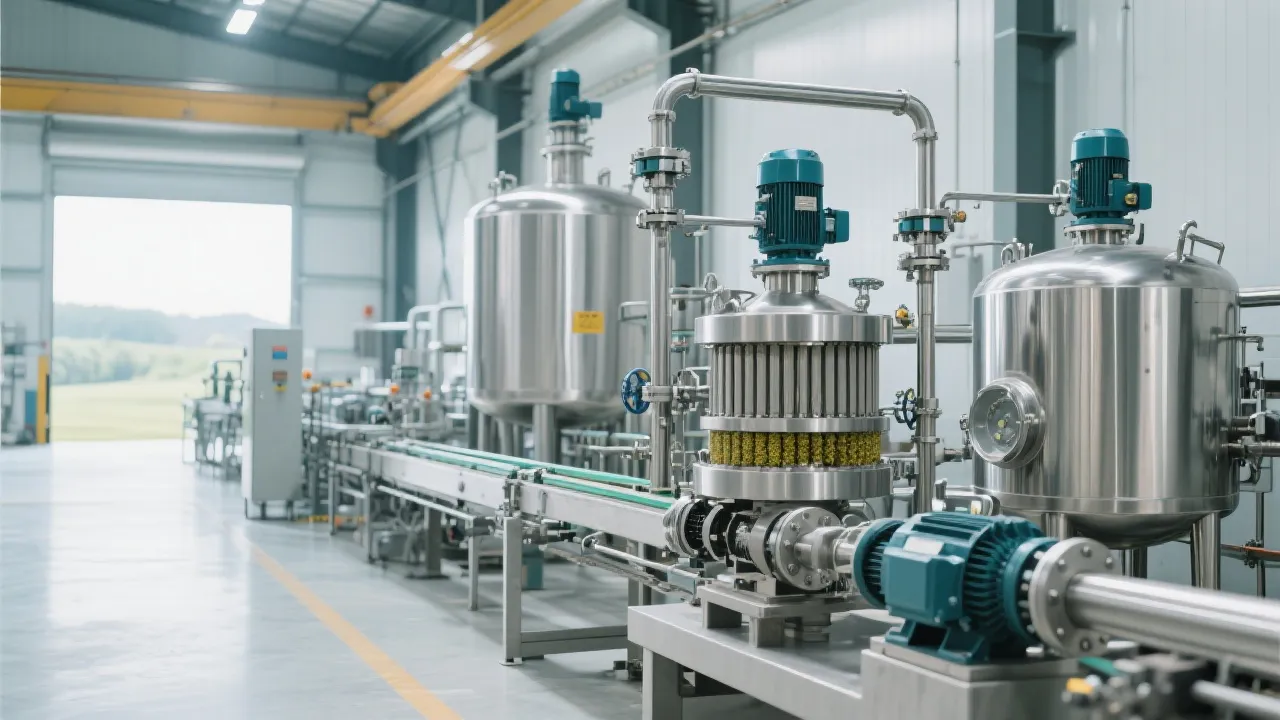
Modern edible oil production facilities require seamless integration between processing stages. The dehulling system, when properly synchronized with upstream cleaning and downstream crushing equipment, forms a critical link in the automation chain. 企鹅集团 (Penguin Group) has developed integrated solutions where dehulling equipment communicates with subsequent processing stages, adjusting parameters in real-time based on seed characteristics and throughput demands.
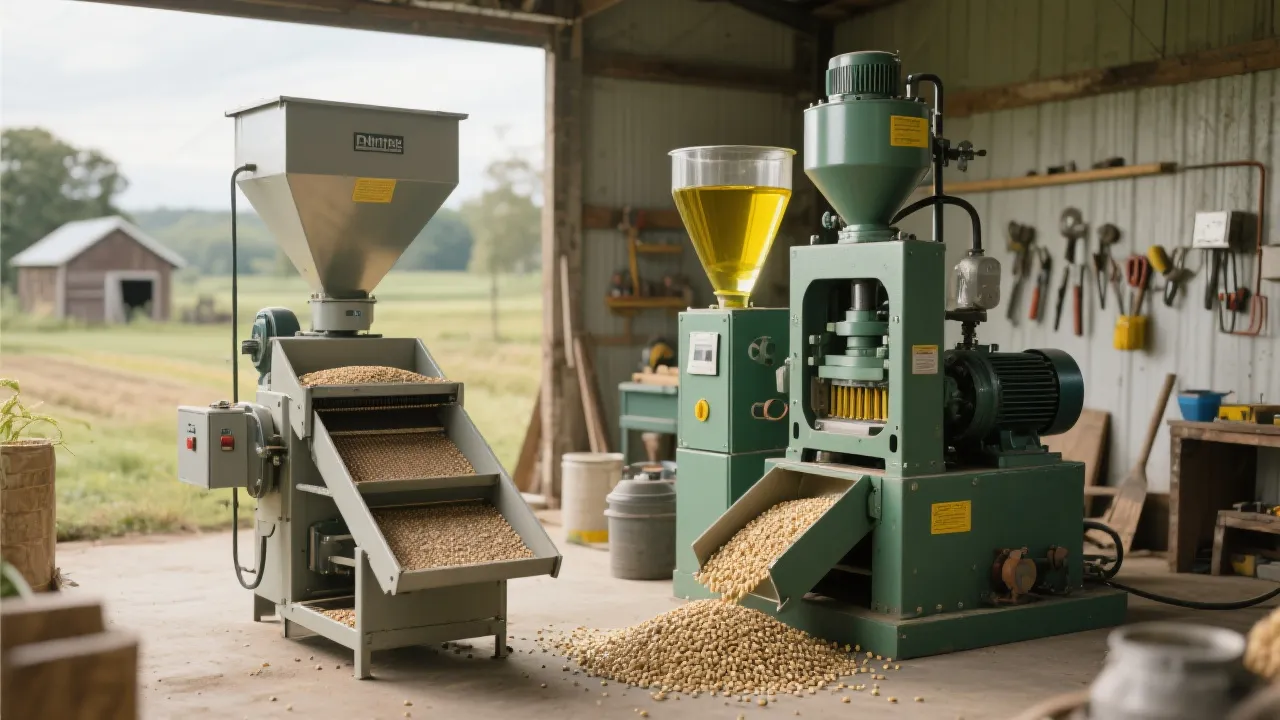
A typical automated sequence includes: precision feeding systems that regulate seed flow, optical sorting to remove foreign materials, adjustable dehulling chambers that optimize kernel-hull separation, and aspiration systems that efficiently remove lightweight hull fractions. This integrated approach has been shown to reduce processing time by 18% while improving separation efficiency to 98.5% or higher.
Sunflower seeds exhibit significant variability based on geographic origin, cultivation practices, and climate conditions. Eastern European varieties typically have larger kernels with 28-32% oil content but thicker hulls, while South American seeds often feature thinner hulls but slightly lower oil content. These differences necessitate adjustable dehulling parameters to maintain optimal performance.
| Seed Origin | Average Hull Content | Optimal Dehulling Pressure | Typical Separation Efficiency |
|---|---|---|---|
| Ukraine | 26-28% | 0.8-1.0 bar | 97-98% |
| Argentina | 22-24% | 0.6-0.8 bar | 98-99% |
| Russia | 27-30% | 0.9-1.1 bar | 96-97% |
| USA | 24-26% | 0.7-0.9 bar | 97.5-98.5% |
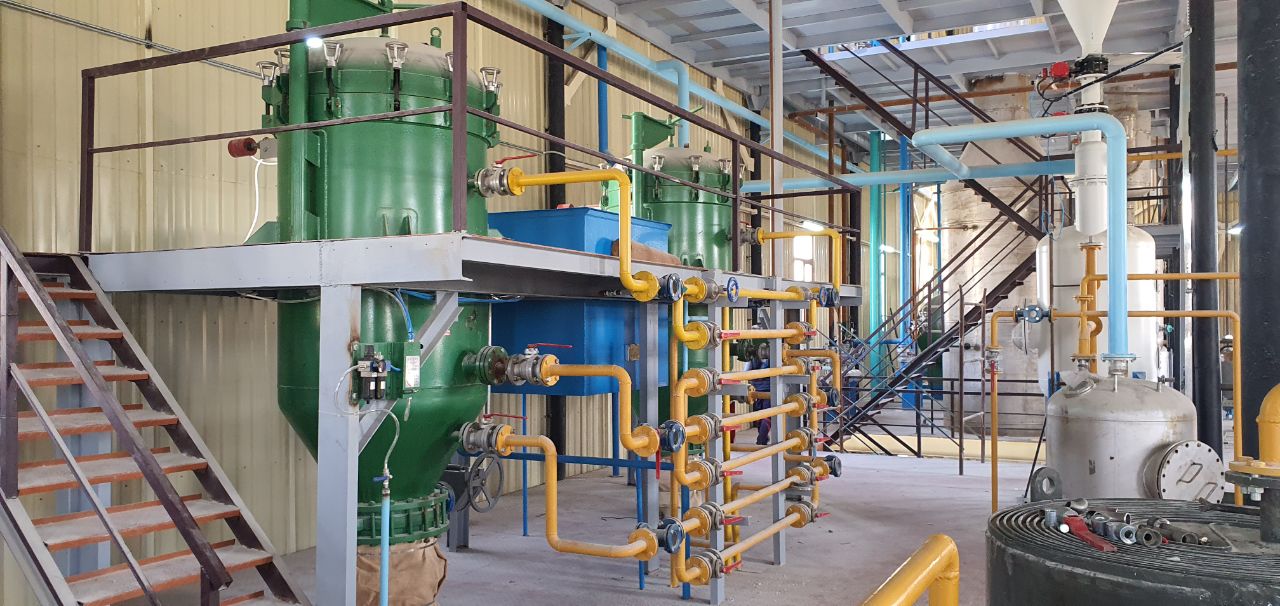
Maintaining peak dehulling performance requires systematic attention to equipment condition and process parameters. Operators should implement a preventive maintenance schedule that includes regular inspection of hulling discs, adjustment of air flow rates, and calibration of separation screens. Common issues like incomplete hull removal or excessive kernel breakage often stem from minor adjustments that can be identified through a structured troubleshooting approach.
Dehulling Process Optimization "Three-Step Check":
Processing facilities that implement these monitoring practices typically experience 35% fewer unplanned downtime incidents and maintain consistent product quality even when switching between seed sources. The integration of smart sensors and automated adjustment systems has further improved process reliability, with some advanced installations achieving 99.2% uptime for dehulling operations.
Access our comprehensive technical whitepaper featuring advanced dehulling techniques and process optimization strategies
Download Sunflower Processing Technical GuideAs the edible oil industry continues to evolve with stricter quality standards and efficiency requirements, the importance of optimized dehulling technology will only increase. By implementing the right equipment, adjustment protocols, and maintenance practices, producers can achieve significant improvements in both product quality and operational performance. The data consistently shows that investments in dehulling technology deliver ROI within 12-18 months through improved yield, reduced waste, and lower downstream processing costs.
 144
|
144
|
 cold press sunflower oil process
hot press oil yield improvement
dual-mode oil press machine
sunflower oil extraction equipment
export oil processing solution
133
|
cold press sunflower oil extraction machine operation guide
cold press oil equipment maintenance
low temperature pressing process
automatic cleaning system for oil press
oil refining function impact
415
|
sunflower seed dehulling
dehulling process adjustment
kernel yield improvement
roller gap adjustment
103
|
Sunflower oil filtration equipment selection
Industrial oil filtration
Tar removal technology
Automated oil filtration equipment
Equipment maintenance tips
431
|
cold press sunflower oil extractor
oil press operation guide
cold pressing process parameters
oil extractor maintenance
automatic cleaning system for oil press
cold press sunflower oil process
hot press oil yield improvement
dual-mode oil press machine
sunflower oil extraction equipment
export oil processing solution
133
|
cold press sunflower oil extraction machine operation guide
cold press oil equipment maintenance
low temperature pressing process
automatic cleaning system for oil press
oil refining function impact
415
|
sunflower seed dehulling
dehulling process adjustment
kernel yield improvement
roller gap adjustment
103
|
Sunflower oil filtration equipment selection
Industrial oil filtration
Tar removal technology
Automated oil filtration equipment
Equipment maintenance tips
431
|
cold press sunflower oil extractor
oil press operation guide
cold pressing process parameters
oil extractor maintenance
automatic cleaning system for oil press



.jpg?x-oss-process=image/resize,h_800,m_lfit/format,webp)


.png?x-oss-process=image/resize,h_100,m_lfit/format,webp)
.png?x-oss-process=image/resize,h_100,m_lfit/format,webp)
.png?x-oss-process=image/resize,h_100,m_lfit/format,webp)
.jpg?x-oss-process=image/resize,h_800,m_lfit/format,webp)