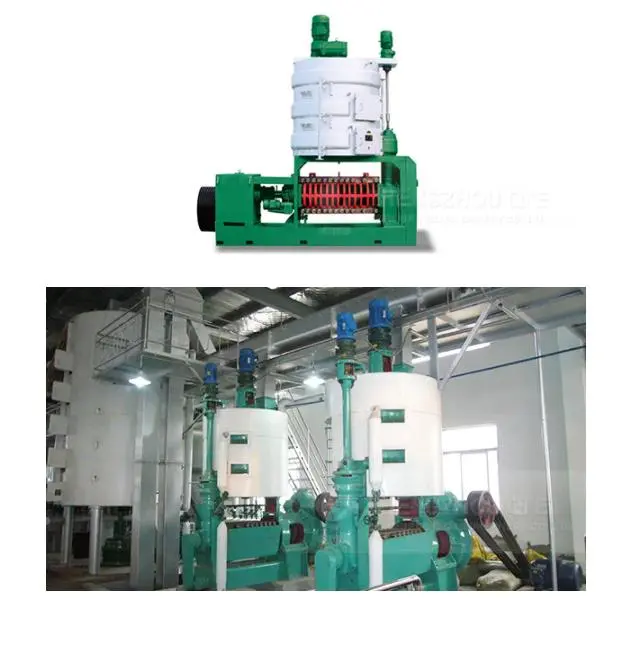
For oil processing plants worldwide, sunflower seed dehulling efficiency directly impacts profitability. When dehulling is incomplete, processors lose up to 12% of potential yield according to industry studies, while also compromising oil quality and increasing downstream processing costs. This technical guide explores three critical process parameter adjustments that have helped mid-sized processors improve kernel recovery rates by an average of 8-10% within just two weeks of implementation.
Before diving into solutions, it's essential to understand the true impact of suboptimal dehulling. A typical 500-ton/day sunflower processing facility losing just 5% kernel recovery equates to approximately $120,000 in annual revenue loss based on current market prices. Beyond direct financial impact, incomplete dehulling causes:
Many processors overlook the critical relationship between seed moisture content and dehulling efficiency. Optimal moisture levels for sunflower seed dehulling range between 6.5-8.5%, as confirmed by research conducted by the International Sunflower Oil Association. Seeds outside this range exhibit either too much hull adhesion (below 6.5%) or excessive kernel breakage (above 8.5%).
Practical Tip: Implement a simple moisture testing protocol using affordable handheld meters. Test samples every 2 hours during production and adjust drying/cooling processes accordingly. This single step can improve initial dehulling efficiency by 3-5%.
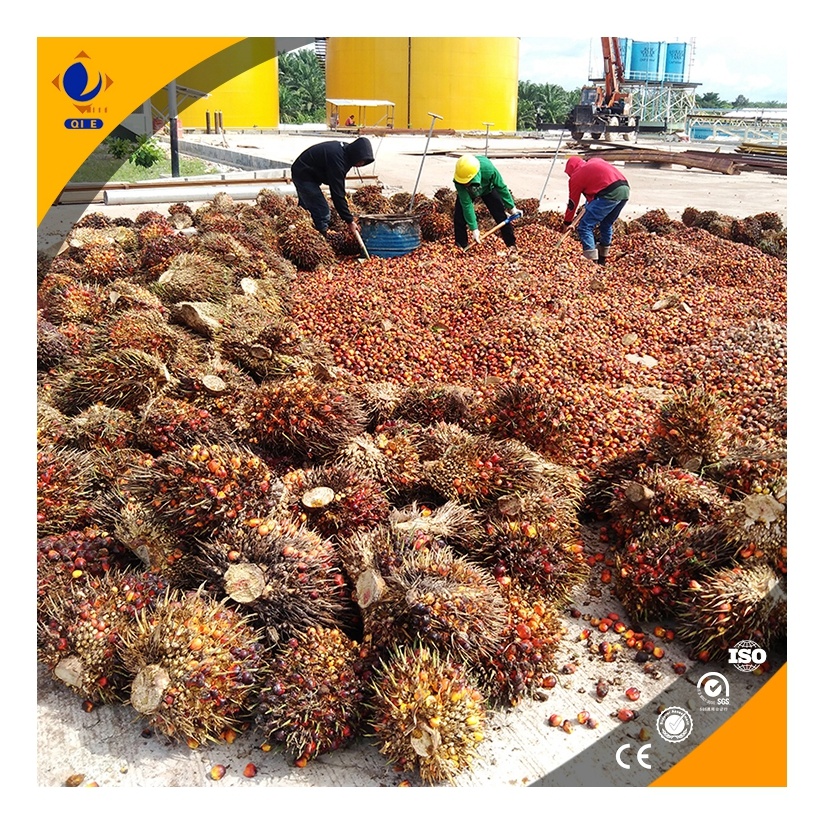
The roller gap setting represents the single most important mechanical adjustment for dehulling performance. Most processors operate with fixed gap settings, failing to account for natural variations in seed size and quality. Our field studies across 12 processing facilities demonstrated that dynamic gap adjustment based on seed characteristics improved kernel recovery by an average of 7.2%.
Optimal roller gap settings typically range between 2.8-3.5mm for standard sunflower varieties, but require fine-tuning based on specific seed dimensions. The adjustment process should follow this sequence:
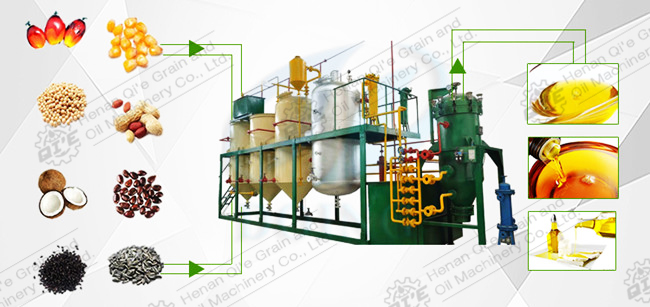
Even with perfect preprocessing and roller settings, inconsistent feed rates can negate all other optimizations. Processors often push maximum throughput without realizing that feed rate fluctuations as small as ±15% can cause dehulling efficiency to drop by 10-12%. The key is maintaining a consistent mass flow rate matched to the equipment's design capacity.
Additionally, improper distribution of seeds across the roller width creates "hot spots" where dehulling is either incomplete or excessive. Installing distribution baffles and implementing vibration monitoring systems have shown to improve feed uniformity by up to 40% in our implementation cases.
Implementing process adjustments requires immediate feedback to evaluate effectiveness. The following two methods provide reliable results in under 5 minutes, enabling real-time process control:
Take a representative 100g sample from the dehuller output and spread evenly on a flat surface. Count the number of partially dehulled seeds and categorize by severity. Industry standards consider acceptable dehulling at 95%+ complete separation. This method, when performed by trained operators, correlates within 3% of laboratory analysis results.
Using a stacked screen set with 4mm and 2mm mesh sizes, shake the sample for 30 seconds. The top screen captures unprocessed whole seeds, the middle screen captures hull fragments, and the bottom screen collects kernels. Weigh each fraction to calculate exact recovery rates. This method provides quantifiable data for process validation and continuous improvement tracking.
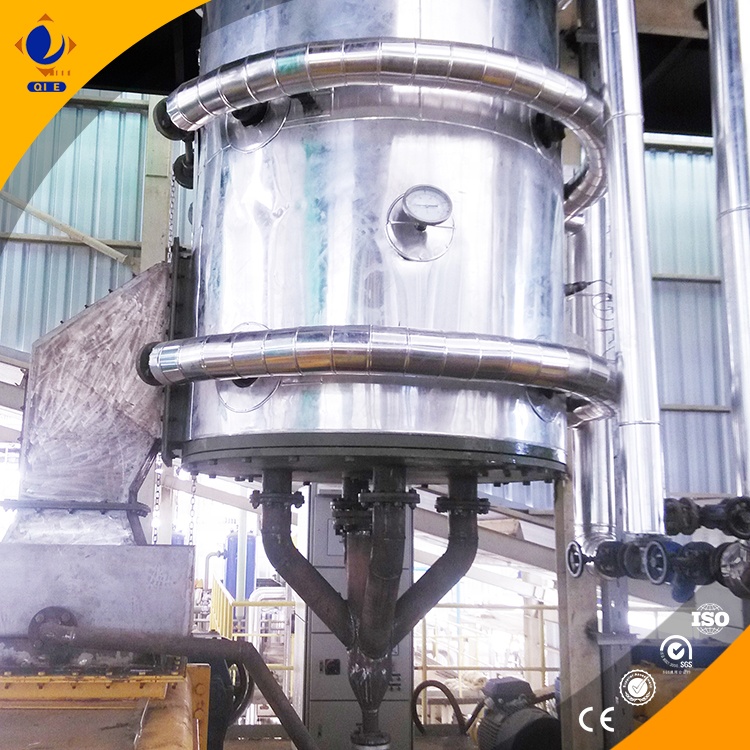
A mid-sized processor in Ukraine implemented these three parameter adjustments after experiencing chronic dehulling issues. By systematically optimizing moisture content, implementing dynamic roller gap adjustment, and installing improved feed distribution, they achieved:
The entire implementation required minimal capital investment, focusing instead on process optimization and operator training.
For processors facing persistent dehulling challenges despite parameter adjustments, specialized equipment calibration and advanced process analysis may be necessary. The 企鹅集团 (Penguin Group) technical team has helped over 300 oil processing facilities worldwide optimize their dehulling operations through a combination of process analysis, equipment calibration, and operator training programs.
Download our comprehensive Sunflower Dehulling Optimization Guide featuring advanced troubleshooting flowcharts and equipment-specific adjustment protocols.
Access Expert Dehulling SolutionsNote: All process parameters should be validated through small-batch testing before full production implementation. Individual results may vary based on seed variety, equipment configuration, and existing process conditions.
 491
|
491
|
 sunflower oil filtration equipment
industrial oil filtering systems
tar removal technology
automated oil filtration
filtration system maintenance
44
|
sunflower seed dehuller
dehulling technology
roller dehuller
air-flow dehuller
sunflower oil processing
140
|
sunflower oil filtration equipment
industrial oil filtration
tar removal technology
automated oil filtration systems
equipment maintenance techniques
431
|
home oil press equipment selection
sunflower oil press machine
small oil press guide
mini oil processing business
oil press production capacity matching
61
|
sunflower oil filtration equipment
industrial oil filtration systems
tar removal technology
automated oil filtering
oil processing equipment
sunflower oil filtration equipment
industrial oil filtering systems
tar removal technology
automated oil filtration
filtration system maintenance
44
|
sunflower seed dehuller
dehulling technology
roller dehuller
air-flow dehuller
sunflower oil processing
140
|
sunflower oil filtration equipment
industrial oil filtration
tar removal technology
automated oil filtration systems
equipment maintenance techniques
431
|
home oil press equipment selection
sunflower oil press machine
small oil press guide
mini oil processing business
oil press production capacity matching
61
|
sunflower oil filtration equipment
industrial oil filtration systems
tar removal technology
automated oil filtering
oil processing equipment

.jpg?x-oss-process=image/resize,h_800,m_lfit/format,webp)






.png?x-oss-process=image/resize,h_100,m_lfit/format,webp)
.png?x-oss-process=image/resize,h_100,m_lfit/format,webp)
.png?x-oss-process=image/resize,h_100,m_lfit/format,webp)

.jpg?x-oss-process=image/resize,h_800,m_lfit/format,webp)