Industry Insight: According to the International Association of Edible Oil Producers, inefficient sunflower seed dehulling can reduce oil extraction yield by 8-12% and increase protein loss by up to 15%, directly impacting mill profitability.
For edible oil processors, the challenge of incomplete sunflower seed dehulling represents more than just a production nuisance—it directly affects bottom-line profitability through reduced oil yield, increased energy consumption, and lower quality end products. Many processors accept 85-90% dehulling efficiency as the industry standard, unaware that best practices can consistently achieve 98% or higher, translating to significant cost savings and quality improvements.

Before implementing solutions, it's critical to understand the primary factors contributing to incomplete dehulling:
Achieving the optimal moisture level begins with proper drying techniques. Research conducted by the Journal of Food Processing and Preservation demonstrates that seeds dried to 6.5% moisture content show 37% less kernel damage compared to those dried to 9% moisture. The Penguin Group recommends implementing a two-stage drying process with temperature control between 45-55°C to preserve seed integrity while achieving ideal moisture levels.
Continuous monitoring using inline moisture sensors allows for real-time adjustments, preventing the common issue of over-drying which causes excessive kernel breakage. Establishing a moisture testing protocol at receiving and before dehulling can reduce processing variability by up to 40%.
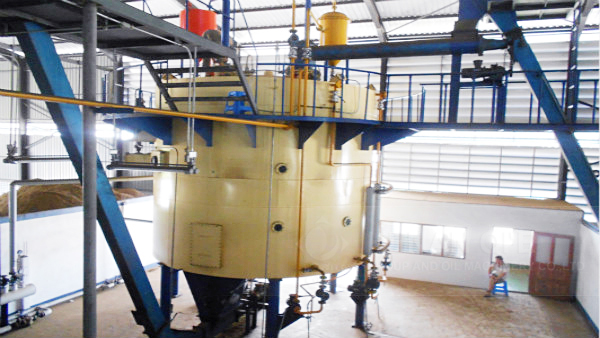
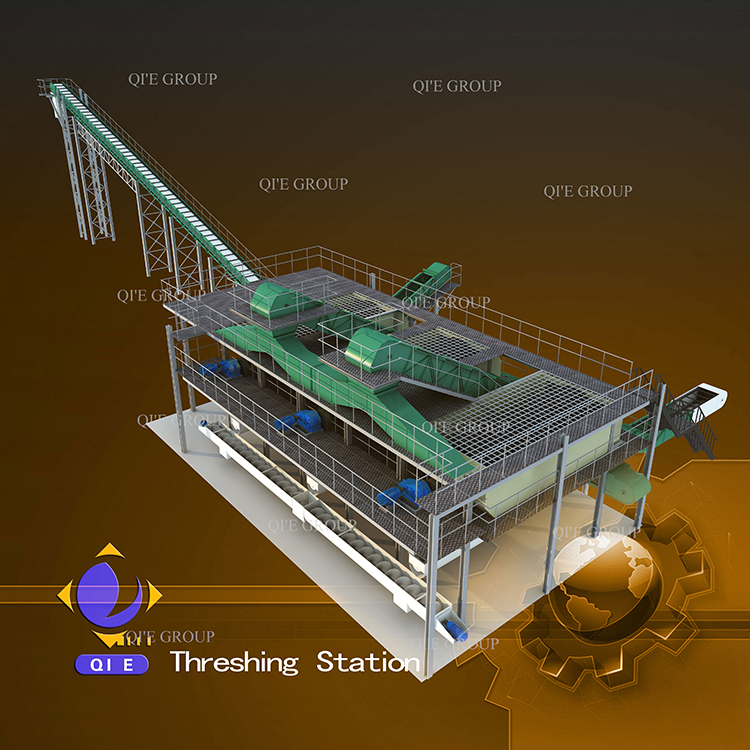
The most significant gains in dehulling efficiency come from precise equipment adjustments. Based on processing over 500,000 tons of sunflower seeds annually, Penguin Group engineers have developed optimal settings for common dehulling equipment:
| Parameter | Optimal Range | Expected Improvement |
|---|---|---|
| Roller Gap | 0.3-0.5mm (varies by seed size) | 15-20% dehulling efficiency increase |
| Air Flow Rate | 1200-1500 m³/h | 10-12% reduction in hull contamination |
| Roller Speed | 900-1100 rpm | 8-10% reduction in kernel breakage |
Uneven feeding creates "surge" conditions that overwhelm dehulling equipment, leading to inconsistent results. Implementing a vibratory feeding system with variable speed control can reduce feed variability by 65%. The Penguin Group recommends installing surge bins with level sensors to maintain a consistent material flow, paired with distribution chutes that ensure even seed distribution across the dehulling rollers.
Implementing effective quality control doesn't require expensive laboratory equipment. Two simple methods can quickly assess dehulling efficiency on the production floor:
These simple testing methods should be performed hourly during production runs, with immediate parameter adjustments when results fall outside acceptable ranges. Over time, this data can be analyzed to identify patterns and further optimize the process.
Discover how Penguin Group's customized dehulling optimization solutions can increase your oil yield by 5-8% while reducing waste and energy costs.
Get Your Free Dehulling Efficiency AssessmentBy implementing these three critical process improvements—precision moisture control, equipment parameter optimization, and feed uniformity management—processing facilities can transform their dehulling operations from a production bottleneck into a source of competitive advantage. The initial investment in process optimization typically delivers ROI within 3-6 months through increased yield, reduced waste, and improved product quality.
 73
|
73
|
 small home oil press equipment
export oil processing equipment
sunflower oil press machine
ISO9001 certified oil press
home oil mill startup guide
300
|
tar resistant filtration
automated oil filter machine
edible oil purification
industrial oil cleaning
sunflower oil processing
390
|
industrial oil filtration
filtration cycle optimization
automated oil filtering system
oil purification technology
tar-resistant filtration
88
|
smallholder sunflower oil processing
portable oil press machine
home oil pressing setup
community group buying for edible oil
agricultural product deep processing guide
392
|
sunflower
oil
extraction
equipment
ISO9001
oil
mill
machinery
food-grade
stainless
steel
oil
press
automatic
oil
extraction
equipment
small
to
medium
oil
mill
equipment
small home oil press equipment
export oil processing equipment
sunflower oil press machine
ISO9001 certified oil press
home oil mill startup guide
300
|
tar resistant filtration
automated oil filter machine
edible oil purification
industrial oil cleaning
sunflower oil processing
390
|
industrial oil filtration
filtration cycle optimization
automated oil filtering system
oil purification technology
tar-resistant filtration
88
|
smallholder sunflower oil processing
portable oil press machine
home oil pressing setup
community group buying for edible oil
agricultural product deep processing guide
392
|
sunflower
oil
extraction
equipment
ISO9001
oil
mill
machinery
food-grade
stainless
steel
oil
press
automatic
oil
extraction
equipment
small
to
medium
oil
mill
equipment

.jpg?x-oss-process=image/resize,h_800,m_lfit/format,webp)




.png?x-oss-process=image/resize,h_100,m_lfit/format,webp)
.png?x-oss-process=image/resize,h_100,m_lfit/format,webp)
.png?x-oss-process=image/resize,h_100,m_lfit/format,webp)
.jpg?x-oss-process=image/resize,h_800,m_lfit/format,webp)