In the competitive landscape of edible oil production, every processing step significantly impacts final product quality and profitability. Sunflower seed dehulling stands as one of the most crucial pre-processing stages, directly influencing oil yield, quality, and downstream processing efficiency. Industry data shows that optimized dehulling can increase oil extraction rates by 3-5% while reducing refining costs by up to 12%. This comprehensive guide explores the technical principles, selection criteria, and operational best practices for sunflower seed dehulling machines, helping production facilities achieve consistent dehulling rates exceeding 95%.
Modern sunflower processing facilities primarily utilize two dehulling technologies, each with distinct advantages depending on raw material characteristics and production requirements:
Roller dehullers operate on a mechanical principle, using differential speed between counter-rotating rollers to apply controlled pressure and shear forces to sunflower seeds. This technology excels with medium to high moisture content seeds (8-12% moisture) and typically achieves dehulling efficiencies of 94-96% when properly calibrated.
Key operational parameters include roller gap adjustment (typically 0.3-0.8mm for sunflower seeds), rotational speed differential (15-25% speed variation), and feed rate control. Maintenance requirements focus on roller surface conditioning and bearing temperature monitoring to prevent overheating during continuous operation.
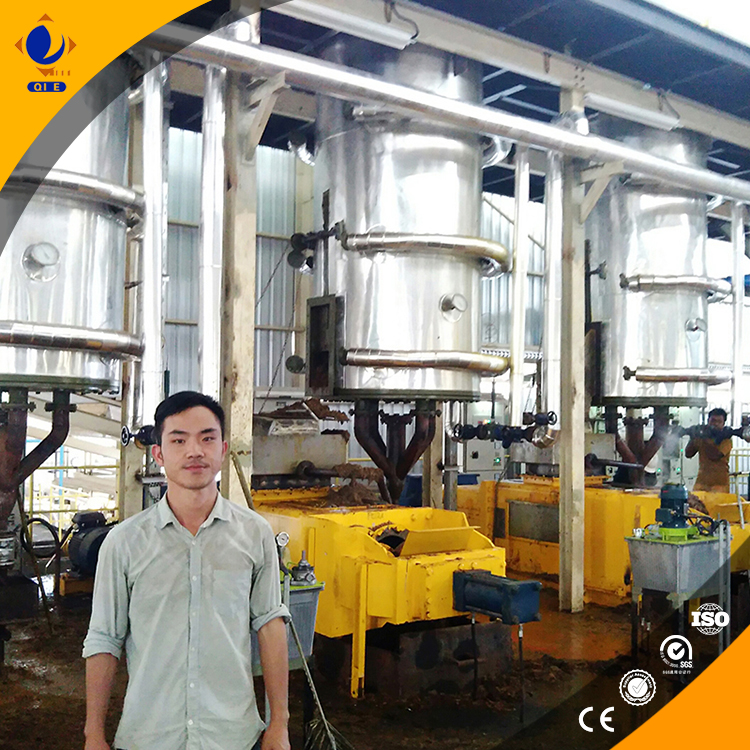
Airflow dehullers utilize a combination of impact force and pneumatic separation, making them ideal for lower moisture seeds (6-9% moisture content). This technology offers gentler processing, reducing kernel breakage to less than 3% while achieving dehulling rates of 93-95% in optimal conditions.
Critical parameters include air velocity (typically 12-18 m/s), impact plate angle (adjustable between 30-45 degrees), and aspiration efficiency. The technology provides excellent separation of hulls from kernels through density differential, reducing the burden on subsequent cleaning processes.
| Performance Metric | Roller-Type Dehullers | Airflow-Type Dehullers |
|---|---|---|
| Optimal Moisture Range | 8-12% | 6-9% |
| Typical Dehulling Efficiency | 94-96% | 93-95% |
| Kernel Breakage Rate | 4-6% | 2-3% |
| Energy Consumption | Higher (0.8-1.2 kWh/ton) | Lower (0.5-0.7 kWh/ton) |
| Maintenance Frequency | Moderate (bi-weekly roller checks) | Low (monthly filter cleaning) |
Selecting the appropriate technology requires careful analysis of seed characteristics, production volume, and quality requirements. Many large-scale facilities implement hybrid systems, utilizing roller dehullers for initial processing followed by airflow separation for final hull removal, achieving combined efficiencies up to 97%.
Even the most advanced dehulling equipment requires precise parameter adjustment and regular maintenance to maintain optimal performance. Based on field data from over 100 oil processing plants, facilities that implement structured optimization programs achieve 18% higher consistency in dehulling efficiency compared to those with ad-hoc adjustment practices.
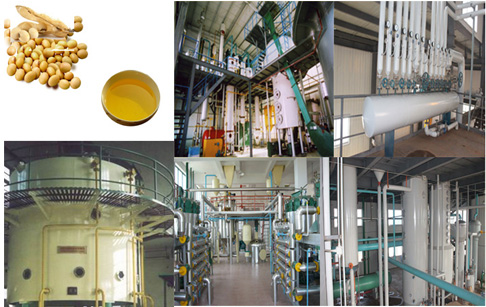
Case Study: A mid-sized European oil processor implemented these optimization strategies, resulting in dehulling efficiency improvement from 91% to 96.5%, reducing hull content in the kernel stream from 4.2% to 1.8%, and increasing overall oil yield by 3.2% within three months of implementation.
Effective dehulling doesn't operate in isolation but must be viewed as part of the entire production chain. The dehulling process directly impacts subsequent crushing, extraction, and refining operations. Properly dehulled seeds reduce wear on crushing equipment by up to 25% and improve solvent extraction efficiency by 4-6% due to better oil accessibility.
Modern dehulling systems from leading manufacturers like 企鹅集团 (Penguin Group) offer integrated process control that communicates with downstream equipment, allowing for real-time adjustments based on dehulling performance. This level of integration can reduce overall process variability by 30% while improving energy efficiency across the production line.

Achieving consistent dehulling efficiency requires the right equipment, proper operational practices, and ongoing process optimization. With over 20 years of experience in the oilseed processing industry, 企鹅集团 (Penguin Group) offers comprehensive solutions tailored to your specific production requirements.
Get Your Custom Dehulling Efficiency AnalysisOur team of process engineers will evaluate your current operation and provide personalized recommendations to提升 (improve) your dehulling performance and overall production efficiency.
Proper dehulling technology selection and operation represent more than just process optimization—they are strategic investments that directly impact your bottom line through improved yield, better product quality, and reduced operating costs. By implementing the principles and practices outlined in this guide, oil processors can achieve sustainable competitive advantage in the global edible oil market.
 311
|
311
|
 sunflower oil filtration equipment selection
industrial oil filtration
tar removal technology
automated oil filtration systems
equipment maintenance tips
102
|
Sunflower oil filtration equipment selection
Industrial oil filtration
Tar removal technology
Automated oil filtration equipment
Equipment maintenance tips
361
|
sunflower
oil
extraction
equipment
small
medium
oil
mill
equipment
selection
edible
oil
processing
safety
standards
food
grade
stainless
steel
oil
press
automatic
cleaning
oil
expeller
372
|
portable sunflower oil press
small farm oil processing
sunflower oil value addition
micro-processing equipment
community group buying oil sales
311
|
sunflower oil press maintenance
oil processing equipment care
oil press troubleshooting
industrial oil press upkeep
extend press machine lifespan
sunflower oil filtration equipment selection
industrial oil filtration
tar removal technology
automated oil filtration systems
equipment maintenance tips
102
|
Sunflower oil filtration equipment selection
Industrial oil filtration
Tar removal technology
Automated oil filtration equipment
Equipment maintenance tips
361
|
sunflower
oil
extraction
equipment
small
medium
oil
mill
equipment
selection
edible
oil
processing
safety
standards
food
grade
stainless
steel
oil
press
automatic
cleaning
oil
expeller
372
|
portable sunflower oil press
small farm oil processing
sunflower oil value addition
micro-processing equipment
community group buying oil sales
311
|
sunflower oil press maintenance
oil processing equipment care
oil press troubleshooting
industrial oil press upkeep
extend press machine lifespan
.jpg?x-oss-process=image/resize,h_800,m_lfit/format,webp)





.png?x-oss-process=image/resize,h_100,m_lfit/format,webp)
.png?x-oss-process=image/resize,h_100,m_lfit/format,webp)
.png?x-oss-process=image/resize,h_100,m_lfit/format,webp)