Small - batch production of sunflower oil often encounters a series of problems, such as unstable quality, high raw material waste, and difficult - to - control pressing cycles. In this article, we'll delve into the core pain points faced by families and small workshops in sunflower oil production. Drawing on real - world operating experience, we'll systematically share techniques for raw material batch management, strategies for optimizing the pressing cycle, methods for choosing between cold - pressing and hot - pressing processes, and how to reduce losses and maintain flavor consistency through refined operations.
When it comes to small - scale sunflower oil production, there are several common pain points. First, the output fluctuates greatly. Some batches may yield a large amount of oil, while others fall short, making it difficult to plan production. Second, the flavor of the oil is inconsistent. Different batches may have varying tastes, which can be a significant drawback for potential brand building. Third, the loss rate is high. A considerable amount of raw materials may be wasted during the production process, increasing costs.
Raw material batch management is crucial for small - batch sunflower oil production. The first step is to establish clear screening standards. For example, sunflower seeds should be free from mold, pests, and have a moisture content of around 8 - 10%. Storage conditions are also vital. Seeds should be stored in a cool, dry place with a temperature of about 10 - 15°C and a relative humidity of 50 - 60%. Additionally, strict control over the raw material ratio is necessary. By carefully blending different batches of seeds, you can ensure a more consistent flavor and quality of the final product.
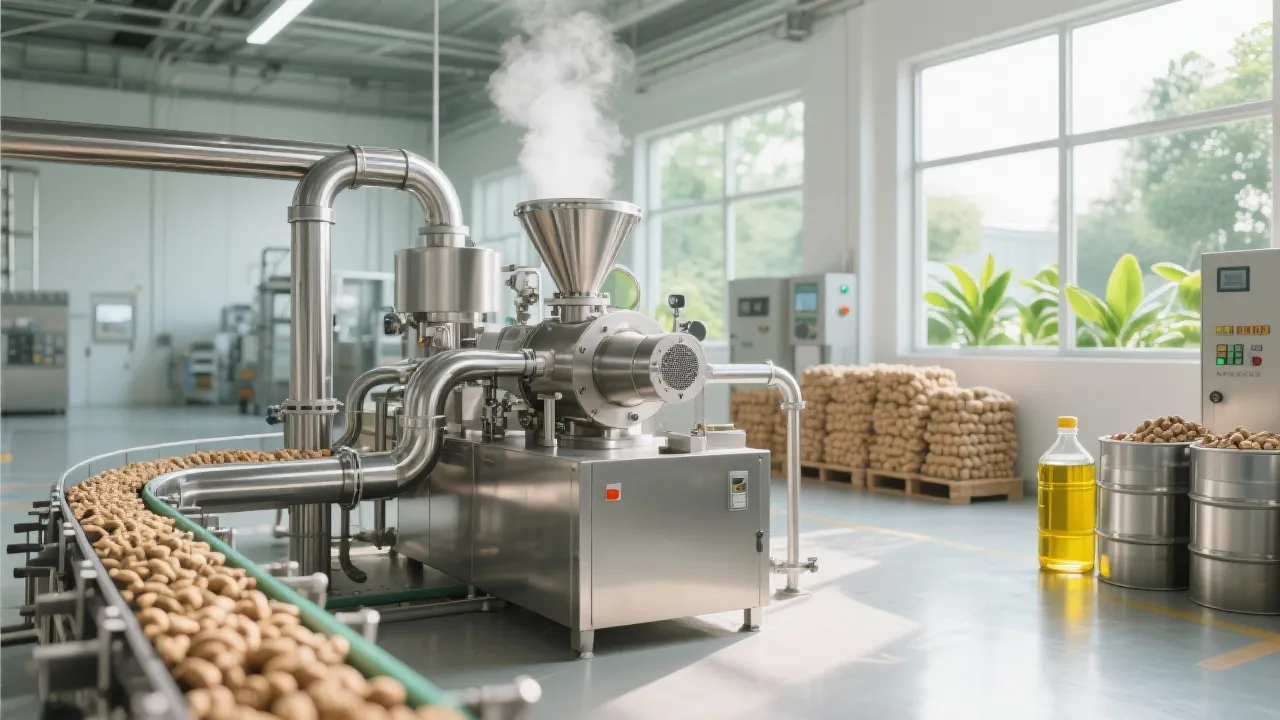
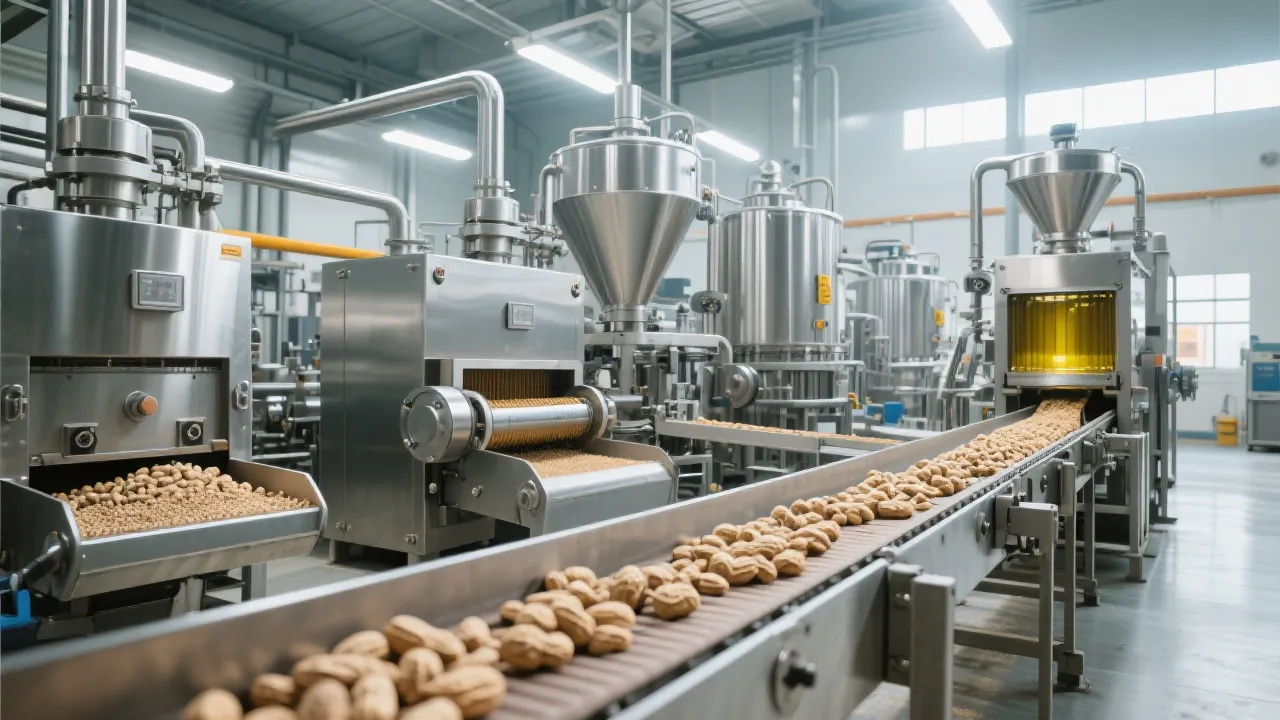
Optimizing the pressing cycle can significantly improve production efficiency and oil quality. Setting the right time window is essential. For most small - scale production, the pressing time can be around 30 - 60 minutes. Temperature regulation is another key factor. The ideal temperature for pressing sunflower seeds is between 40 - 60°C. Moreover, controlling the operation rhythm of the equipment can prevent over - working and reduce wear and tear. Our compact mechanical pressing technology ensures smooth and efficient operation during the pressing cycle, without the need for chemical additives.
The cold - pressing and hot - pressing processes have different advantages. Cold - pressing retains more nutrients in the oil, such as vitamin E and unsaturated fatty acids. However, the oil yield is relatively low, usually around 30 - 35%. On the other hand, hot - pressing offers higher oil output, reaching about 40 - 45%, but it may reduce the nutritional value to some extent. You should choose the process based on your production goals, whether it's to emphasize nutrition or oil yield.
To control losses and maintain flavor, regular cleaning of the equipment is necessary. Cleaning the press every 5 - 10 batches can prevent residue build - up and ensure smooth operation. Proper pre - treatment of materials, such as roasting the sunflower seeds at a low temperature for 15 - 20 minutes, can also improve oil yield and flavor. Additionally, controlling the environmental temperature and humidity can help maintain the stability of the production process.
We've developed a standardized operating procedure (SOP) template that is easy to replicate. This template includes detailed steps from raw material intake to the final oil bottling, ensuring that every batch of sunflower oil is produced with high quality and consistency.
We've set up a Q&A section and an experience - sharing forum for you to interact. Here, you can ask questions about sunflower oil production, share your own experiences, and learn from others. By participating in our community, you can continuously improve your production skills and move towards high - quality oil production.
 236
|
236
|
 Compact sunflower oil extractor
Small-scale grain and oil processing
High oil yield equipment
Sunflower oil processing skills
Agricultural machinery equipment
356
|
sunflower seed oil yield improvement
home oil press machine guide
mechanical pressing vs chemical extraction
small-scale oil extraction efficiency
home grain oil machinery
231
|
small sunflower seed oil press
home oil press machine
commercial oil expeller
sunflower oil extraction equipment
efficient oil pressing system
301
|
Small - scale sunflower oil press
Operating procedures of oil press
Maintenance techniques for sunflower oil press
Oil extraction efficiency
Green edible oil production
69
|
sunflower seed oil press
small farm oil extractor
compact oil press machine
home use oil press
affordable oil processing equipment
Compact sunflower oil extractor
Small-scale grain and oil processing
High oil yield equipment
Sunflower oil processing skills
Agricultural machinery equipment
356
|
sunflower seed oil yield improvement
home oil press machine guide
mechanical pressing vs chemical extraction
small-scale oil extraction efficiency
home grain oil machinery
231
|
small sunflower seed oil press
home oil press machine
commercial oil expeller
sunflower oil extraction equipment
efficient oil pressing system
301
|
Small - scale sunflower oil press
Operating procedures of oil press
Maintenance techniques for sunflower oil press
Oil extraction efficiency
Green edible oil production
69
|
sunflower seed oil press
small farm oil extractor
compact oil press machine
home use oil press
affordable oil processing equipment


.png?x-oss-process=image/resize,h_100,m_lfit/format,webp)
.png?x-oss-process=image/resize,h_100,m_lfit/format,webp)
.png?x-oss-process=image/resize,h_100,m_lfit/format,webp)