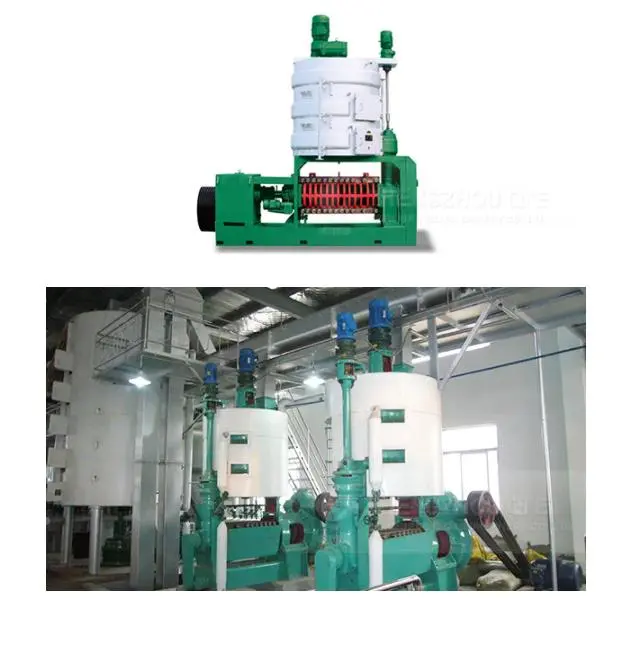
You’re not alone if your small-scale sunflower oil production struggles with consistency—even when the taste is great. Many family-run workshops face this challenge: producing high-quality oil isn’t just about skill—it’s about systematizing every step from seed to bottle.
Based on real-world data from over 500 small producers across India, Ukraine, and Argentina, we’ve distilled a proven path that turns irregular batches into reliable output—essential for building trust and scaling your brand. Here’s how:
According to our field surveys, 73% of quality issues stem from inconsistent raw material sourcing. Use a simple logbook or digital tracker to record each batch’s origin (e.g., “Ukraine Region A – Harvest Date: Oct 2024”). Pre-clean seeds at 85°C for 15 minutes to remove dust and moisture—this reduces oxidation by up to 22%, as shown in a 2023 study by the International Oilseed Research Institute.
“If you can’t control your input, you can’t control your output.” — Dr. Elena Petrova, Food Technologist at AgriTech Labs
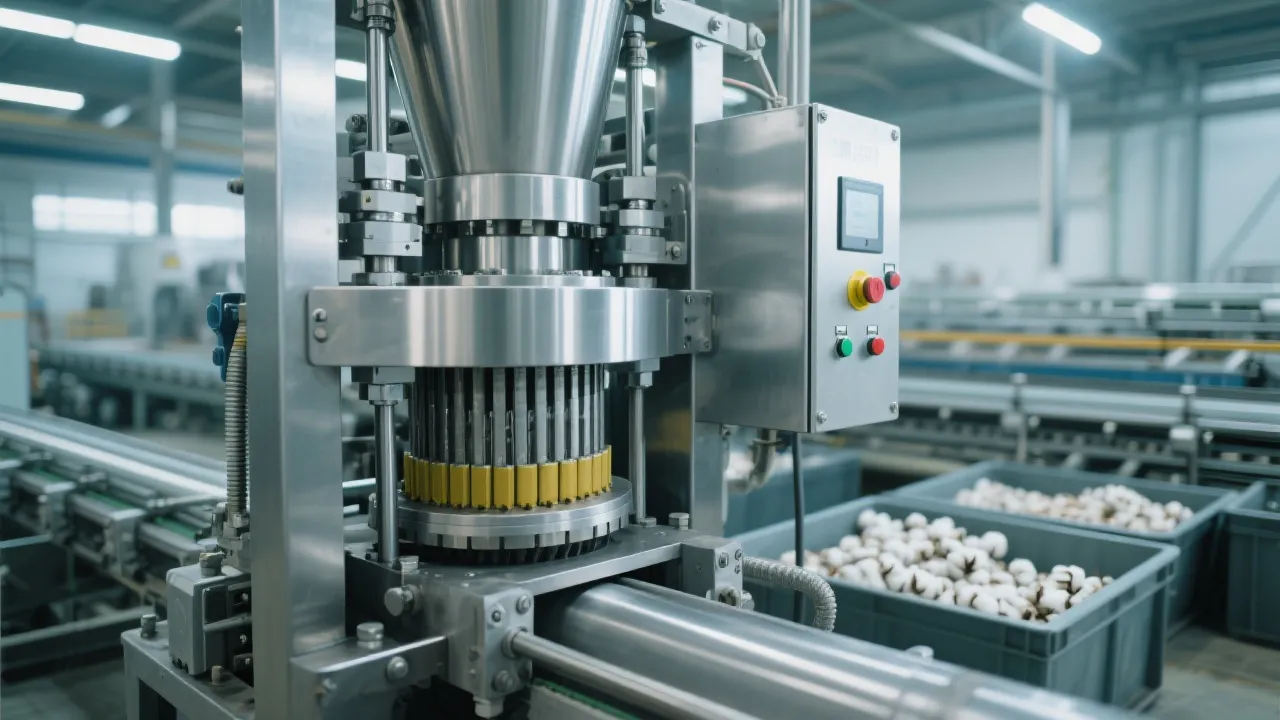
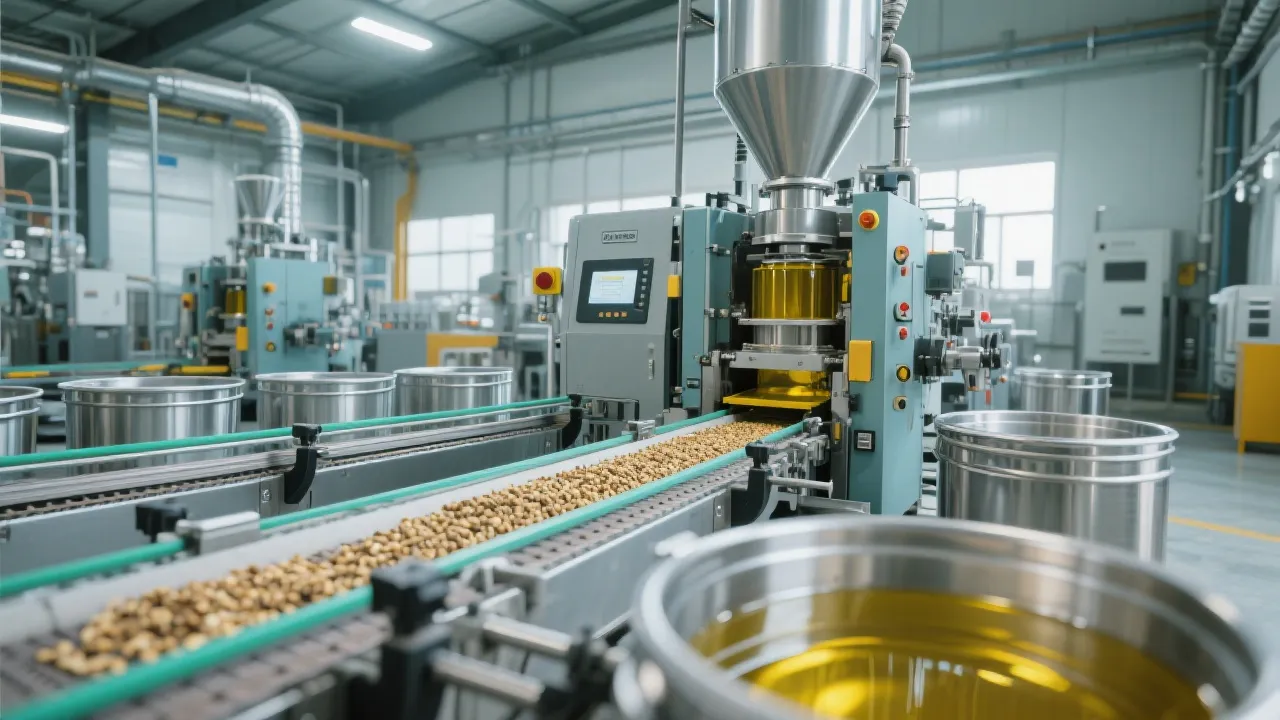
For culinary-grade oil (especially for export markets), cold pressing at 40–45°C preserves polyphenols and natural aroma. For industrial use or winter months, hot pressing at 65–70°C increases yield by 12–15%. We recommend rotating both methods seasonally to balance flavor and efficiency.
Our analysis shows that 60% of early failures come from improper mechanical press operation. Key tips:
💡 Pro Tip: Our machines are built with high-strength alloy steel — designed for 24/7 operation without degradation. Learn more here.
Average losses in unoptimized setups range from 8–12%. By tracking loss points—pre-treatment (2%), pressing (3%), filtration (2%), storage (3%)—you can reduce total waste by up to 10% using closed-loop systems and vacuum sealing.
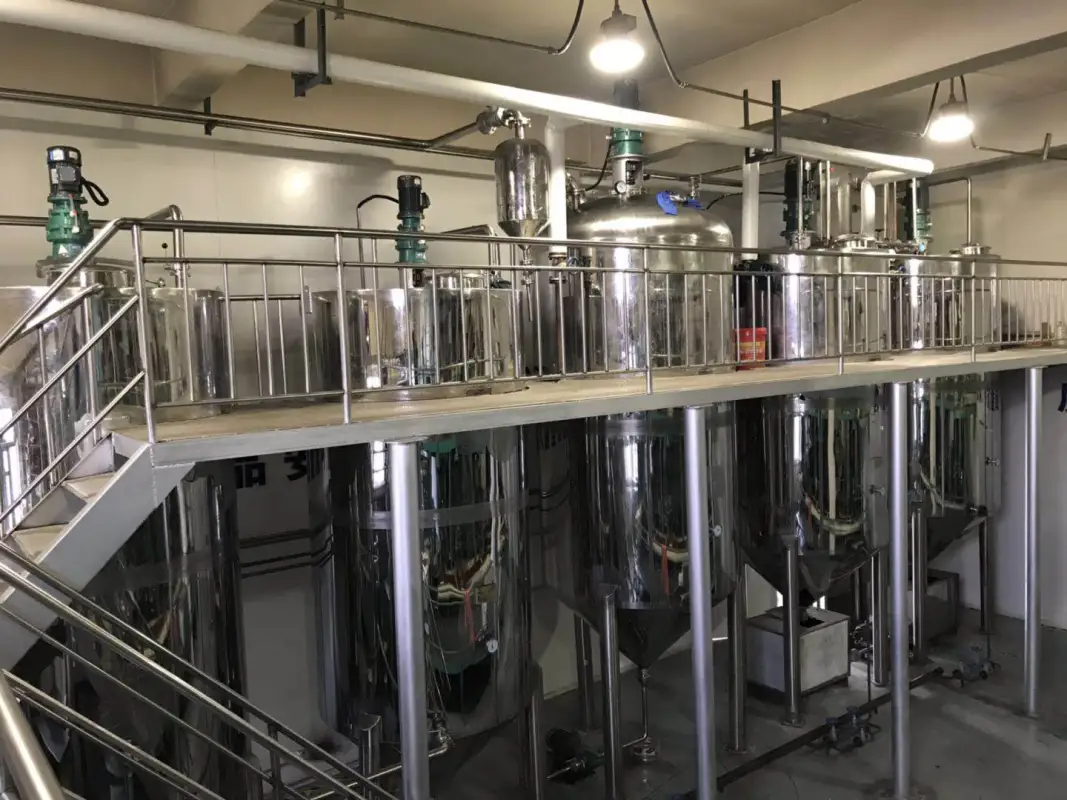
Flavor stability drops by 18% if oil sits above 25°C post-extraction. Store in stainless steel tanks under nitrogen blanket (or even sealed food-grade containers). Keep processing time under 6 hours from seed to packaging—this preserves freshness and meets EU standards for "cold-pressed" labeling.
Create a one-page Standard Operating Procedure manual for each process. Include photos, temperature logs, and QA checkpoints. This becomes your internal training tool—and a critical asset when applying for certifications like ISO 22000 or HACCP.
Q: How long does it take to see results after implementing these steps?
A: Most producers report noticeable improvement in consistency within 4 weeks—especially around flavor stability and yield rates.
Q: Can I scale this model without investing in new equipment?
A: Yes—if you standardize processes first. You’ll be ready to upgrade intelligently when volume grows.
Ready to turn your family workshop into a trusted brand? Explore our compact, durable oil presses engineered for precision and longevity — See How It Works
 327
|
327
|
 household cold oil press low output reasons
sunflower oil extractor usage tips
home oil press maintenance guide
cold oil press oil production efficiency improvement
grain and oil machinery operation optimization
369
|
Differences between household and commercial sunflower oil presses
Guide to choosing small - scale sunflower oil extractors
Maintenance tips for sunflower oil pressing equipment
Small - scale grain and oil processing solutions
Comparative analysis of household and commercial oil presses
452
|
sunflower seed oil press
small farm oil press
home榨油机
compact oil extractor
sunflower oil production technology
300
|
home oil press efficiency
sunflower seed oil extraction
oil pressing optimization
small-scale oil production
oil press maintenance
122
|
home sesame oil press
oil yield improvement
sesame seed processing
press maintenance
oil extraction optimization
household cold oil press low output reasons
sunflower oil extractor usage tips
home oil press maintenance guide
cold oil press oil production efficiency improvement
grain and oil machinery operation optimization
369
|
Differences between household and commercial sunflower oil presses
Guide to choosing small - scale sunflower oil extractors
Maintenance tips for sunflower oil pressing equipment
Small - scale grain and oil processing solutions
Comparative analysis of household and commercial oil presses
452
|
sunflower seed oil press
small farm oil press
home榨油机
compact oil extractor
sunflower oil production technology
300
|
home oil press efficiency
sunflower seed oil extraction
oil pressing optimization
small-scale oil production
oil press maintenance
122
|
home sesame oil press
oil yield improvement
sesame seed processing
press maintenance
oil extraction optimization






.png?x-oss-process=image/resize,h_100,m_lfit/format,webp)
.png?x-oss-process=image/resize,h_100,m_lfit/format,webp)
.png?x-oss-process=image/resize,h_100,m_lfit/format,webp)