
For small-scale sunflower oil producers aiming to enter or expand in international B2B markets, consistency in quality and efficiency isn’t just a goal—it’s the foundation of trust with overseas buyers. In this guide, we break down how a compact workshop can master the full processing chain—from raw material handling to final packaging—using proven methods that align with global food safety standards.
According to industry data from the International Olive Council (IOC), over 40% of small producers lose product value due to inconsistent batch quality. For export-focused operations, even minor variations in free fatty acid levels (FFA) or peroxide values can lead to rejected shipments. Implementing a simple but effective batch tracking system—like logging harvest date, moisture content, and oil yield per ton—can reduce rejection rates by up to 60%. Use digital spreadsheets or low-cost ERP tools like Odoo to maintain traceability without heavy investment.
While cold-pressed oils are preferred in EU and North American markets (especially for premium labels), hot pressing offers higher yields—up to 20% more per batch—and is ideal for bulk exports to Southeast Asia or Middle East. The key? Control temperature at 70–80°C during extraction to preserve flavor while maximizing output. Real-world case studies show that blending both methods based on target market demands boosts profit margins by an average of 15% annually.
A well-documented SOP (Standard Operating Procedure) reduces variability and improves team performance. One Indonesian producer using a structured workflow saw a 30% drop in waste and a 25% increase in customer satisfaction within six months. Include steps like pre-cleaning, optimal press pressure settings, and post-extraction filtration using activated carbon filters—a step often overlooked but critical for removing impurities that affect shelf life.
“The best machines don’t make perfect oil—they enable consistent processes. If your team follows the same steps every time, you’ll build reputation faster than any ad campaign.”
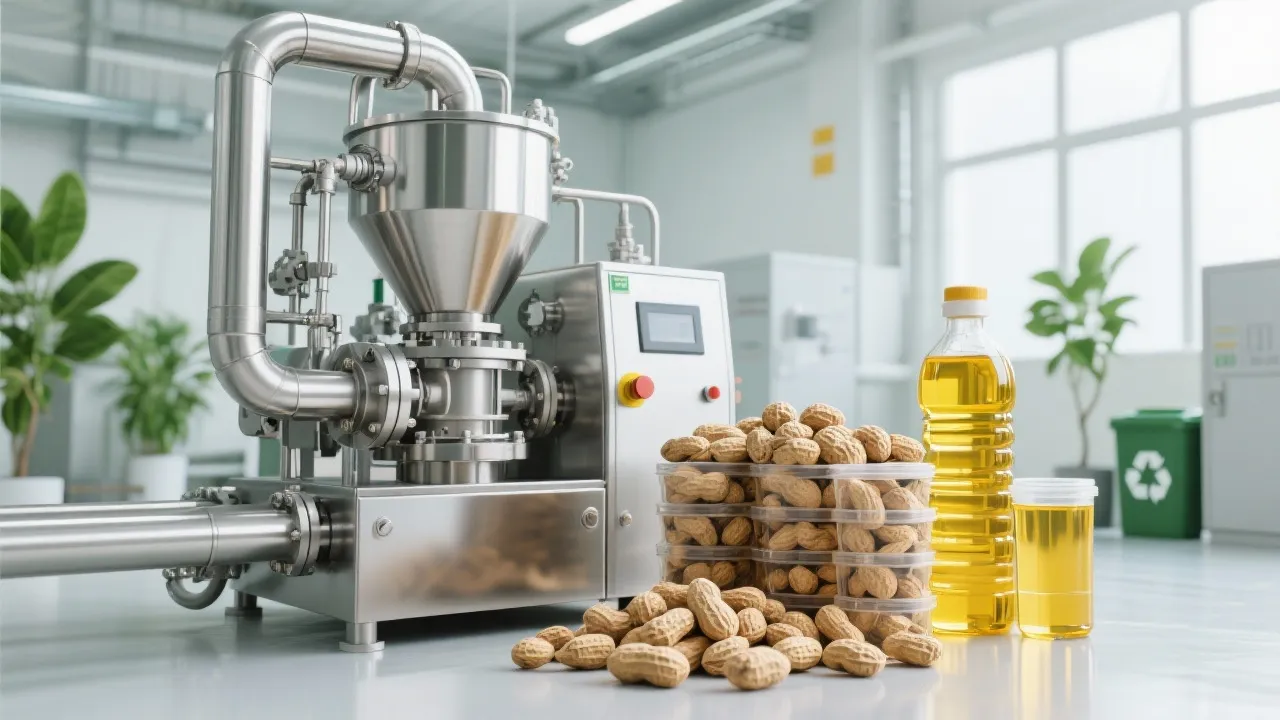
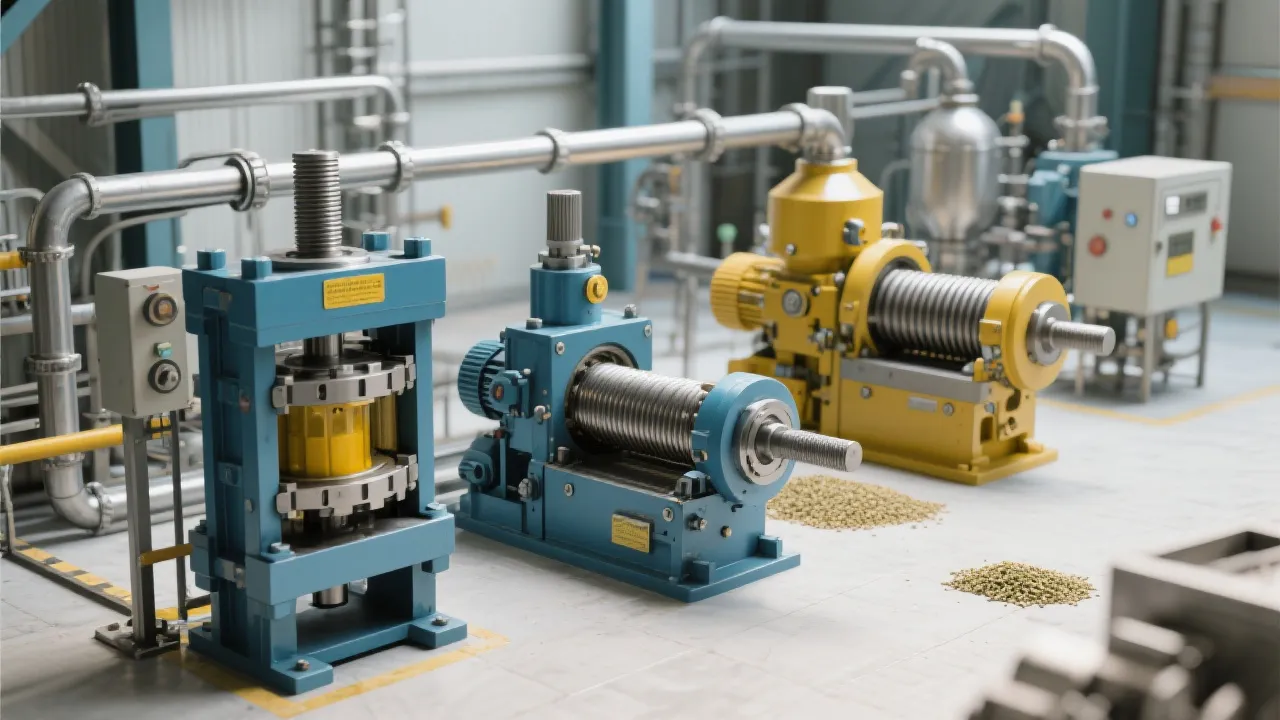
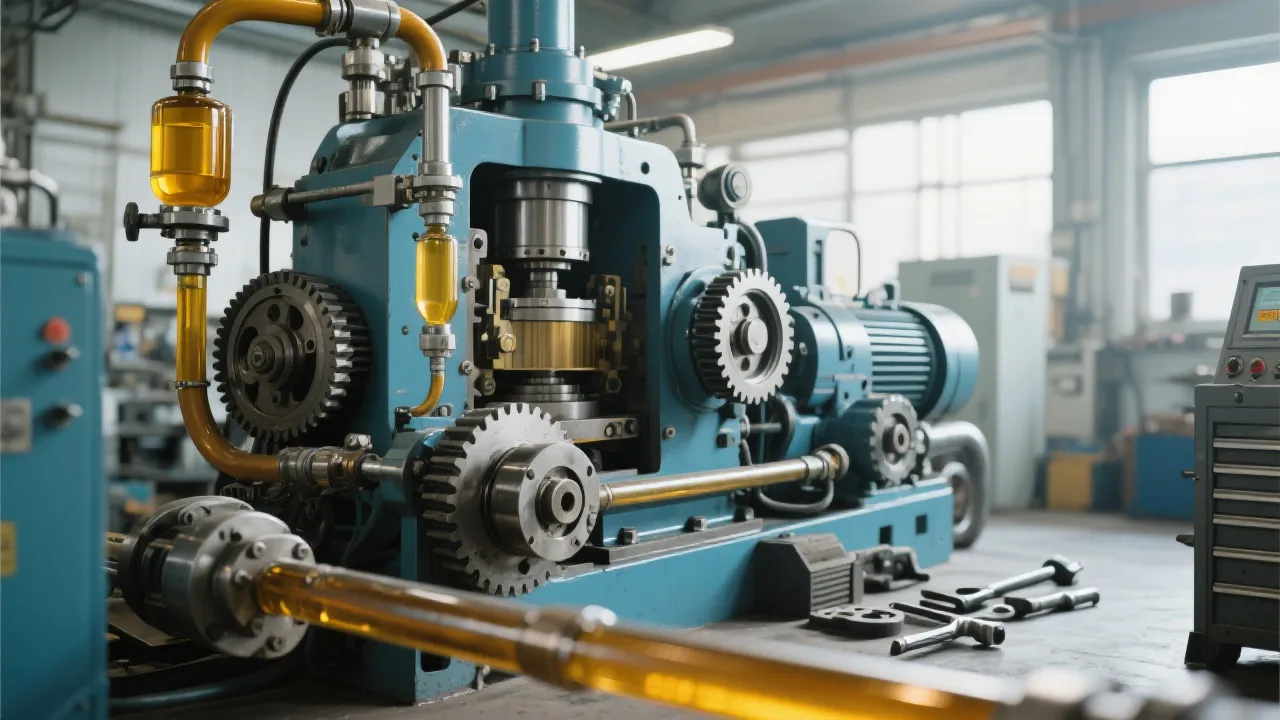
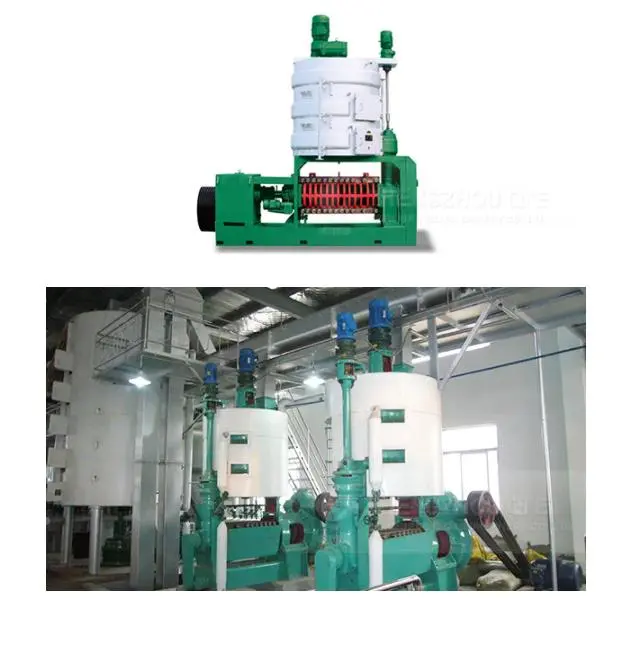
Enterprises like QIE Group offer compact mechanical presses designed specifically for micro-factories. These units handle 5–15 kg/hour of seeds efficiently, fit into limited spaces, and require minimal training. Unlike traditional large-scale systems, they allow flexible production runs tailored to seasonal demand spikes—ideal for B2B buyers looking for reliable, small-batch supply chains.
Want to see real-world examples from successful exporters? Join our monthly Q&A forum where producers share their top tips—no fluff, just actionable insights.
 403
|
403
|
 Sunflower seed oil press low oil yield
Household oil press efficiency improvement
Pressing process optimization guide
Sunflower seed oil production techniques
Grain and oil machinery maintenance
374
|
Sunflower seed oil yield improvement techniques
Household oil press usage guide
Small oil press oil yield optimization
Mechanical pressing technology
Sunflower oil extraction machine operation
135
|
Household sunflower oil press
Commercial small - scale oil press
Sunflower oil extraction efficiency
Small - scale oil press purchasing guide
Household grain and oil processing equipment
408
|
Sunflower oil small - batch production
Raw material batch management
Pressing cycle optimization
Cold - pressing and hot - pressing processes
Household oil pressing equipment
154
|
sunflower seed oil yield improvement
home oil press guide
small oil press efficiency
mechanical pressing vs chemical extraction
sunflower oil extraction process
Sunflower seed oil press low oil yield
Household oil press efficiency improvement
Pressing process optimization guide
Sunflower seed oil production techniques
Grain and oil machinery maintenance
374
|
Sunflower seed oil yield improvement techniques
Household oil press usage guide
Small oil press oil yield optimization
Mechanical pressing technology
Sunflower oil extraction machine operation
135
|
Household sunflower oil press
Commercial small - scale oil press
Sunflower oil extraction efficiency
Small - scale oil press purchasing guide
Household grain and oil processing equipment
408
|
Sunflower oil small - batch production
Raw material batch management
Pressing cycle optimization
Cold - pressing and hot - pressing processes
Household oil pressing equipment
154
|
sunflower seed oil yield improvement
home oil press guide
small oil press efficiency
mechanical pressing vs chemical extraction
sunflower oil extraction process








.png?x-oss-process=image/resize,h_100,m_lfit/format,webp)
.png?x-oss-process=image/resize,h_100,m_lfit/format,webp)
.png?x-oss-process=image/resize,h_100,m_lfit/format,webp)


.jpg?x-oss-process=image/resize,h_800,m_lfit/format,webp)
