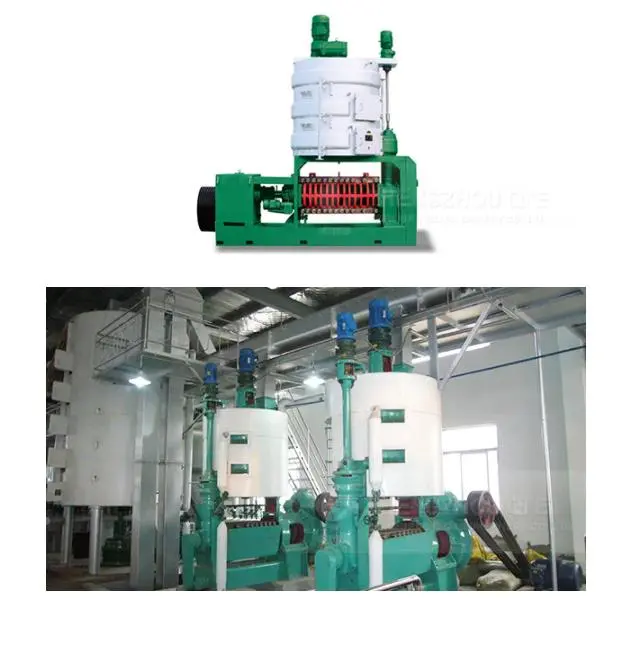
In the competitive landscape of edible oil processing, the efficiency and longevity of your sunflower oil press directly impact your bottom line. A well-maintained oil press can increase production output by up to 15% while reducing unexpected downtime by 40%, according to industry research. This comprehensive guide from Qie Group outlines five essential maintenance procedures that will help your facility achieve consistent performance and maximize return on investment.
Industry Insight:
A recent survey of 200 medium-sized oil processing plants revealed that facilities implementing a structured maintenance program experienced 37% fewer major breakdowns and extended equipment lifespan by an average of 3.5 years compared to those with reactive maintenance approaches.
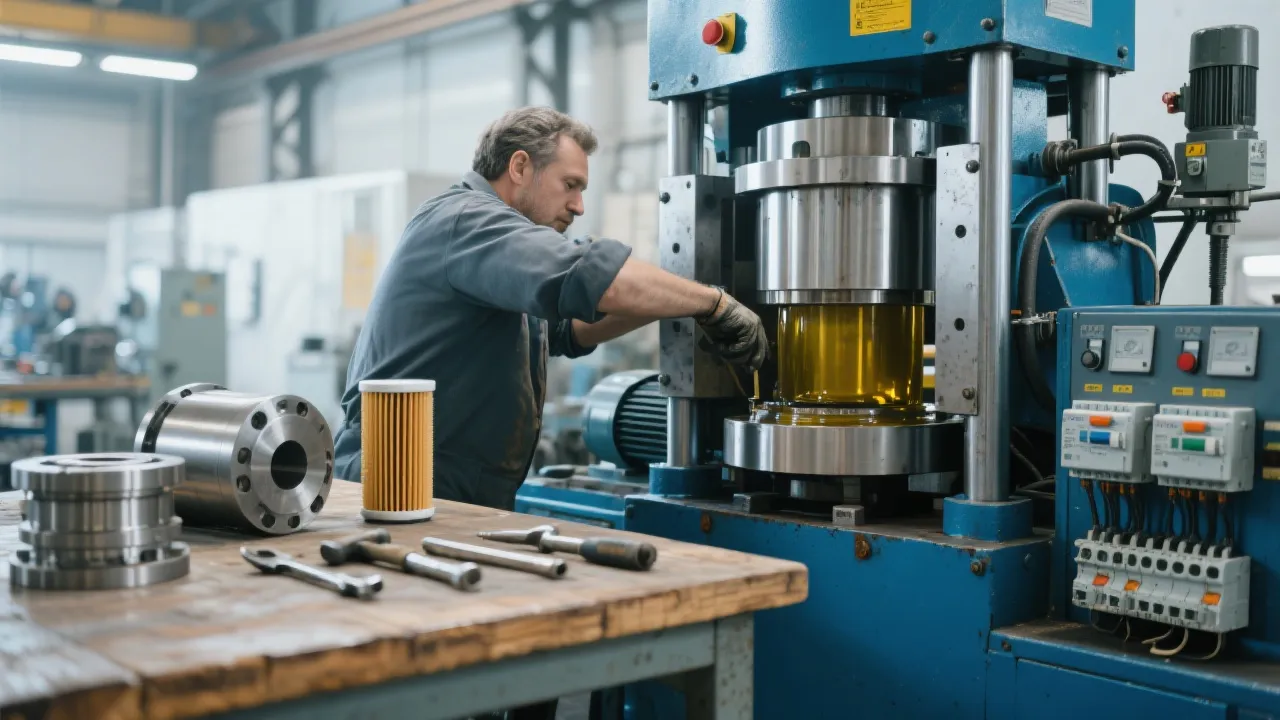
The transmission system serves as the heart of your sunflower oil press, requiring meticulous lubrication to minimize friction and heat generation. Operators should inspect lubrication points every 200 operating hours and perform complete oil changes every 1,500 hours under standard operating conditions.
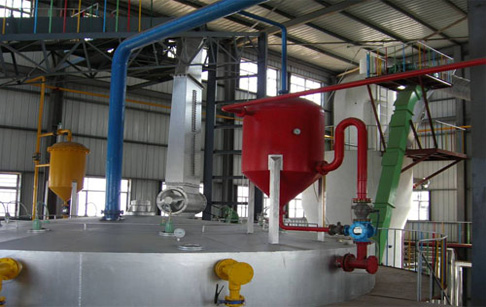
Residual oil and seed particles accumulate in the pressing chamber over time, reducing efficiency and potentially contaminating subsequent batches. Implement a rigorous cleaning schedule based on production volume:
| Production Volume | Cleaning Frequency | Cleaning Method |
|---|---|---|
| Low (<500 kg/day) | Every 3 days | Brush cleaning + hot water rinse |
| Medium (500-1000 kg/day) | Every 48 hours | Complete disassembly + solvent cleaning |
| High (>1000 kg/day) | Daily | CIP system + brush cleaning |
A Ukrainian sunflower oil processor experienced a 30% drop in extraction efficiency after 6 weeks of continuous operation without proper chamber cleaning. The resulting build-up required a complete system shutdown for 48 hours, resulting in production losses exceeding $12,000 and additional repair costs of $3,500. Implementation of a daily cleaning protocol restored efficiency and eliminated similar issues.
Accurate pressure measurement is critical for maintaining optimal extraction rates and oil quality. Pressure sensors should be calibrated every 3 months using a certified calibration tool. This procedure ensures that the press operates within the optimal pressure range of 25-35 MPa for sunflower seed processing.
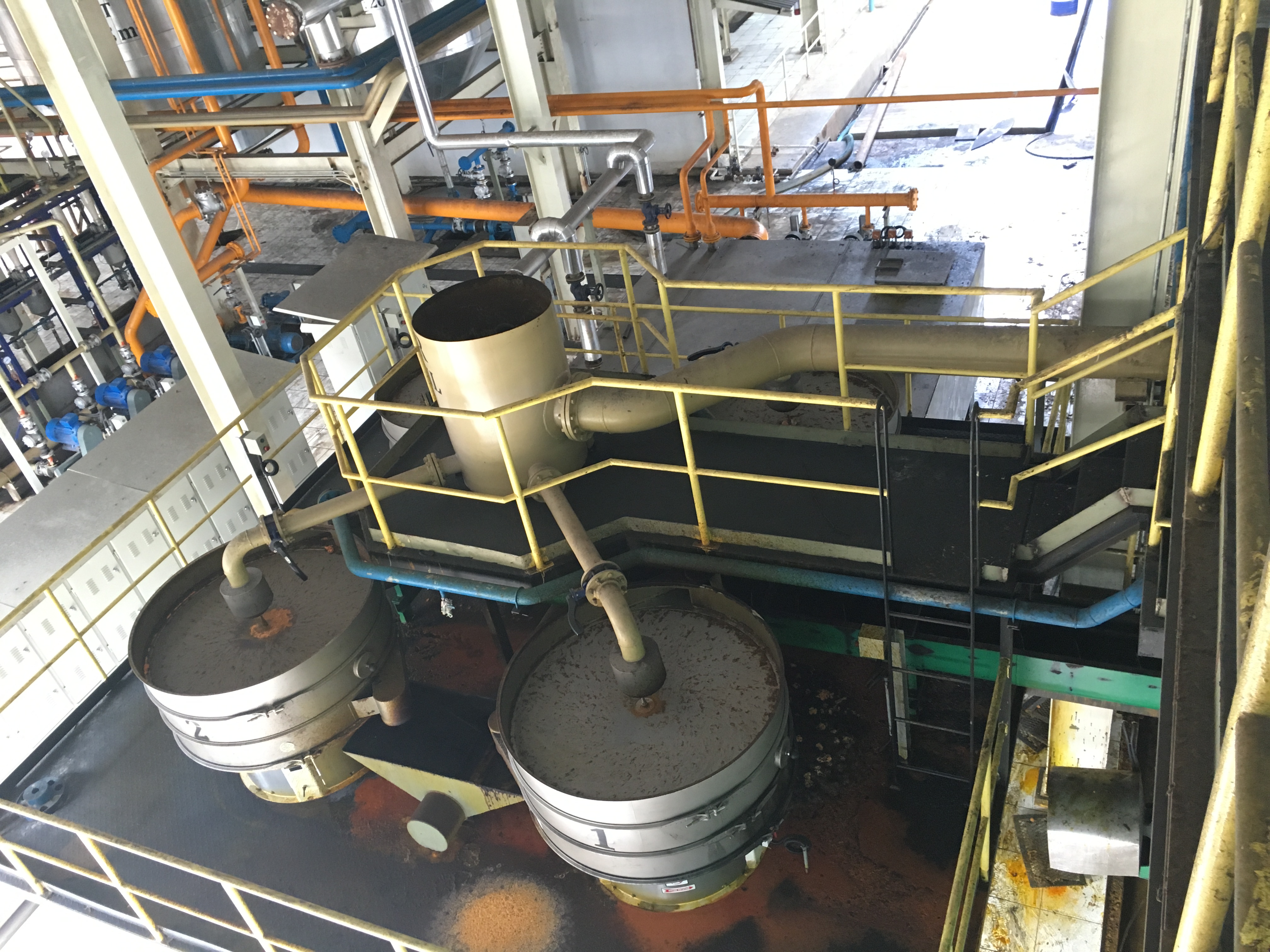
Electric motor failure represents one of the most costly and disruptive maintenance issues in oil processing facilities. Implement a proactive monitoring system to track motor temperature during operation. Normal operating temperature should remain between 40°C and 65°C, with maximum allowable temperature not exceeding 80°C.
Install thermal sensors at three critical points: stator windings, bearing housing, and motor casing. Record temperatures hourly during operation and establish baseline values. A temperature increase of more than 10°C above baseline indicates potential issues requiring immediate attention.
Warning Signs Requiring Immediate Action:
Effective filtration ensures oil quality and protects downstream equipment from particulate contamination. The frequency of filter replacement depends on several factors including seed quality, processing volume, and desired oil clarity. As a general guideline, primary filters should be inspected daily and replaced when pressure differential exceeds 1.5 bar.
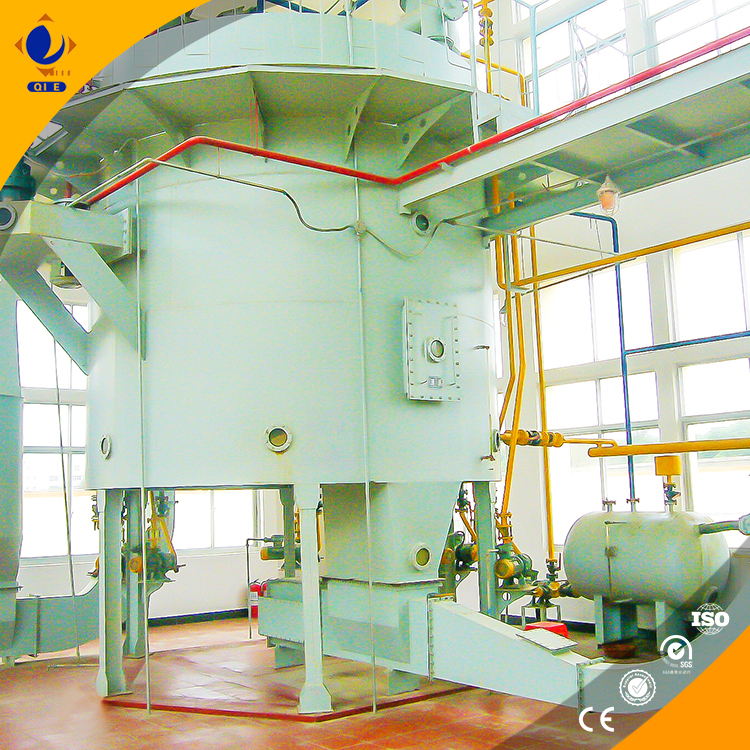
For optimal performance, implement a filter rotation schedule and maintain a sufficient inventory of replacement filters. Consider upgrading to self-cleaning filter systems for high-volume operations, which can reduce maintenance time by up to 60% while improving filtration consistency.
Our industrial sunflower oil presses are engineered for durability and designed for easy maintenance, helping you reduce operational costs while maximizing productivity. With Qie Group's global technical support network, you'll have access to expert assistance whenever you need it.
Download Your Comprehensive Maintenance ChecklistRemember that preventive maintenance is an investment that pays significant dividends in reduced downtime, improved product quality, and extended equipment lifespan. By implementing these five critical maintenance steps, your facility can achieve consistent production levels and maintain a competitive edge in the global edible oil market.
For facilities seeking to optimize their maintenance programs further, consider implementing a computerized maintenance management system (CMMS) to track maintenance activities, schedule preventive tasks, and analyze performance data. This data-driven approach can identify patterns and optimize maintenance intervals based on actual equipment performance rather than generic schedules.
 350
|
350
|
 small sunflower seed oil press machine
household vs commercial oil press
small farm oil extraction equipment
sunflower oil extraction technology
compact oil press machine
158
|
home sunflower seed oil press
commercial small oil press
sunflower seed oil extraction machine
small farm oil production equipment
oil press maintenance guide
168
|
Sunflower oil production
Small - scale grain and oil processing
Mechanical pressing equipment
Raw material batch management
Pressing cycle optimization
446
|
sunflower oil extractor
stainless steel oil press
small scale oil extraction machine
home oil press
African agricultural machinery
61
|
sunflower oil filtration equipment
industrial oil filtration systems
tar removal technology
automated oil filtering
oil processing equipment
small sunflower seed oil press machine
household vs commercial oil press
small farm oil extraction equipment
sunflower oil extraction technology
compact oil press machine
158
|
home sunflower seed oil press
commercial small oil press
sunflower seed oil extraction machine
small farm oil production equipment
oil press maintenance guide
168
|
Sunflower oil production
Small - scale grain and oil processing
Mechanical pressing equipment
Raw material batch management
Pressing cycle optimization
446
|
sunflower oil extractor
stainless steel oil press
small scale oil extraction machine
home oil press
African agricultural machinery
61
|
sunflower oil filtration equipment
industrial oil filtration systems
tar removal technology
automated oil filtering
oil processing equipment





.jpg?x-oss-process=image/resize,h_800,m_lfit/format,webp)


.png?x-oss-process=image/resize,h_100,m_lfit/format,webp)
.png?x-oss-process=image/resize,h_100,m_lfit/format,webp)
.png?x-oss-process=image/resize,h_100,m_lfit/format,webp)