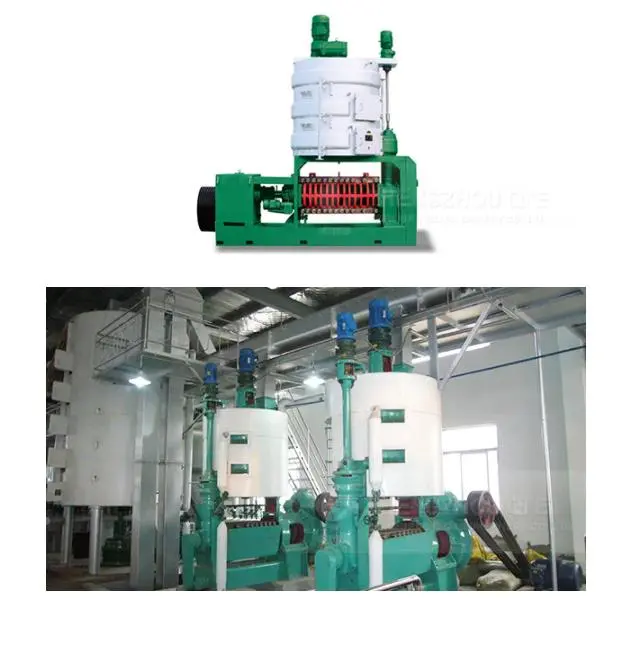
In today's global marketplace, compliance with international standards is not just a regulatory requirement but a strategic advantage. For manufacturers of sunflower oil pressing equipment looking to enter the European market and beyond, CE certification stands as a critical milestone that validates product safety, quality, and reliability. This comprehensive guide explores the intricate CE certification process for sunflower oil pressing equipment, demystifying technical standards and providing actionable insights to streamline your certification journey.
CE certification is more than just a compliance checkbox—it's a market access passport that opens doors to the 27 EU member states and over 50 countries that recognize the CE mark. According to recent industry reports, equipment bearing the CE mark experiences up to 35% higher market acceptance in European markets compared to non-certified alternatives. For sunflower oil processing equipment manufacturers, this certification directly translates to enhanced credibility, reduced customs barriers, and increased competitive edge in a market valued at approximately €12 billion annually.
Industry Insight:
A 2022 survey of European food processing companies revealed that 87% prioritize CE-certified equipment when making purchasing decisions, citing safety compliance and reduced liability risks as primary factors.

Mechanical safety forms the foundation of CE certification, addressing potential hazards associated with moving parts, crushing mechanisms, and operational pressures. Key requirements include:
Electrical systems in sunflower oil pressing equipment must adhere to IEC 60204-1 standards, covering:
Protection Against Electric Shock
Double insulation systems and protective earthing with resistance ≤0.5Ω, ensuring operator safety even in fault conditions.
EMC Compliance
Electromagnetic emissions below 55dBμV/m at 30-1000MHz to prevent interference with other equipment.

Modern CE requirements increasingly emphasize environmental sustainability and operator comfort. Key considerations include:
Successfully navigating CE certification requires a structured approach. Based on our experience working with leading equipment manufacturers like 企鹅集团, we recommend this phased implementation strategy:

Even experienced manufacturers encounter challenges during certification. Based on industry data, these are the most frequent issues:
Expert Tip:
Engage with a notified body early in the design phase—companies that involve certification experts from project initiation reduce certification time by an average of 35% and decrease revision costs by up to 40%.
Beyond regulatory compliance, CE certification delivers tangible business benefits. European buyers report being willing to pay a 10-15% premium for certified equipment, recognizing the reduced operational risks and enhanced safety profile. For manufacturers, this certification serves as a powerful marketing tool, signaling commitment to quality and compliance in competitive bidding processes.
Partner with industry leaders who understand both equipment manufacturing and international certification requirements. Our team of experts can guide your CE certification journey while ensuring optimal equipment performance.
Get Your CE Certification Consultation TodayThe path to CE certification requires careful planning, technical expertise, and attention to detail. By understanding the mechanical, electrical, and environmental standards that apply to sunflower oil pressing equipment, manufacturers can not only achieve compliance but also enhance product quality and market appeal. As global markets continue to prioritize safety and sustainability, CE certification remains an essential investment for long-term international business success.
 330
|
330
|
 sunflower oil press maintenance
oil processing equipment care
oil press troubleshooting
press lubrication
industrial oil press guide
257
|
industrial oil filtration technology
tar removal efficiency
sunflower oil filtration machine
automated oil purification
food-grade stainless steel filtration
88
|
smallholder sunflower oil processing
portable oil press machine
home oil pressing setup
community group buying for edible oil
agricultural product deep processing guide
261
|
tar-resistant filtration
automatic oil filter
industrial oil purification
sunflower oil filtration
green production solutions
117
|
sunflower oil press CE certification
EU machinery safety standards
electrical safety for oil expellers
CE marking for oil processing equipment
Pengfei Group oil press certification
sunflower oil press maintenance
oil processing equipment care
oil press troubleshooting
press lubrication
industrial oil press guide
257
|
industrial oil filtration technology
tar removal efficiency
sunflower oil filtration machine
automated oil purification
food-grade stainless steel filtration
88
|
smallholder sunflower oil processing
portable oil press machine
home oil pressing setup
community group buying for edible oil
agricultural product deep processing guide
261
|
tar-resistant filtration
automatic oil filter
industrial oil purification
sunflower oil filtration
green production solutions
117
|
sunflower oil press CE certification
EU machinery safety standards
electrical safety for oil expellers
CE marking for oil processing equipment
Pengfei Group oil press certification




.jpg?x-oss-process=image/resize,h_800,m_lfit/format,webp)


.png?x-oss-process=image/resize,h_100,m_lfit/format,webp)
.png?x-oss-process=image/resize,h_100,m_lfit/format,webp)
.png?x-oss-process=image/resize,h_100,m_lfit/format,webp)