Entering the European market with industrial sunflower oil press equipment requires more than just quality machinery—it demands compliance with rigorous safety and environmental standards. CE certification, a mandatory requirement for machinery sold within the EU, serves as your product's passport to 27 member states and a testament to its safety and reliability. For manufacturers like 企鹅集团 (QIE Group), understanding the CE certification process isn't just about legal compliance; it's a strategic investment that can increase market access by up to 40% according to EU trade statistics.
"CE marking is not just a technical requirement but a trust signal that reassures European buyers of your product's adherence to the highest safety standards." — European Machinery Directive (2006/42/EC)
Without CE certification, your sunflower oil press equipment cannot legally be sold, imported, or used within the European Economic Area (EEA). Beyond legal compliance, certification offers tangible business benefits: EU buyers are 67% more likely to choose CE-marked products over non-certified alternatives, according to a 2023 EU market research report. It also reduces liability risks—CE marking demonstrates due diligence in ensuring product safety, which is critical in the event of accidents or product liability claims.

Mechanical safety forms the foundation of CE certification for industrial oil presses. Key requirements include:
A common mistake manufacturers make is underestimating the importance of guard interlock systems. In 2022, 32% of certification failures for oil press equipment were due to inadequate interlock mechanisms that failed to stop operation when guards are removed, according to data from TÜV Rheinland.
Electrical safety is equally critical, with standards covering everything from wiring to electromagnetic compatibility:
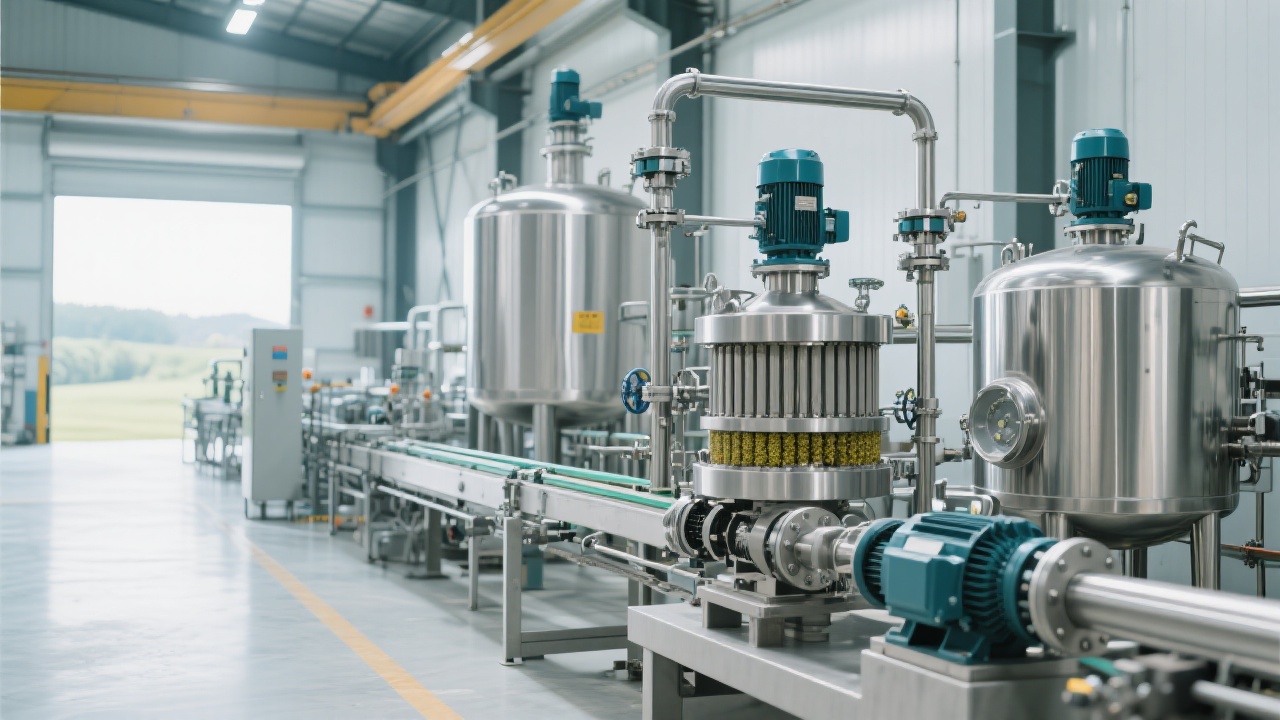
Modern CE certification increasingly emphasizes environmental considerations. For sunflower oil press equipment, this includes:
Material Safety: All materials in contact with food must comply with EU Regulation (EC) No 10/2011, ensuring no migration of harmful substances into the oil. This is particularly critical for press components like screw shafts and oil collection systems.
Waste Management: Equipment must include systems for safe collection and disposal of waste materials, with clear documentation on waste types and disposal methods. According to EU waste directives, oil press manufacturers must provide a waste management plan for equipment lifespan exceeding 10 years.
Many manufacturers fail certification not due to technical issues, but inadequate documentation. Your Technical File must include: design calculations, test reports, user manuals in all EU languages, and a Declaration of Conformity signed by a company representative.
Working with a notified body early in the design process can reduce certification time by up to 40%. Look for bodies with specific experience in agricultural machinery certification, such as SGS, TÜV, or BSI. These organizations can provide pre-assessment services that identify potential issues before formal testing.
Maintaining compliance doesn't end with certification. The EU's "market surveillance" system means authorities can conduct unannounced inspections of products on the market. Regular updates to your Technical File and keeping abreast of standard revisions (typically every 3-5 years) is essential for ongoing market access.
企鹅集团 (QIE Group) offers CE-compliant oil press equipment with full technical support throughout the certification process. Our engineering team has helped over 120 clients successfully enter EU markets since 2015.
Download Our EU Market Entry GuideRemember, CE certification is more than a regulatory hurdle—it's a competitive advantage that demonstrates your commitment to safety, quality, and environmental responsibility. By investing in proper certification, you're not just gaining access to the EU market; you're building trust with buyers who prioritize合规 (compliance) and reliability in their equipment suppliers.
 310
|
310
|
 industrial oil filtration technology
tar removal efficiency
automatic oil filter machine
food-grade stainless steel filter
industrial oil purification solution
487
|
home oil press maintenance mistakes
oil extraction efficiency tips
how to clean oil press filter
improve home榨油机 performance
family-sized oil press care
359
|
Household oil press
Sunflower seed oil extraction
Oil yield improvement
Pressing oil equipment maintenance
Raw material pre - treatment
99
|
industrial oil filtration technology
tar removal efficiency
fully automated oil filtration system
food-grade stainless steel filter
oil purification solutions
232
|
Sunflower oil press
Small - scale grain and oil processing
Cold pressing process
Hot pressing process
Loss control
industrial oil filtration technology
tar removal efficiency
automatic oil filter machine
food-grade stainless steel filter
industrial oil purification solution
487
|
home oil press maintenance mistakes
oil extraction efficiency tips
how to clean oil press filter
improve home榨油机 performance
family-sized oil press care
359
|
Household oil press
Sunflower seed oil extraction
Oil yield improvement
Pressing oil equipment maintenance
Raw material pre - treatment
99
|
industrial oil filtration technology
tar removal efficiency
fully automated oil filtration system
food-grade stainless steel filter
oil purification solutions
232
|
Sunflower oil press
Small - scale grain and oil processing
Cold pressing process
Hot pressing process
Loss control








.png?x-oss-process=image/resize,h_100,m_lfit/format,webp)
.png?x-oss-process=image/resize,h_100,m_lfit/format,webp)
.png?x-oss-process=image/resize,h_100,m_lfit/format,webp)