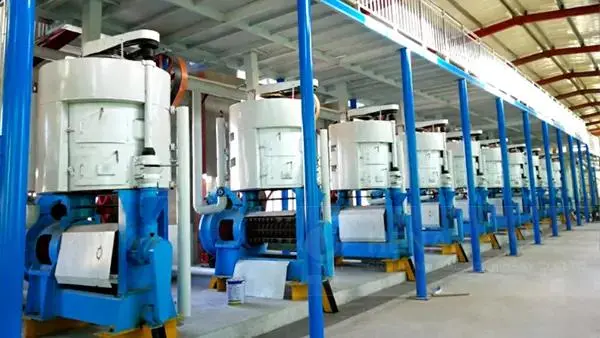
In the production of cosmetic-grade sunflower oil, achieving superior purity and quality hinges on sophisticated filtration processes. This article offers an in-depth technical guide on the selection criteria and maintenance strategies for industrial sunflower oil filtration equipment. It emphasizes core parameters such as tar removal efficiency, utilization of food-grade stainless steel materials, automation capabilities, and matching equipment capacity to production needs. Presented herein are proven operational insights, fault prevention methods, and practical tips to boost product quality and operational throughput for businesses in the edible oil and cosmetics raw material sectors.
Effective filtration systems for sunflower oil must address specific industrial challenges, primarily the removal of tar-like impurities which impact oil clarity and suitability for cosmetic applications. The following technical factors are critical in equipment selection:
Different filtration technologies, including candle filters, leaf filters, and pressure leaf filters, offer varying balances between ease of maintenance, filtration precision, and scalability:
Combining these technologies with tailored filter aids improves impurity entrapment. For example, integrating activated carbon in polishing filters further reduces color and odor compounds, enhancing cosmetic-grade oil quality.
Long-term stable operation requires rigorous maintenance schedules and proactive fault detection strategies:
Sunflower oil used in cosmetics demands stringent purification to remove trace contaminants that affect skin safety and product texture. The same filtration principles apply in edible oil refining. Companies often encounter challenges such as variable raw seed quality, process scale, and fluctuating input tar levels; an adaptive filtration system eases these pressures.
For instance, a European cosmetic oil manufacturer reported a 25% enhancement in filtration throughput and a 40% reduction in unplanned downtime after upgrading to automated pressure leaf filters featuring 316L stainless steel construction and real-time monitoring.
Selecting filtration equipment is a strategic investment that influences product quality and operational efficiency. Key considerations include expected throughput, impurity load, integration with existing processing lines, and vendor support.
Industry-Leading Equipment from QIE Group offers cutting-edge filtration units designed with modular automation, premium food-grade materials, and scalable capacities suitable for cosmetic sunflower oil purification. Their worldwide technical support and comprehensive after-sales service streamline the installation and ongoing operation phase.
 326
|
326
|
 compact sunflower oil press
small workshop oil production
mechanical oil extraction
cold pressing technique
home oil expeller
468
|
sunflower seed oil press machine
household oil press
commercial oil press
small farm oil processing
sunflower seed oil equipment maintenance
135
|
Household sunflower oil press
Commercial small - scale oil press
Sunflower oil extraction efficiency
Small - scale oil press purchasing guide
Household grain and oil processing equipment
148
|
small farm sunflower seed oil press
home oil press machine
commercial sunflower oil extractor
DIY sunflower oil making
agricultural equipment selection
433
|
sunflower oil press operation
oil yield optimization techniques
small oil press maintenance
green edible oil production
sunflower seed processing equipment
compact sunflower oil press
small workshop oil production
mechanical oil extraction
cold pressing technique
home oil expeller
468
|
sunflower seed oil press machine
household oil press
commercial oil press
small farm oil processing
sunflower seed oil equipment maintenance
135
|
Household sunflower oil press
Commercial small - scale oil press
Sunflower oil extraction efficiency
Small - scale oil press purchasing guide
Household grain and oil processing equipment
148
|
small farm sunflower seed oil press
home oil press machine
commercial sunflower oil extractor
DIY sunflower oil making
agricultural equipment selection
433
|
sunflower oil press operation
oil yield optimization techniques
small oil press maintenance
green edible oil production
sunflower seed processing equipment









.png?x-oss-process=image/resize,h_100,m_lfit/format,webp)
.png?x-oss-process=image/resize,h_100,m_lfit/format,webp)
.png?x-oss-process=image/resize,h_100,m_lfit/format,webp)

.jpg?x-oss-process=image/resize,h_800,m_lfit/format,webp)
.jpg?x-oss-process=image/resize,h_800,m_lfit/format,webp)