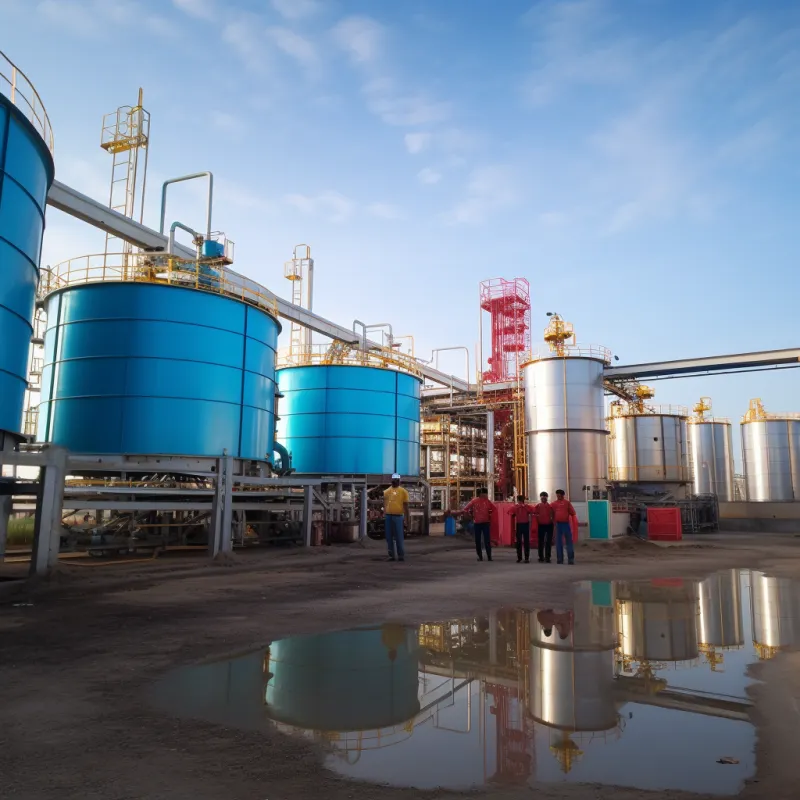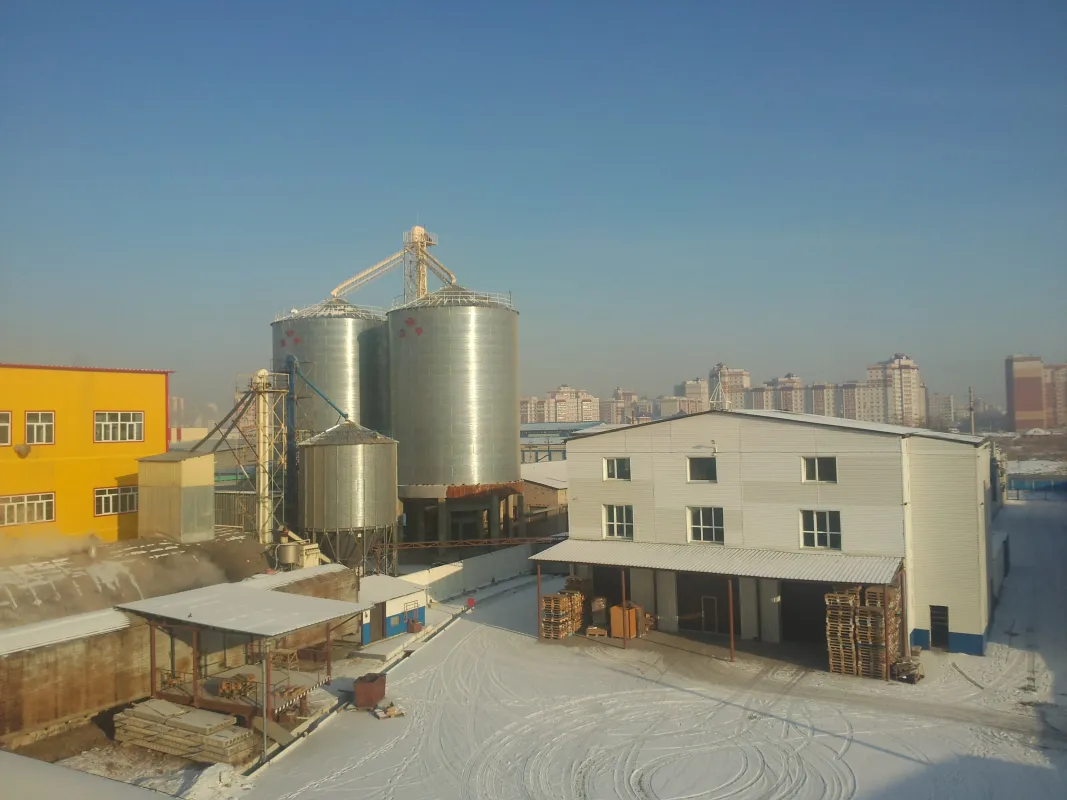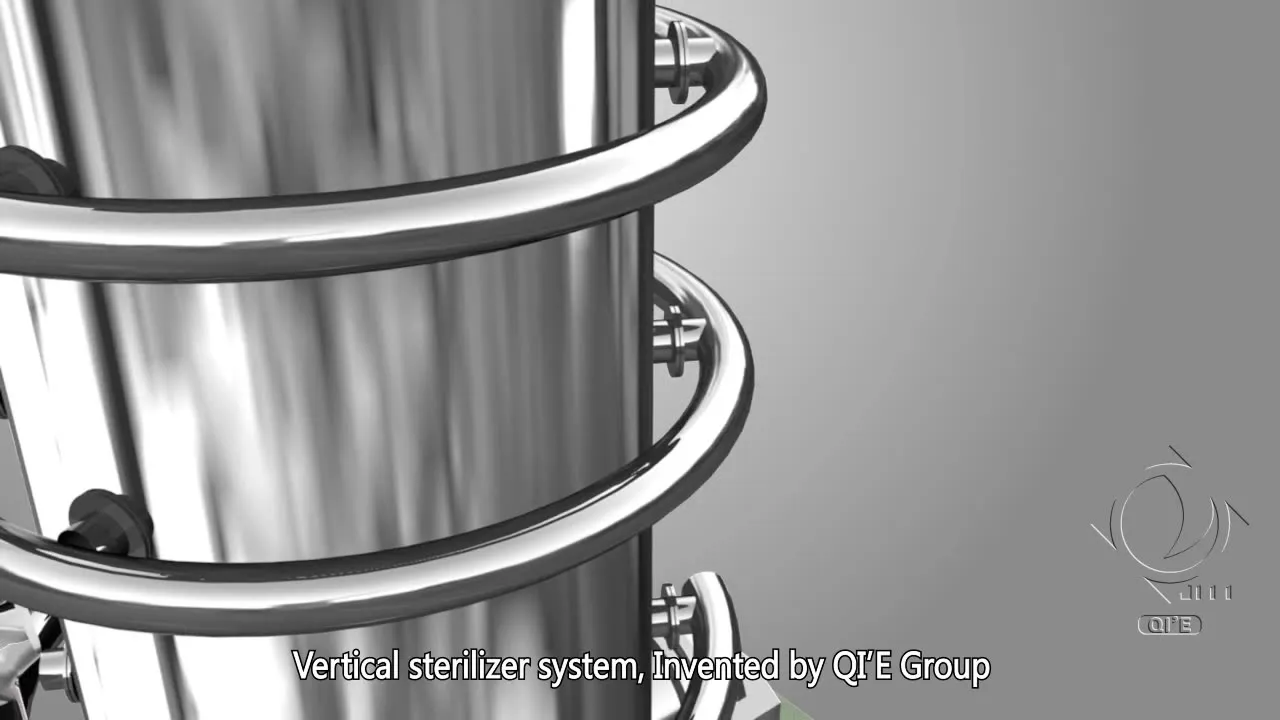
In the competitive landscape of edible oil processing, small to medium-scale粮油加工厂 (grain and oil processing plants) face crucial decisions when investing in sunflower oil extraction equipment. The right machinery not only impacts daily production efficiency but also determines product quality, compliance with food safety standards, and long-term profitability. This guide provides a comprehensive framework for evaluating key factors that should influence your purchasing decision.

When evaluating sunflower oil榨取设备 (extraction equipment), three critical performance indicators demand primary attention: oil yield, energy consumption, and processing capacity. Industry benchmarks suggest that modern screw press systems typically achieve oil yields between 92-96% for properly prepared sunflower seeds, significantly impacting overall profitability.
Energy efficiency has become increasingly important, with电费 representing up to 18% of operational costs in medium-scale facilities. Look for equipment with variable frequency drives that can adjust power consumption based on seed moisture content and processing volume. A well-designed system should maintain consistent throughput—measured in tons per day—while minimizing power consumption, ideally below 12 kWh per ton of processed seeds.
In today's regulatory environment, compliance with international food safety standards is no longer optional. The ISO 9001质量管理体系 (quality management system) certification serves as a fundamental requirement, ensuring consistent quality control throughout the manufacturing process. However, equipment construction materials are equally critical.
Food-grade stainless steel—specifically 304 or 316 grade—is essential for all contact surfaces. This material prevents contamination, resists corrosion from organic acids in sunflower seeds, and simplifies cleaning protocols. A study by the European Food Safety Authority found that facilities using proper food-grade materials experienced 40% fewer contamination incidents compared to those using inferior metals.
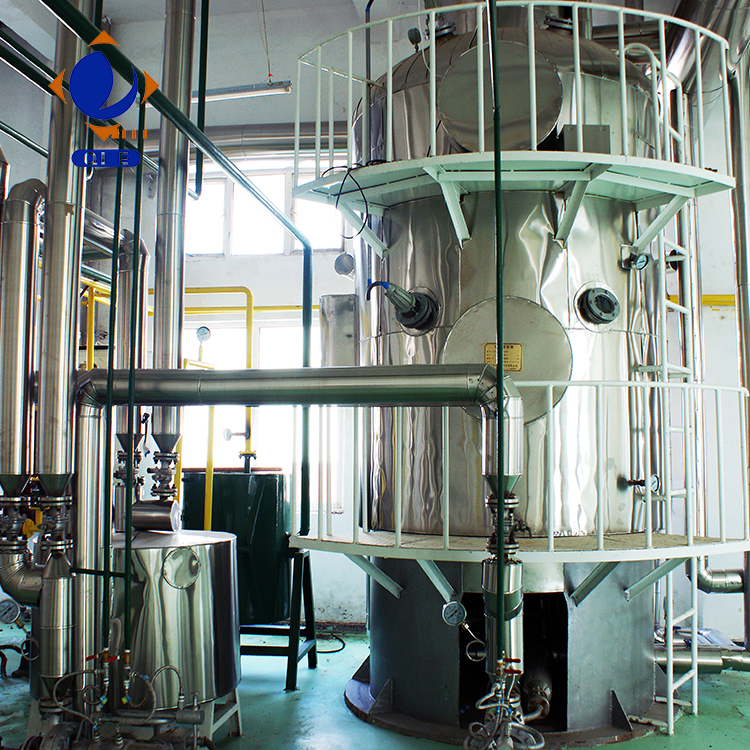
The level of automation directly affects labor costs, consistency, and operational efficiency. Modern向日葵油榨取设备 (sunflower oil extraction equipment) offers varying degrees of automation, from semi-automatic to fully integrated systems with PLC control.
Key automated features to prioritize include:
While higher automation typically requires greater initial investment, most medium-scale operations report ROI within 12-18 months through reduced labor costs and increased throughput.
Equipment downtime can cost processors $500-1,200 per hour in lost production. When evaluating systems, consider both preventive maintenance requirements and ease of repairs. Look for designs with:
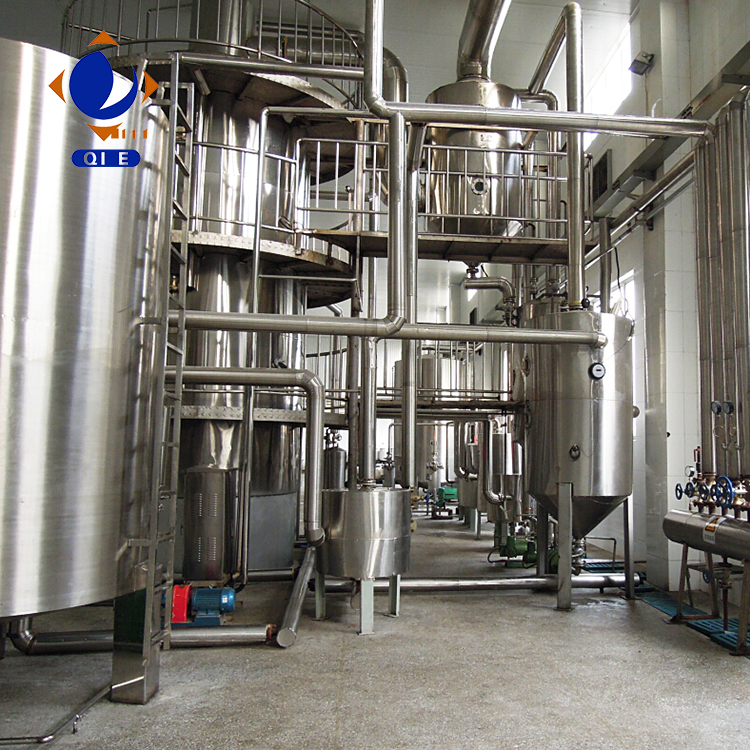
Every processing facility has unique requirements based on local market demands, available raw materials, and production goals. A one-size-fits-all approach rarely works in the diverse landscape of粮油加工设备 (grain and oil processing equipment).
Consider equipment that offers modular configurations, allowing you to start with core functionality and add components as your business grows. Common customization options include integrated dehulling systems, multiple pressing stages for maximum yield, and different filtration options to produce various grades of sunflower oil.
Working with manufacturers like 企鹅集团 (Penguin Group) that understand these diverse needs can help ensure your equipment investment aligns with both current requirements and future expansion plans.
Selecting the right extraction equipment is a decision that impacts your business for years to come. With the right system, you can achieve higher yields, maintain严格的食品安全标准 (strict food safety standards), and position your operation for growth in competitive markets.
Explore Penguin Group's ISO 9001 Certified Sunflower Oil Extraction SolutionsAs regulations become more stringent and consumer expectations rise, the equipment you choose today will determine your ability to compete tomorrow. By focusing on performance metrics, safety compliance, automation, maintenance, and configuration flexibility, you can make an informed decision that balances immediate needs with long-term strategic goals.
Remember that the most expensive equipment isn't always the best investment. Rather, the ideal solution is one that aligns with your specific production requirements, quality standards, and growth projections—delivering consistent returns throughout its operational life.
 78
|
78
|
 industrial oil filtration technology
tar-resistant filtration
automatic oil filter machine
food-grade stainless steel
oil purification solutions
430
|
cold press technology
Vitamin E retention
sunflower oil
low temperature extraction
oil processing equipment
69
|
CE Certification
Sunflower Oil Press
Mechanical Safety Standards
EU Market Access
Oil Press Equipment Compliance
372
|
portable sunflower oil press
small farm oil processing
sunflower oil value addition
micro-processing equipment
community group buying oil sales
219
|
home sunflower oil press
small oil mill equipment
oil processing startup
capacity planning guide
ISO9001 certified oil press
industrial oil filtration technology
tar-resistant filtration
automatic oil filter machine
food-grade stainless steel
oil purification solutions
430
|
cold press technology
Vitamin E retention
sunflower oil
low temperature extraction
oil processing equipment
69
|
CE Certification
Sunflower Oil Press
Mechanical Safety Standards
EU Market Access
Oil Press Equipment Compliance
372
|
portable sunflower oil press
small farm oil processing
sunflower oil value addition
micro-processing equipment
community group buying oil sales
219
|
home sunflower oil press
small oil mill equipment
oil processing startup
capacity planning guide
ISO9001 certified oil press






.jpg?x-oss-process=image/resize,h_800,m_lfit/format,webp)


.png?x-oss-process=image/resize,h_100,m_lfit/format,webp)
.png?x-oss-process=image/resize,h_100,m_lfit/format,webp)
.png?x-oss-process=image/resize,h_100,m_lfit/format,webp)