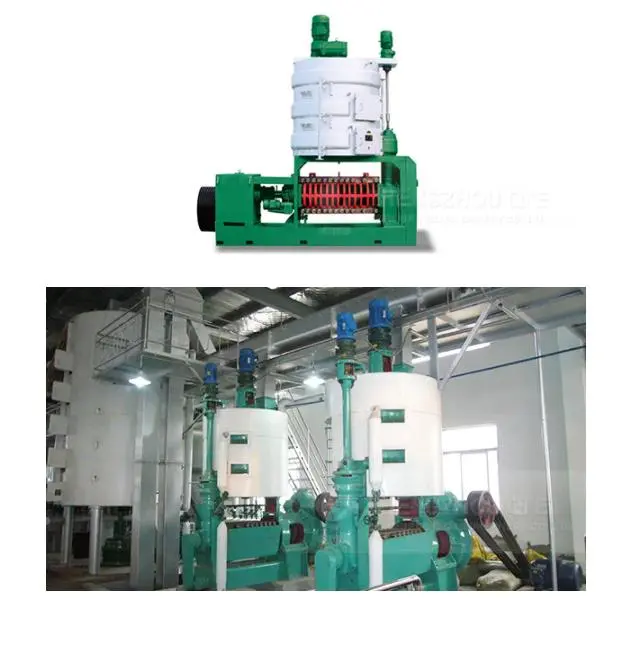
Industry Insight: According to recent data from the Global Edible Oil Processing Association, automated cold-press systems can increase production efficiency by up to 35% while reducing maintenance costs by an average of 28% compared to traditional processing methods. The following guide explores how to maximize these benefits in sunflower oil production.
In today's competitive edible oil industry, achieving consistent quality while maximizing production efficiency has become the key differentiator for successful processors. The automated cold press technology offers a solution that not only preserves the nutritional value of sunflower oil but also ensures operational excellence. This comprehensive guide will walk you through the entire automated process, from raw material preparation to maintenance protocols, helping your facility achieve optimal performance.
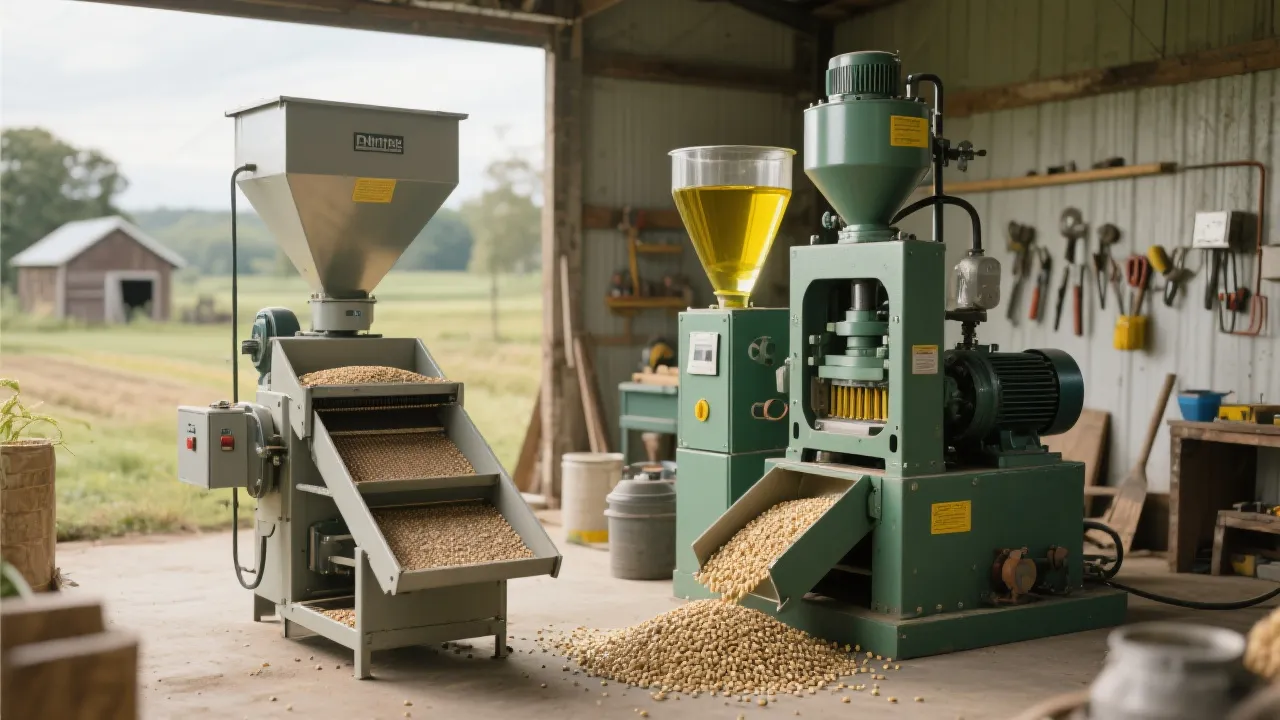
Before entering the automated processing line, sunflower seeds require careful preparation to ensure optimal oil yield and quality. The preparation stage typically involves three key steps:
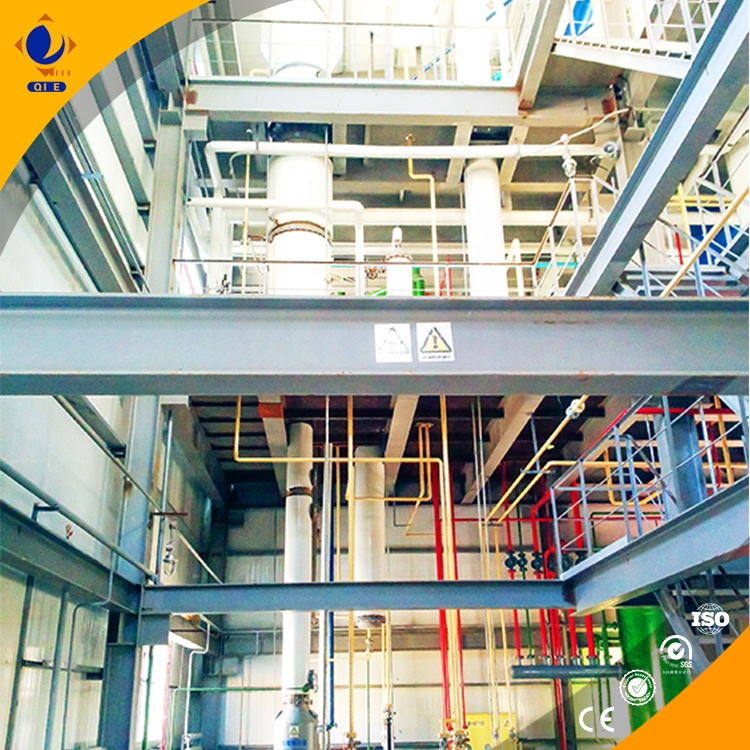
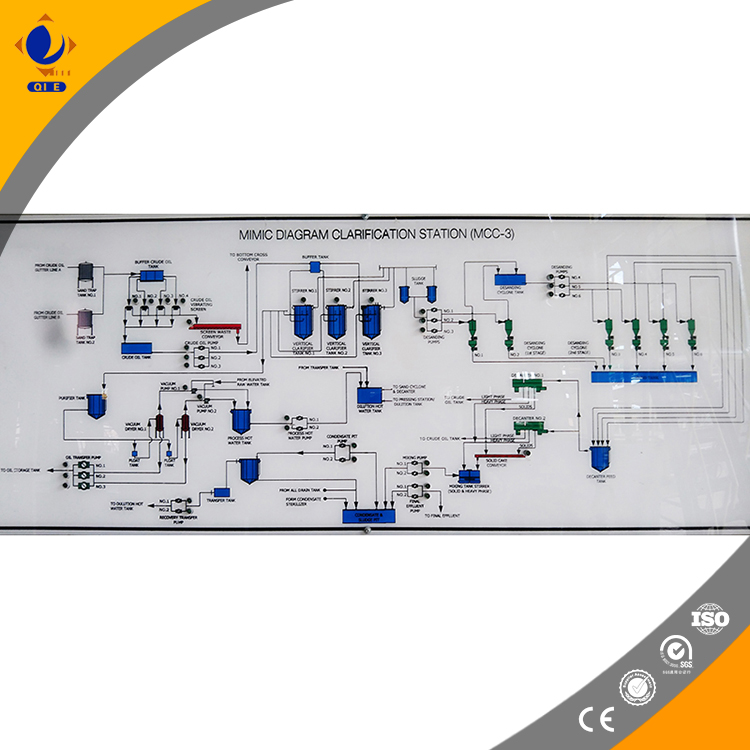
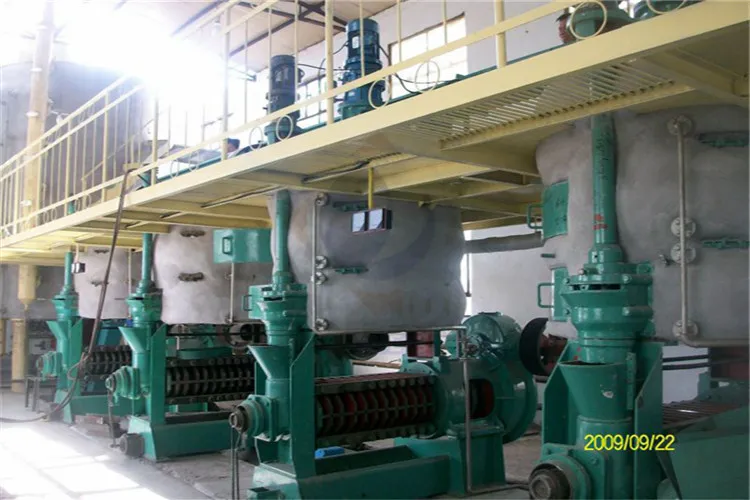
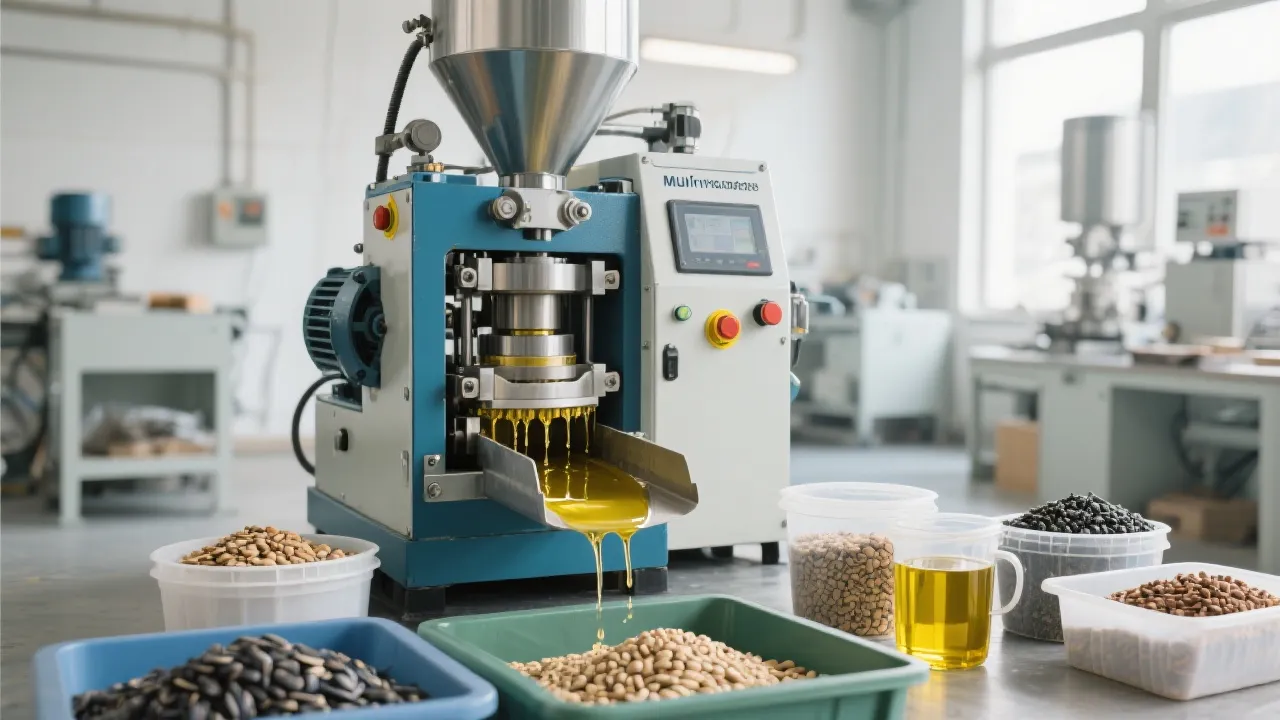
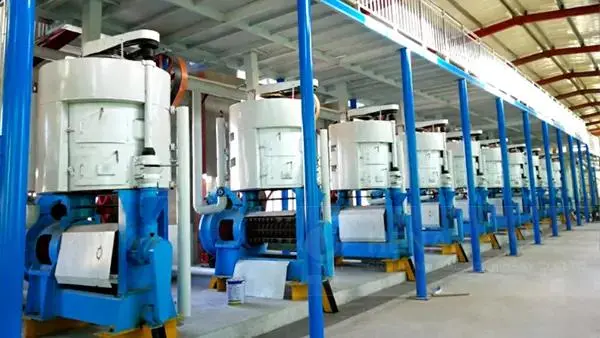
The core of the automated system lies in its ability to maintain consistent pressure, temperature, and processing time—critical factors for cold-pressed oil quality. Modern systems like those developed by 企鹅集团 (Penguin Group) feature advanced PLC control systems that monitor and adjust parameters in real-time.
The automated sequence begins with seed feeding through a controlled hopper, followed by gradual pressing in a multi-stage screw press. The system automatically adjusts for variations in seed quality and moisture, ensuring consistent output. Integrated sensors continuously monitor oil quality parameters, with automatic alerts for any deviations from set standards.
Proper maintenance is crucial for maximizing the lifespan of cold press equipment, which typically ranges from 8-12 years with appropriate care. The following maintenance schedule is recommended for optimal performance:
| Maintenance Task | Frequency | Expected Benefit |
|---|---|---|
| Filter replacement | Every 400 operating hours | Maintains oil clarity and equipment efficiency |
| Screw and barrel inspection | Monthly | Prevents unexpected downtime and quality issues |
| Stainless steel corrosion protection | Quarterly | Extends equipment lifespan by 3-5 years |
| Hydraulic system check | Bi-weekly | Ensures consistent pressure control |
Even with proper maintenance, occasional issues may arise. Here are solutions to the most common problems encountered in automated cold press operations:
A European sunflower processor was experiencing inconsistent pressure, resulting in variable oil yield (ranging from 82-90%). After implementing the troubleshooting protocol below, they achieved stable pressure control and consistent 91% yield:
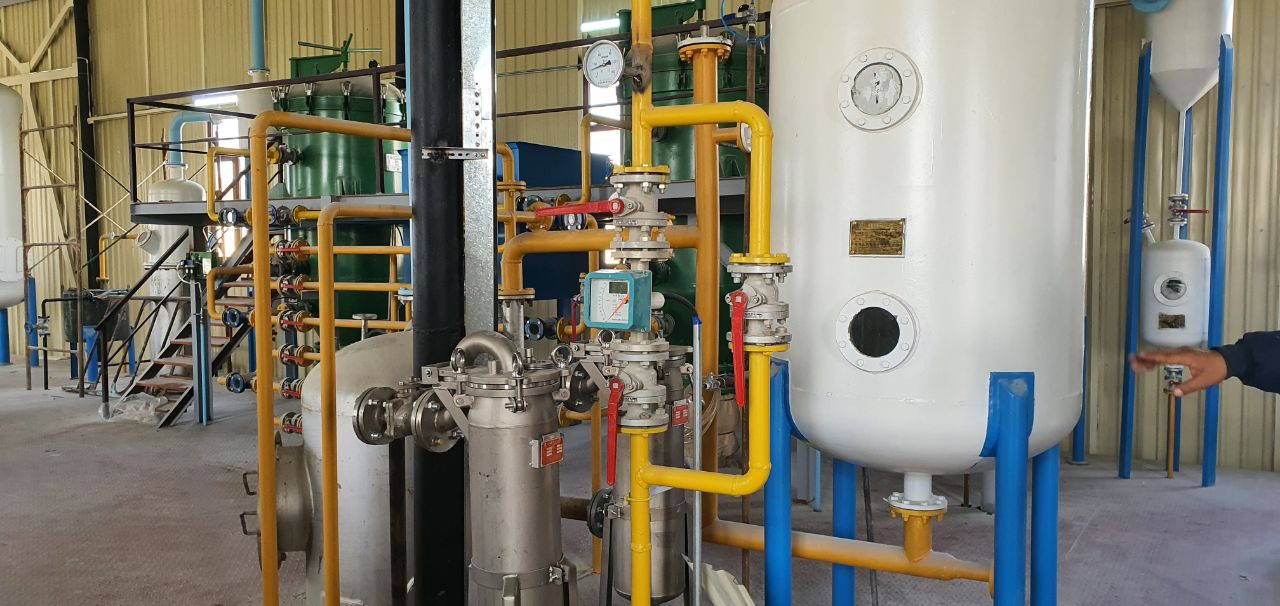
When transitioning to automated cold press processing, several factors should be evaluated to ensure successful implementation:
Discover how Penguin Group's automated cold press solutions can increase your production efficiency by 35% while reducing maintenance costs.
Get Your Custom Efficiency AnalysisAs the edible oil industry continues to evolve, processors who invest in automation and proper operational protocols will gain significant competitive advantages. By implementing the guidelines outlined in this article, your facility can achieve consistent quality, maximize yield, and minimize operational costs. The key to success lies in understanding both the technology and the specific characteristics of your raw materials, then applying the appropriate automated processes to optimize results.
 300
|
300
|
 tar resistant filtration
automated oil filter machine
edible oil purification
industrial oil cleaning
sunflower oil processing
56
|
cold press sunflower oil process
hot press oil yield improvement
industrial oil press dual-mode switching
sunflower oil extraction equipment
oil press machine selection guide
440
|
stainless steel cold press sunflower oil machine
cold press technology
sunflower oil yield improvement
oil purity guarantee
Penglai Group
431
|
cold press sunflower oil process
hot press oil yield
dual mode oil press machine
sunflower oil extraction equipment
oil processing technology
99
|
industrial oil filtration technology
tar removal efficiency
fully automated oil filtration system
food-grade stainless steel filter
oil purification solutions
tar resistant filtration
automated oil filter machine
edible oil purification
industrial oil cleaning
sunflower oil processing
56
|
cold press sunflower oil process
hot press oil yield improvement
industrial oil press dual-mode switching
sunflower oil extraction equipment
oil press machine selection guide
440
|
stainless steel cold press sunflower oil machine
cold press technology
sunflower oil yield improvement
oil purity guarantee
Penglai Group
431
|
cold press sunflower oil process
hot press oil yield
dual mode oil press machine
sunflower oil extraction equipment
oil processing technology
99
|
industrial oil filtration technology
tar removal efficiency
fully automated oil filtration system
food-grade stainless steel filter
oil purification solutions


.jpg?x-oss-process=image/resize,h_800,m_lfit/format,webp)




.png?x-oss-process=image/resize,h_100,m_lfit/format,webp)
.png?x-oss-process=image/resize,h_100,m_lfit/format,webp)
.png?x-oss-process=image/resize,h_100,m_lfit/format,webp)

.jpg?x-oss-process=image/resize,h_800,m_lfit/format,webp)