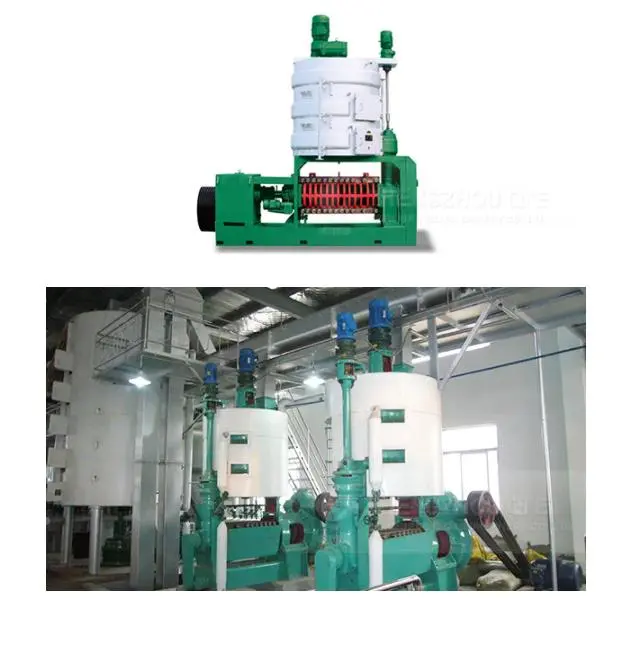
In today's health-conscious market, the demand for premium edible oils has surged dramatically. According to a 2023 report by Grand View Research, the global cold-pressed oil market is projected to reach $21.4 billion by 2030, growing at a CAGR of 6.8%. This growth is driven by increasing consumer awareness about the nutritional benefits of cold-pressed oils compared to traditional hot-pressed alternatives. For oil processing enterprises, investing in advanced cold pressing technology has become a strategic imperative to meet market demands while ensuring product quality and operational efficiency.
The choice between cold pressing and hot pressing significantly impacts the nutritional profile, flavor, and quality of the final oil product. Cold pressing technology, operating at temperatures below 60°C (140°F), represents a technological advancement that prioritizes nutrient preservation and oil purity.
| Parameters | Cold Pressing Technology | Traditional Hot Pressing |
|---|---|---|
| Operating Temperature | Below 60°C (140°F) | 120-180°C (248-356°F) |
| Nutrient Retention | Up to 92% retention of natural nutrients | 45-60% nutrient retention |
| Antioxidant Content | High (vitamin E, phytosterols preserved) | Significantly reduced |
| Oil Purity | 99.5% purity, minimal processing | Requires multiple refining steps |
| Smoke Point | Higher (due to natural composition) | Lower (due to nutrient degradation) |
Dr. Maria Sanchez, a food science expert at the International Olive Council, explains: "Cold pressing technology represents the gold standard in oil extraction when nutritional integrity is paramount. By avoiding high temperatures, we preserve the delicate balance of fatty acids and micronutrients that contribute to both health benefits and flavor profile."
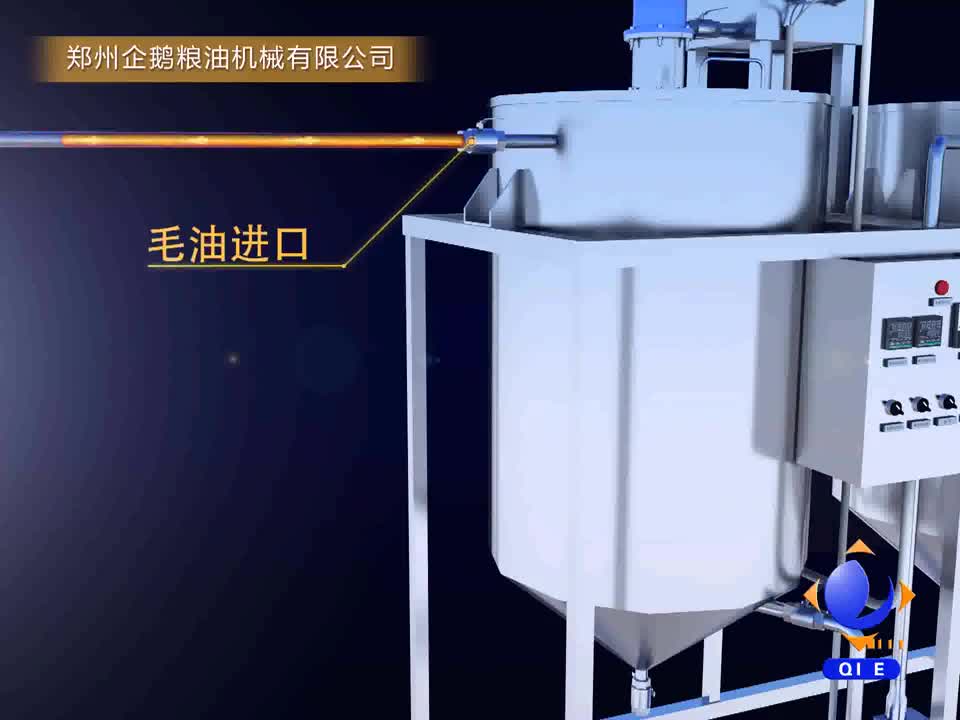
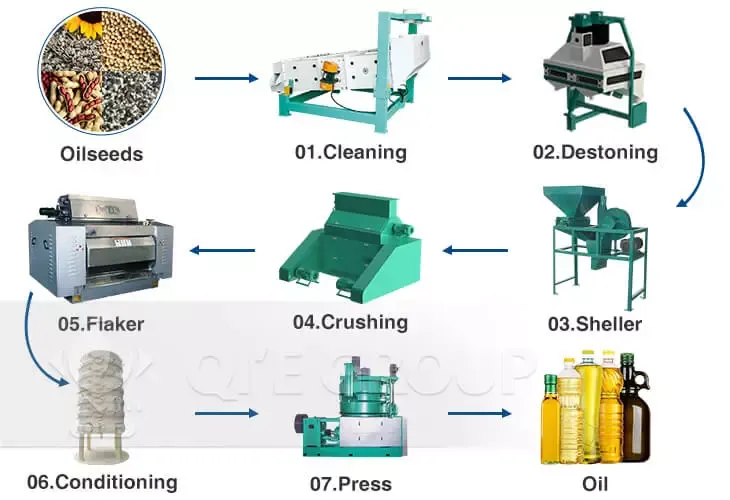
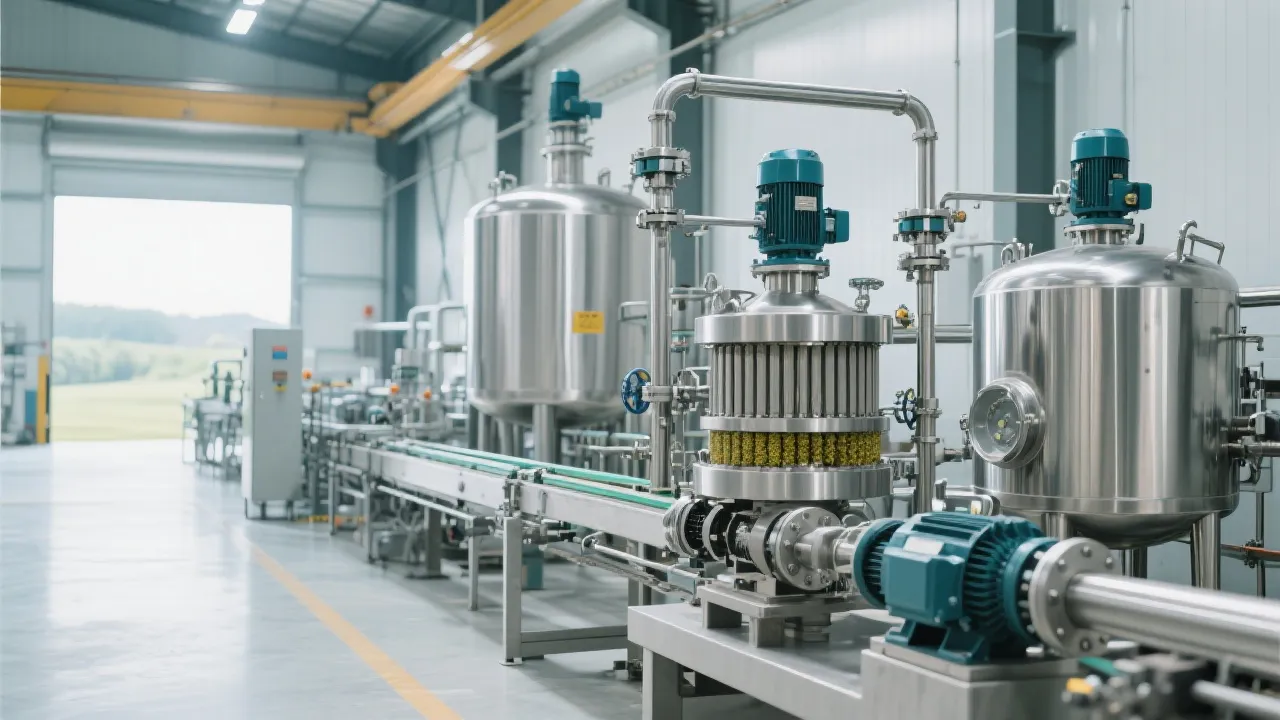
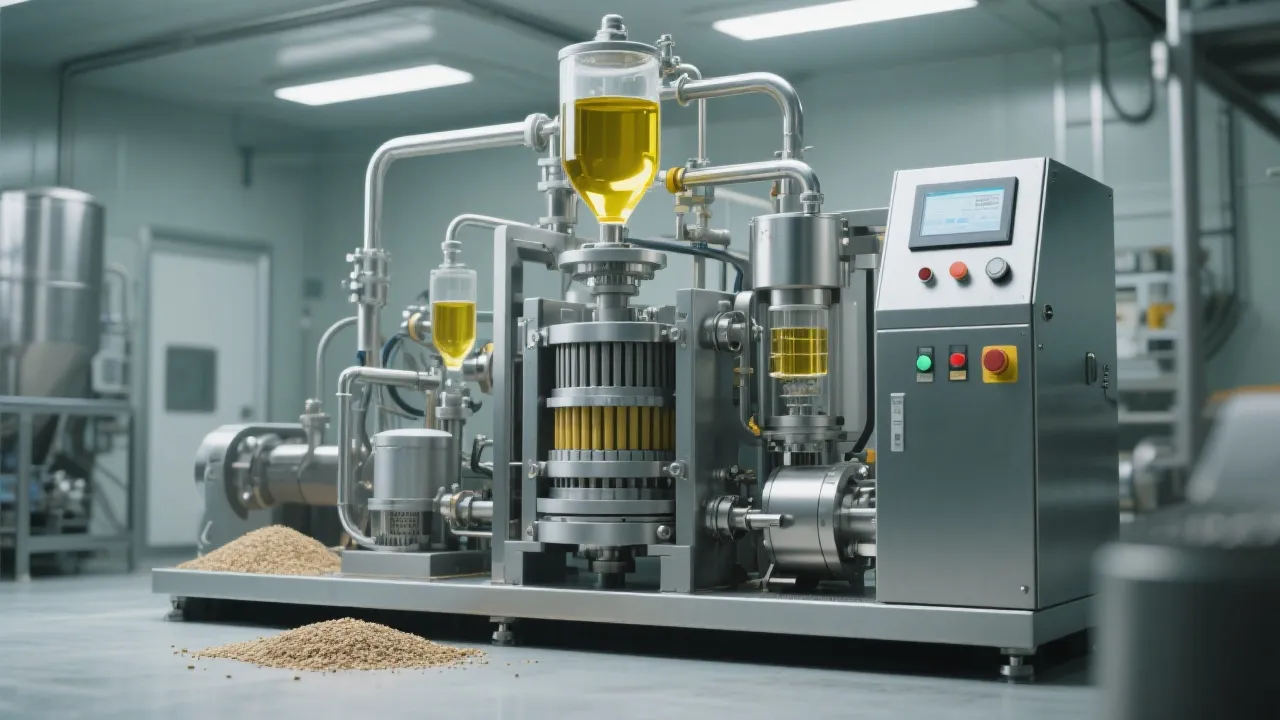
Modern stainless steel cold press sunflower oil processing machines integrate sophisticated engineering with user-friendly operation, delivering consistent results while minimizing operational complexity. The optimized workflow ensures maximum efficiency and oil quality throughout the production process.
The process begins with a controlled feeding mechanism that ensures uniform distribution of sunflower seeds into the system. This precision feeding prevents overloading and maintains consistent pressure throughout the extraction process, contributing to the 78-82% oil yield typically achieved with premium cold press equipment.
Before pressing, seeds undergo gentle cleaning and dehulling to remove impurities and optimize oil extraction. This preprocessing stage is crucial for maintaining oil purity and preventing contamination, with modern systems achieving 99.9% impurity removal efficiency.
The heart of the system is the cold pressing chamber, where mechanical pressure—ranging from 350 to 500 bar—is applied at carefully controlled temperatures below 60°C. This mechanical extraction method eliminates the need for chemical solvents, ensuring the oil remains pure and natural.
Integrated separation technology efficiently separates oil from press cake, with advanced systems achieving a residual oil content of less than 5% in the final cake. This not only maximizes oil yield but also produces high-quality by-products suitable for animal feed or other applications.
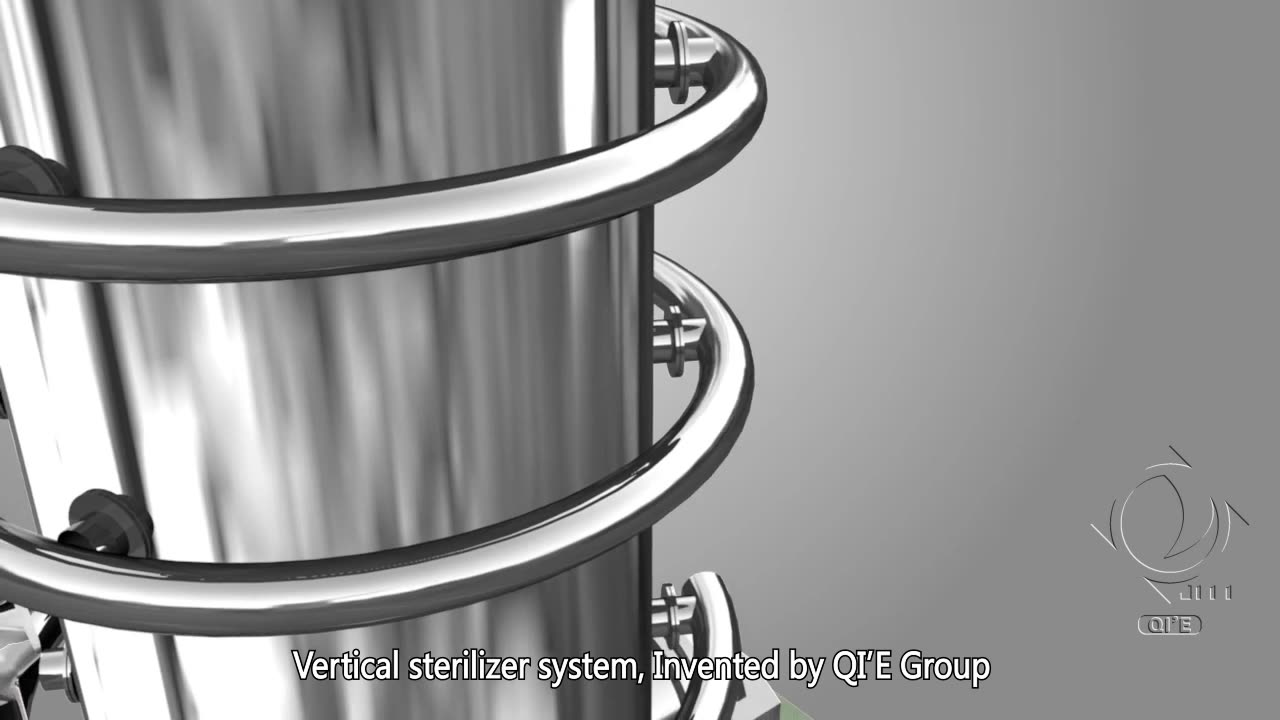
The material composition of oil processing equipment directly impacts product quality, equipment longevity, and operational costs. Food-grade stainless steel—typically 304 or 316 grade—offers distinct advantages that make it the material of choice for premium cold press systems.
For food processing facilities operating in humid or aggressive environments, the investment in stainless steel equipment translates to long-term cost savings and consistent product quality. The initial higher investment is typically recouped within 2-3 years through reduced maintenance and extended equipment life.
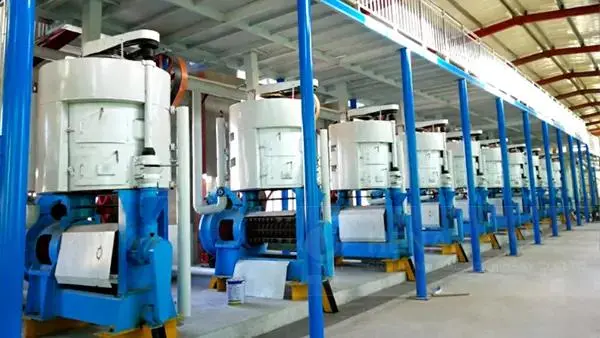
Modern cold press systems, such as those developed by Qie Group, incorporate energy-efficient designs that reduce operational costs while maintaining high productivity. These systems typically consume 25-30% less energy compared to conventional hot press equipment, with specific energy consumption ranging from 0.4 to 0.6 kWh per kg of processed seeds.
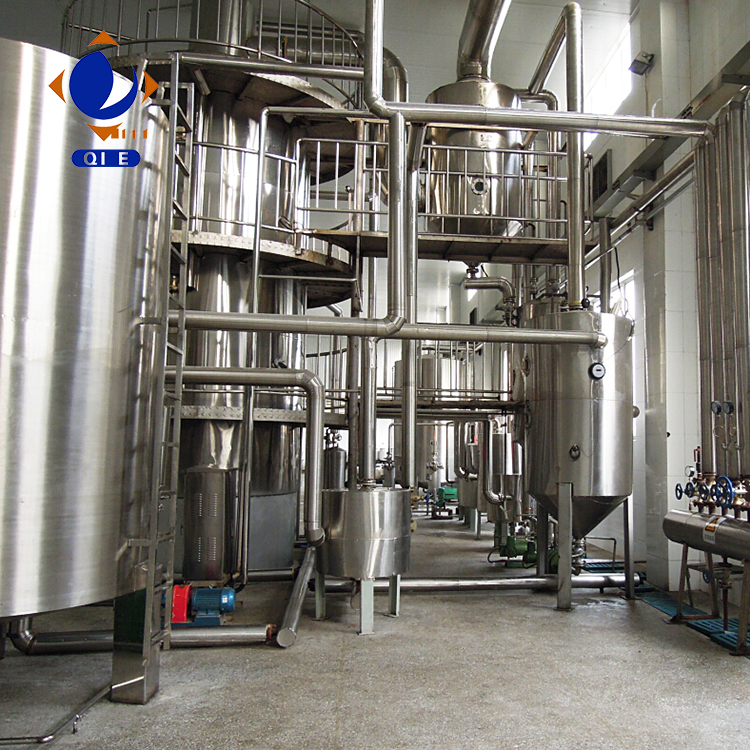
Maintenance considerations are equally important for operational efficiency. Advanced cold press systems feature modular designs that allow for quick component replacement and easy access for cleaning. This reduces downtime for maintenance by up to 50% compared to traditional systems, with routine maintenance requirements typically limited to monthly inspections and annual component checks.
The global shift toward organic and health-conscious food products has created significant opportunities for cold-pressed oil producers. Consumer willingness to pay premium prices for healthier alternatives has increased, with cold-pressed oils typically commanding 30-50% higher prices than conventional refined oils in retail markets.
This trend is supported by growing regulatory support for clean-label products and increased scrutiny of food processing methods. In the European Union, for example, the number of organic oil producers has increased by 18% annually since 2018, driven by both consumer demand and favorable policy frameworks.
Discover how stainless steel cold press technology can提升 your production efficiency, product quality, and market competitiveness.
Download Our Comprehensive Technical WhitepaperGain expert insights on cold press technology implementation, ROI analysis, and industry best practices
As the edible oil market continues to evolve, investing in advanced cold press technology represents not just a production upgrade, but a strategic business decision that aligns with consumer trends, regulatory requirements, and long-term sustainability goals. The combination of nutritional benefits, operational efficiency, and market differentiation makes stainless steel cold press systems a valuable asset for forward-thinking oil processing enterprises.
 373
|
373
|
 home sunflower oil extraction
DIY sunflower oil
small oil press machine guide
homemade healthy cooking oil
sunflower oil yield improvement
491
|
sunflower oil filtration equipment
industrial oil filtering systems
tar removal technology
automated oil filtration
filtration system maintenance
257
|
industrial oil filtration technology
tar removal efficiency
sunflower oil filtration machine
automated oil purification
food-grade stainless steel filtration
300
|
tar resistant filtration
automated oil filter machine
edible oil purification
industrial oil cleaning
sunflower oil processing
219
|
home sunflower oil press
small oil mill equipment
oil processing startup
capacity planning guide
ISO9001 certified oil press
home sunflower oil extraction
DIY sunflower oil
small oil press machine guide
homemade healthy cooking oil
sunflower oil yield improvement
491
|
sunflower oil filtration equipment
industrial oil filtering systems
tar removal technology
automated oil filtration
filtration system maintenance
257
|
industrial oil filtration technology
tar removal efficiency
sunflower oil filtration machine
automated oil purification
food-grade stainless steel filtration
300
|
tar resistant filtration
automated oil filter machine
edible oil purification
industrial oil cleaning
sunflower oil processing
219
|
home sunflower oil press
small oil mill equipment
oil processing startup
capacity planning guide
ISO9001 certified oil press


.jpg?x-oss-process=image/resize,h_800,m_lfit/format,webp)



.png?x-oss-process=image/resize,h_100,m_lfit/format,webp)
.png?x-oss-process=image/resize,h_100,m_lfit/format,webp)
.png?x-oss-process=image/resize,h_100,m_lfit/format,webp)
.jpg?x-oss-process=image/resize,h_800,m_lfit/format,webp)