
In the realm of small-scale grain and oil processing, the production of high-quality sunflower oil has always been a pursuit for many family and micro workshops. This article focuses on how small-scale grain and oil workshops can utilize the compact sunflower oil press from Penguin Group to produce high - quality sunflower oil stably and efficiently. It delves deep into the selection of cold - pressing and hot - pressing processes and practical techniques for loss control.
Effective raw material batch management is the first step in ensuring the quality of sunflower oil. According to industry statistics, inconsistent raw material batches can lead to a 10% - 15% variation in oil quality and yield. Penguin Group recommends that workshops conduct strict quality inspections on each batch of sunflower seeds, including moisture content, impurity level, and oil content. For example, sunflower seeds with a moisture content of 8% - 10% are considered ideal for oil extraction. By keeping detailed records of each batch, workshops can trace the source of any quality issues and adjust the processing parameters accordingly.
The pressing cycle is a crucial factor affecting the yield and quality of sunflower oil. A shorter pressing cycle may result in incomplete oil extraction, while an overly long cycle can lead to oil oxidation and flavor degradation. Through years of research and practical experience, Penguin Group's compact sunflower oil press has optimized the pressing cycle. Generally, a pressing cycle of 30 - 45 minutes is recommended for most small - scale workshops, which can achieve a balance between yield and quality. For instance, in some workshops, after adjusting the pressing cycle according to this recommendation, the oil yield increased by about 5%.
There are two main processes in sunflower oil production: cold - pressing and hot - pressing. Cold - pressing, which is carried out at a temperature below 60°C, can retain more nutrients and natural flavors in the oil. However, the oil yield is relatively low, usually about 20% - 30%. On the other hand, hot - pressing, with a temperature range of 100°C - 120°C, can increase the oil yield to 35% - 45%, but some nutrients may be lost during the high - temperature process. Penguin Group's sunflower oil press is designed to support both processes, allowing workshops to choose according to market demand and product positioning.
Loss control is an important aspect of cost - effective production. In the sunflower oil production process, losses mainly occur during oil extraction and filtration. By using high - precision filtration equipment and optimizing the extraction process, workshops can reduce losses to less than 5%. In terms of flavor preservation, proper storage and packaging are essential. For example, storing sunflower oil in a cool, dark place and using opaque containers can prevent oxidation and maintain the oil's original flavor.
To enhance user engagement, we have prepared a FAQ section. Some common questions include: "How often should I maintain the sunflower oil press?" and "What is the best way to store sunflower oil?" We encourage users to share their experiences and tips in our community, so that everyone can learn from each other and improve their production skills.
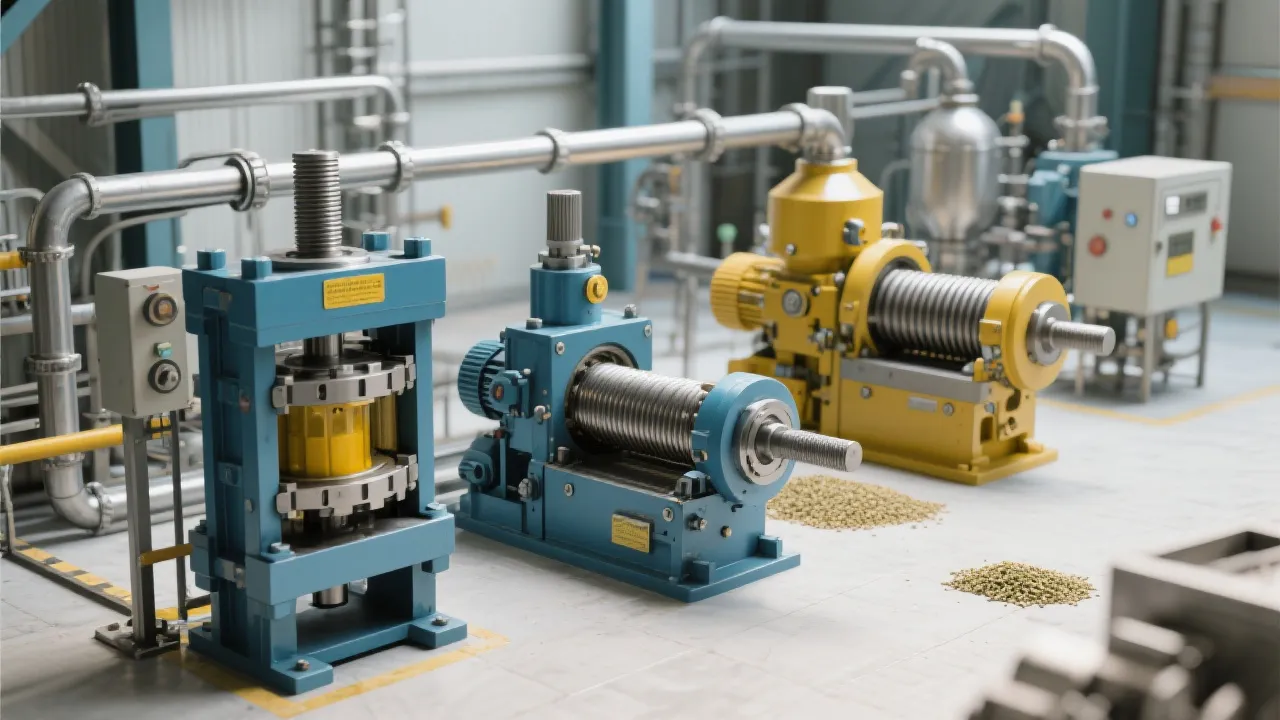
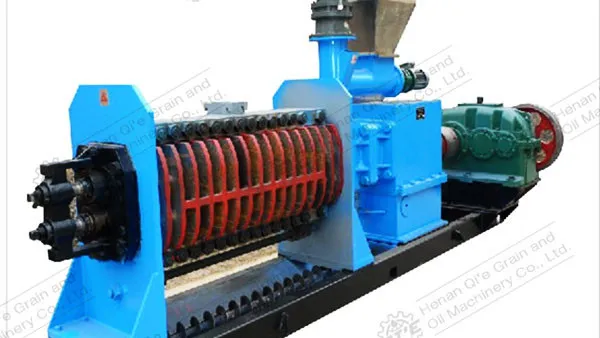
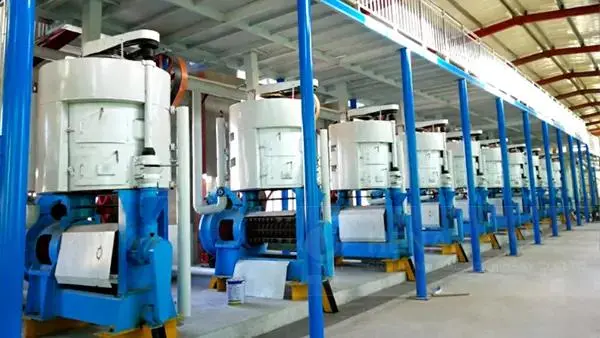
Penguin Group's sunflower oil press is equipped with advanced mechanical pressing technology, which features high efficiency, stability, and easy operation. Our professional after - sales service team is always ready to provide support to ensure your production runs smoothly. If you want to learn more about how to produce high - quality sunflower oil with our equipment and take your small - scale workshop to the next level, click here to explore our solutions.
 141
|
141
|
 Sunflower oil press
Small oil press selection
Difference between household and commercial oil presses
Farm oil press maintenance
Green and healthy edible oil
247
|
small-scale sunflower seed oil press
cold pressing technology
oil extraction optimization
flavor consistency control
family oil mill machinery
366
|
sunflower oil cold press method
sunflower oil hot press process
oil content in sunflower seeds
edible oil extraction technology
sunflower seed oil production equipment
231
|
small sunflower seed oil press
home oil press machine
commercial oil expeller
sunflower oil extraction equipment
efficient oil pressing system
395
|
Small sunflower oil press
Oil yield improvement
Equipment maintenance
Operating process
Green edible oil
Sunflower oil press
Small oil press selection
Difference between household and commercial oil presses
Farm oil press maintenance
Green and healthy edible oil
247
|
small-scale sunflower seed oil press
cold pressing technology
oil extraction optimization
flavor consistency control
family oil mill machinery
366
|
sunflower oil cold press method
sunflower oil hot press process
oil content in sunflower seeds
edible oil extraction technology
sunflower seed oil production equipment
231
|
small sunflower seed oil press
home oil press machine
commercial oil expeller
sunflower oil extraction equipment
efficient oil pressing system
395
|
Small sunflower oil press
Oil yield improvement
Equipment maintenance
Operating process
Green edible oil






.png?x-oss-process=image/resize,h_100,m_lfit/format,webp)
.png?x-oss-process=image/resize,h_100,m_lfit/format,webp)
.png?x-oss-process=image/resize,h_100,m_lfit/format,webp)


.jpg?x-oss-process=image/resize,h_800,m_lfit/format,webp)


