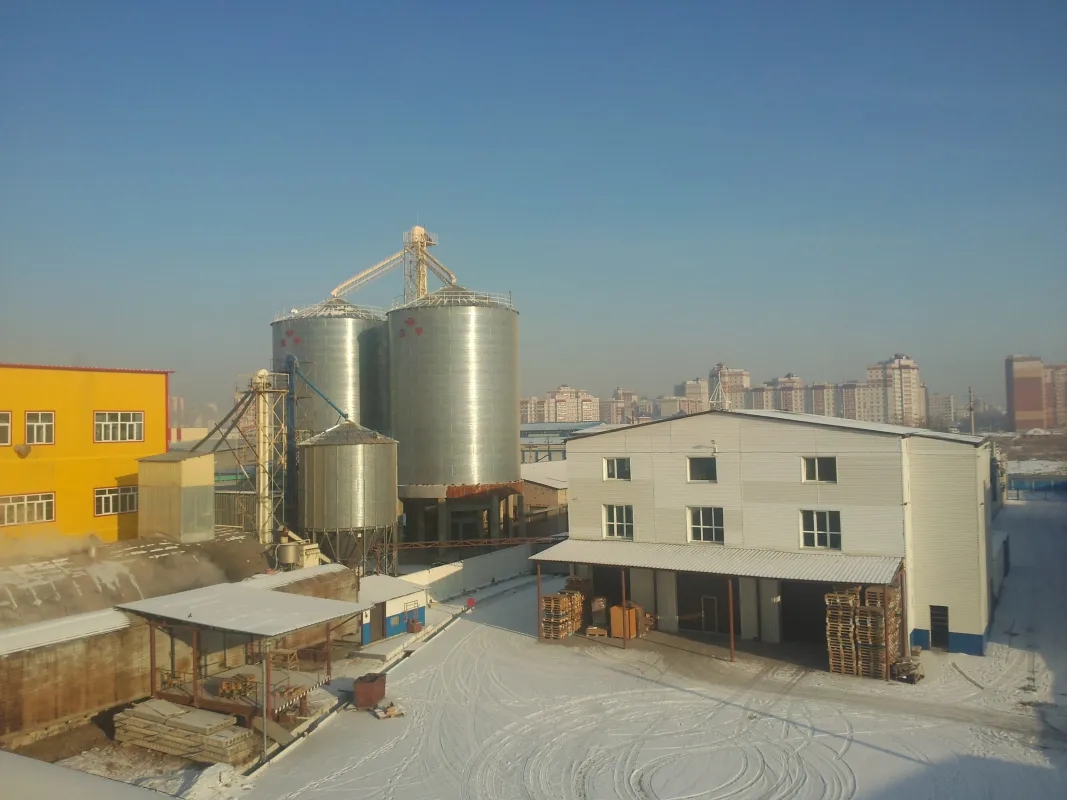
Sunflower Seed Oil Mill Upgrade Guide
For a small or growing sunflower seed oil mill, the right equipment choice depends on more than rated capacity. Labor availability, process continuity, product quality, operating habits, and unit oil cost should all be considered together. Penguin Group’s medium-scale carbon steel sunflower seed oil grinder is designed for operations processing approximately 5–50 tons of sunflower seeds per day.
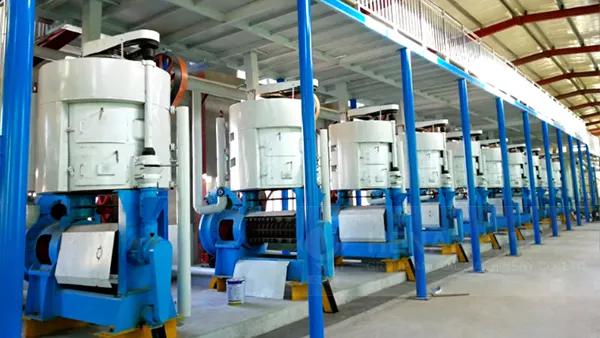
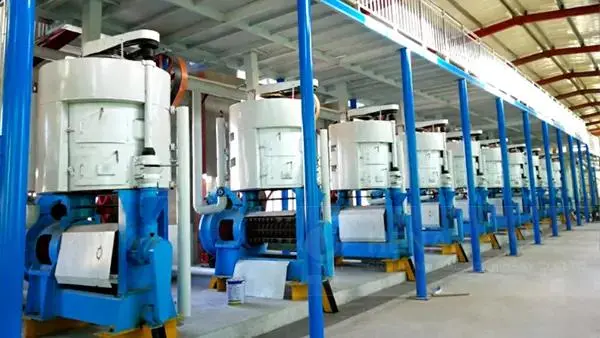
The system combines the main preparation and extraction stages in one coordinated process. This helps a small sunflower seed oil mill evaluate an upgrade as a complete workflow rather than as a single oil press machine.
Removes foreign materials before further processing and supports a more consistent production flow.
Prepares sunflower seeds for pressing and forms part of the integrated seed preparation stage.
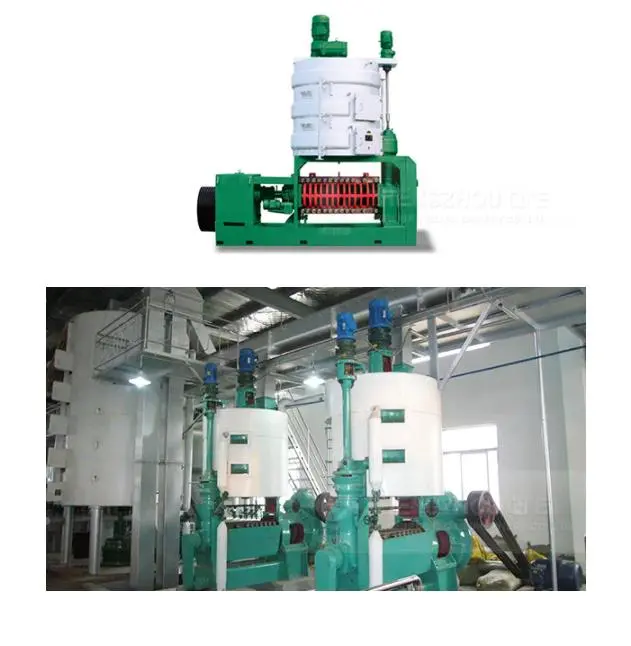
Extracts oil from prepared seeds with a stated oil extraction rate of approximately 35–50%, depending on operating and raw-material conditions.
Provides a post-press filtration stage to help separate oil from suspended solids before subsequent handling.
Both operation modes can be considered for a 5–50 ton-per-day sunflower seed oil processing project. The better option depends on how the mill plans to organize labor, material handling, monitoring, and daily production.
| Evaluation factor | Semi-automatic operation | Fully automatic operation |
|---|---|---|
| Labor involvement | Requires more operator participation during material handling and process coordination. | Reduces routine manual intervention through a more automated workflow. |
| Production management | Suitable when operators prefer direct control over individual stages. | Suitable when the mill prioritizes coordinated, continuous process management. |
| Upgrade suitability | A practical choice for businesses transitioning from smaller or more manual equipment. | A stronger fit for mills seeking higher process integration and reduced routine labor. |
| Cost assessment | Should be evaluated against available labor and the required level of operator control. | Should be evaluated against automation investment, labor savings, and planned utilization. |
Unit oil cost should be reviewed using the mill’s own operating data. The equipment specification provides a basis for comparison, but the final result depends on seed quality, oil content, production schedule, labor, electricity, maintenance, and utilization.
A practical calculation framework
Unit oil cost = total operating cost ÷ saleable oil output
The main structure uses carbon steel, while food-contact components use stainless steel to support durability and hygiene in sunflower seed oil processing.
The system is designed for low power consumption while supporting an integrated multi-stage production process.
Semi-automatic and fully automatic configurations allow the equipment approach to be matched with different production and labor requirements.
Penguin Group, also known as Qi'e Grain and Oil Machinery Co., Ltd., develops and supplies oil pressing equipment, oil production line equipment, and edible oil refining equipment for international B2B projects. Its product and service scope covers equipment design, manufacturing, installation, technical support, and after-sales service.
For clients in Asia, Africa, and South America, the company provides global installation and technical support for sunflower seed oil processing projects. The medium-scale carbon steel sunflower seed oil grinder is designed to support a practical transition from smaller operations toward a more integrated 5–50 ton/day production setup.
A suitable equipment selection starts with the mill’s real capacity, labor conditions, process requirements, and cost structure. Penguin Group can help project owners evaluate these factors before choosing a semi-automatic or fully automatic configuration.
When evaluating a small sunflower seed oil mill upgrade, begin with daily seed availability, target output, labor conditions, site layout, and unit oil cost. Penguin Group’s integrated cleaning, dehulling, pressing, and filtration solution offers a structured basis for comparing semi-automatic and fully automatic operation modes.
 196
|
 Qi'e Grain and Oil Machinery Co., Ltd. grain and oil machinery oil pressing production line edible oil refining equipment grain and oil processing solutions
90
|
Qi'e Grain and Oil Machinery Co., Ltd. edible oil refining refining process degumming deacidification decolorization deodorization refined oil quality
101
|
Qi'e Grain and Oil Machinery Co., Ltd. grain and oil processing equipment edible oil production line oil pressing equipment oil refining equipment
262
|
Qi'e Grain and Oil Machinery Co., Ltd. overseas grain and oil machinery project installation commissioning technical service turnkey line delivery
310
|
Qi'e Grain and Oil Machinery Co., Ltd. sunflower seed oil machine oil pressing equipment oil production line equipment edible oil refining equipment