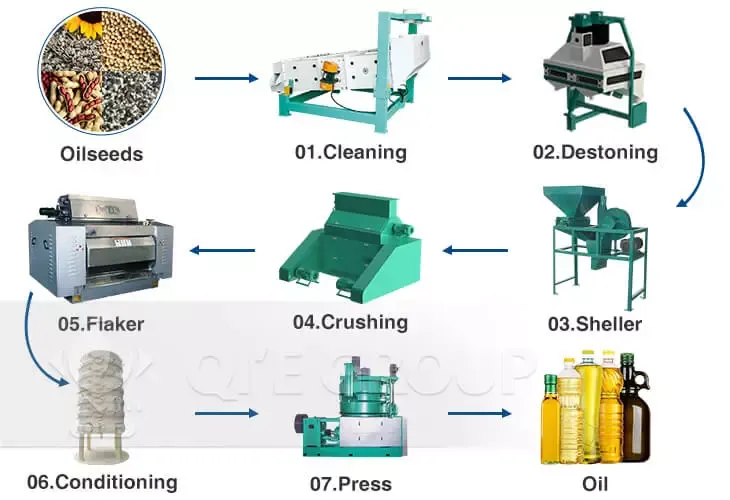
.jpg?x-oss-process=image/resize,h_3000,m_lfit/format,webp)
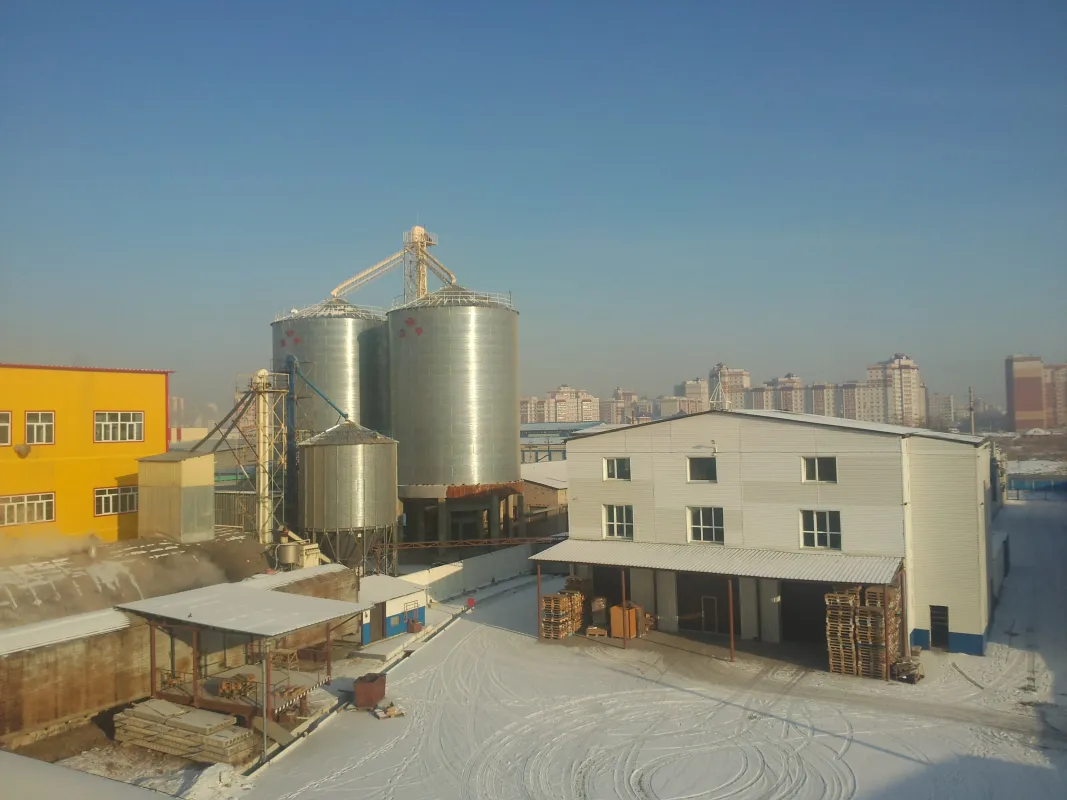
Small - scale grain and oil workshops often face numerous challenges in sunflower oil production. This article delves into these core pain points and explores how to achieve a balance between production volume and quality through compact mechanical pressing equipment.
Raw material management is the first and crucial step in sunflower oil processing. Different batches of sunflower seeds may have varying qualities, which can significantly affect the final oil quality and yield. For example, seeds with higher moisture content may lead to lower oil extraction rates and shorter oil storage times. By implementing batch control methods, small - scale producers can better manage their raw materials. They can record the origin, harvest time, and quality indicators of each batch of seeds. This way, they can ensure the consistency of the input materials and improve the overall quality of the oil.
.jpg)
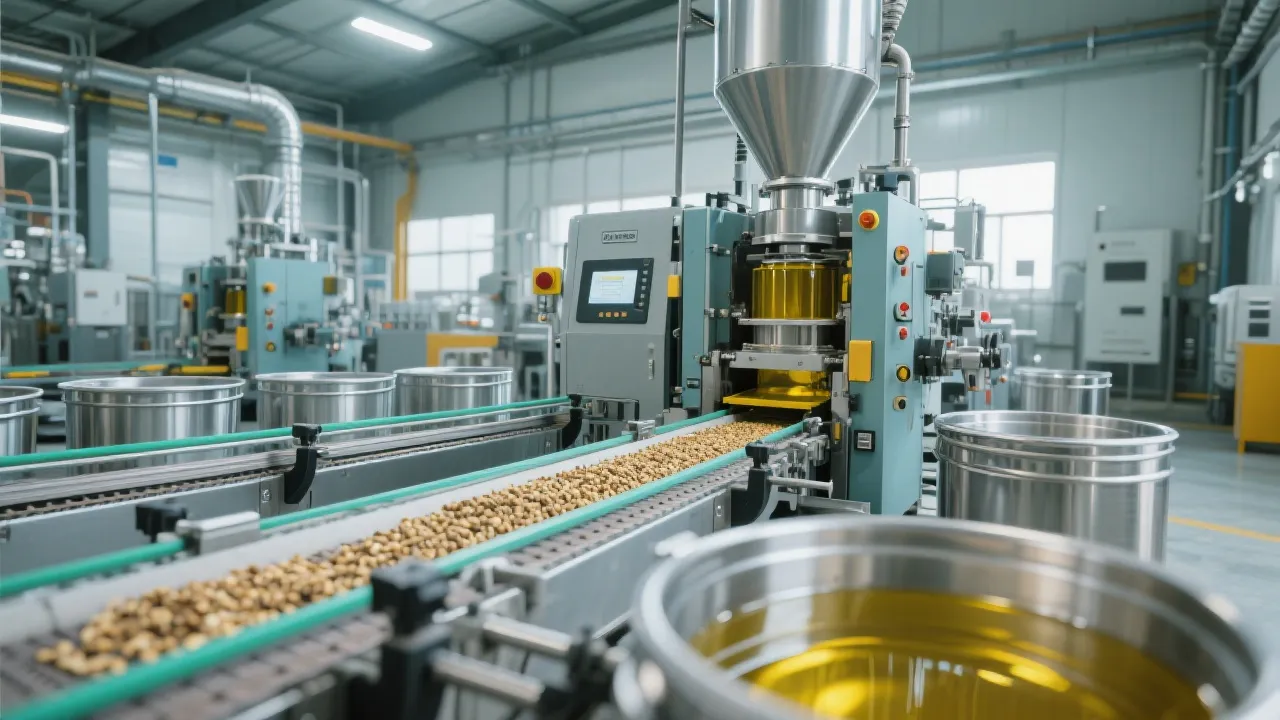
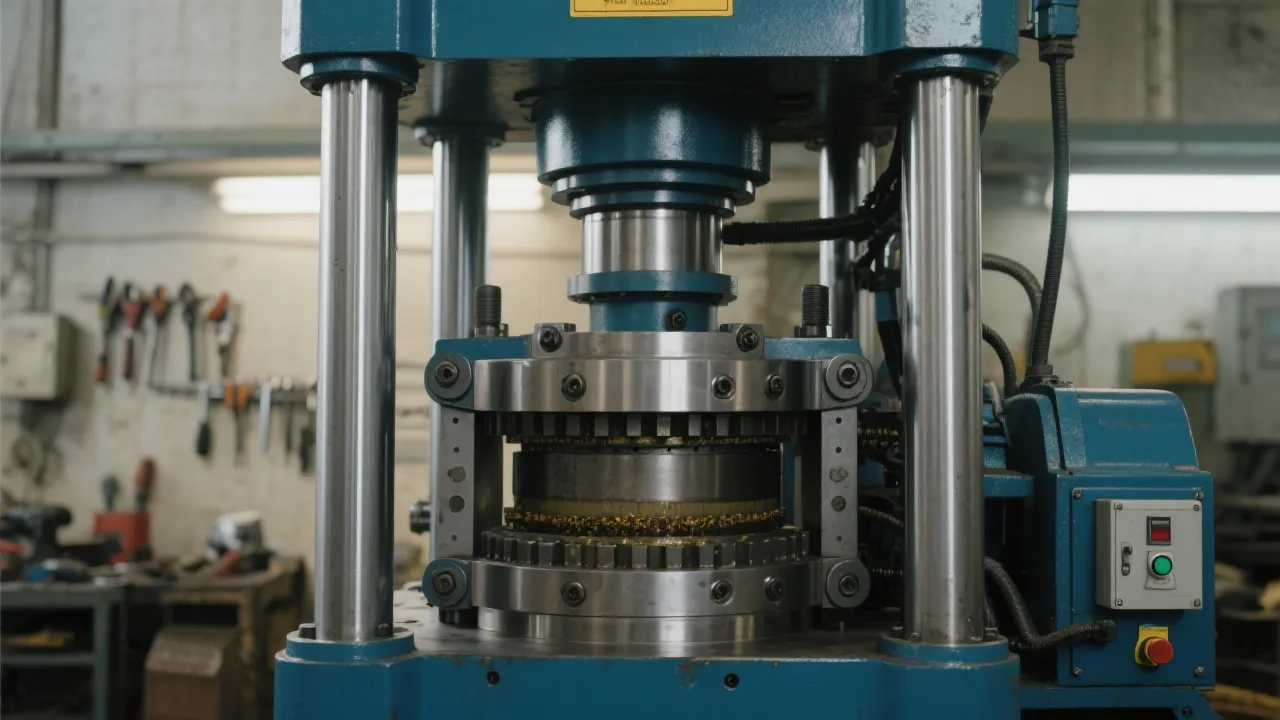
The pressing cycle is another key factor in sunflower oil production. A well - arranged pressing cycle can not only improve the oil yield but also save energy and time. Cold pressing and hot pressing are two common methods in sunflower oil processing. Cold pressing can preserve more nutrients in the oil, such as vitamins and antioxidants, but it usually has a lower oil extraction rate. On the contrary, hot pressing can achieve a higher oil yield, but it may destroy some heat - sensitive nutrients. Small - scale producers need to choose the appropriate pressing process according to their production goals and market demands.
| Pressing Process | Advantages | Disadvantages |
|---|---|---|
| Cold Pressing | Preserves nutrients | Lower oil extraction rate |
| Hot Pressing | Higher oil extraction rate | May destroy heat - sensitive nutrients |
Based on real - world industry practices, standardized operating procedures can greatly improve the efficiency and quality of sunflower oil production. For instance, operators should follow strict cleaning and maintenance procedures for the pressing equipment to ensure its normal operation. Additionally, controlling losses during the production process is also essential. By reducing spillage and waste, small - scale producers can increase their profit margins. Some practical loss - control techniques include proper storage of raw materials and accurate measurement during the pressing process.
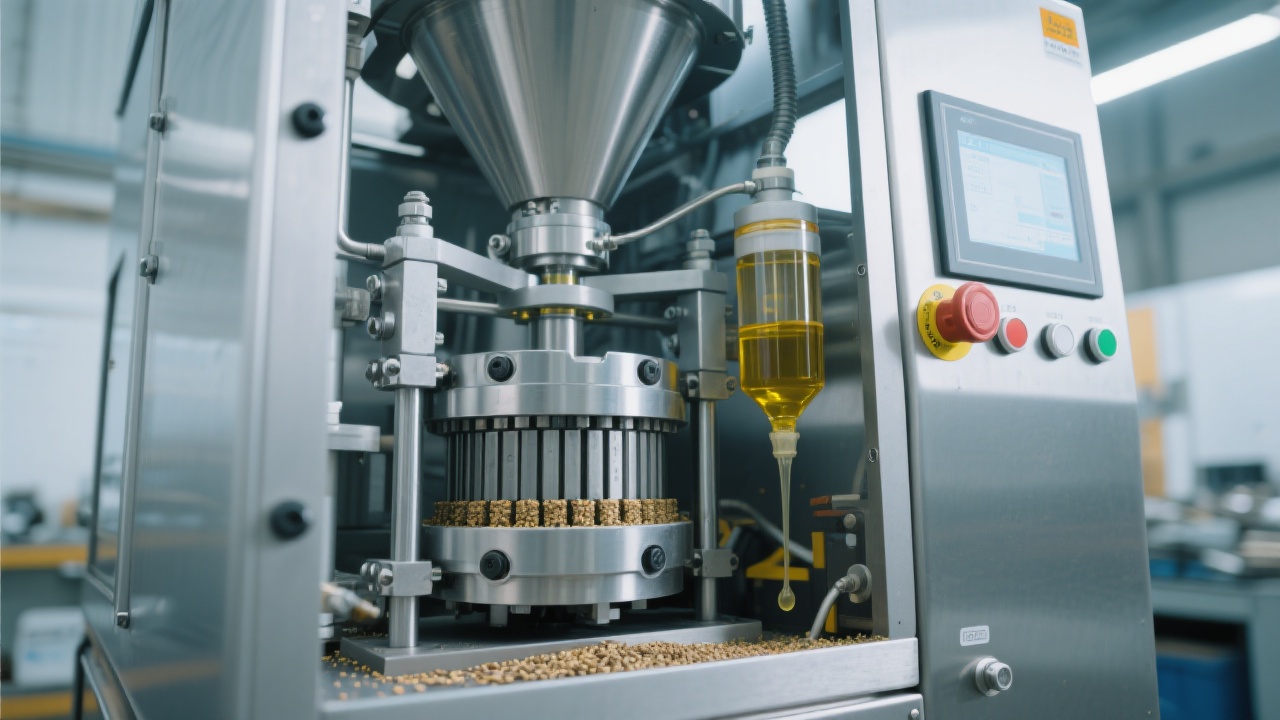
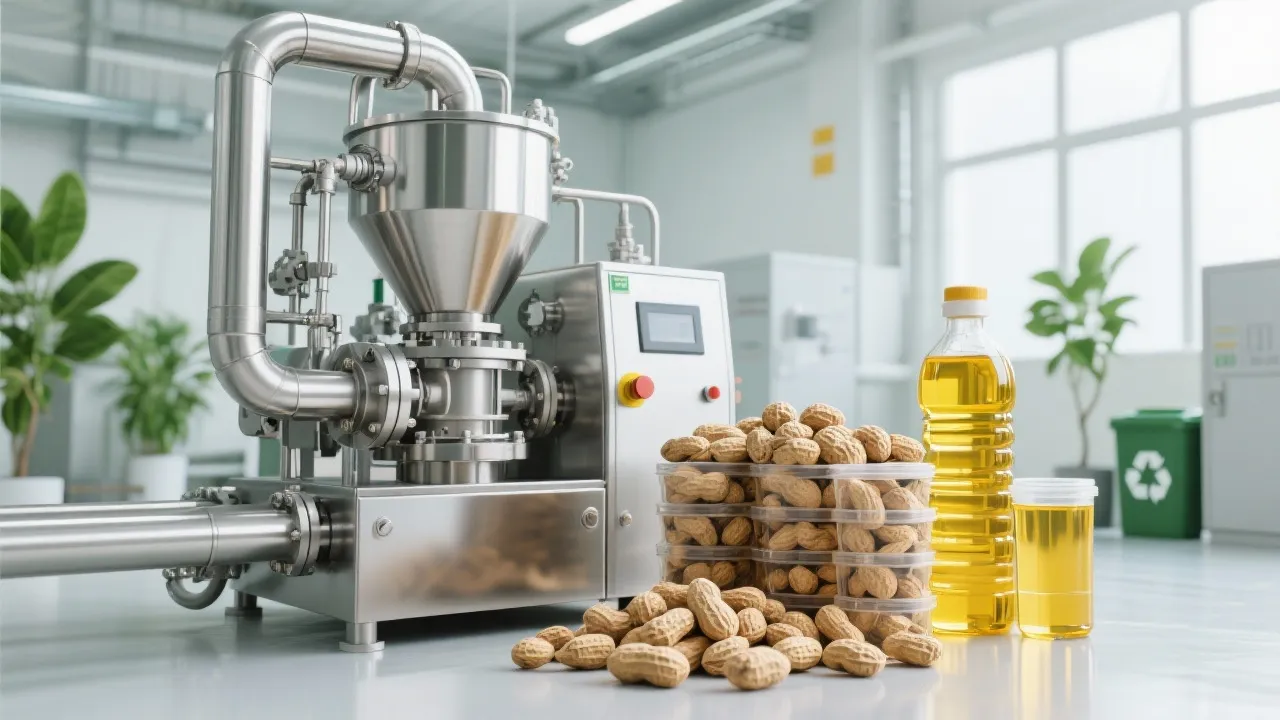
When it comes to small - scale sunflower oil processing, equipment selection is crucial. The equipment should not only be efficient but also easy to operate. The Penguin Group's household sunflower oil extractor is a great choice. It is highly efficient and durable, which can help users achieve efficient and environmentally friendly oil processing. With its user - friendly design, even home users and micro - workshops can easily operate it.
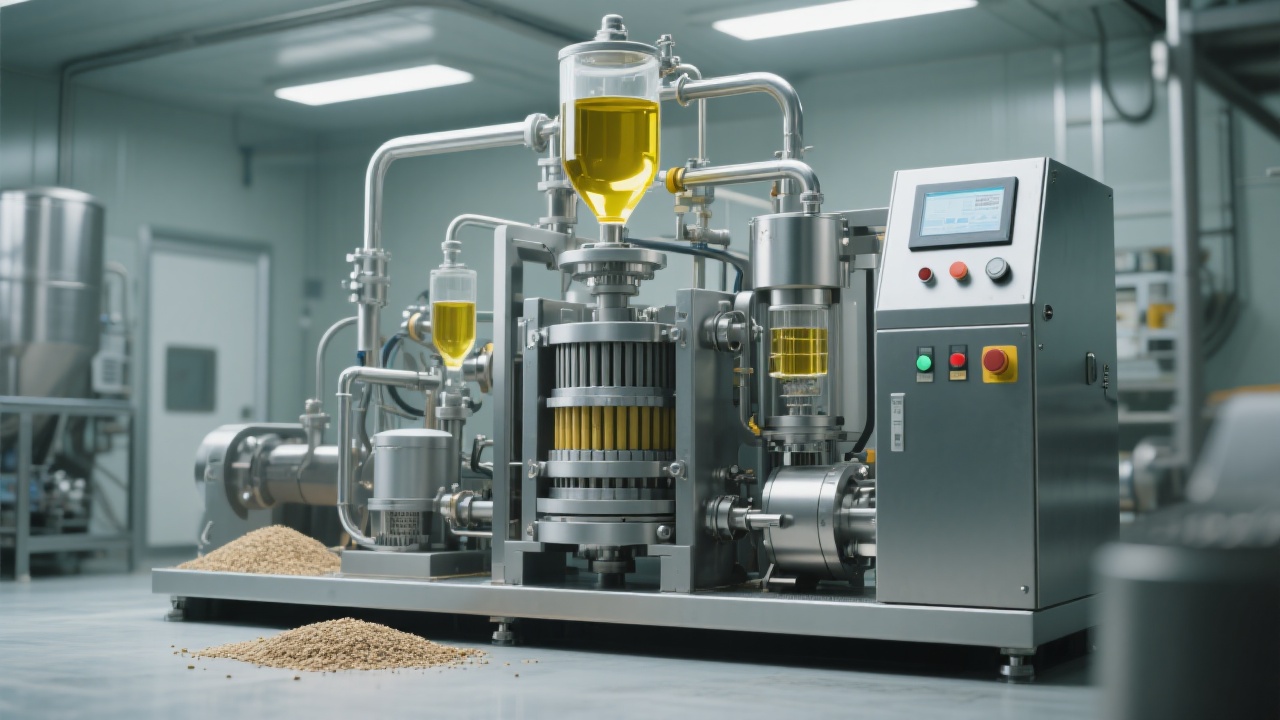
To sum up, small - scale sunflower oil processing has its own set of challenges, but through proper raw material management, scientific pressing cycle arrangement, and the use of suitable equipment, producers can overcome these difficulties and produce high - quality sunflower oil. If you are interested in improving your sunflower oil processing efficiency and quality, click here to learn more about the Penguin Group's household sunflower oil extractor.
 193
|
193
|
 small-scale sunflower seed oil press machine
sunflower oil processing
oil press maintenance
pressing efficiency improvement
healthy edible oil production
467
|
sunflower seed oil press machine
household oil press
commercial oil press
small farm oil processing
sunflower seed oil equipment maintenance
402
|
Sunflower oil extractor
Seed cleaning pressing filtration
Small - scale farm oil machine
High - oil - yield oil machine
ISO9001 - certified equipment
148
|
small farm sunflower seed oil press
home oil press machine
commercial sunflower oil extractor
DIY sunflower oil making
agricultural equipment selection
73
|
sunflower seed oil press
home oil press machine
commercial oil expeller
small farm oil extraction
oil press comparison guide
small-scale sunflower seed oil press machine
sunflower oil processing
oil press maintenance
pressing efficiency improvement
healthy edible oil production
467
|
sunflower seed oil press machine
household oil press
commercial oil press
small farm oil processing
sunflower seed oil equipment maintenance
402
|
Sunflower oil extractor
Seed cleaning pressing filtration
Small - scale farm oil machine
High - oil - yield oil machine
ISO9001 - certified equipment
148
|
small farm sunflower seed oil press
home oil press machine
commercial sunflower oil extractor
DIY sunflower oil making
agricultural equipment selection
73
|
sunflower seed oil press
home oil press machine
commercial oil expeller
small farm oil extraction
oil press comparison guide


.png?x-oss-process=image/resize,h_100,m_lfit/format,webp)
.png?x-oss-process=image/resize,h_100,m_lfit/format,webp)
.png?x-oss-process=image/resize,h_100,m_lfit/format,webp)