
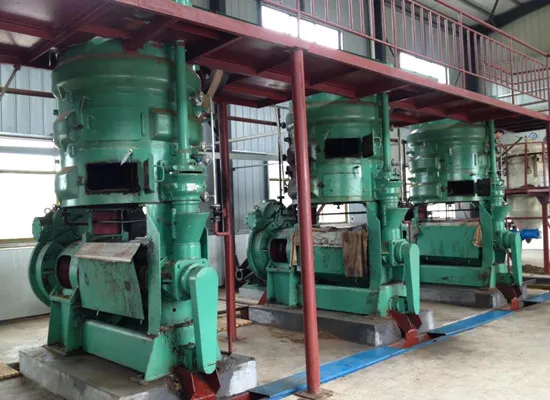
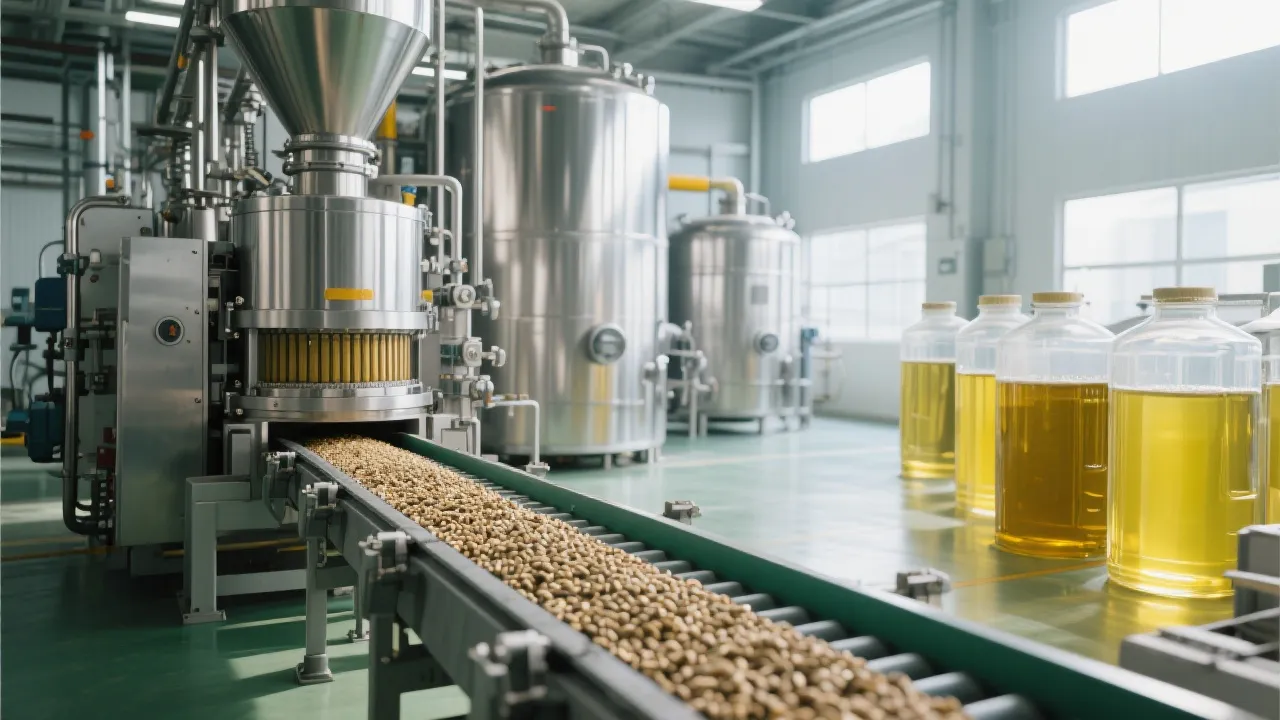
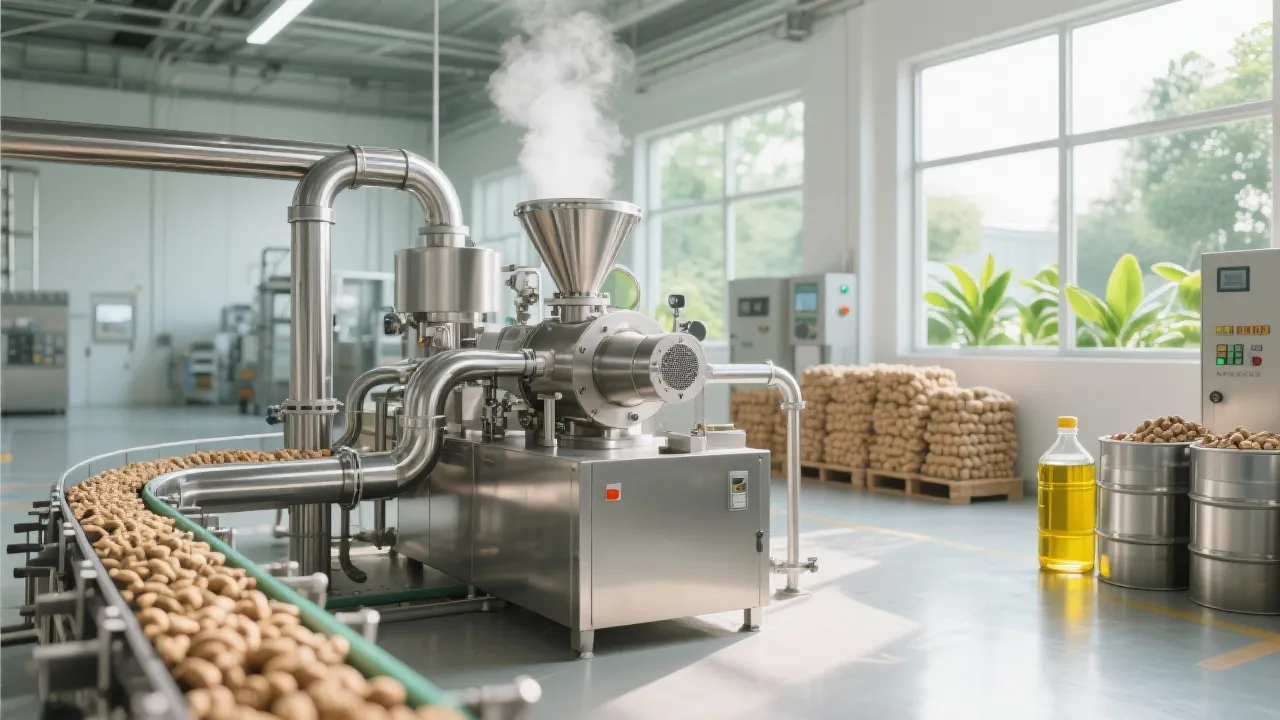
For small-scale sunflower oil producers—especially family-run or micro-factories—the key to success lies not just in having the right equipment, but in mastering process control. A compact, single-screw press from Qiping Group has helped dozens of workshops reduce waste by up to 12% while improving flavor consistency across batches.
In a typical home-based oil mill, inconsistent raw material quality and poor temperature control during pressing can lead to yield drops of 8–15%. According to a 2023 study by the International Association of Food Technologists (IAFT), cold-pressed oils retain more natural antioxidants like vitamin E and polyphenols—key selling points for health-conscious buyers in Europe and North America.
But here’s the catch: cold pressing requires precise moisture content (ideally between 6–8%) and uniform seed size. If your sunflower seeds vary too much in size or moisture level, even a high-quality machine won’t deliver consistent results.
| Method | Oil Yield (%) | Best For | Processing Time per Batch |
|---|---|---|---|
| Cold Press (30–40°C) | 68–72% | Premium markets (EU, US organic labels) | ~2 hours |
| Hot Press (70–90°C) | 75–80% | High-volume domestic use, cost-sensitive regions | ~1 hour |
The choice isn't just about yield—it's about market positioning. Cold-pressed oil commands a 20–30% premium in EU retail channels, while hot-pressed is ideal for bulk supply contracts in Southeast Asia and Africa.
One producer in Gujarat, India, reported that after implementing a simple batch tracking system using QR codes on each container, their customer complaints dropped by 40%. Another in Izmir, Turkey, found that pre-heating seeds at exactly 65°C increased extraction efficiency by 9%, without compromising taste.
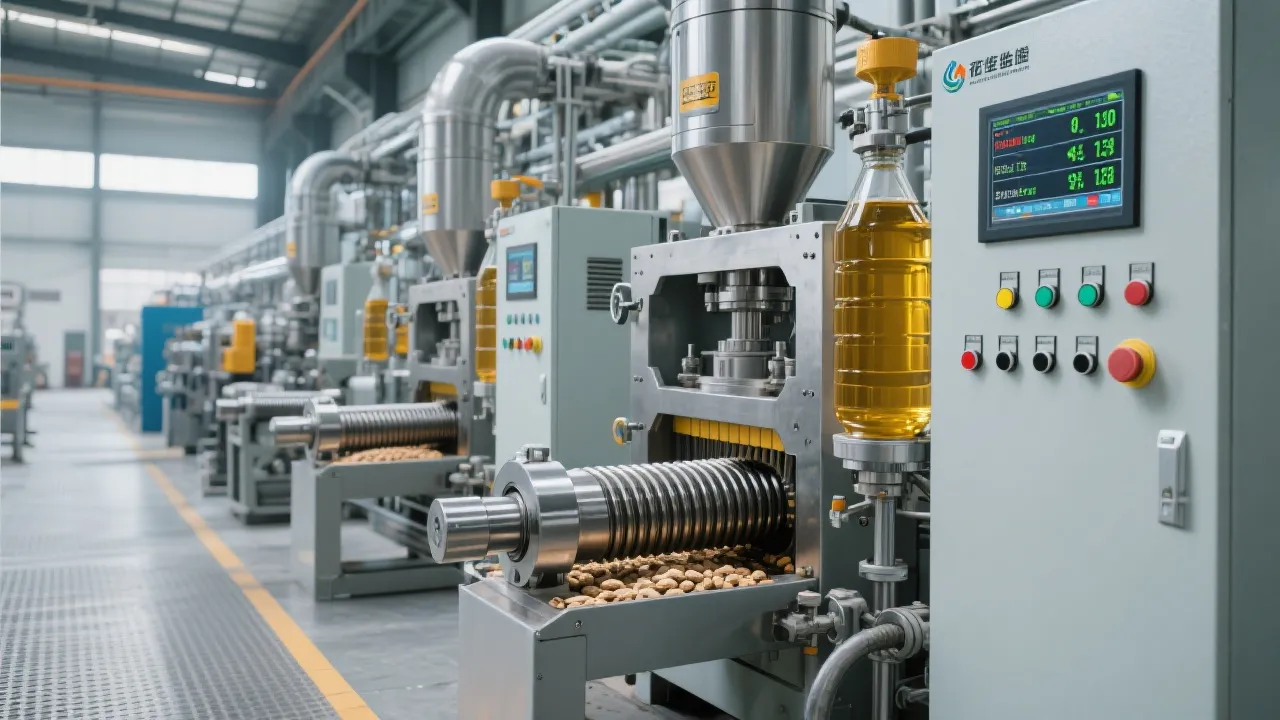
These aren’t one-off wins—they’re repeatable processes. The Qiping compact press includes built-in temperature sensors and adjustable pressure settings, making it easier than ever to standardize operations even in low-tech environments.
 371
|
371
|
 home sunflower oil press
compact oil extraction machine
cold press sunflower oil
small batch oil production
family food processing
422
|
sunflower oil production
small scale oil pressing
cold press vs hot press
oil extraction efficiency
home oil mill operations
93
|
Sunflower oil pressing equipment
Cold pressing vs. hot pressing
Sunflower oil production process
Grain and oil processing equipment
Edible oil refining technology
484
|
small sunflower seed oil press
standard operating procedure
oil yield optimization
equipment maintenance
home oil extraction
75
|
sunflower seed oil press
small oil press for home use
commercial oil press machine
manual vs automatic oil press
how to choose an oil press
home sunflower oil press
compact oil extraction machine
cold press sunflower oil
small batch oil production
family food processing
422
|
sunflower oil production
small scale oil pressing
cold press vs hot press
oil extraction efficiency
home oil mill operations
93
|
Sunflower oil pressing equipment
Cold pressing vs. hot pressing
Sunflower oil production process
Grain and oil processing equipment
Edible oil refining technology
484
|
small sunflower seed oil press
standard operating procedure
oil yield optimization
equipment maintenance
home oil extraction
75
|
sunflower seed oil press
small oil press for home use
commercial oil press machine
manual vs automatic oil press
how to choose an oil press

.jpg?x-oss-process=image/resize,h_800,m_lfit/format,webp)





.png?x-oss-process=image/resize,h_100,m_lfit/format,webp)
.png?x-oss-process=image/resize,h_100,m_lfit/format,webp)
.png?x-oss-process=image/resize,h_100,m_lfit/format,webp)


.jpg?x-oss-process=image/resize,h_800,m_lfit/format,webp)
