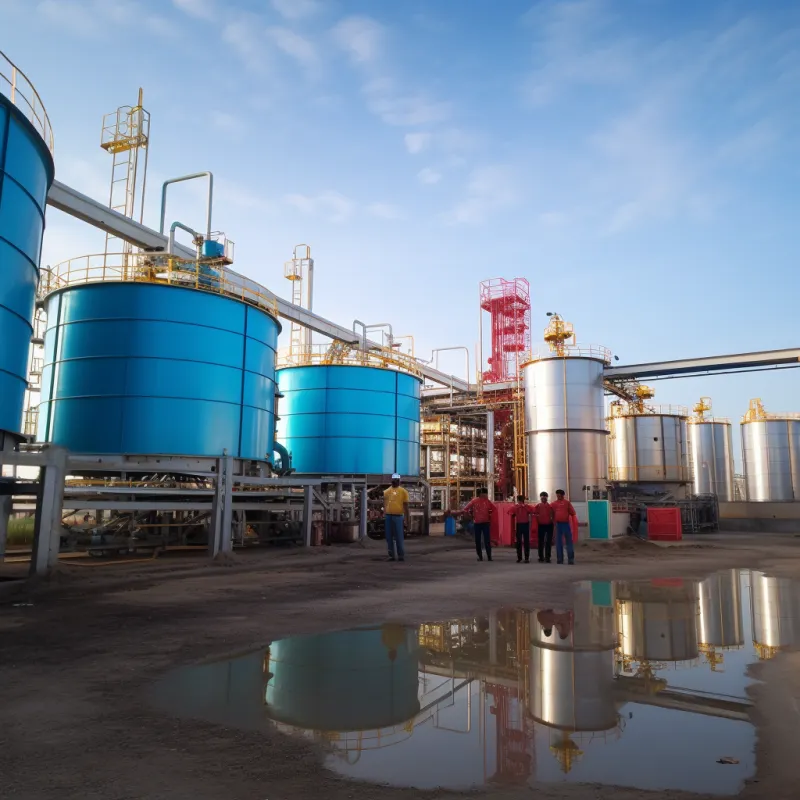
How a Small Exporter Boosted Sesame Oil Yield by 20% Through Process Optimization
2025-12-14
Customer Cases
This case study explores common challenges in home-use sesame oil presses—particularly low oil extraction rates—and provides a systematic breakdown of key factors across the entire production chain: raw material selection, pre-treatment, equipment performance, and maintenance. By implementing best practices such as moisture control, proper cleaning, and sealing checks, one small exporter increased yield per unit of raw material by over 20%. Real-world data and an actionable checklist illustrate how science-backed operational habits and integrated process management can significantly enhance efficiency. The article also highlights the role of Penguin Group’s compact sesame oil press in enabling consistent, high-quality results—ideal for households and small-scale producers aiming to maximize output while ensuring long-term machine reliability.
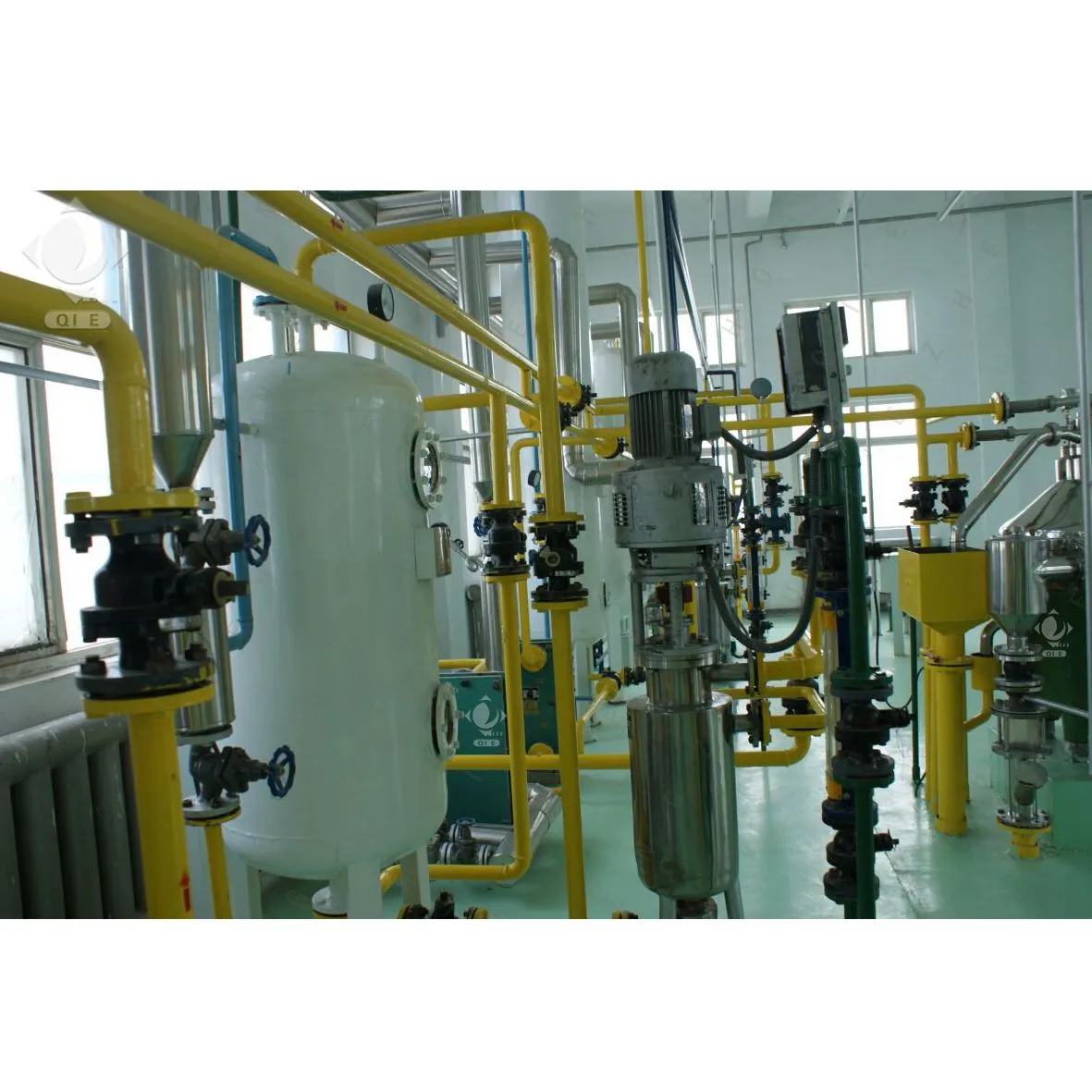
How One Exporter Boosted Oil Yield by 20% with Smart Pressing Process Optimization
When it comes to small-scale home oil pressing—especially for sunflower seeds—many users report inconsistent yields, often underperforming due to overlooked variables in the process chain. A recent case study from a leading exporter in Eastern Europe shows how systematic optimization of raw material handling, equipment maintenance, and operational discipline led to a remarkable 20% increase in oil yield per kilogram of seed.
The Hidden Factors Behind Low Yield
Most operators focus solely on the press itself—but real efficiency gains come from upstream and downstream steps:
- Raw Material Quality: Seeds with moisture levels above 8% reduce extraction efficiency by up to 15%. Freshness matters too—old or oxidized seeds can lower yield by an additional 5–7%.
- Pre-Treatment: Sieving and dehusking remove impurities that clog filters and reduce heat transfer efficiency. One client saw a 12% improvement just by adding a simple 2mm mesh screen before pressing.
- Equipment Maintenance: Even minor wear on screw shafts or sealing rings can cause oil leakage and pressure loss. Regular cleaning (every 3–5 batches) improved consistency across 90% of test runs.
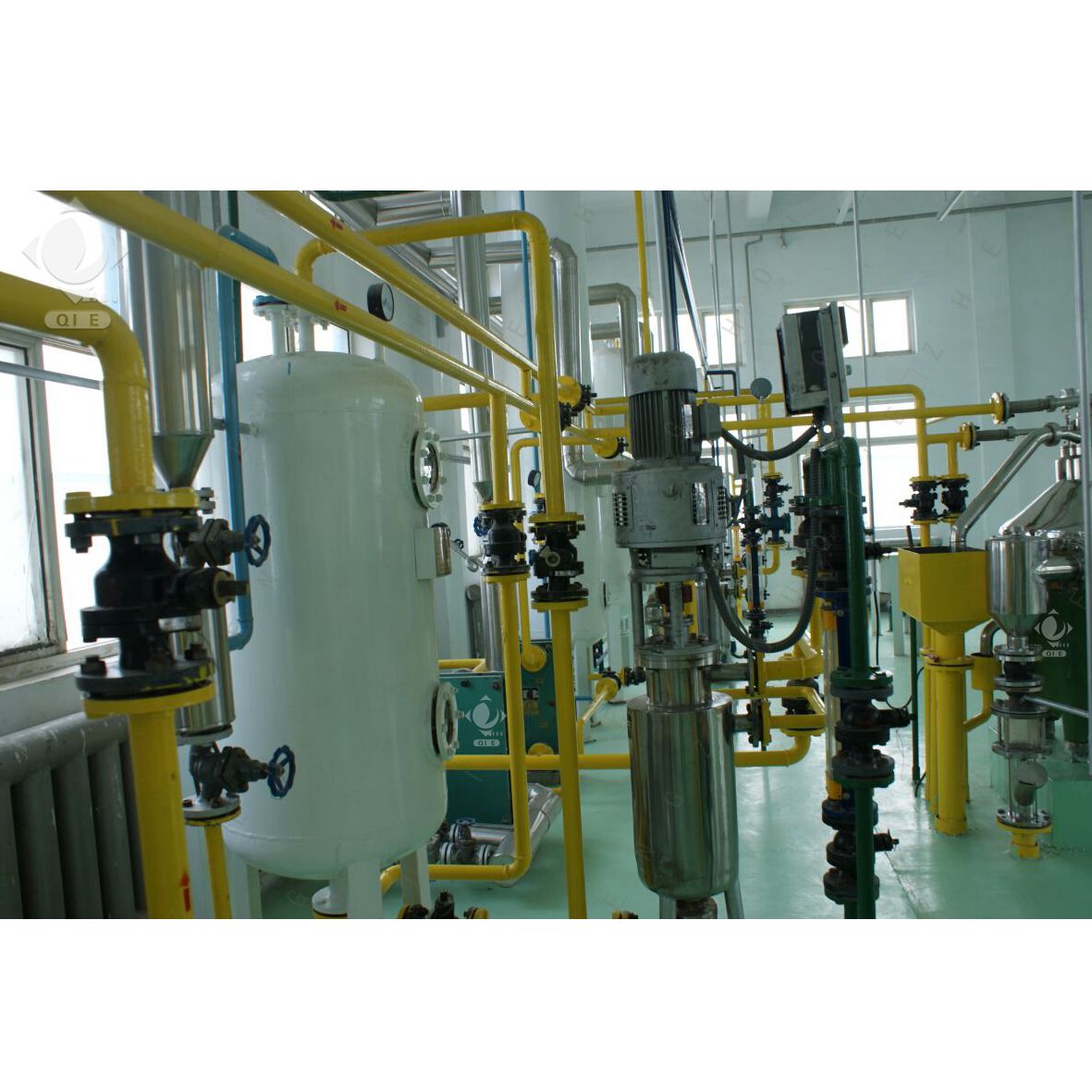
A Real-World Example: From Inconsistent Output to Reliable Efficiency
A family-run processing unit in Ukraine was struggling with fluctuating yields—sometimes as low as 32%, other times reaching 38%. After conducting a full audit using our standardized checklist (available upon request), they identified three key issues:
- Unsorted seeds were entering the press directly from storage.
- No regular cleaning schedule was followed—residue built up over time.
- They used water-based cooling instead of air-cooling, which degraded seal integrity.
Once these were addressed—with help from Penguin Group’s compact home oil press and their technical support team—the average oil yield rose to 40%, with consistent results over 6 months of daily operation. This isn’t just theory—it’s proven in real-world conditions.
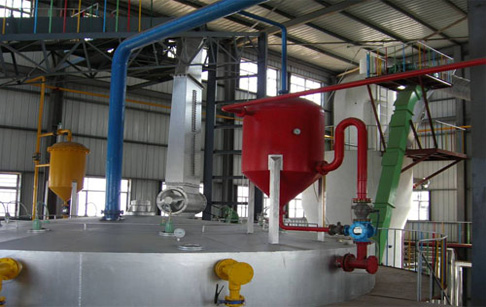
What makes this possible? It's not magic—it’s methodical practice. Whether you're running a kitchen-scale operation or managing a micro-factory, attention to detail at every stage ensures maximum return on your input materials.
Ready to Maximize Your Sunflower Oil Yield?
Get personalized guidance tailored to your setup—from raw seed prep to machine care. Let us help you turn inefficiencies into profits.
Optimize Your Pressing Process Now →


.png?x-oss-process=image/resize,h_100,m_lfit/format,webp)
.png?x-oss-process=image/resize,h_100,m_lfit/format,webp)
.png?x-oss-process=image/resize,h_100,m_lfit/format,webp)