
In the industrial oil processing sector, the presence of tar residues and equipment corrosion are significant pain points that enterprises often encounter. Tar and impurities in oil not only degrade the quality of the oil but also cause corrosion to processing equipment, which shortens the service life of the equipment and increases production costs. For instance, in some large - scale oil processing plants, the corrosion rate of equipment can reach up to 20% - 30% per year due to tar and impurity residues, seriously affecting the continuity and efficiency of production.
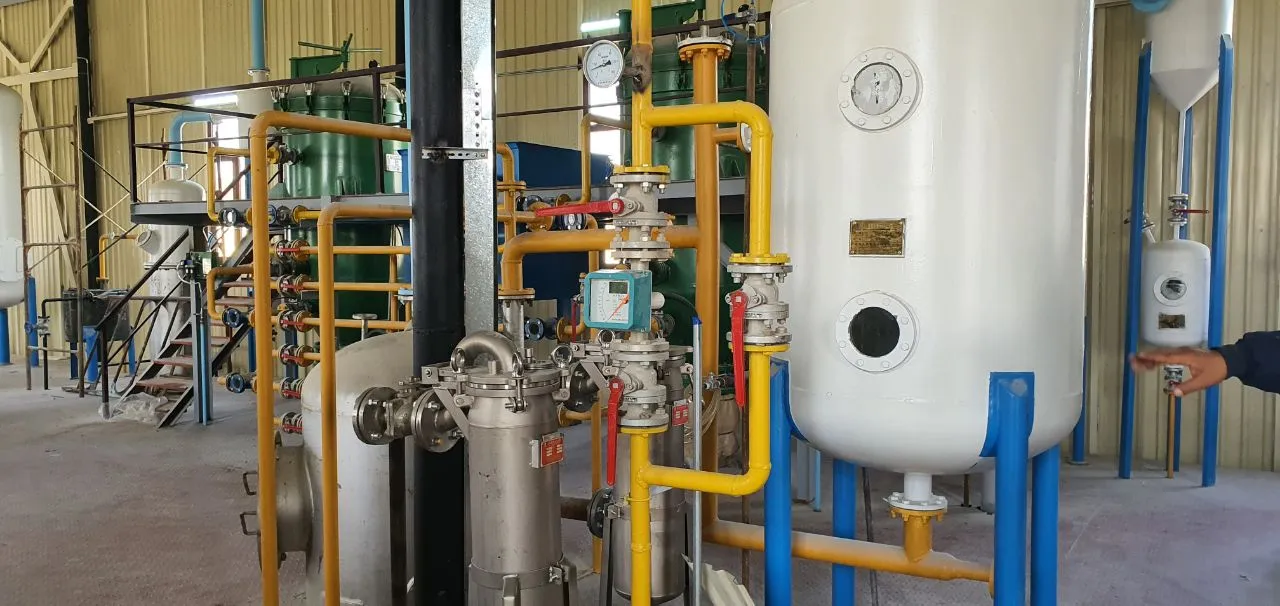
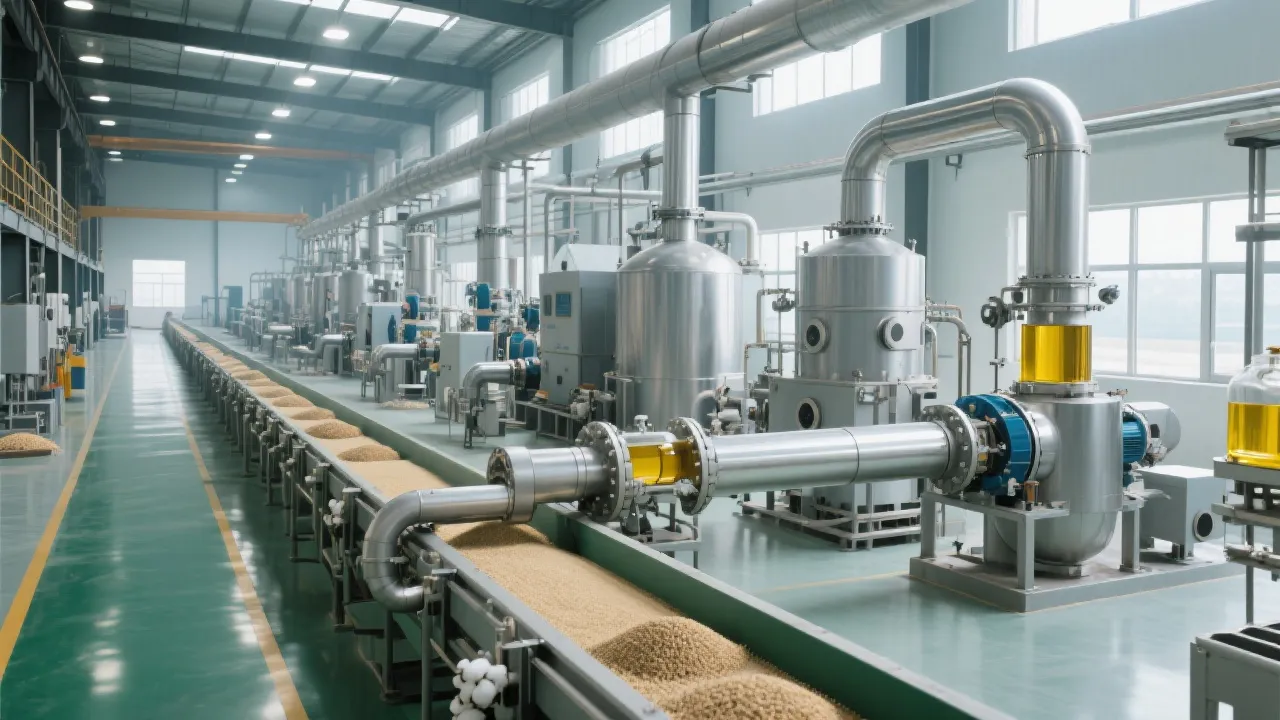
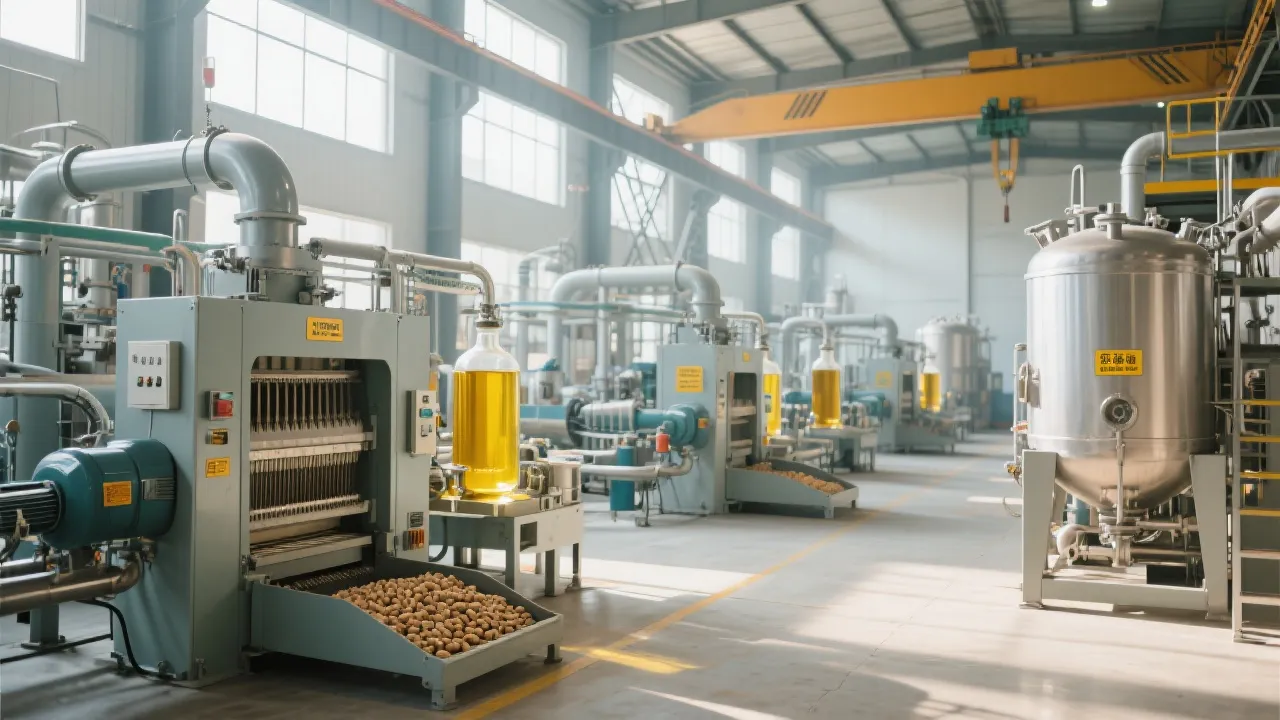
The automatic sunflower oil filter machine launched by QIE Group adopts a multistage filtration process, including pre - filtration, fine filtration, and adsorption. In the pre - filtration stage, large - sized impurities and part of the tar in the oil are removed. The fine filtration stage further filters out smaller particles and some of the remaining tar. Finally, the adsorption stage uses special adsorbents to adsorb the remaining trace tar and impurities. This comprehensive multistage filtration can remove up to 95% of the tar and impurities in the oil, greatly improving the quality of the oil.
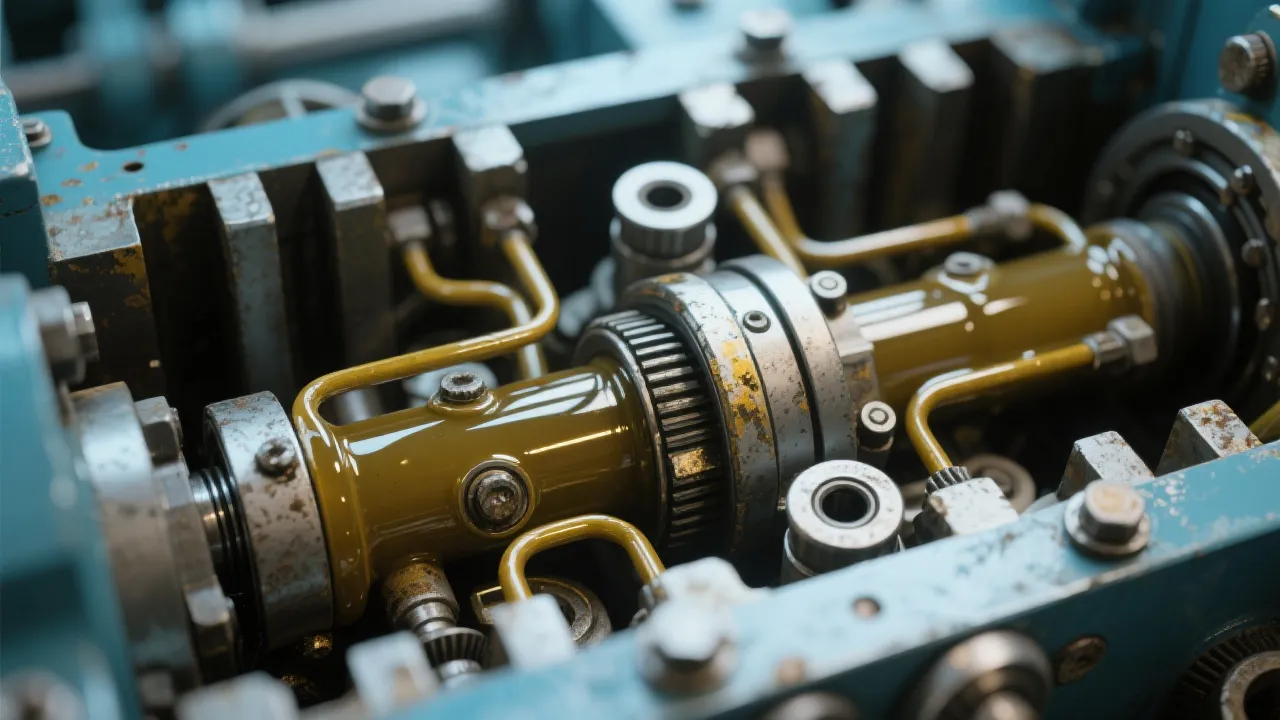
The filter equipment is made of food - grade stainless steel. The chromium and nickel elements in stainless steel form a dense oxide film on the surface, which effectively prevents corrosion caused by tar and other corrosive substances. According to relevant test data, compared with ordinary carbon steel filtration equipment, food - grade stainless steel filtration equipment can reduce the corrosion rate by more than 80%, ensuring the long - term stable operation of the equipment.
The automatic control system of the filter machine, such as PID temperature control and pressure feedback, plays a crucial role in reducing labor intensity and ensuring stable production. The PID temperature control system can accurately control the temperature of the oil during the filtration process, ensuring that the filtration efficiency remains stable under different temperature conditions. The pressure feedback system can monitor the pressure inside the filter in real - time. Once the pressure exceeds the set value, it will automatically adjust the filtration speed or issue an alarm, avoiding equipment damage caused by over - pressure and ensuring the safety of the production process. With the automatic control system, the labor intensity of workers can be reduced by about 50%, and the production stability can be improved by more than 30%.
In the edible oil industry, the requirements for oil quality are extremely high. The filter machine can effectively remove tar and impurities in the oil, ensuring that the edible oil meets food safety standards. At the same time, the food - grade stainless steel material ensures that the oil will not be contaminated during the filtration process.
For the cosmetic raw material industry, the purity of the oil is crucial for the quality of cosmetics. The high - precision filtration function of the machine can meet the strict requirements of the cosmetic industry for raw material purity, providing high - quality raw materials for the production of cosmetics.
In the industrial lubricant industry, the presence of tar and impurities can affect the lubrication performance of the lubricant. The filter machine can improve the quality of the lubricant, extend the service life of mechanical equipment, and reduce the maintenance cost of equipment.
The technology of the filter machine complies with the latest ISO9001:2000 quality standard, which means that it has a strict quality management system in the production process. In addition, the machine also holds national patent technology, which reflects its leading position in the field of industrial oil filtration technology.
By analyzing data such as the turbidity and impurity content of the oil before and after filtration, we can accurately judge the filtration effect and determine the optimal filtration cycle. In general, for different industries, the filtration cycle can be adjusted according to the actual production volume and oil quality requirements. For example, in the edible oil industry, the filtration cycle may be shorter to ensure the high quality of the oil. Optimizing the filtration cycle can not only improve the filtration efficiency but also save energy and reduce production costs.
If you want to learn more about industrial oil filtration technology and how to optimize the filtration cycle, please click here to view our technical manual. You are also welcome to leave a message to discuss your application problems.
 490
|
490
|
 sunflower oil filtration equipment
industrial oil filtering systems
tar removal technology
automated oil filtration
filtration system maintenance
483
|
Reasons for low output of home oil presses
Improvement of sunflower seed oil extraction efficiency
Usage tips for home oil presses
Maintenance guide for oil presses
Optimization of oil press oil yield
62
|
Sunflower oil extractor
Small farm oil processing
High oil yield and low energy consumption equipment
Stainless-steel oil press
Green and healthy edible oil production
495
|
Sunflower seed oil yield improvement techniques
Household oil press usage guide
How to increase oil yield of small oil presses
Mechanical pressing vs chemical extraction
Household grain and oil processing practices
109
|
Sunflower oil processing
Small-scale pressing equipment
Mechanical pressing technology
Raw material batch management
Oil extraction rate improvement
sunflower oil filtration equipment
industrial oil filtering systems
tar removal technology
automated oil filtration
filtration system maintenance
483
|
Reasons for low output of home oil presses
Improvement of sunflower seed oil extraction efficiency
Usage tips for home oil presses
Maintenance guide for oil presses
Optimization of oil press oil yield
62
|
Sunflower oil extractor
Small farm oil processing
High oil yield and low energy consumption equipment
Stainless-steel oil press
Green and healthy edible oil production
495
|
Sunflower seed oil yield improvement techniques
Household oil press usage guide
How to increase oil yield of small oil presses
Mechanical pressing vs chemical extraction
Household grain and oil processing practices
109
|
Sunflower oil processing
Small-scale pressing equipment
Mechanical pressing technology
Raw material batch management
Oil extraction rate improvement




.png?x-oss-process=image/resize,h_100,m_lfit/format,webp)
.png?x-oss-process=image/resize,h_100,m_lfit/format,webp)
.png?x-oss-process=image/resize,h_100,m_lfit/format,webp)



.jpg?x-oss-process=image/resize,h_800,m_lfit/format,webp)