If you're pressing sunflower seeds at home or in a small workshop and still seeing low oil output, it's not necessarily your machine—it’s likely how you’re preparing the raw material and operating the press.
According to industry data from the International Oilseed Processing Association, improperly pre-treated sunflower seeds can reduce oil yield by up to 30% compared to scientifically optimized processes. That means if your current yield is 55%, proper preparation could push it to over 75%—without upgrading equipment.
Key factors:
✅ Quick Check: Your Pre-Press Checklist
Many users overlook simple maintenance steps—yet these often account for 40% of lost efficiency. A study by the European Agri-Food Machinery Institute found that machines with daily cleaning routines had 27% higher consistency in output than those cleaned weekly.
Focus on three critical areas:
Real-world example: A small family-run oil mill in Ukraine increased their monthly output by 35% after implementing a bi-weekly maintenance schedule and replacing worn die plates. They didn’t buy new equipment—they just fixed what was already there.
Whether you’re running a kitchen-based setup or a micro-factory, optimizing each step ensures no grain goes to waste. The goal isn’t just more oil—it’s better quality, lower costs, and consistent performance.
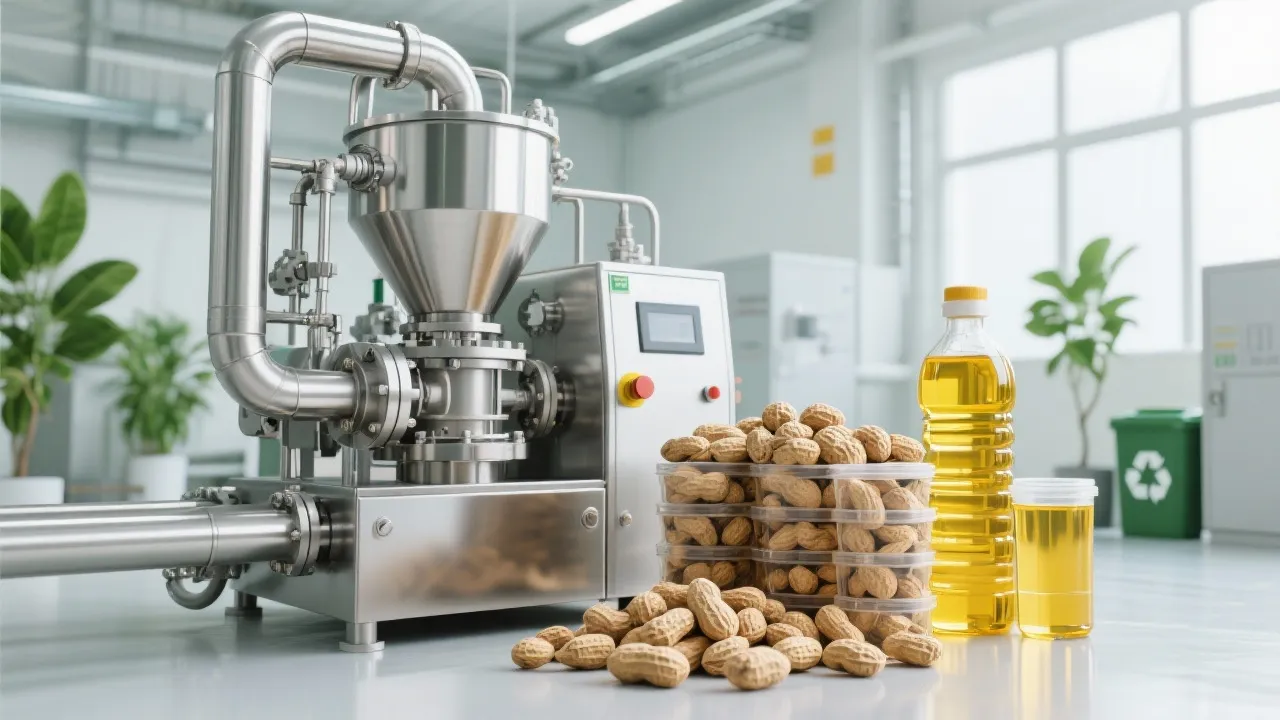
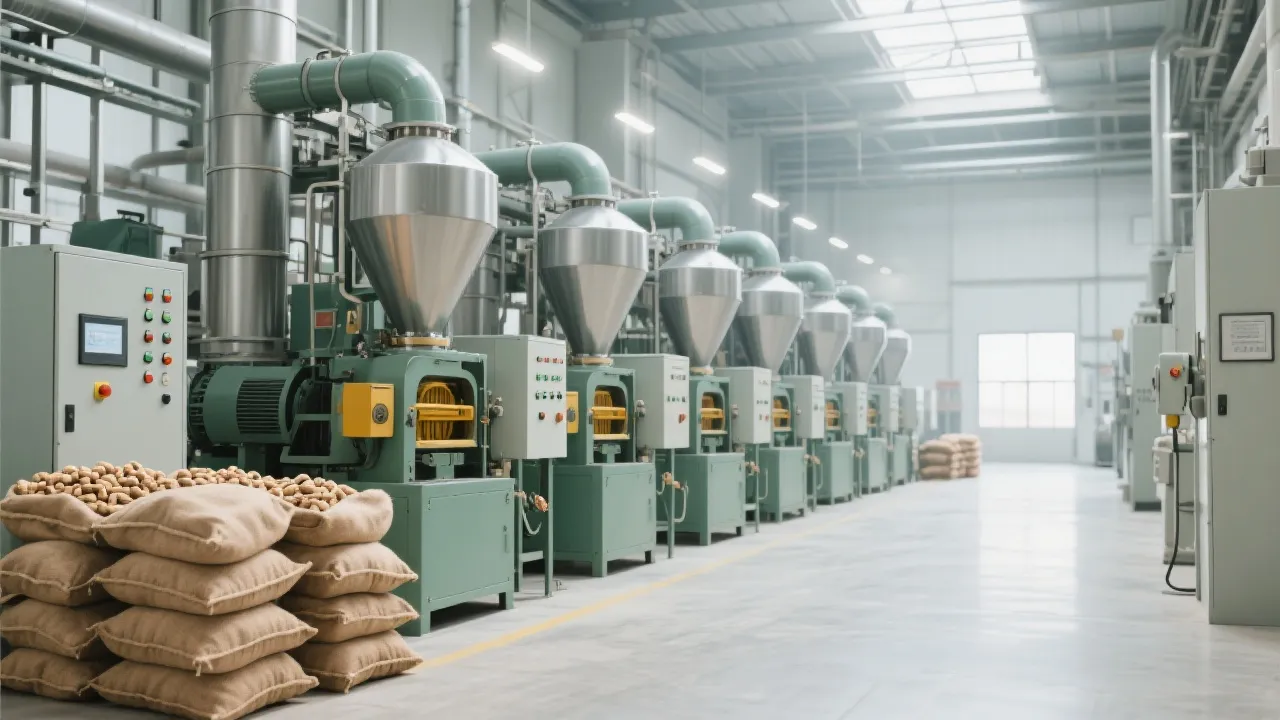
That’s exactly why many smart operators choose compact, easy-to-clean presses like the Qingping Mini Sunflower Oil Extractor. Designed for both households and small workshops, it features a stainless steel chamber, self-cleaning mechanism, and durable construction that withstands daily use without frequent repairs.
Get expert advice tailored to your setup — including free installation guidance and troubleshooting tips.
👉 Schedule Your Free Consultation Now 355
|
355
|
 compact sunflower seed oil extractor
small farm oil press machine
high oil yield oil extraction equipment
ISO9001 certified oil press
global technical support oil machinery
197
|
sunflower seed oil yield improvement
home oil press operation guide
increase oil extraction efficiency
mechanical oil pressing vs chemical extraction
home sunflower seed oil press
141
|
sunflower seed oil yield improvement
small oil press machine operation
home sunflower oil extraction
mechanical oil pressing techniques
raw material pretreatment for oil pressing
396
|
Sunflower oil extractor
Compact oil pressing equipment
High-strength stainless steel structure
Small farm oil processing
Green healthy edible oil
320
|
Sunflower oil press
Household oil pressing equipment
Commercial small - scale oil press
Oil press structural design
Sunflower oil processing technology
compact sunflower seed oil extractor
small farm oil press machine
high oil yield oil extraction equipment
ISO9001 certified oil press
global technical support oil machinery
197
|
sunflower seed oil yield improvement
home oil press operation guide
increase oil extraction efficiency
mechanical oil pressing vs chemical extraction
home sunflower seed oil press
141
|
sunflower seed oil yield improvement
small oil press machine operation
home sunflower oil extraction
mechanical oil pressing techniques
raw material pretreatment for oil pressing
396
|
Sunflower oil extractor
Compact oil pressing equipment
High-strength stainless steel structure
Small farm oil processing
Green healthy edible oil
320
|
Sunflower oil press
Household oil pressing equipment
Commercial small - scale oil press
Oil press structural design
Sunflower oil processing technology


.png?x-oss-process=image/resize,h_100,m_lfit/format,webp)
.png?x-oss-process=image/resize,h_100,m_lfit/format,webp)
.png?x-oss-process=image/resize,h_100,m_lfit/format,webp)

.jpg?x-oss-process=image/resize,h_800,m_lfit/format,webp)