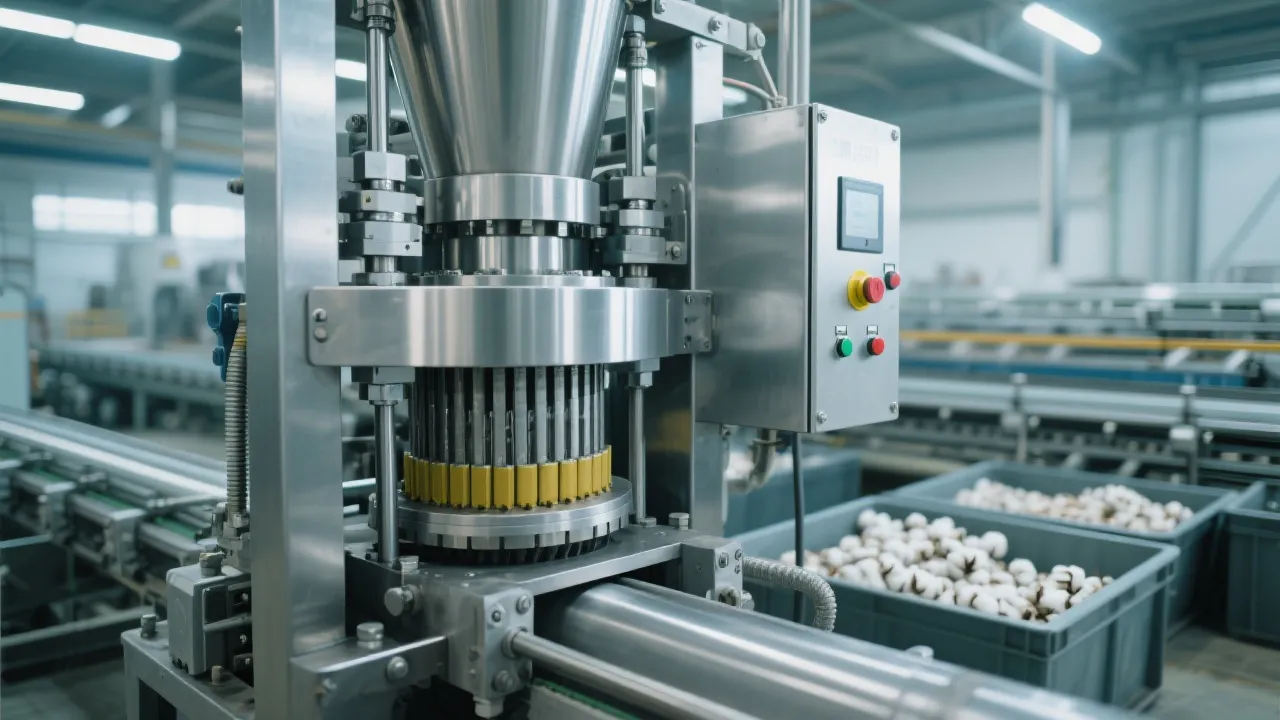
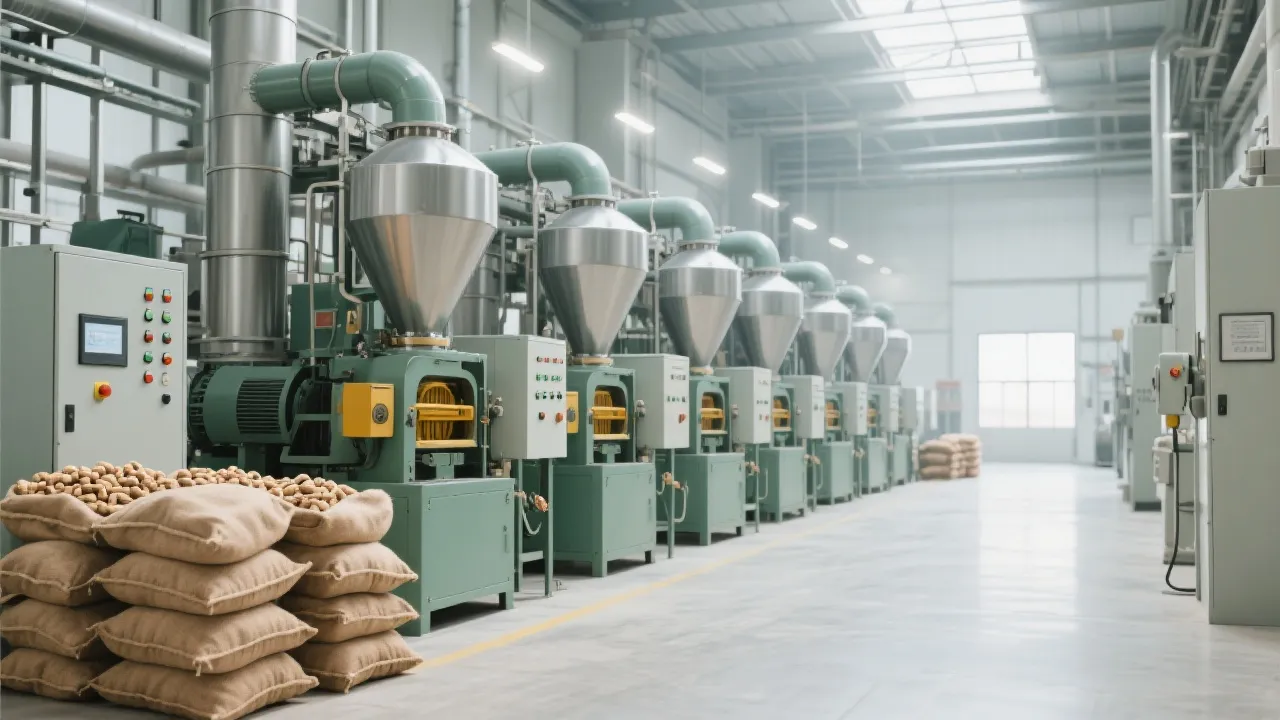
In the realm of industrial oil processing, the presence of tar residues has long been a critical challenge, especially in the production of edible oils and cosmetic raw materials. Tar can significantly degrade the quality of the oils, leading to issues such as poor taste, reduced shelf - life, and non - compliance with industry standards. This problem is not isolated; it is a widespread concern across various industrial sectors.
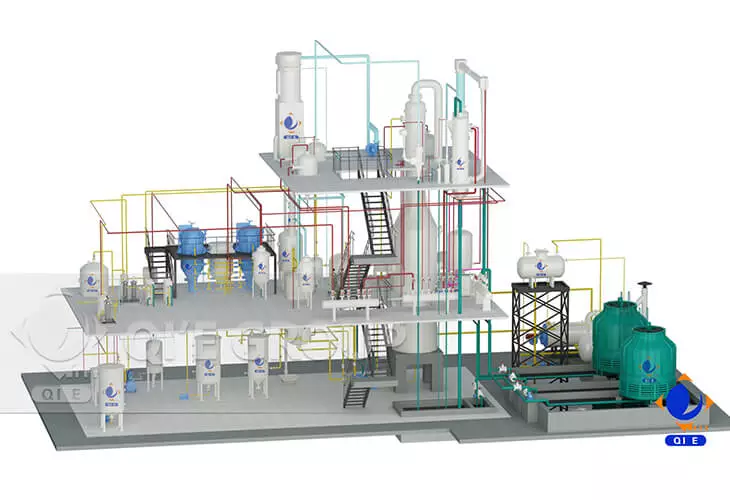
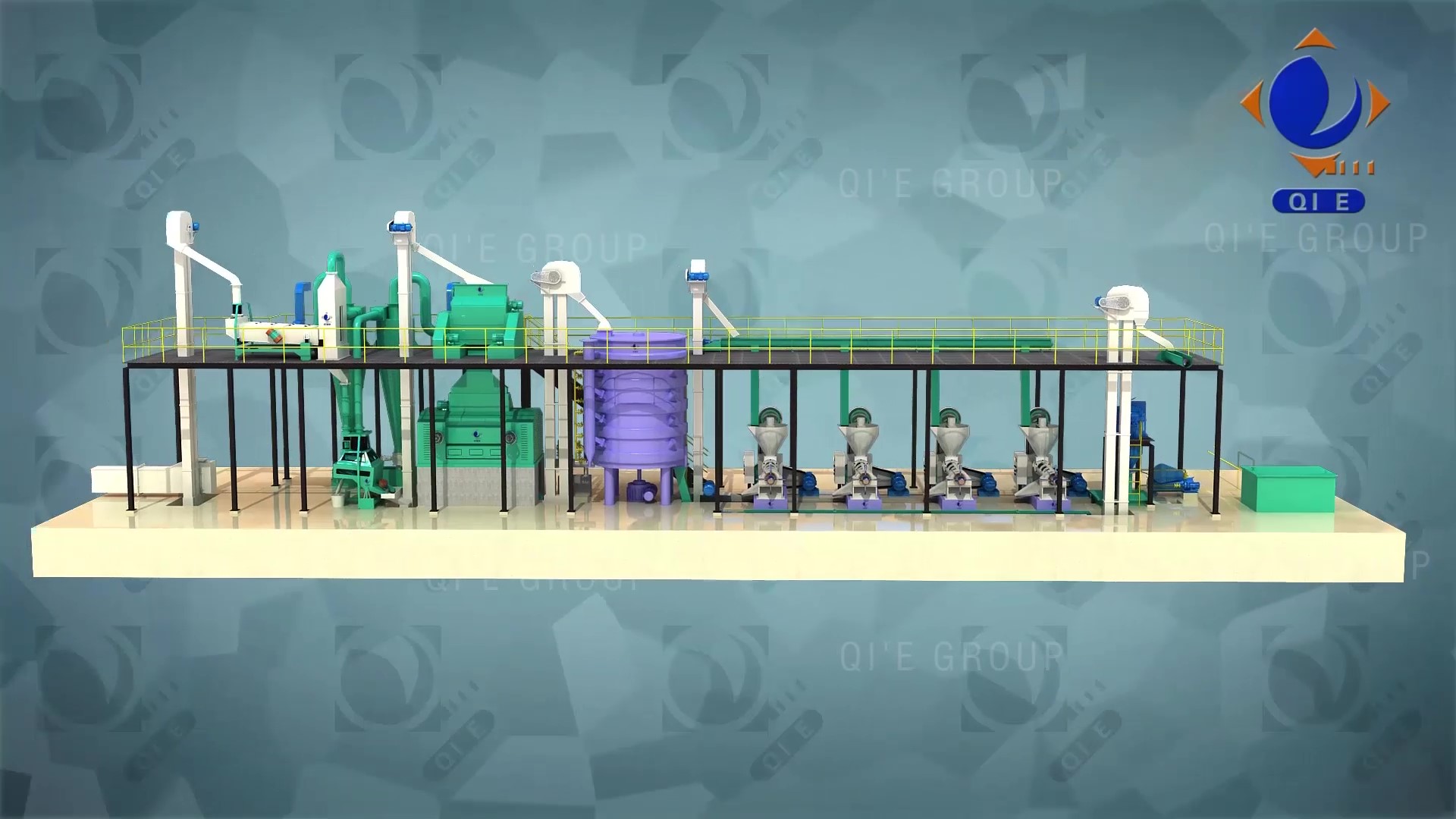
To combat the tar problem, QIE Group fully automatic sunflower oil filter applies a pre - filtration + fine - filtration + adsorption triple - layer structure. The pre - filtration process initially removes large - sized impurities and a significant portion of the tar. Subsequently, the fine - filtration stage further refines the oil, capturing smaller particles and tar components. Finally, the adsorption process uses special adsorbents to trap the remaining trace amounts of tar. This comprehensive approach can achieve a tar removal rate of up to 98%, as demonstrated in many real - world applications.
The filter equipment is made of food - grade stainless steel, which has a unique passivation layer protection mechanism. This passivation layer acts as a barrier, preventing the steel from reacting with substances in the oil, such as acids and alkalis, and effectively resisting corrosion. Compared with ordinary materials, the food - grade stainless steel used in this equipment can extend the service life of the filter by 3 - 5 years, reducing the frequency of equipment replacement and maintenance costs.
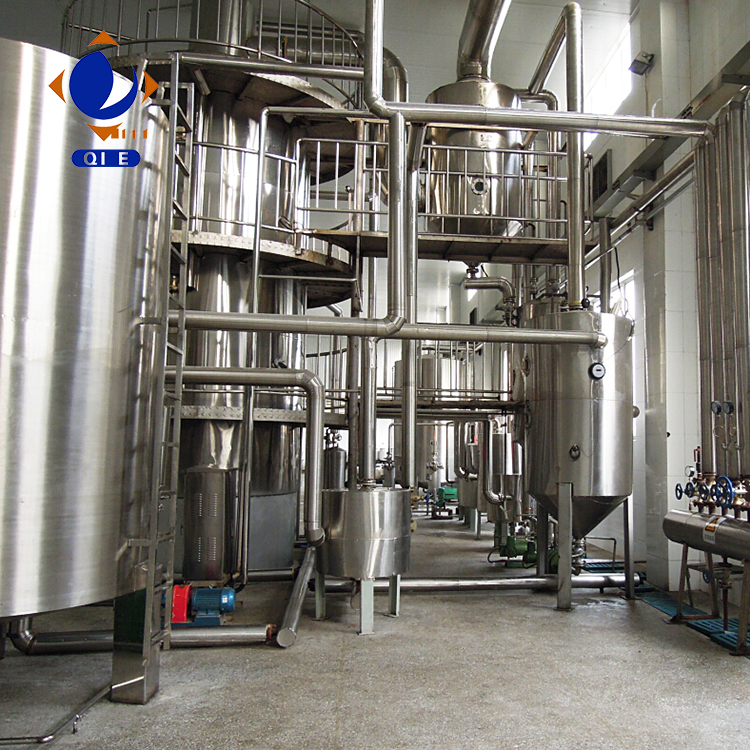
Automation systems, such as PID temperature control and pressure feedback, play a crucial role in the filter's operation. The PID temperature control system precisely maintains the oil temperature within a set range, ensuring the stability of the filtration process. The pressure feedback system monitors the pressure inside the filter in real - time, adjusting the filtration speed and other parameters accordingly. This intelligent control logic can reduce the risk of equipment failure by 40%, thereby improving the continuity of production.
Different industries, such as edible oil processing, cosmetic raw material purification, and industrial lubricating oil production, have distinct process parameter requirements. For example, in edible oil production, the focus is on removing harmful substances while maintaining the nutritional value of the oil. In the cosmetic industry, strict microbial and heavy - metal limits must be met. The equipment from QIE Group can be customized to meet these specific requirements, providing tailored technological solutions for each industry.
According to international standards such as ISO 9001:2000 and national standards like the GB/T 5009 series, compliance is crucial in industrial oil processing. Using compliant filtration equipment can help enterprises avoid legal risks and enhance their market competitiveness.
Let's take a look at a real - world example. A well - known edible oil company used QIE Group filter. Before using the new filter, the tar content in their oil was as high as 2%. After the installation of the filter, the tar content dropped to 0.04%, achieving a tar removal rate of 98%. This not only improved the quality of their products but also increased their production efficiency by reducing the frequency of equipment cleaning and maintenance.
How can you determine if the filtration cycle is reasonable? One method is to monitor the change in the pressure difference across the filter. When the pressure difference reaches a certain value, it indicates that the filter is approaching its saturation point, and the filtration cycle may need to be adjusted.
If you're interested in learning more about cutting - edge filtration technologies, their benefits for your specific industry, and how they can improve your product quality and production efficiency, visit our Technical Manual.
 141
|
141
|
 sunflower seed oil yield improvement
small oil press machine operation
home sunflower oil extraction
mechanical oil pressing techniques
raw material pretreatment for oil pressing
209
|
Small sunflower seed oil press
Compact oil extraction equipment
Household grain and oil processing
Sunflower seed oil quality control
Grain and oil workshop yield optimization
141
|
Sunflower oil press
Small oil press selection
Difference between household and commercial oil presses
Farm oil press maintenance
Green and healthy edible oil
135
|
Household sunflower oil press
Commercial small - scale oil press
Sunflower oil extraction efficiency
Small - scale oil press purchasing guide
Household grain and oil processing equipment
148
|
small farm sunflower seed oil press
home oil press machine
commercial sunflower oil extractor
DIY sunflower oil making
agricultural equipment selection
sunflower seed oil yield improvement
small oil press machine operation
home sunflower oil extraction
mechanical oil pressing techniques
raw material pretreatment for oil pressing
209
|
Small sunflower seed oil press
Compact oil extraction equipment
Household grain and oil processing
Sunflower seed oil quality control
Grain and oil workshop yield optimization
141
|
Sunflower oil press
Small oil press selection
Difference between household and commercial oil presses
Farm oil press maintenance
Green and healthy edible oil
135
|
Household sunflower oil press
Commercial small - scale oil press
Sunflower oil extraction efficiency
Small - scale oil press purchasing guide
Household grain and oil processing equipment
148
|
small farm sunflower seed oil press
home oil press machine
commercial sunflower oil extractor
DIY sunflower oil making
agricultural equipment selection


.png?x-oss-process=image/resize,h_100,m_lfit/format,webp)
.png?x-oss-process=image/resize,h_100,m_lfit/format,webp)
.png?x-oss-process=image/resize,h_100,m_lfit/format,webp)



.jpg?x-oss-process=image/resize,h_800,m_lfit/format,webp)