
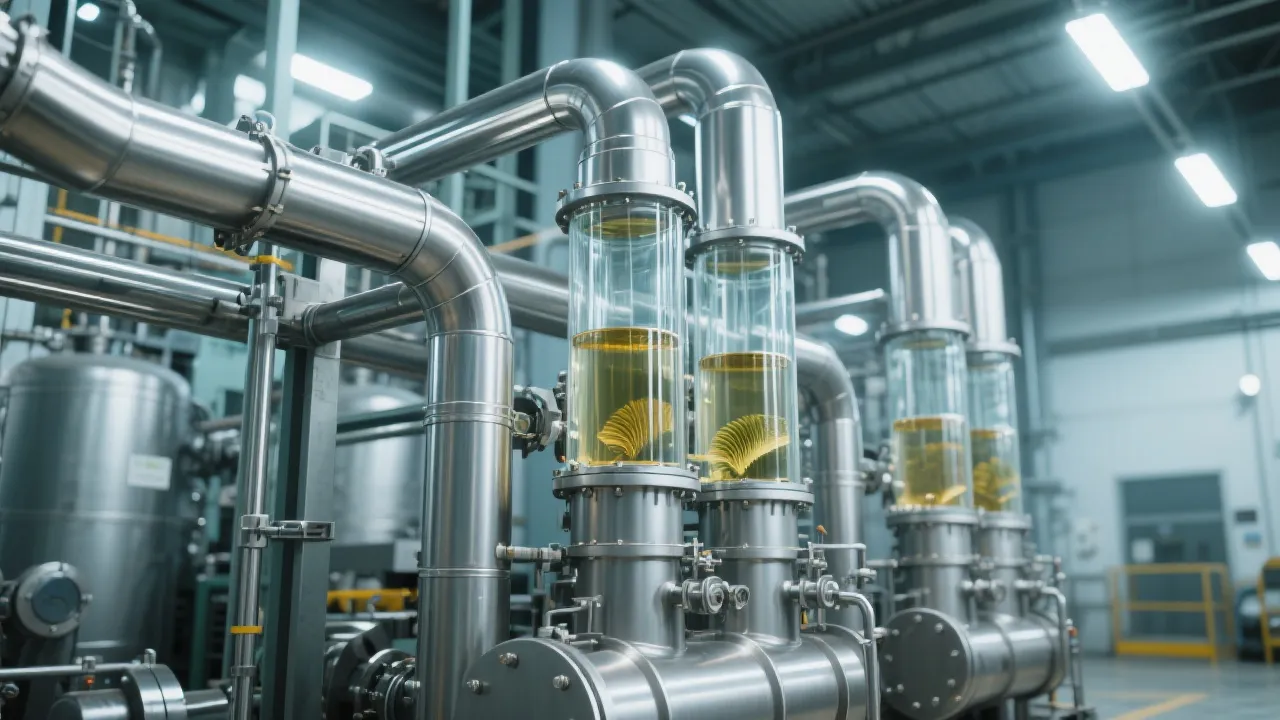
For home users and small workshops engaged in sunflower seed oil production, understanding the trade-offs between mechanical pressing and chemical extraction is crucial. This in-depth analysis reveals practical techniques and technology insights to maximize oil yield without compromising quality or safety.
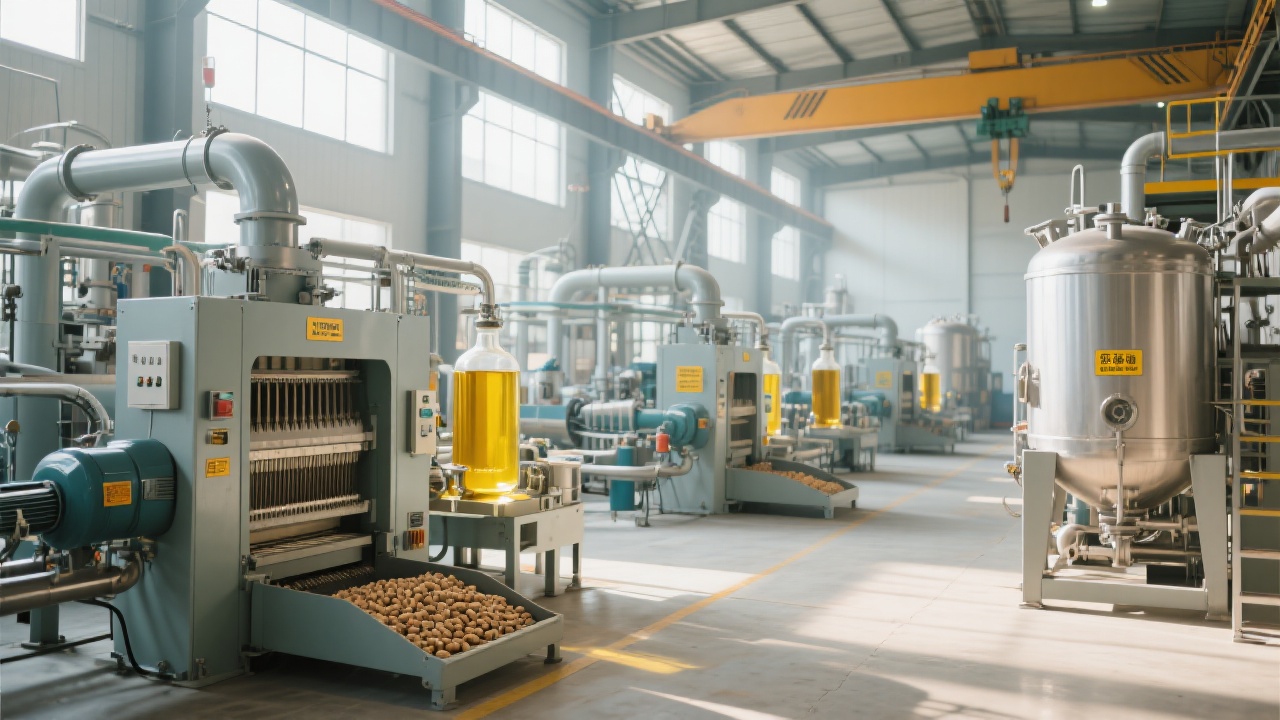
Mechanical pressing involves physically squeezing oil from sunflower seeds via a screw press or hydraulic press, producing an oil typically richer in natural nutrients and free from chemical residues. In contrast, chemical extraction uses solvents like hexane to dissolve and extract oil quickly, often resulting in higher yields but requiring post-processing to remove chemicals.
For household processing, mechanical pressing is recommended due to its simplicity, safety, and preservation of oil quality. Typically, mechanical pressing on small-scale machines yields around 35–45% oil extraction based on seed weight, while chemical extraction can reach up to 50–55%. However, the chemical approach demands specialized knowledge, costly equipment, and raises safety concerns unsuitable for home use.
To improve sunflower oil extraction at home, mastery over several technical variables is essential:
| Factor | Optimal Range / Technique | Impact on Oil Yield |
|---|---|---|
| Seed Moisture (Drying) | 8–10% moisture content | Prevents mold, eases pressing, improves yield by up to 12% |
| Seed Size Reduction | Crack into 2–3 mm fragments before pressing | Increases surface area, enhancing oil release efficiency by approximately 8% |
| Pressing Temperature | 50°C to 70°C (controlled heat) | Improves oil fluidity and yield, balancing nutrient retention |
| Applied Pressure | Consistent 30–50 MPa | Maximizes oil separation, prevents seed shell fragments mixing |
Step 1: Proper Seed Preparation
Ensure sunflower seeds are cleaned and dried to around 9% moisture. Use a sieve or airflow to remove dust and foreign particles. Slightly cracking seeds using a manual crusher or milling device improves pressing efficiency.
Step 2: Controlled Heating
Gently warm seeds to an ideal range of 50–70°C before pressing. This can be achieved with a low-heat drying oven or oil press preheating feature. Temperature over 75°C risks nutrient degradation, while below 45°C reduces fluidity.
Step 3: Calibration of Pressing Pressure
Use a machine capable of sustaining steady pressure between 30 and 50 megapascals. Pressure calibration avoids shell crushing and maximizes oil flow; some modern small presses offer adjustable screw speed and pressure controls.
Step 4: Stepwise Pressing Cycles
Press seeds in small, consistent batches allowing the machine to cool slightly between cycles. Repeated pressing of the cake (residual seed pulp) can increase oil recovery by 5–7%.
A family-operated sunflower oil workshop in Eastern Europe implemented these optimized procedures and reported a 15% increase in oil yield within the first two months. By adjusting seed drying and pressure control, their oil quality also received excellent feedback from local markets, reinforcing the value of proper technique.
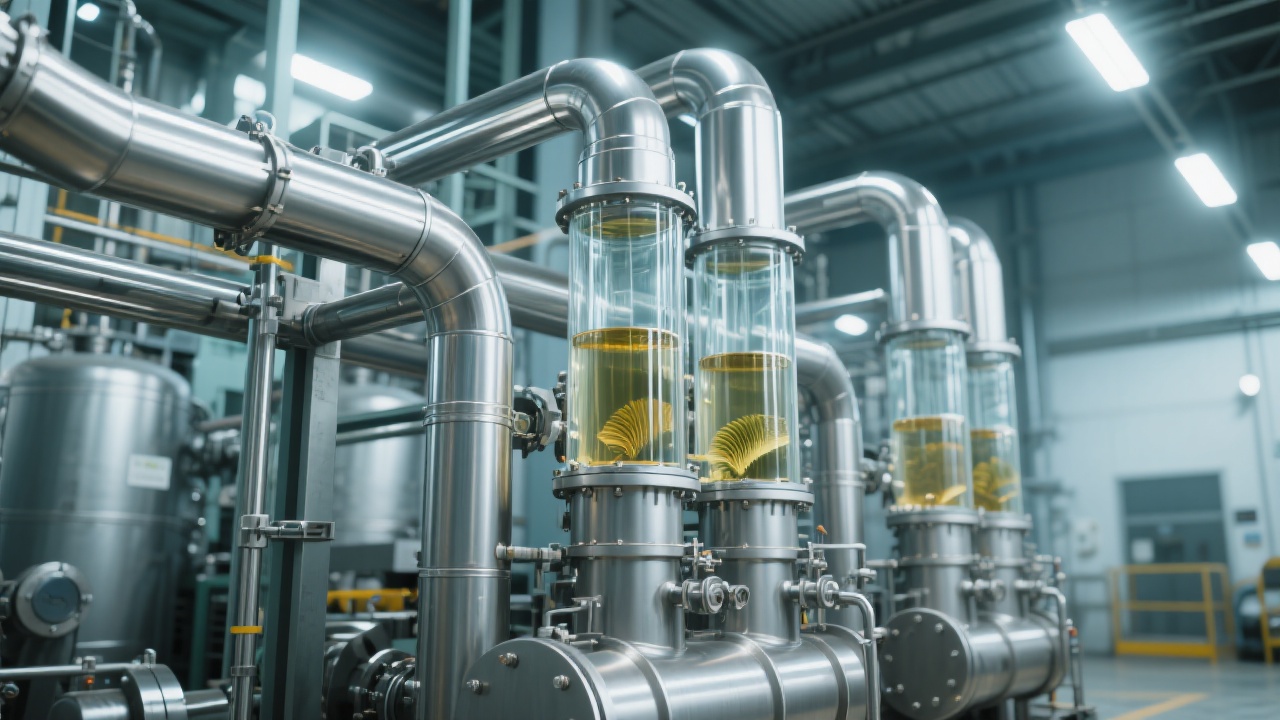
To deepen understanding, many manufacturers provide multimedia tutorials including step-by-step instructional videos visualizing seed preparation, temperature adjustment, and pressing operation. Users report higher confidence and improved outcomes when following such resources.
An interactive FAQ section addressing questions like "How do I tell if the seeds are dry enough?" or "What pressure setting suits my specific press model?" encourages engagement and knowledge retention.
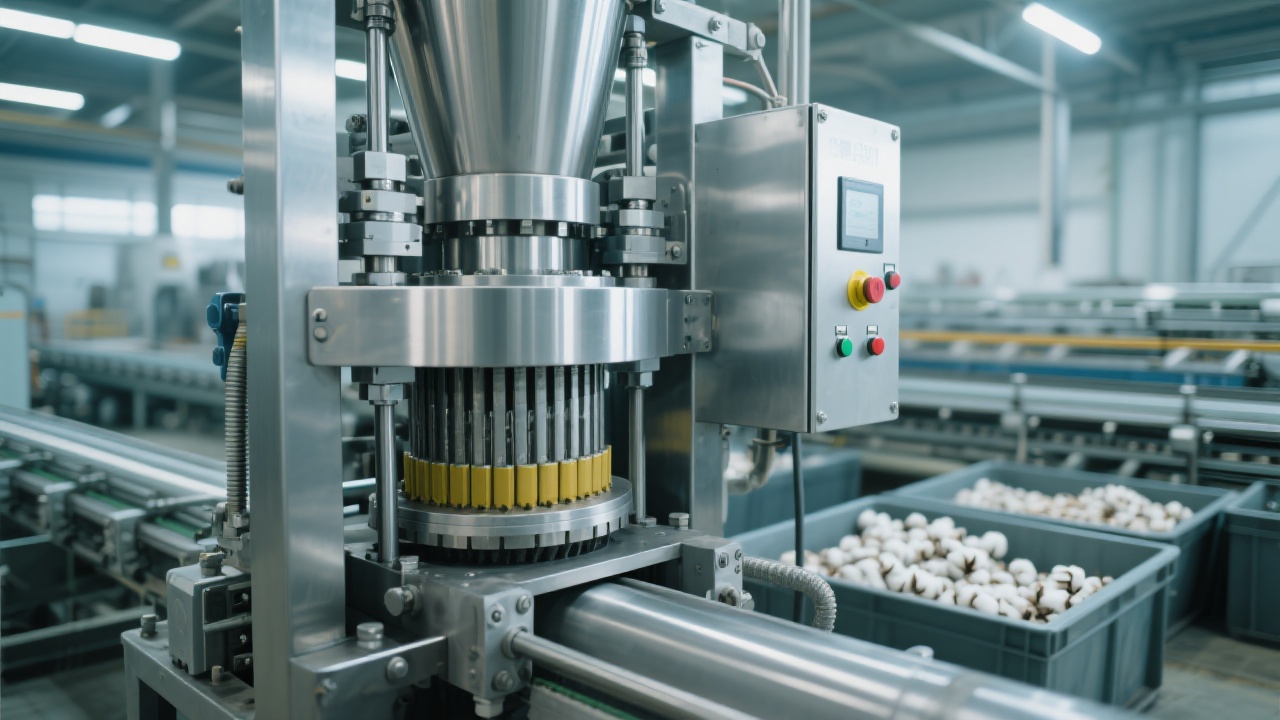
Incorporating strategic keywords such as "sunflower seed oil pressing guide," "home oil press efficiency," "small scale mechanical oil extraction," and "maximize sunflower oil yield" helps attract precise search queries from home producers and small workshops researching optimal oil extraction.
| Keyword | Search Intent | Suggested Content Focus |
|---|---|---|
| home sunflower oil press | Product research | Equipment recommendations and operation guide |
| improve oil extraction yield | Operational optimization | Technical tips and troubleshooting |
| mechanical vs chemical oil extraction | Comparative decision making | Pros and cons, safety, and quality |


.png?x-oss-process=image/resize,h_100,m_lfit/format,webp)
.png?x-oss-process=image/resize,h_100,m_lfit/format,webp)
.png?x-oss-process=image/resize,h_100,m_lfit/format,webp)
.jpg?x-oss-process=image/resize,h_800,m_lfit/format,webp)

.jpg?x-oss-process=image/resize,h_800,m_lfit/format,webp)
