
Small - scale sunflower oil processing often faces several pain points, including unstable production volume, large quality fluctuations, and complex operations. These issues can significantly affect the profitability and brand building of small - scale oil processors. In this context, understanding the differences between mechanical pressing and chemical extraction and choosing the right equipment is crucial.
Mechanical pressing is a traditional and natural method of oil extraction. It has several advantages. Firstly, there are no chemical additives during the process, which means the final product is free from potential chemical residues. Secondly, it can effectively retain the nutrients in sunflower seeds, such as vitamins and antioxidants. Thirdly, the oil produced by mechanical pressing has a pure and natural flavor. For example, a study shows that mechanical - pressed sunflower oil retains about 90% of the original nutrients in sunflower seeds, while chemically - extracted oil may lose up to 30% of these nutrients due to chemical reactions.
On the other hand, chemical extraction, although it can achieve higher extraction rates, has potential risks. Chemical solvents used in the extraction process may leave residues in the oil, which can be harmful to human health. Moreover, the high - temperature and chemical - intensive process can damage the natural flavor and nutritional value of the oil.
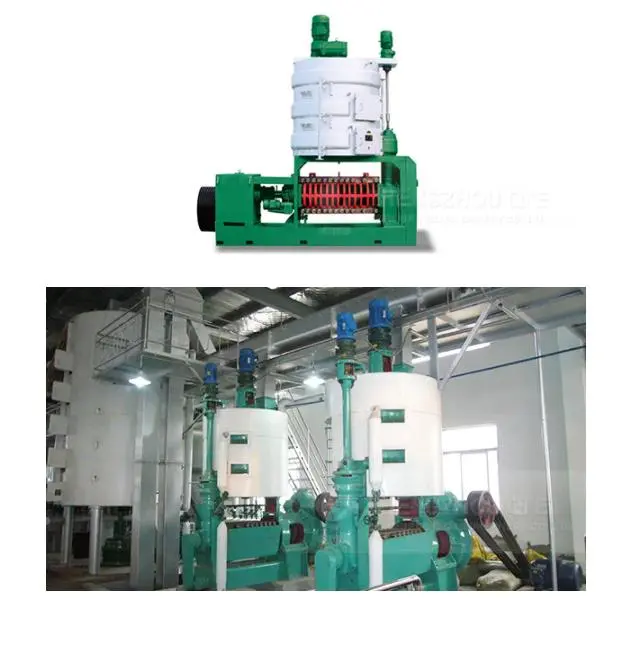
Compact sunflower oil presses, such as the QIE Group compact press, are well - suited for small - scale export processing scenarios. In actual operations, they offer great flexibility. For batch processing, these presses can handle small batches of raw materials at a time, ensuring better control over the quality of each batch. Temperature regulation is another key feature. They can be adjusted to operate in either cold - pressing or hot - pressing modes. Cold - pressing is suitable for producing high - quality, nutrient - rich oil, while hot - pressing can increase the extraction rate. By optimizing the pressing cycle, processors can achieve a balance between quality and efficiency.
Reducing losses is a major concern in small - scale oil processing. By adjusting the pressure and speed of the press, processors can minimize the amount of oil remaining in the cake. Maintaining oil consistency is also important for building a brand. This can be achieved by strictly controlling the processing parameters, such as temperature, pressure, and raw material quality. A consistent product can significantly improve customer satisfaction and increase the repurchase rate. For instance, a small - scale processor who adopted standardized operation procedures saw a 20% increase in customer repurchase rate within six months.
Standardized operation procedures are the key to building a replicable micro - processing model. From the beginner level to the advanced level, a set of standardized procedures can ensure that the quality of the oil remains stable. This not only helps small - scale processors to produce high - quality products consistently but also provides a basis for future expansion. For example, a small family - run oil workshop was able to expand its business to multiple locations after implementing a standardized operation model.
Many users have provided positive feedback on the use of compact sunflower oil presses. One user mentioned that the press was easy to operate and helped him achieve a stable production volume. Another case showed that a small - scale processor was able to improve the quality of his oil significantly after switching to a mechanical pressing method using a compact press. These user experiences and case studies enhance the credibility and practicality of the information provided.
Q: Is mechanical - pressed sunflower oil more expensive to produce?
A: Although the extraction rate of mechanical pressing may be slightly lower than that of chemical extraction, considering the cost of chemical solvents and the potential risks of chemical residues, the overall cost difference is not significant. Moreover, the high - quality and natural characteristics of mechanical - pressed oil can command a higher price in the market.
Q: Can a compact press handle different types of raw materials?
A: Most compact presses can handle various oil - bearing seeds, including sunflower seeds, peanuts, and soybeans. However, some adjustments may be needed for different raw materials in terms of pressure, temperature, and pressing time.
If you are looking for a reliable solution for small - scale sunflower oil processing, the QIE Group compact sunflower oil press is your ideal choice. Learn More
 438
|
438
|
 home oil press oil extraction efficiency
oil press cleaning and maintenance
sunflower oil extraction equipment
oil press sealing inspection
home grain and oil processing skills
495
|
sunflower seed oil press tutorial
small farm oil extraction techniques
home vs commercial oil press machines
sunflower oil yield improvement
oil press maintenance guide
389
|
small-scale sunflower seed oil press
household oil press differences
commercial oil press selection
small-scale oil processing equipment
sunflower seed oil extraction machine
160
|
Small sunflower oil presses
Household sunflower oil presses
Commercial sunflower oil presses
Oil press selection guide
Small farm oil press equipment
75
|
sunflower seed oil press
small oil press for home use
commercial oil press machine
manual vs automatic oil press
how to choose an oil press
home oil press oil extraction efficiency
oil press cleaning and maintenance
sunflower oil extraction equipment
oil press sealing inspection
home grain and oil processing skills
495
|
sunflower seed oil press tutorial
small farm oil extraction techniques
home vs commercial oil press machines
sunflower oil yield improvement
oil press maintenance guide
389
|
small-scale sunflower seed oil press
household oil press differences
commercial oil press selection
small-scale oil processing equipment
sunflower seed oil extraction machine
160
|
Small sunflower oil presses
Household sunflower oil presses
Commercial sunflower oil presses
Oil press selection guide
Small farm oil press equipment
75
|
sunflower seed oil press
small oil press for home use
commercial oil press machine
manual vs automatic oil press
how to choose an oil press


.png?x-oss-process=image/resize,h_100,m_lfit/format,webp)
.png?x-oss-process=image/resize,h_100,m_lfit/format,webp)
.png?x-oss-process=image/resize,h_100,m_lfit/format,webp)
.jpg?x-oss-process=image/resize,h_800,m_lfit/format,webp)







.jpg?x-oss-process=image/resize,h_800,m_lfit/format,webp)

