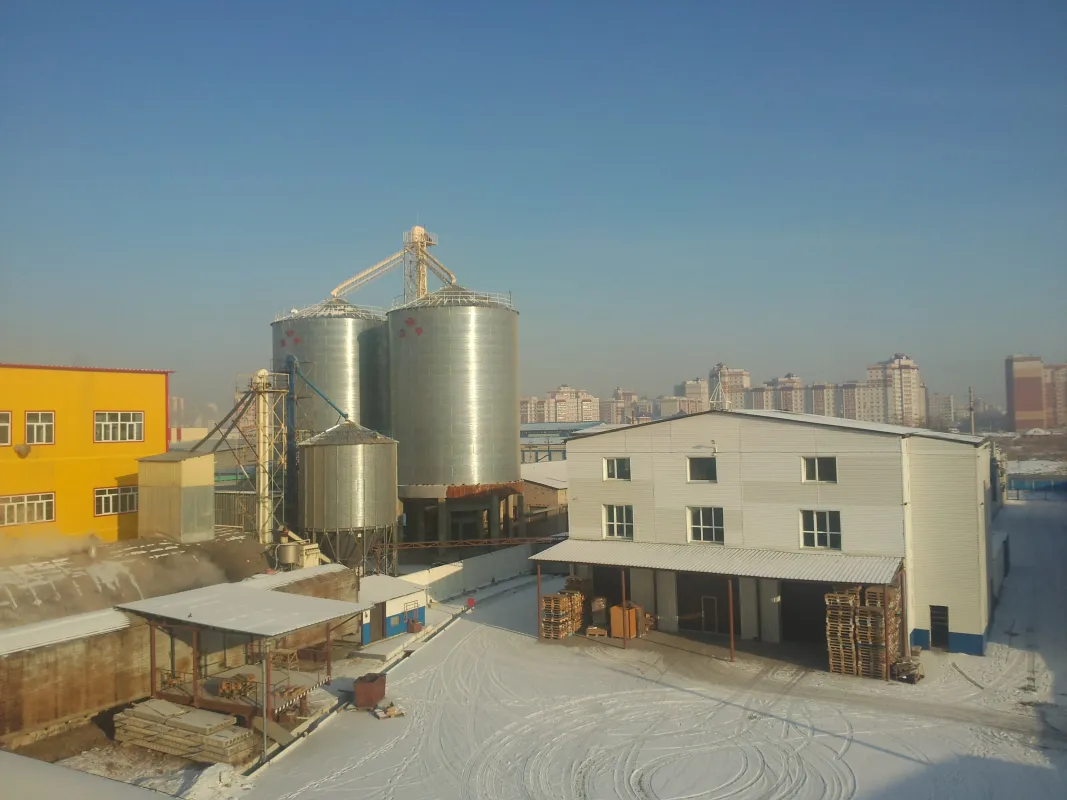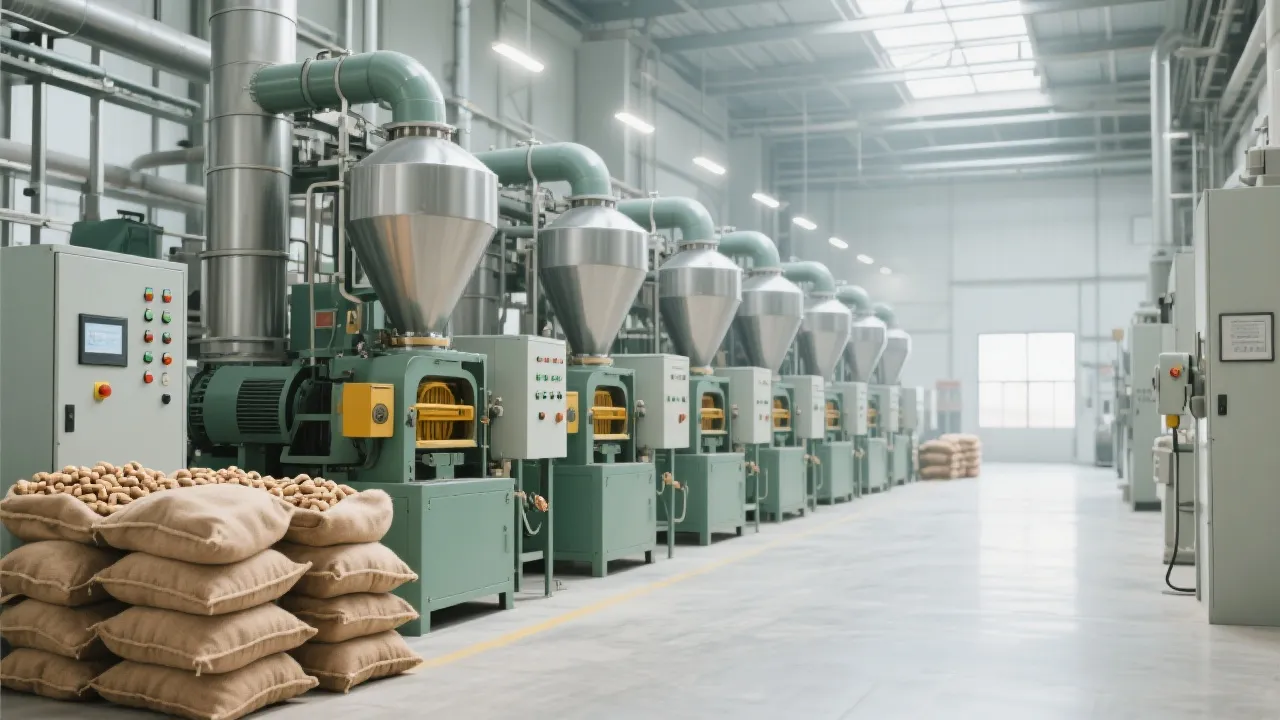
The quest for high-quality sunflower seed oil at home has led to increased interest in small-scale mechanical oil presses. Among home users, optimizing oil yield remains the biggest challenge. This article explores effective techniques for enhancing oil extraction efficiency using mechanical pressing technology, compared with chemical extraction methods. By focusing on raw material preparation, temperature control, and pressure adjustments, users can significantly improve yield and oil purity in a household setting.
Mechanical pressing relies on physical force to squeeze oil from sunflower seeds without solvents. In contrast, chemical extraction uses solvents like hexane, extracting up to 98% of oil content but raising concerns over residue and nutritional degradation. Home-use mechanical presses generally yield between 35-45% oil from well-prepared sunflower seeds, whereas chemical methods reach 50-55% but are unsuitable for household scale.
For families prioritizing natural, solvent-free oil with retained nutrients, mechanical pressing is optimal. However, maximizing the mechanical yield requires strategic control over key variables.
Proper drying lowers seed moisture to an ideal range of 7–10% for better oil flow. Overly wet seeds reduce yield and encourage foaming, while excessive dryness causes brittle kernels, lessening press efficiency. Also, seed particle size matters: crushing or cracking seeds to achieve particles between 2-3 mm improves oil release by increasing surface area.
Moderate preheating (50–70°C) enhances oil fluidity and extraction rate without degrading oil quality. Temperatures beyond 80°C risk nutrient loss and off-flavors. Consistent temperature control during pressing avoids over-heating and ensures steady monthly output.
Applying higher pressing pressure improves oil expulsion but must be balanced against equipment tolerance. For most home presses, incremental pressure increases combined with 15-20 minutes processing per batch optimize yield without mechanical wear. Over-pressing may lead to increased fines or clogging.
| Process Parameter | Optimal Range | Effect on Oil Yield |
|---|---|---|
| Seed Moisture Content | 7% - 10% | Maximizes oil expulsion efficiency |
| Particle Size after Crushing | 2-3 mm | Improves surface area, enhances extraction |
| Pressing Temperature | 50°C - 70°C | Increases fluidity, preserves oil quality |
| Pressing Time per Batch | 15 - 20 minutes | Balances yield and equipment wear |
Many home users unknowingly reduce their oil yield because of these typical missteps:
Regular monitoring and standardized procedures can prevent these issues and improve oil yield by up to 15% in typical home settings.
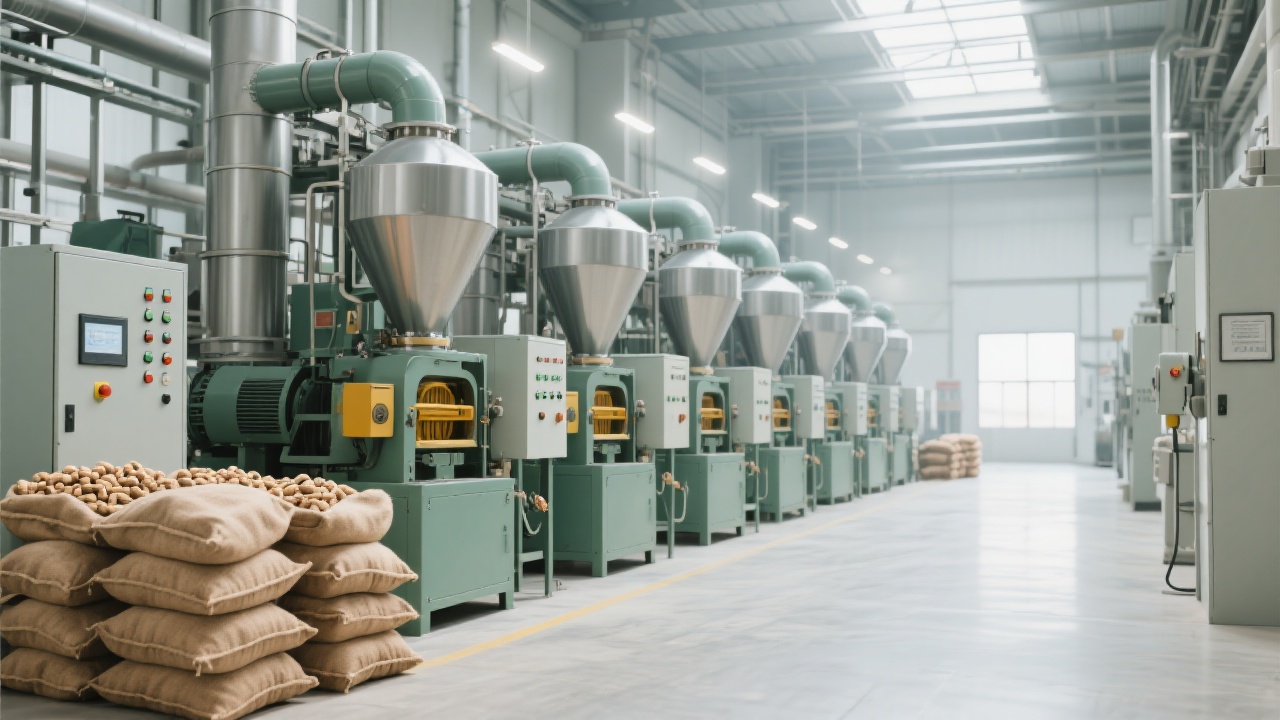
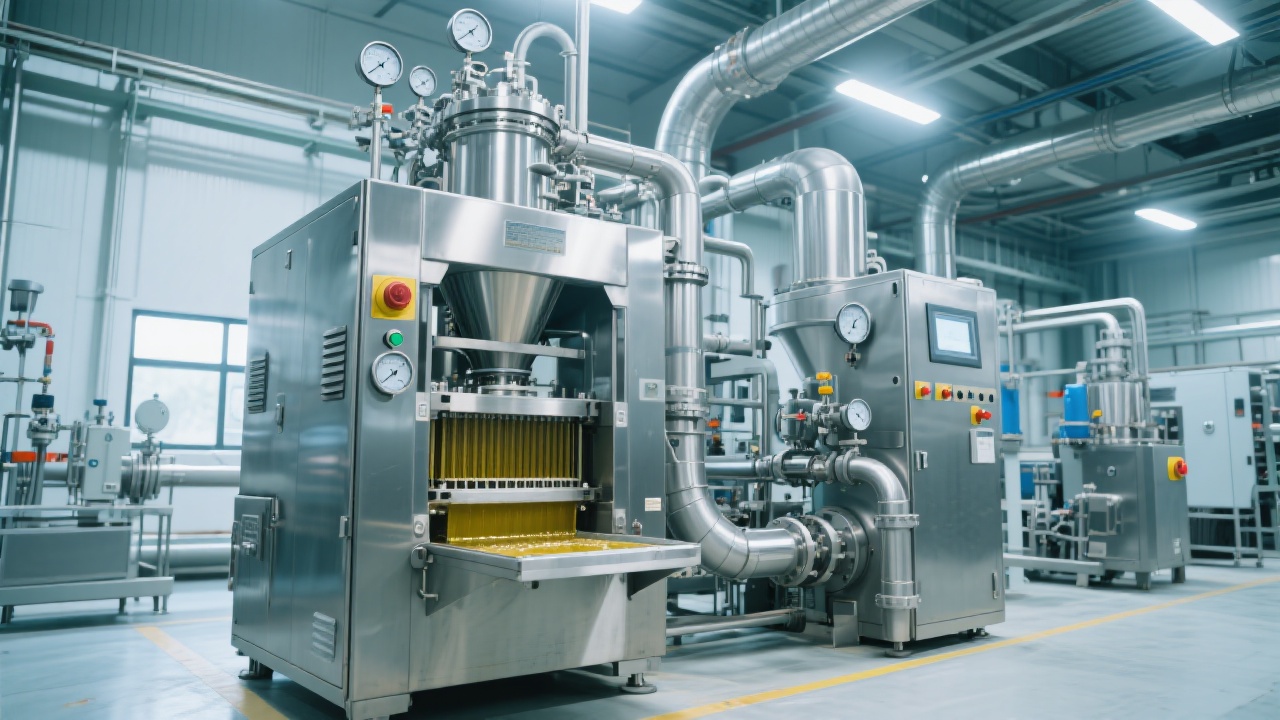
Short video demonstrations, complete with temperature and pressure gauges, support readers in mastering these techniques. Visual aids clarify abstract parameters, making the learning curve approachable for home operators new to mechanical pressing.
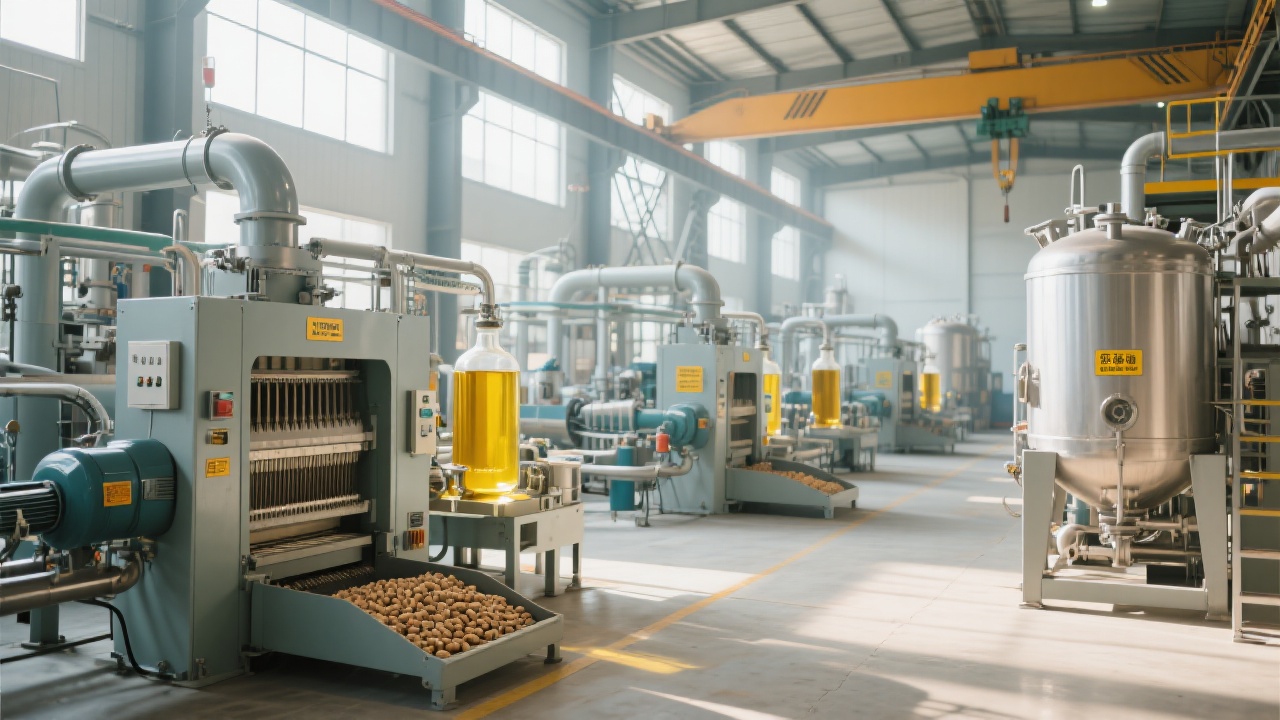
These resources empower users to troubleshoot common issues instantly, converting challenges into learning opportunities that improve both output and oil quality.
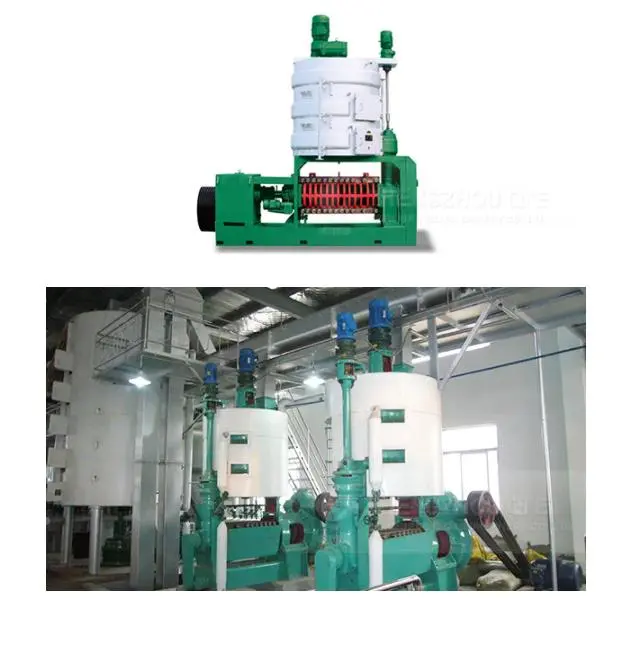
Designed for reliability and ease of use, our home-use sunflower seed oil presses boast highly stable operation and professional craftsmanship support. The precision adjustable settings enable optimal temperature and pressure control critical for maximizing extraction rate while preserving oil integrity. Easy maintenance features and durable construction ensure long-term performance without frequent servicing.
Have questions or want to share your own pressing experiences? Leave a comment below and join the community of passionate home oil producers refining their craft.


.png?x-oss-process=image/resize,h_100,m_lfit/format,webp)
.png?x-oss-process=image/resize,h_100,m_lfit/format,webp)
.png?x-oss-process=image/resize,h_100,m_lfit/format,webp)
.jpg?x-oss-process=image/resize,h_800,m_lfit/format,webp)

.jpg?x-oss-process=image/resize,h_800,m_lfit/format,webp)