

Selecting the right filtration equipment for industrial sunflower oil applications can be challenging, especially when your focus is effective tar removal and operational efficiency. This guide equips you, as a procurement manager or process engineer, with clear criteria and practical considerations to help you pinpoint equipment that ensures superior oil quality, high throughput, and minimal downtime.
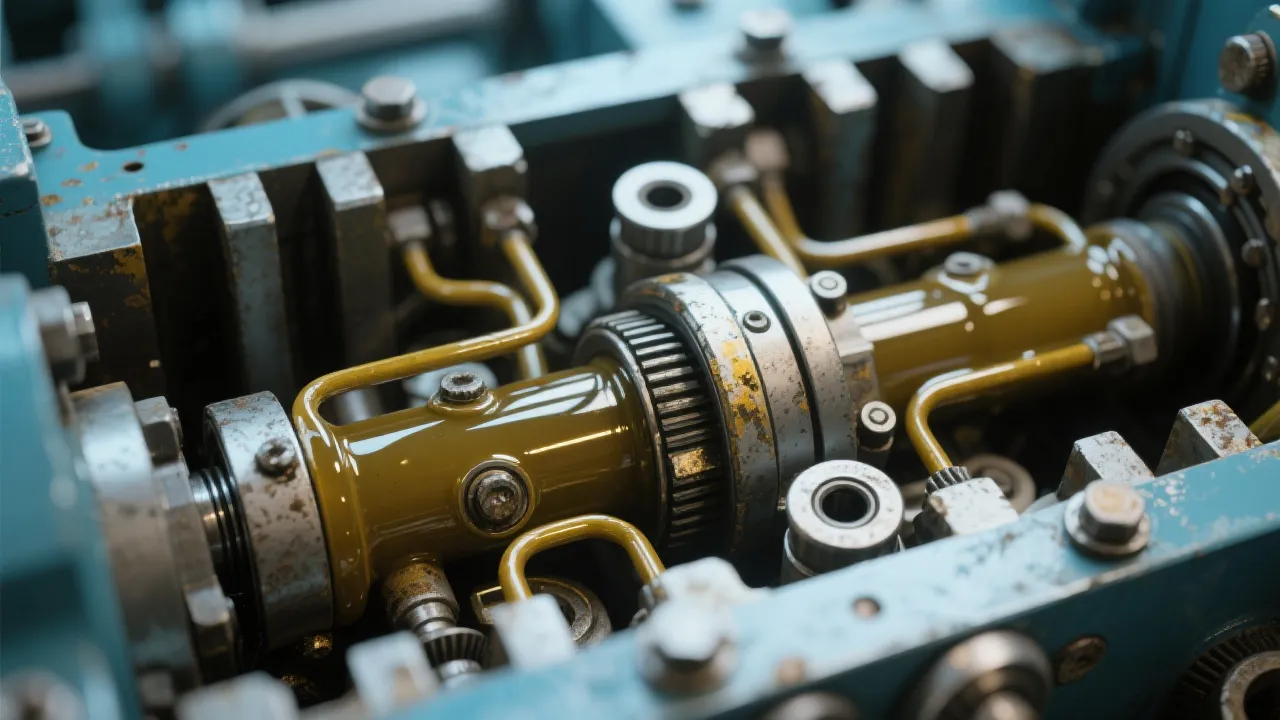
Tar contaminants in sunflower oil can dramatically affect product quality and equipment longevity. Therefore, opting for filtration equipment with proven resistance to tar residues is crucial. Food-grade stainless steel, particularly 316L, offers outstanding corrosion resistance and durability, ideal for withstanding acidic and viscous tar deposits during continuous operations.
When it comes to filtration methods, the three most commonly employed technologies include:
Selecting the right filtration technique depends largely on your production scale and the specific oil parameters, such as tar concentration and viscosity.
Integrating full-automatic control systems can profoundly enhance your filtration line’s reliability and consistency by providing:
Automation also minimizes manual intervention, which translates into lower labor costs and a reduced risk of human error.
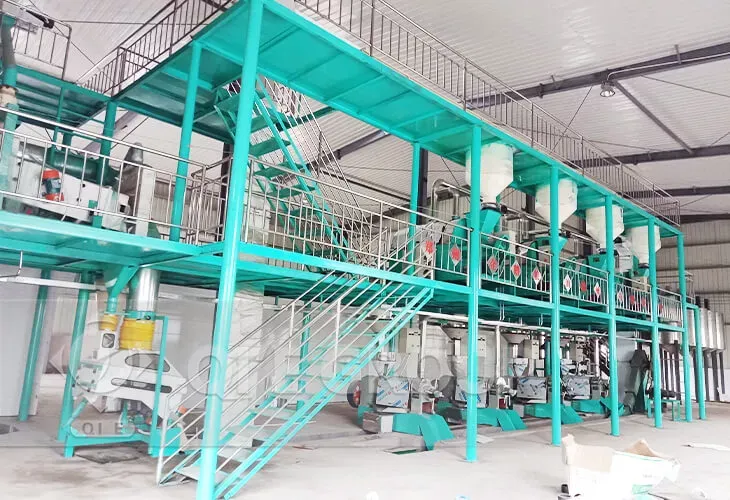
Your filtration equipment must align with your production capacity and product line variety. For example:
Ensuring equipment durability and ease of maintenance saves you costs in the long term and reduces production risks.
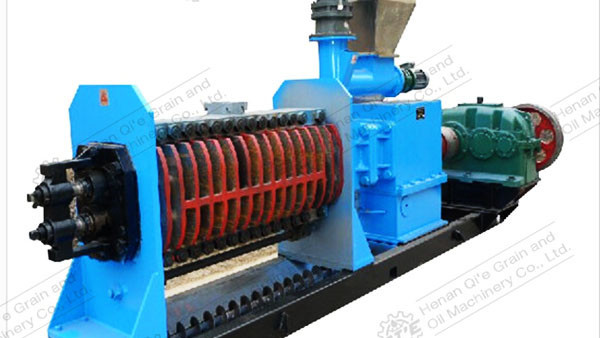
To maximize filtration system uptime and oil quality:
Excellent maintenance discipline assures stable production and prolongs equipment lifespan by up to 30%, significantly lowering total cost of ownership.
In food-grade sunflower oil refining, proper filtration equipment reduces off-flavors and extends shelf life. For cosmetics raw materials, filtration ensures purity, protecting sensitive formulations from contamination. Additionally, in industrial oils, optimized filtration minimizes environmental hazards due to cleaner waste disposal.
These benefits translate directly to improved product marketability and compliance with international food safety and quality certifications like ISO 22000 and HACCP.
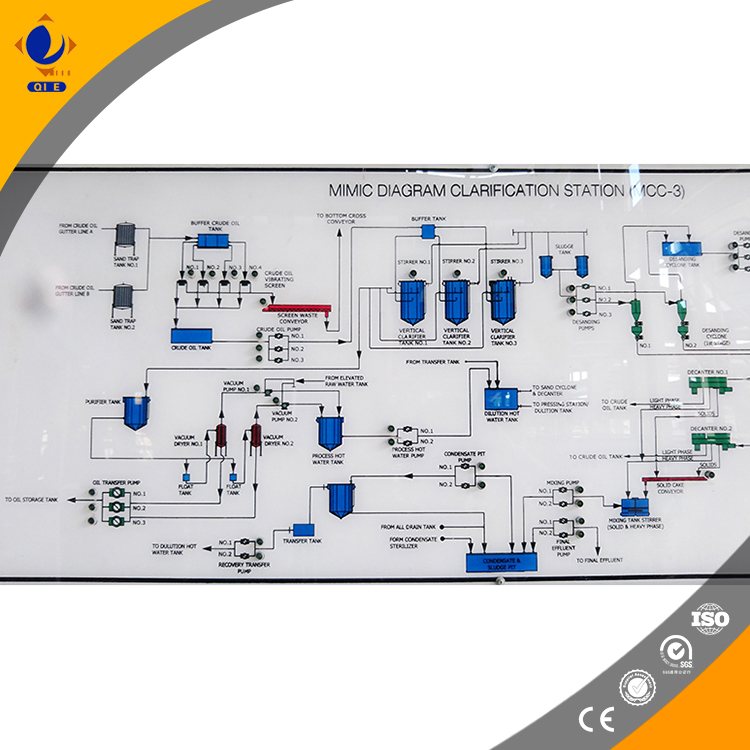
Assess tar levels, your production volume, and required purity. Centrifugal suits high-volume crude oil; membranes for fine filtration; adsorption for post-filtration polishing.
For food-grade sunflower oil, yes — 316L stainless steel meets sanitary standards, ensuring corrosion resistance and no contamination.
Typically after every 500 operating hours or upon reaching specified pressure differential limits, but this depends on tar content and operational conditions.
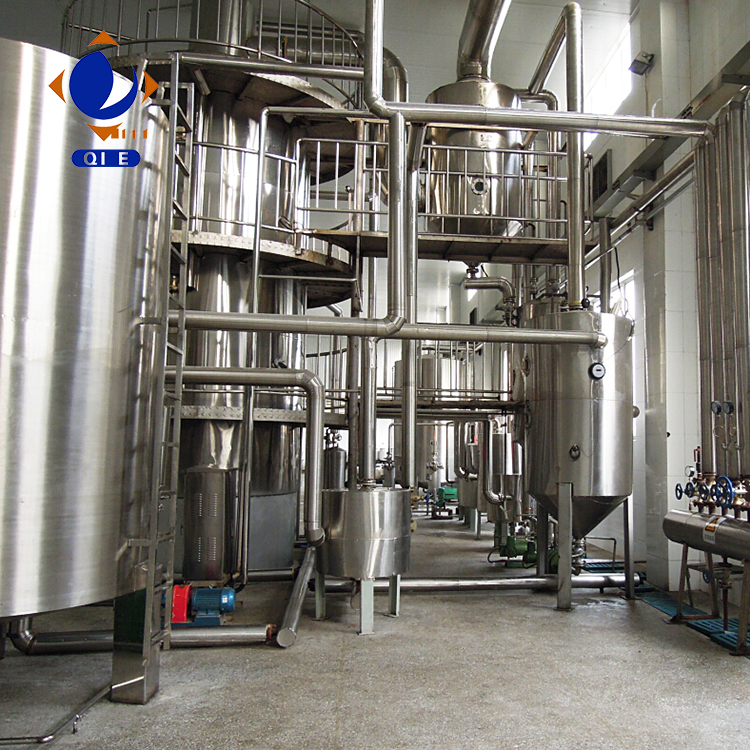
 326
|
326
|
 compact sunflower oil press
small workshop oil production
mechanical oil extraction
cold pressing technique
home oil expeller
399
|
tar-resistant technology
fully automatic oil filtration machine
industrial oil purification
sunflower oil filtration equipment
food-grade stainless steel filtration machine
93
|
Sunflower oil pressing equipment
Cold pressing vs. hot pressing
Sunflower oil production process
Grain and oil processing equipment
Edible oil refining technology
320
|
Sunflower oil press
Household oil pressing equipment
Commercial small - scale oil press
Oil press structural design
Sunflower oil processing technology
138
|
industrial oil filtration technology
tar removal efficiency
multi-stage filtration system
food-grade stainless steel filter
automated oil purification
compact sunflower oil press
small workshop oil production
mechanical oil extraction
cold pressing technique
home oil expeller
399
|
tar-resistant technology
fully automatic oil filtration machine
industrial oil purification
sunflower oil filtration equipment
food-grade stainless steel filtration machine
93
|
Sunflower oil pressing equipment
Cold pressing vs. hot pressing
Sunflower oil production process
Grain and oil processing equipment
Edible oil refining technology
320
|
Sunflower oil press
Household oil pressing equipment
Commercial small - scale oil press
Oil press structural design
Sunflower oil processing technology
138
|
industrial oil filtration technology
tar removal efficiency
multi-stage filtration system
food-grade stainless steel filter
automated oil purification

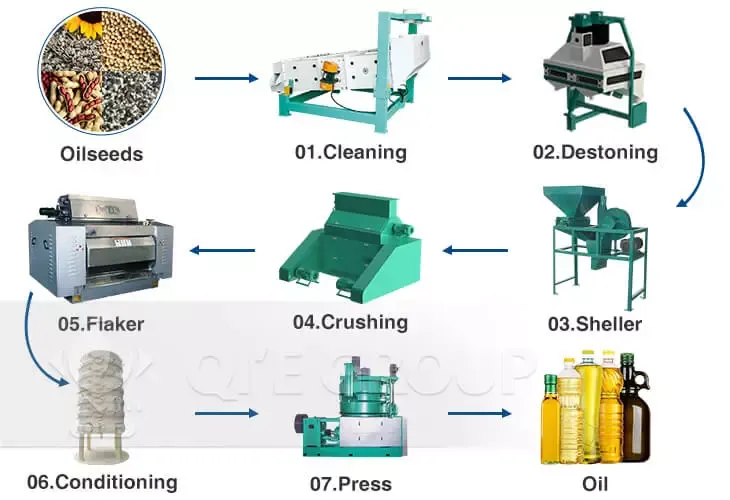








.png?x-oss-process=image/resize,h_100,m_lfit/format,webp)
.png?x-oss-process=image/resize,h_100,m_lfit/format,webp)
.png?x-oss-process=image/resize,h_100,m_lfit/format,webp)



.jpg?x-oss-process=image/resize,h_800,m_lfit/format,webp)