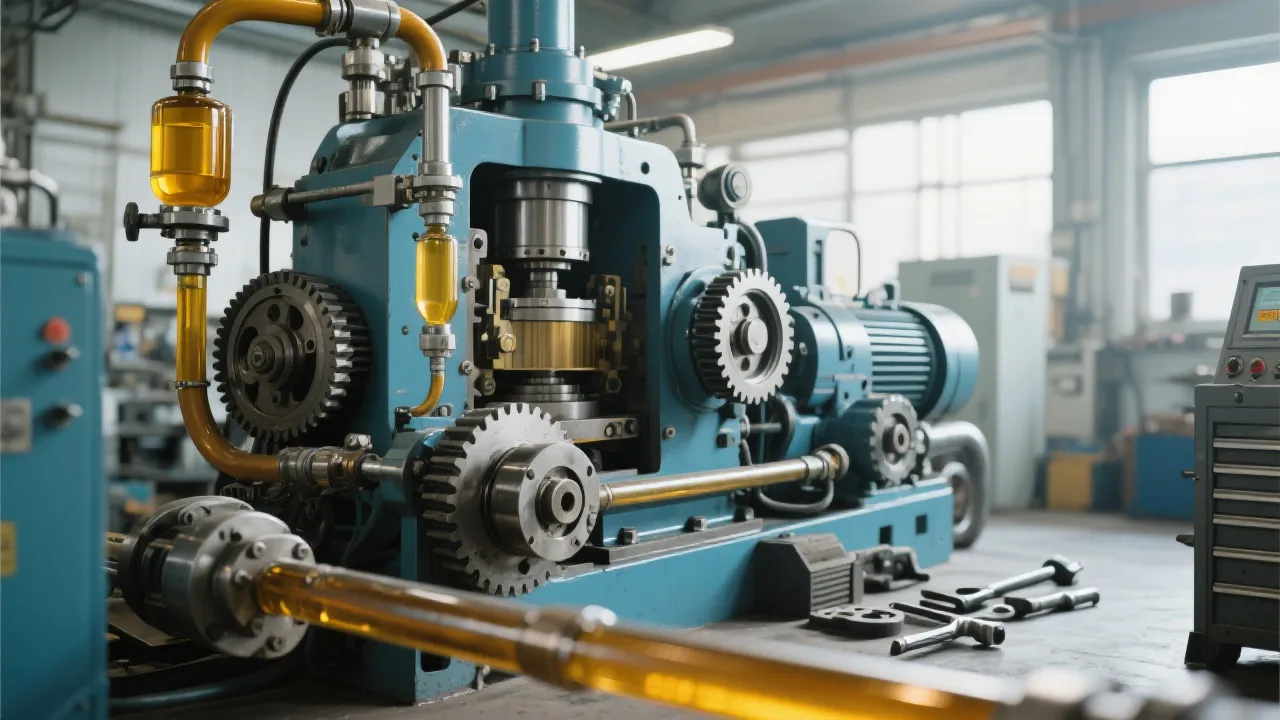
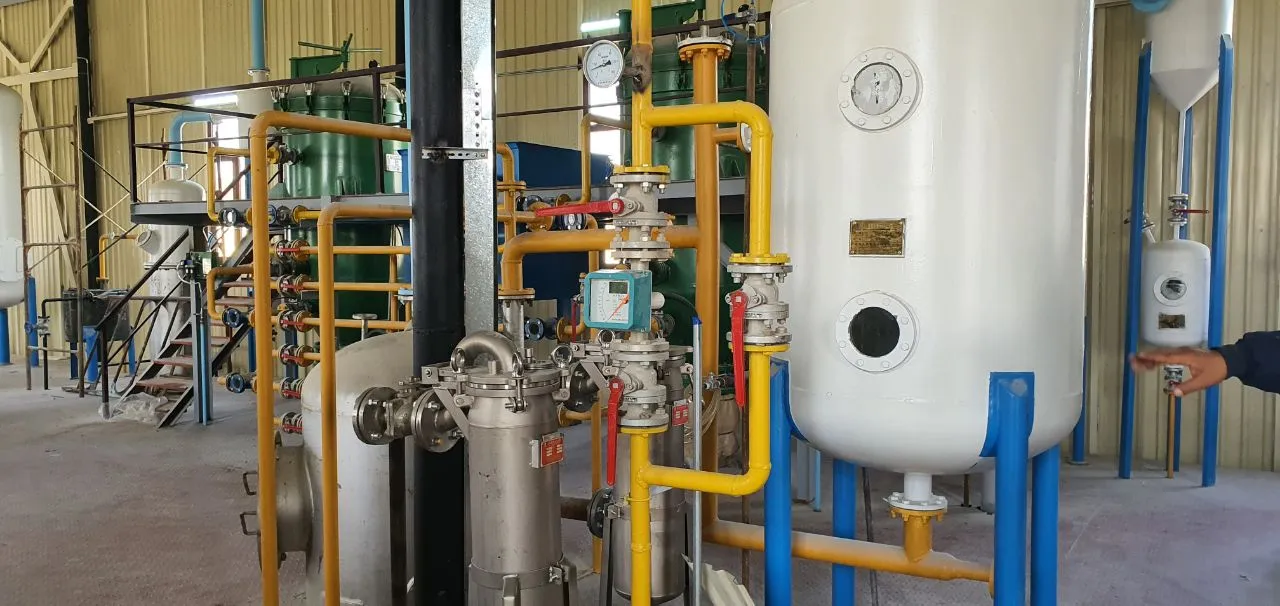
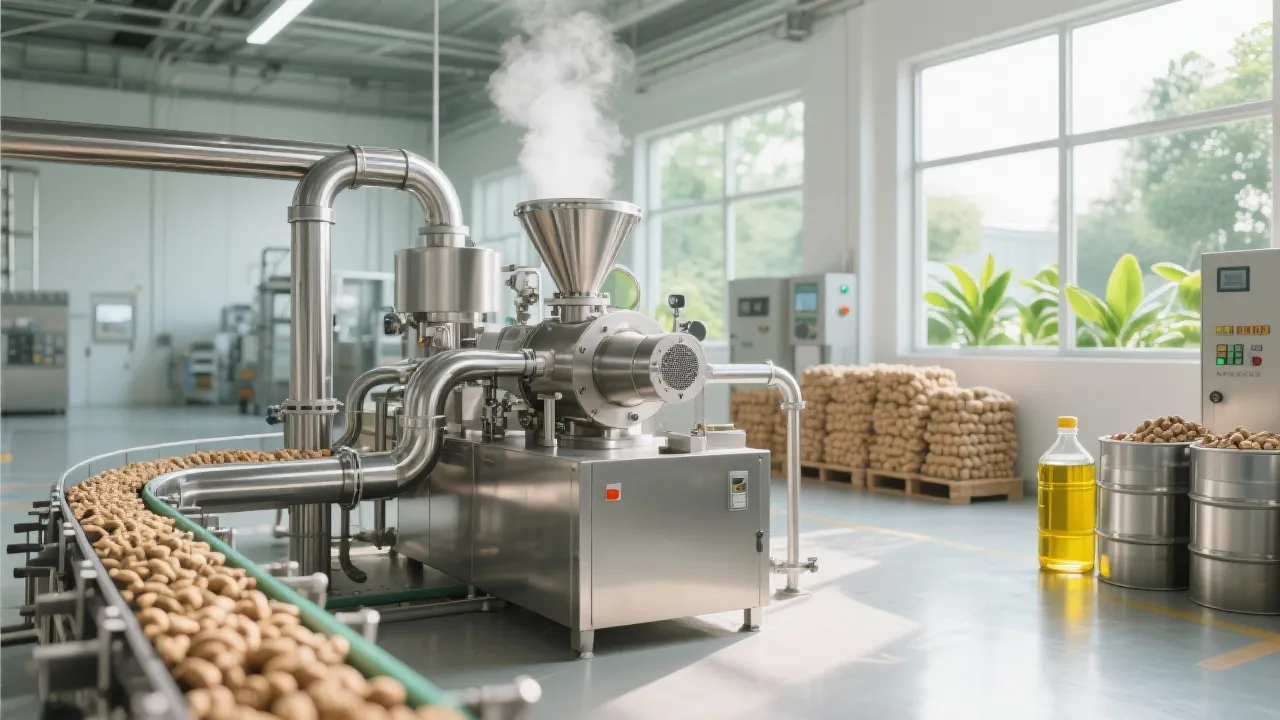
Tar residue in industrial oils is a critical problem that affects the quality of oils and the lifespan of equipment. This article deeply analyzes the tar resistance technology principle of QIE Group fully automatic sunflower oil filter. From the multi - stage filtration mechanism (pre - filtration + fine filtration + adsorption), the anti - corrosion mechanism of food - grade stainless steel materials to the logic of the fully automatic control system, we comprehensively reveal how to achieve efficient purification and stable operation.
The tar resistance of the filter mainly relies on multiple mechanisms. Firstly, physical interception plays a crucial role. The pre - filtration layer can block large - sized tar particles and other impurities. For example, tar particles larger than 100 microns can be effectively intercepted at this stage, preventing them from entering the subsequent filtration process.
Secondly, chemical adsorption is another key factor. The filter uses special adsorbents that can form chemical bonds with tar molecules. Through this process, a significant amount of tar is removed from the oil. Some data shows that chemical adsorption can contribute to an approximately 30% increase in tar removal efficiency.
In addition, the heat dissociation mechanism also helps in tar removal. Under appropriate temperature conditions, some complex tar compounds can be broken down into smaller molecules, which are easier to be filtered out. This mechanism can further enhance the overall tar removal efficiency.
The use of food - grade stainless steel in the filter equipment provides a great advantage. The stainless steel forms a passive layer on its surface, which acts as a protective film. This protective film can resist corrosion from various chemical substances in the oil, such as acids and alkalis. The corrosion resistance of this material ensures the long - term stable operation of the filter and extends the service life of the equipment.
### Edible Oil Processing
In edible oil processing, the quality requirements for oil quality are very high. The multi - stage filtration system of the filter can effectively remove tar and other impurities, ensuring that the edible oil meets food safety standards. For example, a certain edible oil processing plant used to have a tar removal rate of only 75%. After using our filter, the tar removal rate increased to 98%
### Cosmetic Raw Material Refinement
When it comes to cosmetic raw material refinement, the need for pure and impurity - free substances is essential. The filter can precisely control the filtration process according to the characteristics of different cosmetic raw materials, such as different viscosities and temperatures. This ensures that the final cosmetic raw materials meet high - quality standards.
### Industrial Lubricating Oil Regeneration
Industrial lubricating oil regeneration is another important application scenario. By using the filter, the used lubricating oil can be effectively purified, and the tar and other impurities can be removed. This allows the lubricating oil to be reused, which not only saves costs but also reduces environmental pollution.
To help you better understand the filtration process, we can make an analogy. The filtration system of our filter is like the human blood purification system, which can continuously remove harmful substances from the oil and keep the oil in a clean state.
In addition, our filter is fully compliant with ISO/GB latest standards, which can help you improve compliance and production efficiency. Moreover, after reading this article, you can master the practical point of "how to judge whether the filtration cycle is reasonable", providing a scientific basis for your oil purification decision - making.
Welcome to leave a message to discuss your application problems.
 371
|
371
|
 home sunflower oil press
compact oil extraction machine
cold press sunflower oil
small batch oil production
family food processing
369
|
Differences between household and commercial sunflower oil presses
Guide to choosing small - scale sunflower oil extractors
Maintenance tips for sunflower oil pressing equipment
Small - scale grain and oil processing solutions
Comparative analysis of household and commercial oil presses
358
|
Improve sunflower seed oil yield
Home oil press usage guide
Increase oil yield of small oil presses
Mechanical pressing technology
Practical skills for oil presses
406
|
Sunflower seed oil extraction rate improvement techniques
Home oil press usage guide
Small oil press operation
Mechanical oil extraction technology
Oil press oil extraction rate optimization
167
|
Household sunflower oil press
Reasons for insufficient oil yield
Improvement of oil extraction rate
Equipment maintenance skills
Coordinated management of production chain
home sunflower oil press
compact oil extraction machine
cold press sunflower oil
small batch oil production
family food processing
369
|
Differences between household and commercial sunflower oil presses
Guide to choosing small - scale sunflower oil extractors
Maintenance tips for sunflower oil pressing equipment
Small - scale grain and oil processing solutions
Comparative analysis of household and commercial oil presses
358
|
Improve sunflower seed oil yield
Home oil press usage guide
Increase oil yield of small oil presses
Mechanical pressing technology
Practical skills for oil presses
406
|
Sunflower seed oil extraction rate improvement techniques
Home oil press usage guide
Small oil press operation
Mechanical oil extraction technology
Oil press oil extraction rate optimization
167
|
Household sunflower oil press
Reasons for insufficient oil yield
Improvement of oil extraction rate
Equipment maintenance skills
Coordinated management of production chain


.png?x-oss-process=image/resize,h_100,m_lfit/format,webp)
.png?x-oss-process=image/resize,h_100,m_lfit/format,webp)
.png?x-oss-process=image/resize,h_100,m_lfit/format,webp)


.jpg?x-oss-process=image/resize,h_800,m_lfit/format,webp)