
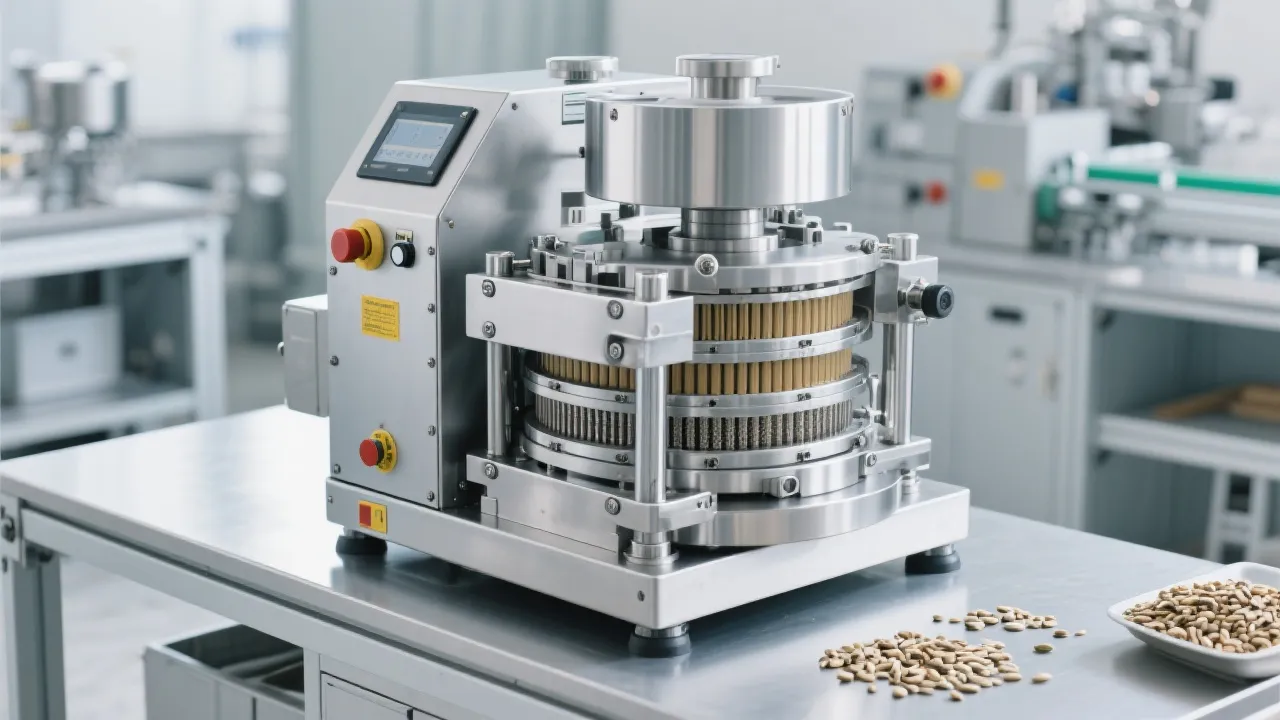
In continuous processing environments like edible oil refining or cosmetic-grade raw material production, even trace contaminants can compromise product quality, safety, and compliance. One of the most persistent challenges? Residual tar and heavy impurities that accumulate during high-temperature extraction and distillation.
According to a 2023 study by the Global Food Safety Institute, up to 17% of industrial oil batches fail initial purity tests due to inadequate filtration—leading to batch rework, regulatory fines, and brand damage. In cosmetics manufacturing, where purity standards are stricter (e.g., ISO 22716), such failures can halt entire production lines.
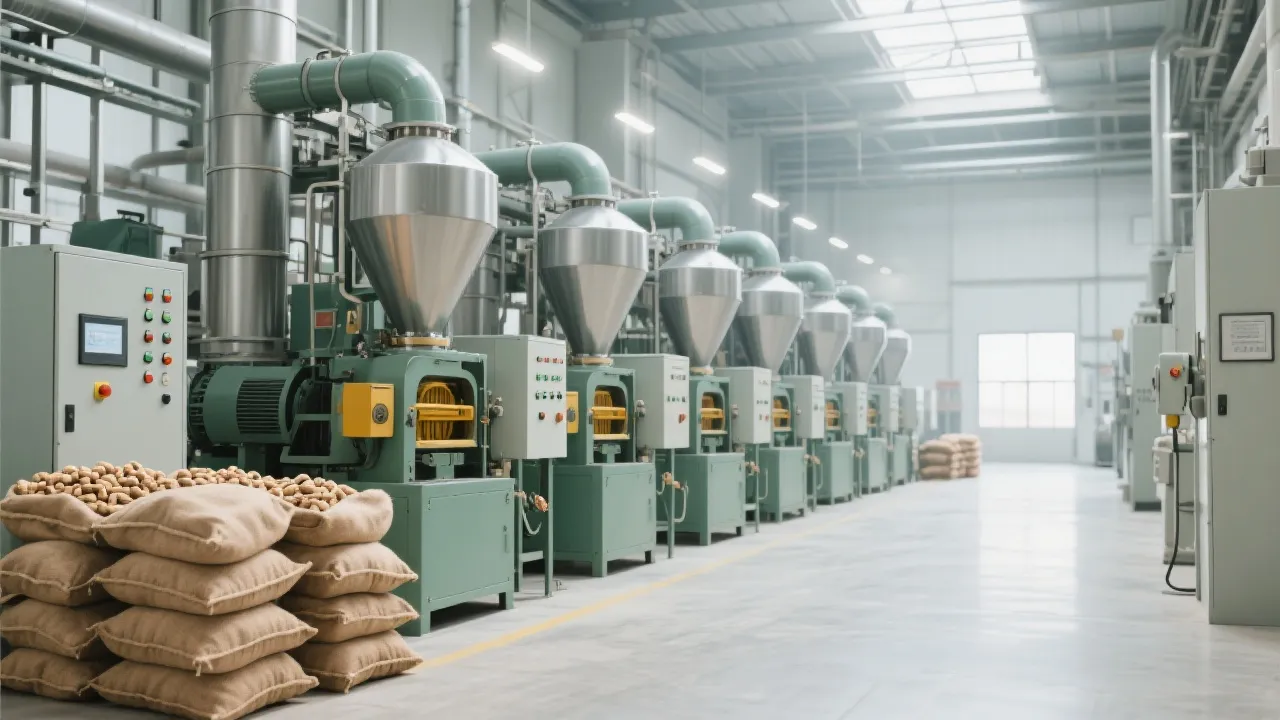
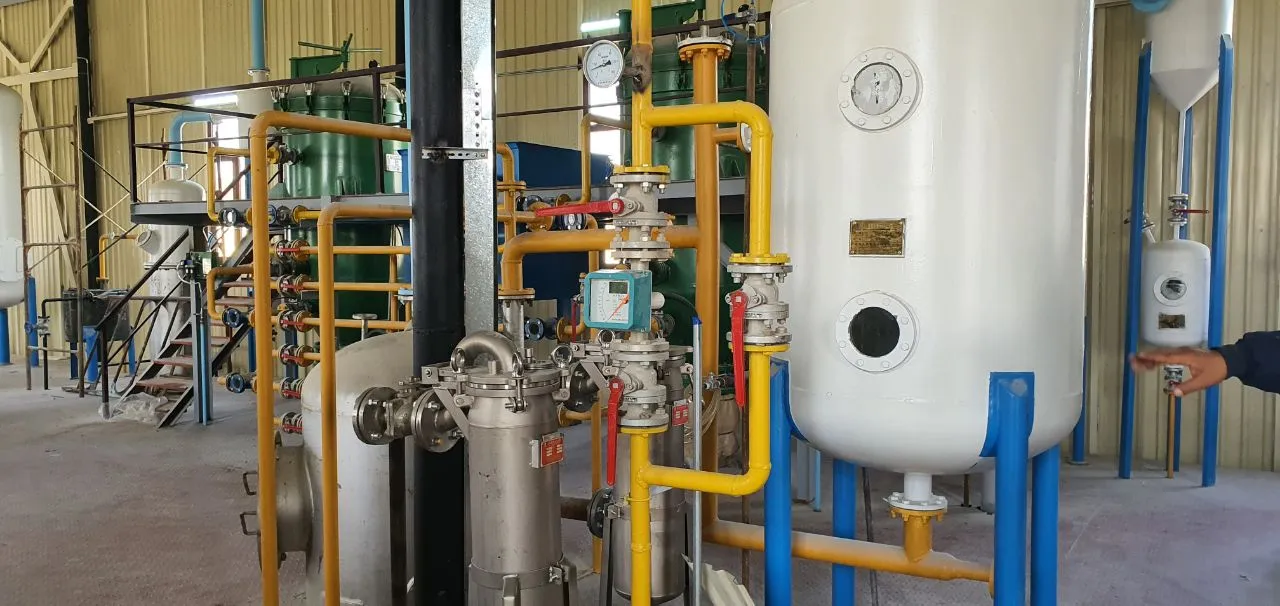
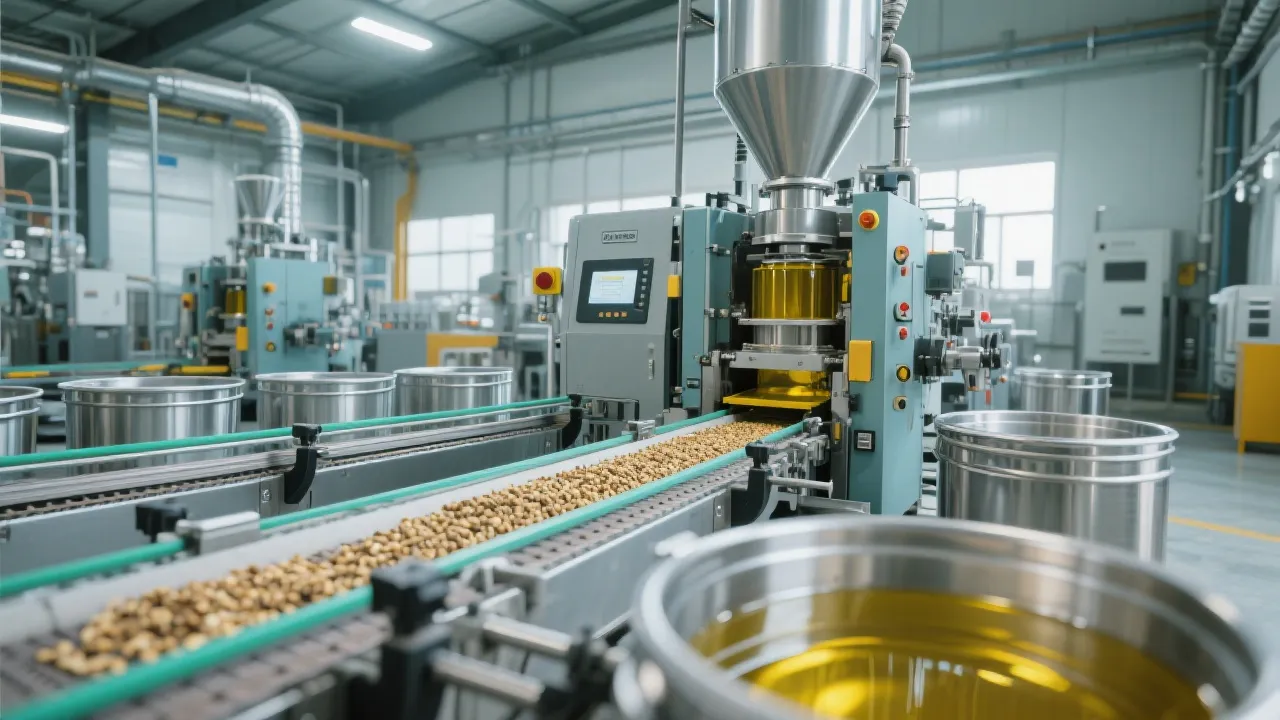
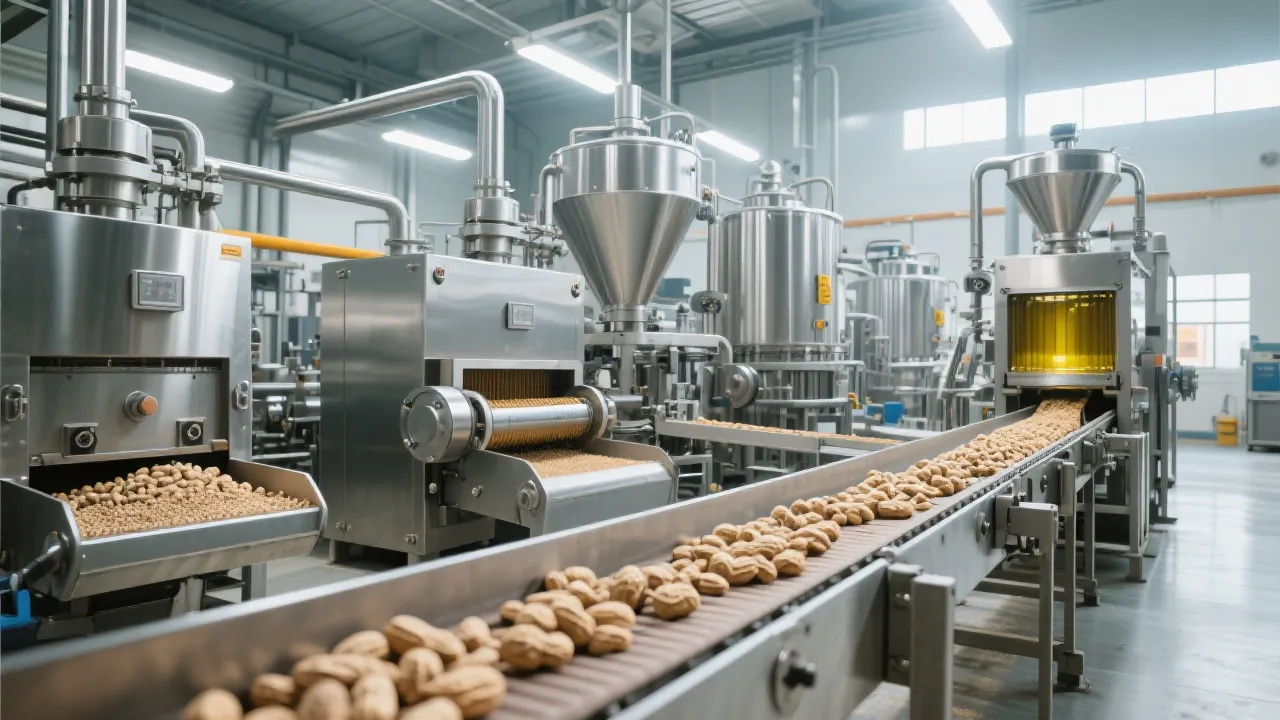
That’s why we developed our automated sunflower oil filter system with a multi-stage tar-resistant design—engineered not just for efficiency but for consistent, food-grade output in demanding conditions.
Our system uses three core stages:
Each stage is controlled by an AI-driven PLC system that adjusts flow rate, pressure, and cleaning cycles based on real-time sensor data. This means less manual intervention—and more stable results over 24/7 operation.
At a major edible oil plant in Spain, after installing our unit, tar content dropped from 8.7 ppm to below 1.2 ppm within two weeks—a 86% improvement. For a cosmetic supplier in Dubai, the same machine reduced viscosity variation by 33%, enabling smoother emulsification in their formulations.
These aren’t isolated cases. Over 40 clients across Europe, Asia, and the Middle East now rely on this technology for daily throughput of 2–10 tons per hour—with zero downtime from clogging issues.
Key Takeaway: The right filtration isn't about speed—it's about consistency under pressure. Our solution ensures clean oil, every time, regardless of input variability.
If you’re facing similar challenges—whether it’s inconsistent clarity in your final product, frequent filter replacements, or non-compliance risks—this isn’t just another technical whitepaper. It’s a proven path forward.
 422
|
422
|
 sunflower oil production
small scale oil pressing
cold press vs hot press
oil extraction efficiency
home oil mill operations
136
|
small sunflower seed oil press machine
sunflower oil extraction efficiency
oil press machine operation steps
home oil processing equipment
sunflower seed oil production tips
495
|
Sunflower seed oil yield improvement techniques
Household oil press usage guide
How to increase oil yield of small oil presses
Mechanical pressing vs chemical extraction
Household grain and oil processing practices
61
|
sunflower oil filtration equipment
industrial oil filtration systems
tar removal technology
automated oil filtering
oil processing equipment
69
|
sunflower seed oil press
small farm oil extractor
compact oil press machine
home use oil press
affordable oil processing equipment
sunflower oil production
small scale oil pressing
cold press vs hot press
oil extraction efficiency
home oil mill operations
136
|
small sunflower seed oil press machine
sunflower oil extraction efficiency
oil press machine operation steps
home oil processing equipment
sunflower seed oil production tips
495
|
Sunflower seed oil yield improvement techniques
Household oil press usage guide
How to increase oil yield of small oil presses
Mechanical pressing vs chemical extraction
Household grain and oil processing practices
61
|
sunflower oil filtration equipment
industrial oil filtration systems
tar removal technology
automated oil filtering
oil processing equipment
69
|
sunflower seed oil press
small farm oil extractor
compact oil press machine
home use oil press
affordable oil processing equipment




.jpg?x-oss-process=image/resize,h_800,m_lfit/format,webp)



.png?x-oss-process=image/resize,h_100,m_lfit/format,webp)
.png?x-oss-process=image/resize,h_100,m_lfit/format,webp)
.png?x-oss-process=image/resize,h_100,m_lfit/format,webp)


.jpg?x-oss-process=image/resize,h_800,m_lfit/format,webp)