
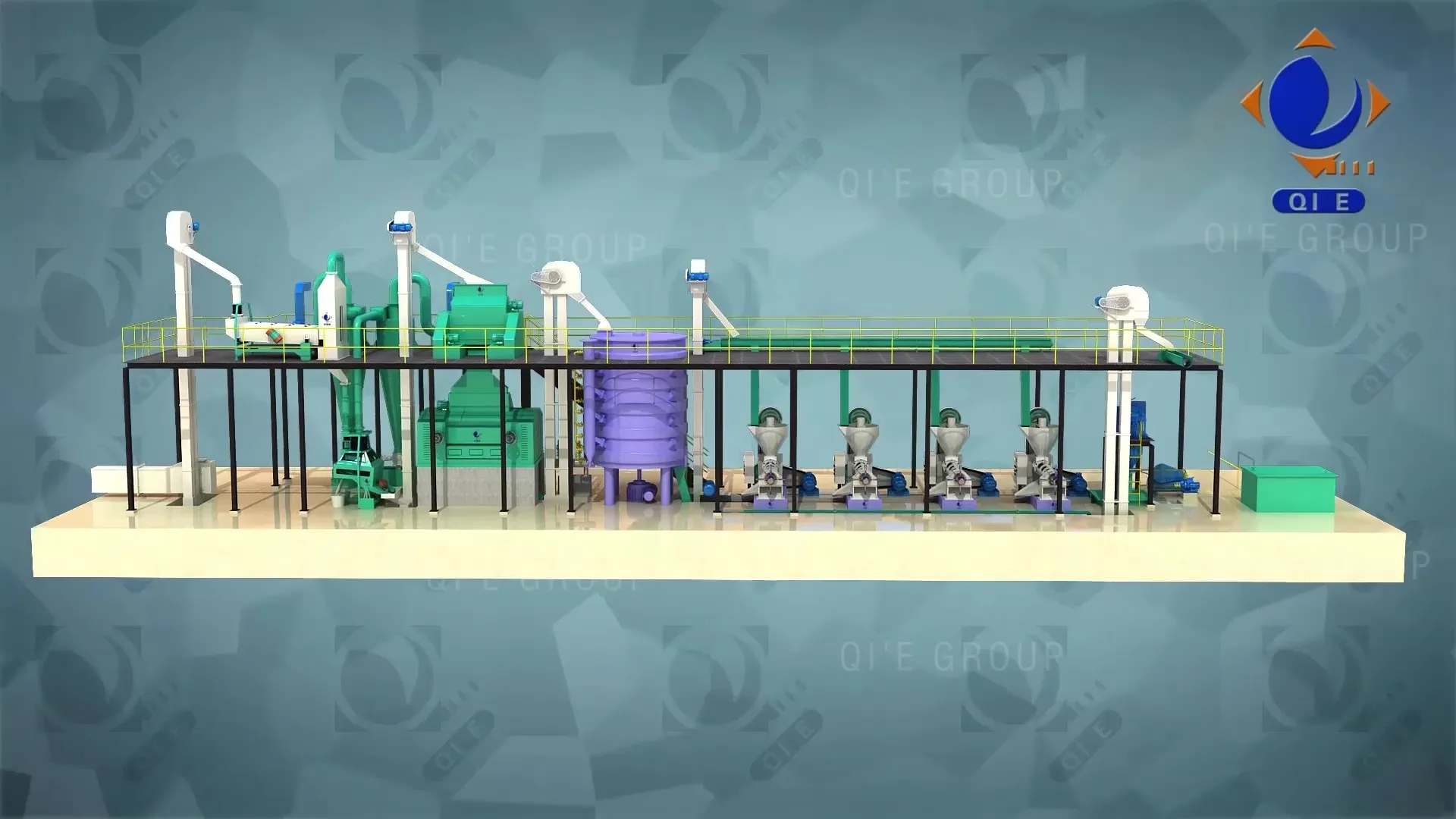
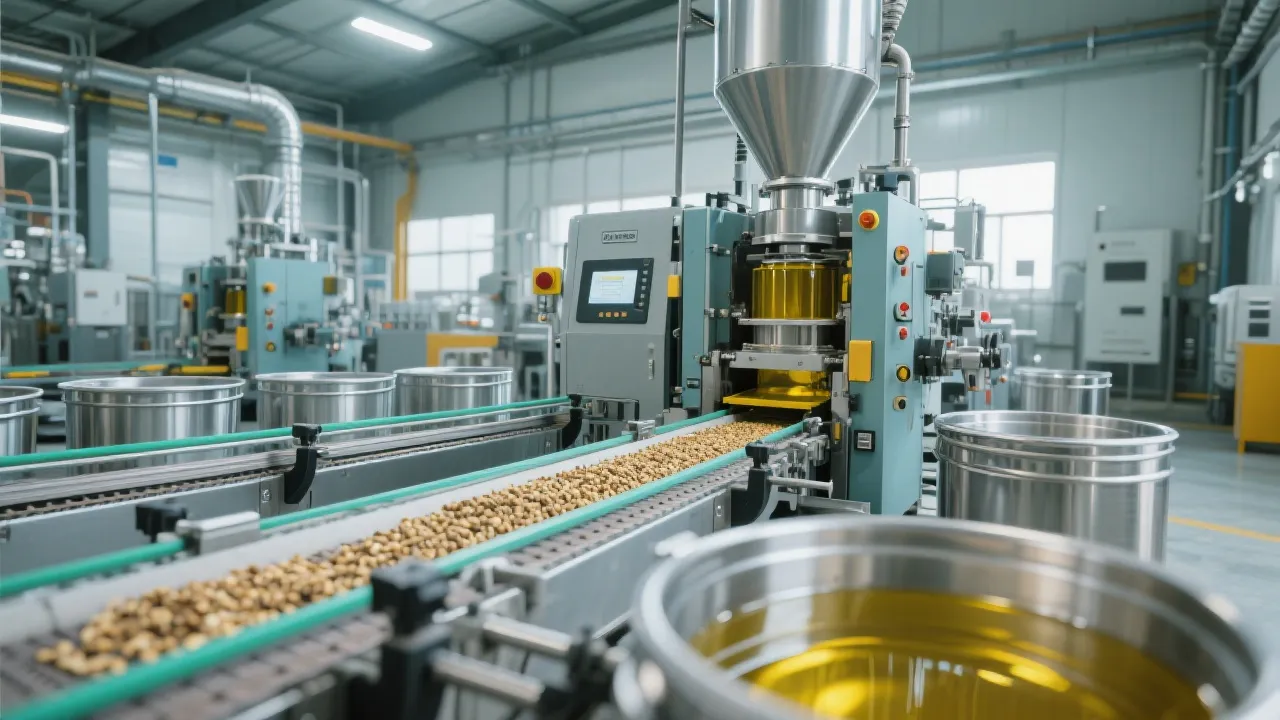
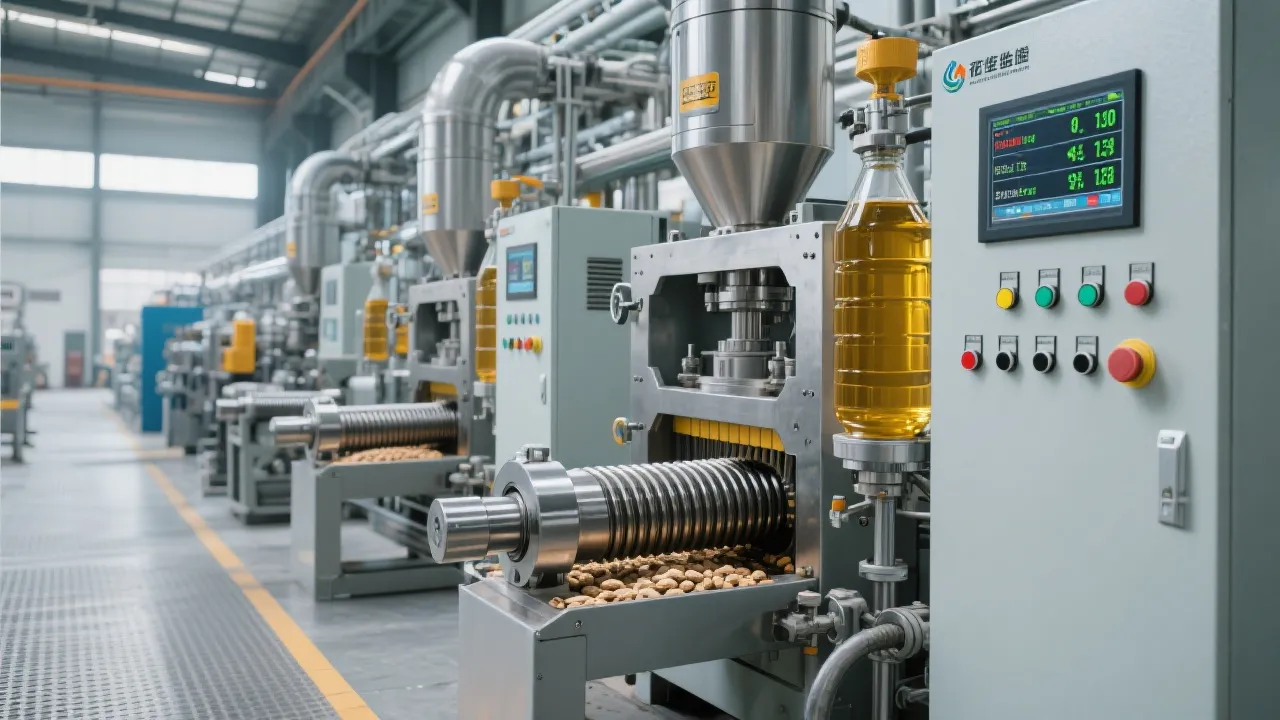
In industrial oil processing, choosing the right filtration cycle isn’t just about equipment maintenance—it’s a direct factor in product quality, machine longevity, and operational efficiency. Many manufacturers still rely on fixed schedules or gut feelings, leading to either premature filter changes (wasting resources) or delayed ones (risking contamination). This guide uses real-world data from our Quadrant AutoFilter Series, especially the Automatic Sunflower Oil Filter Machine, to show how automation and analytics can optimize your filtration strategy.
A study by the International Society of Lubrication Engineers (ISLE) found that 67% of industrial plants use outdated filtration intervals based on calendar days—not actual oil condition. That means filters are often changed too early (costing up to $1,200 per month in unnecessary parts) or too late (leading to 3–5% yield loss in refined oils).
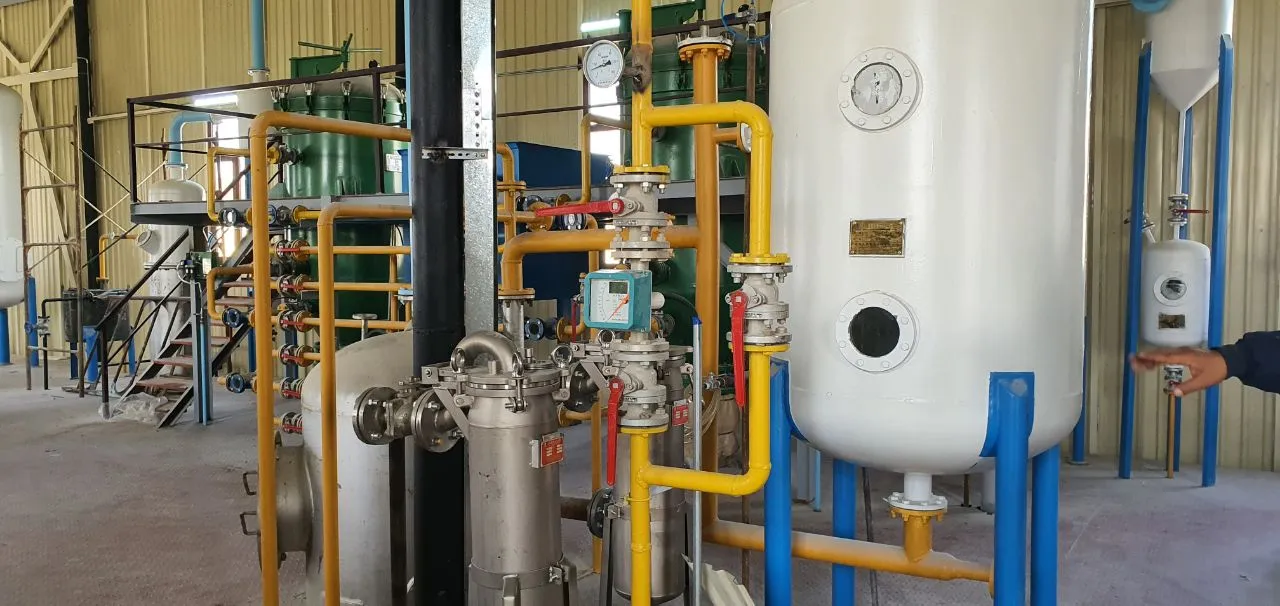
The key? Monitor real-time parameters like pressure drop, temperature stability, and particle count. Our system tracks these using PID-controlled heating and dynamic pressure feedback—adjusting automatically when thresholds are crossed.
Our filters feature three stages:
With built-in sensors, the system logs every run cycle. For example, if pressure rises by more than 15% over baseline within 24 hours, it triggers an alert—indicating clogging. In one case at a cosmetics manufacturer in Malaysia, this reduced unplanned downtime by 40% and saved $8K annually in filter replacements.
| Application | Recommended Filter Change Threshold | Typical Cycle Length |
|---|---|---|
| Edible Oil Refining | ΔP > 15%, Particle Count > 500 ppm | 4–6 weeks |
| Cosmetic Base Oils | ΔP > 10%, Turbidity > 2 NTU | 3–5 weeks |
| Industrial Lubricants | ΔP > 20%, ISO Cleanliness Class ≥ 18/16/13 | 6–8 weeks |
These values are derived from over 200 production runs across 12 countries—proving that context matters more than guesswork.
While ISO 4406 and HACCP standards provide essential benchmarks, they don’t account for your specific process variables. The best practice? Integrate them into your automated monitoring system so you’re not just compliant—you’re optimizing.
Ready to move from reactive to predictive filtration?
Download our free Industrial Oil Filtration Optimization Checklist—used by over 500 factories worldwide—to start applying data-driven decisions today.
Get Your Free Technical Manual Now 330
|
330
|
 compact sunflower seed oil press
small farm oil extraction machine
sunflower seed oil press for home use
efficient sunflower oil production
portable oil press for agriculture
445
|
sunflower seed oil press efficiency
home oil extraction tips
mechanical oil pressing methods
improving oil yield at home
small-scale oil press optimization
328
|
household cold oil press low output reasons
sunflower oil extractor usage tips
home oil press maintenance guide
cold oil press oil production efficiency improvement
grain and oil machinery operation optimization
158
|
home sunflower seed oil press
commercial small oil press
sunflower seed oil extraction machine
small farm oil production equipment
oil press maintenance guide
371
|
home oil press maintenance
sunflower seed oil yield optimization
mechanical oil press troubleshooting
household oil extraction efficiency
press machine cleaning checklist
compact sunflower seed oil press
small farm oil extraction machine
sunflower seed oil press for home use
efficient sunflower oil production
portable oil press for agriculture
445
|
sunflower seed oil press efficiency
home oil extraction tips
mechanical oil pressing methods
improving oil yield at home
small-scale oil press optimization
328
|
household cold oil press low output reasons
sunflower oil extractor usage tips
home oil press maintenance guide
cold oil press oil production efficiency improvement
grain and oil machinery operation optimization
158
|
home sunflower seed oil press
commercial small oil press
sunflower seed oil extraction machine
small farm oil production equipment
oil press maintenance guide
371
|
home oil press maintenance
sunflower seed oil yield optimization
mechanical oil press troubleshooting
household oil extraction efficiency
press machine cleaning checklist
.jpg?x-oss-process=image/resize,h_800,m_lfit/format,webp)





.png?x-oss-process=image/resize,h_100,m_lfit/format,webp)
.png?x-oss-process=image/resize,h_100,m_lfit/format,webp)
.png?x-oss-process=image/resize,h_100,m_lfit/format,webp)

.jpg?x-oss-process=image/resize,h_800,m_lfit/format,webp)

