

If you’ve noticed that your home oil press isn’t squeezing as much oil as expected, don’t rush to blame the equipment alone. Often, the key to improving yield lies upstream — in how the raw materials are prepared and managed. From moisture content in your seeds to the way you pre-treat and maintain your press, every detail can affect oil extraction efficiency. This guide will walk you through practical steps and scientific insights to help you maximize your oil yield, whether you're a home user or operating a small-scale workshop.
Low oil volume during pressing is a frequent pain point but is often misdiagnosed. Many users assume machine malfunction when the real culprits might be:
Fixing these upstream errors can boost your output by up to 15-20%, based on industry benchmarks.
The moisture content of your seeds significantly affects oil extraction. Research shows that a moisture range of roughly 6-8% is optimal for pressing sunflower seeds. If moisture exceeds 12%, the seeds become soggy, reducing oil flow and causing clogging. Conversely, overly dry seeds (below 5%) may fracture during pressing, wasting oil.
Besides moisture, freshness and purity matter. Contaminants or broken shells dilute oil content and burden your machine. Thus, sorting out debris and damaged kernels before pressing is crucial.
Pre-heating or roasting seeds before pressing unlocks bound oils, raising extraction efficiency. However, temperature control is critical:
Over-roasting can degrade oil quality and volatilize flavors, while under-roasting leaves oils locked. A well-controlled roast can improve oil yield by 8-12%.
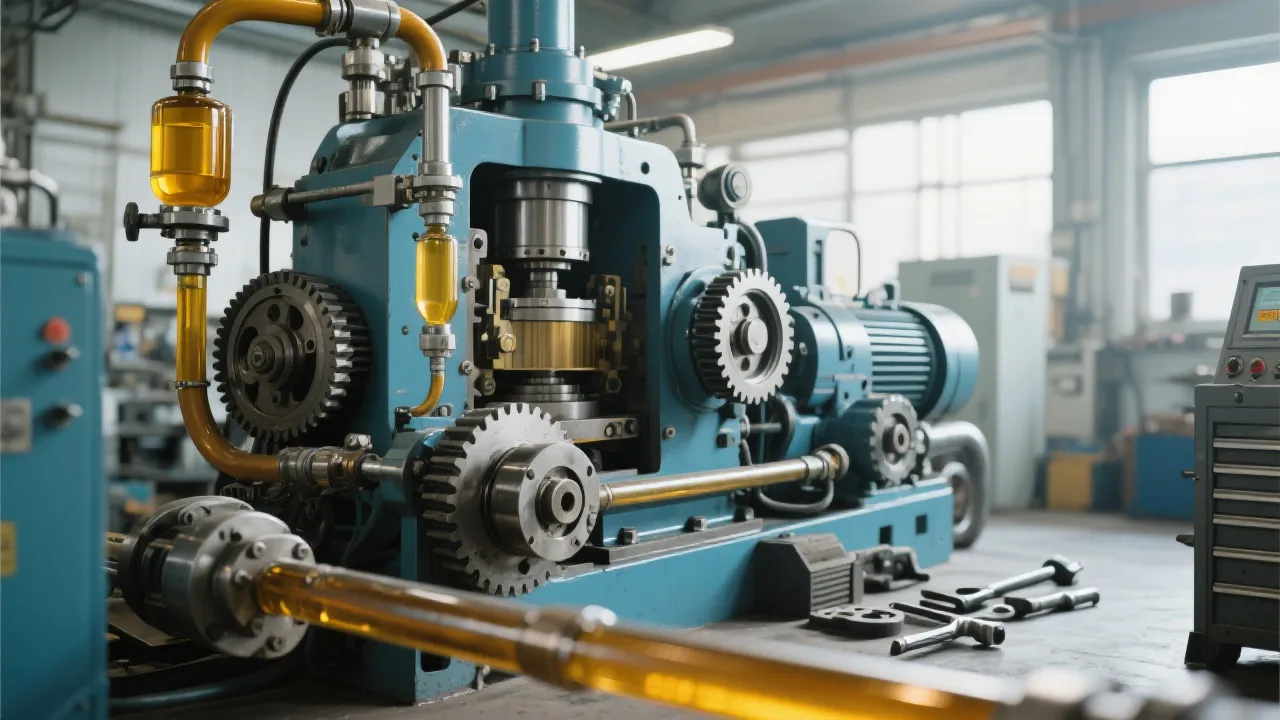
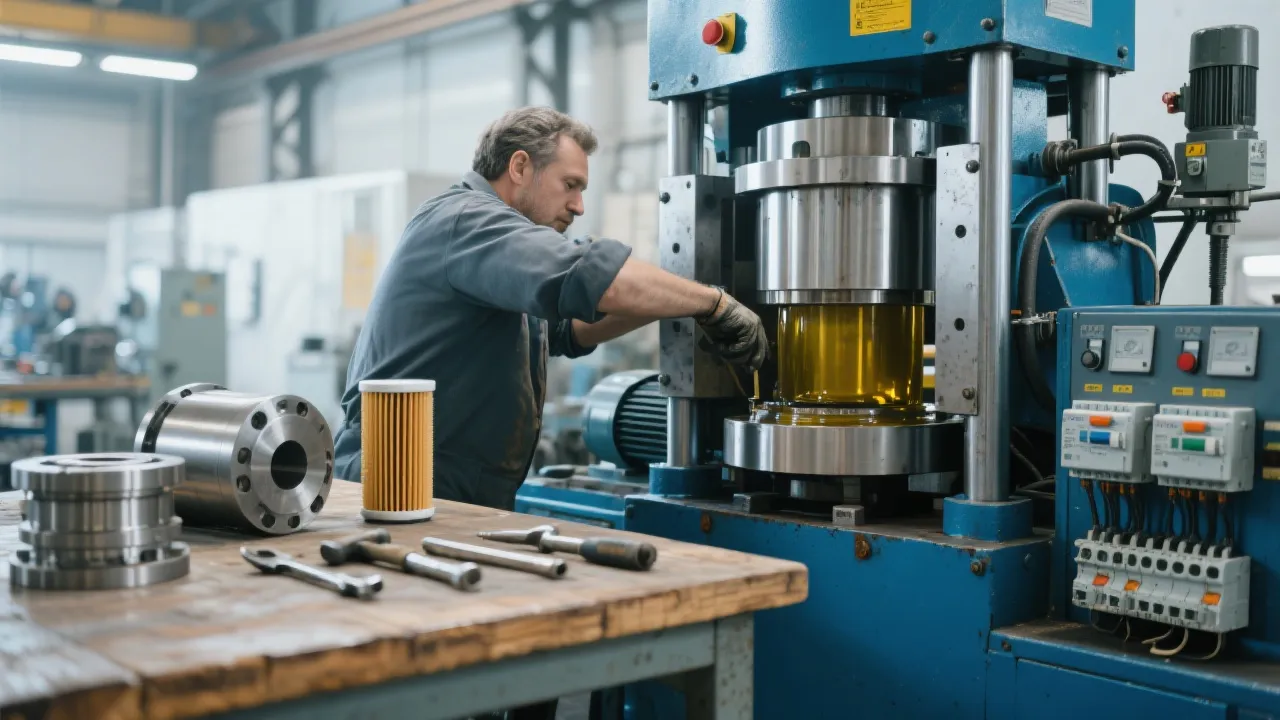
Your pressing machine’s condition directly influences efficiency:
Regular machine inspections and maintenance extend lifespan and stabilize output. For example, a monthly deep clean and seal inspection have proven to increase uptime and raise yield consistency by 10%.
| Scenario | Moisture % | Roasting Temp (°C) | Pressure Setting (bar) | Yield % |
|---|---|---|---|---|
| Baseline (Untreated) | 12 | N/A | 2 | 28% |
| Optimal Moisture + Proper Roasting | 7 | 110 | 3.5 | 35% |
| Poor Maintenance + High Moisture | 14 | 100 | 1.5 | 22% |
As illustrated, controlling input quality and equipment status can boost your yield by upwards of 20%.
Optimizing your yield isn’t a one-time job. Developing habits like:
These simple routines safeguard your machine’s functionality and keep yields steady over years of use.
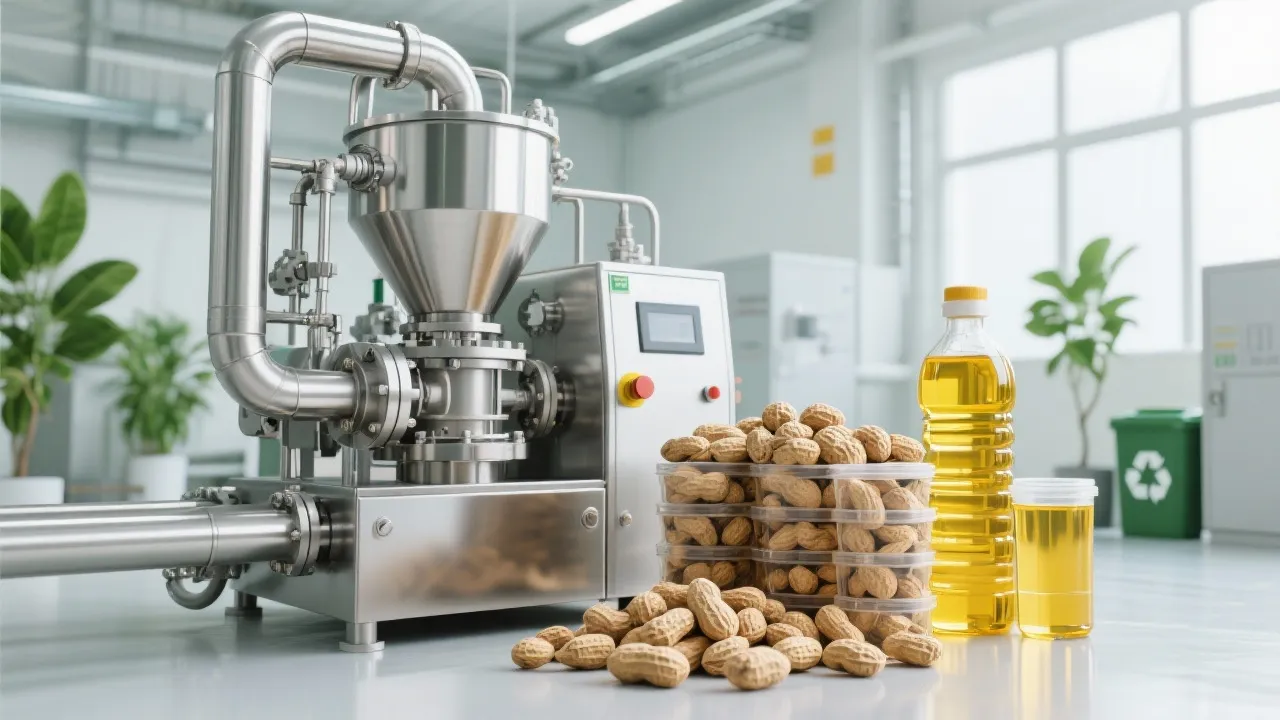
Our QIE Group Home Sunflower Oil Extractor is engineered to eliminate common issues—featuring a compact design with tight sealing and easy-to-clean parts. It’s tailored for your needs whether pressing at home or running a small operation. Book a consultation now and get a customized pressing plan from our experts — absolutely free.
 431
|
431
|
 Sunflower oil extraction
Mechanical pressing
Chemical extraction
Oil yield improvement
Household oil press
425
|
Small sunflower oil press
Household oil press recommendation
Commercial oil press equipment selection
Small - scale grain and oil processing solutions
Sunflower oil extraction machine
495
|
Sunflower seed oil yield improvement techniques
Household oil press usage guide
How to increase oil yield of small oil presses
Mechanical pressing vs chemical extraction
Household grain and oil processing practices
429
|
Sunflower oil yield improvement techniques
Home oil press usage guide
How to increase oil extraction rate of small oil presses
Mechanical pressing
Grain and oil processing technology
351
|
sunflower seed oil yield improvement
home oil press operation guide
mechanical expelling
small-scale oil press efficiency
mechanical vs chemical extraction
Sunflower oil extraction
Mechanical pressing
Chemical extraction
Oil yield improvement
Household oil press
425
|
Small sunflower oil press
Household oil press recommendation
Commercial oil press equipment selection
Small - scale grain and oil processing solutions
Sunflower oil extraction machine
495
|
Sunflower seed oil yield improvement techniques
Household oil press usage guide
How to increase oil yield of small oil presses
Mechanical pressing vs chemical extraction
Household grain and oil processing practices
429
|
Sunflower oil yield improvement techniques
Home oil press usage guide
How to increase oil extraction rate of small oil presses
Mechanical pressing
Grain and oil processing technology
351
|
sunflower seed oil yield improvement
home oil press operation guide
mechanical expelling
small-scale oil press efficiency
mechanical vs chemical extraction






.png?x-oss-process=image/resize,h_100,m_lfit/format,webp)
.png?x-oss-process=image/resize,h_100,m_lfit/format,webp)
.png?x-oss-process=image/resize,h_100,m_lfit/format,webp)


