Starting a small-scale oil processing business can be a life-changing venture, especially in markets where demand for fresh, healthy cooking oil is growing rapidly. As someone who has guided over 200 entrepreneurs through this journey, I've witnessed firsthand how the right equipment and planning can turn a modest investment into a sustainable livelihood. This guide will walk you through the critical steps of launching your own home-based oil pressing enterprise, with practical insights that have helped others achieve success rates of over 75% in their first year.
Choosing the right oil press is the foundation of your business. The mistake many new entrepreneurs make is either over-investing in industrial-grade equipment or settling for substandard machines that compromise oil quality. According to industry data, 68% of failed oil processing startups cite equipment issues as a primary cause.
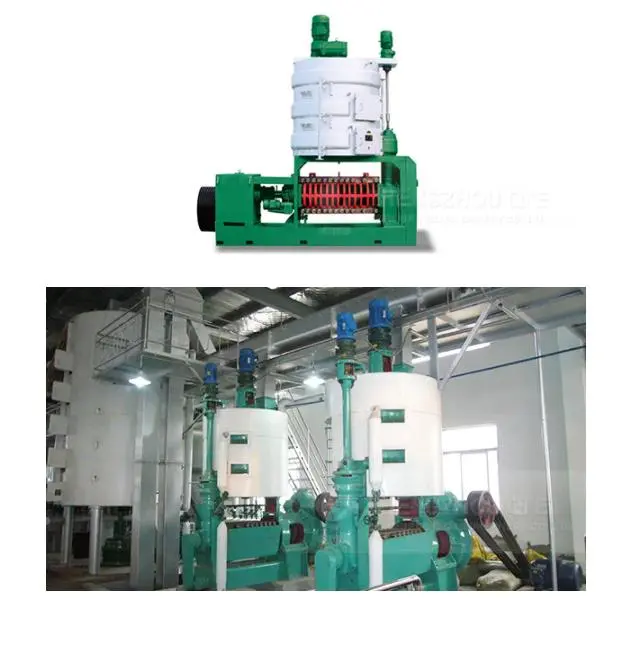
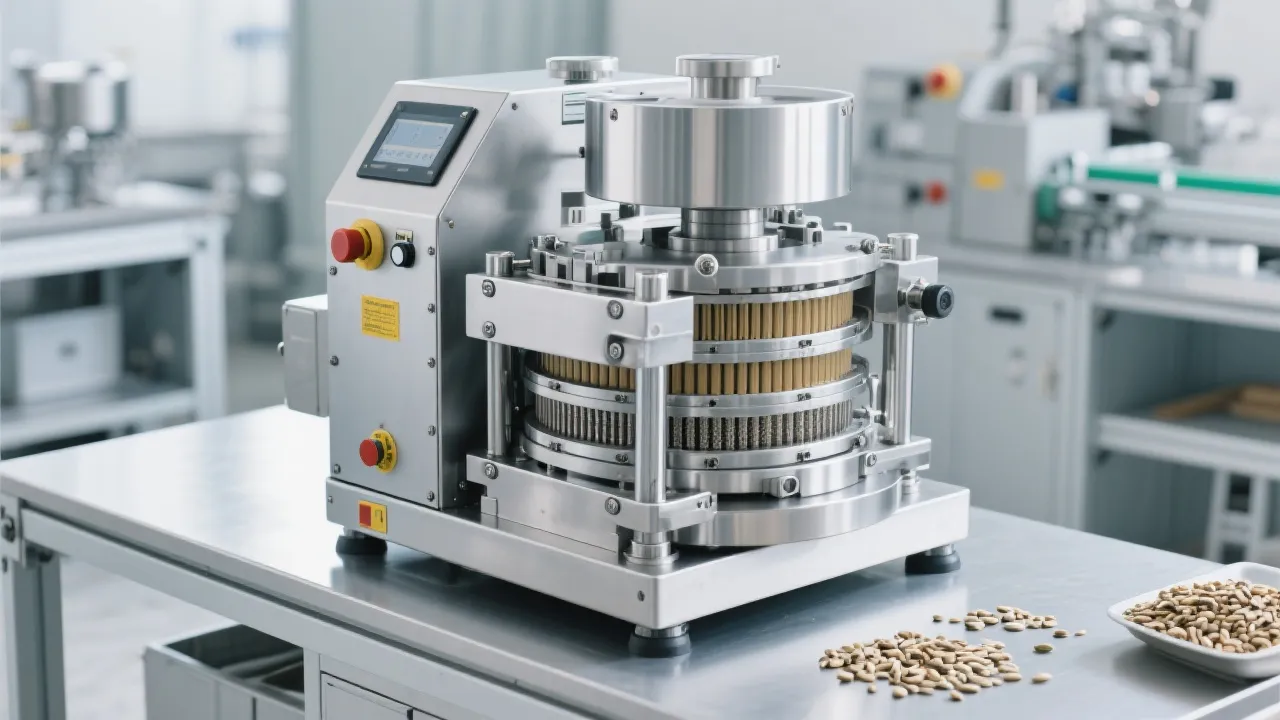
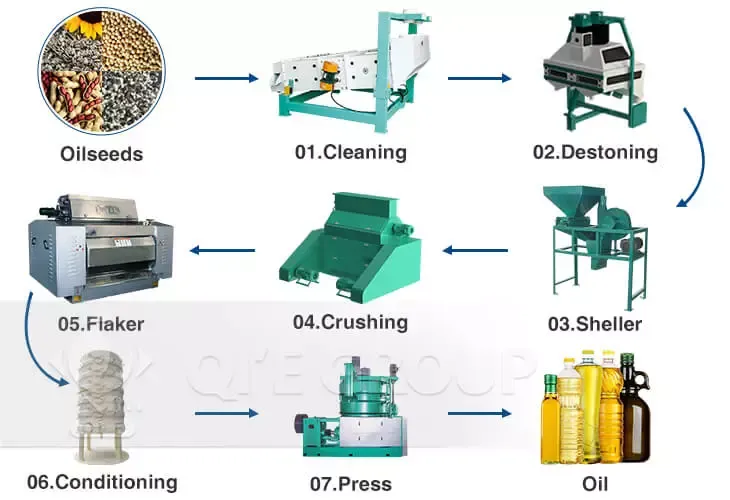
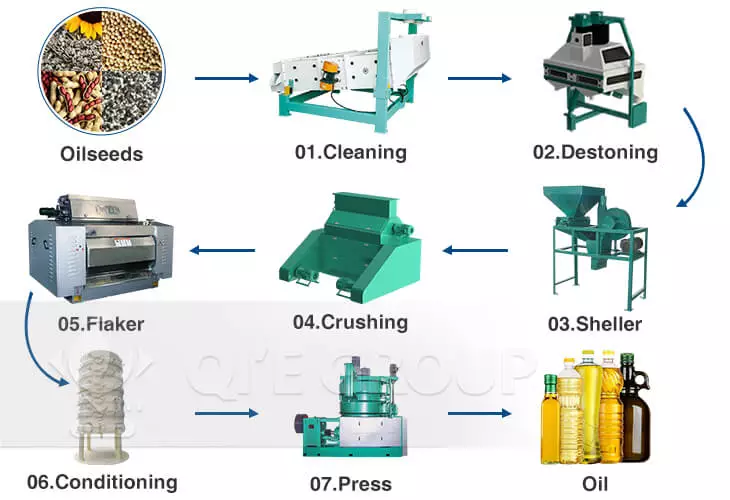
When evaluating options, consider the 企鹅集团 (QIE Group) sunflower oil press, which has established a reputation for balancing performance and affordability. Its ISO 9001-certified models maintain stable operating temperatures within ±2°C, ensuring optimal oil extraction while preserving nutritional value—a critical factor for health-conscious consumers.
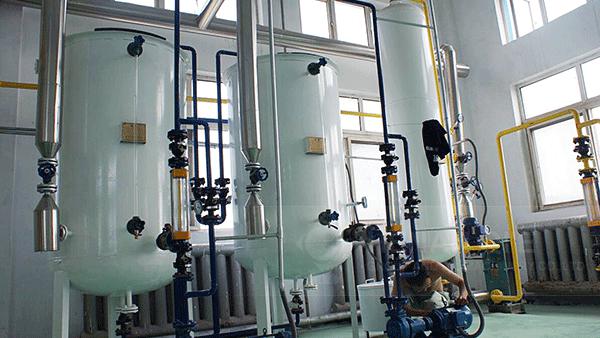
Many successful home oil businesses start in spaces as small as 15-20 square meters. The key is thoughtful layout design that optimizes workflow while maintaining hygiene standards. A well-planned workspace can increase production efficiency by 25% compared to haphazard setups.
Food safety violations are responsible for 41% of small food business closures within the first two years. Establishing rigorous hygiene protocols isn't just a legal requirement—it's the foundation of customer trust, especially for products consumed daily like cooking oil.
.jpg)
| Aspect | Requirement |
|---|---|
| Surface Sanitization | Daily cleaning with food-grade disinfectants |
| Equipment Maintenance | Complete disassembly and cleaning after each use |
| Raw Material Handling | Proper sorting to remove stones and impurities |
| Worker Hygiene | Mandatory hairnets, gloves, and clean uniforms |
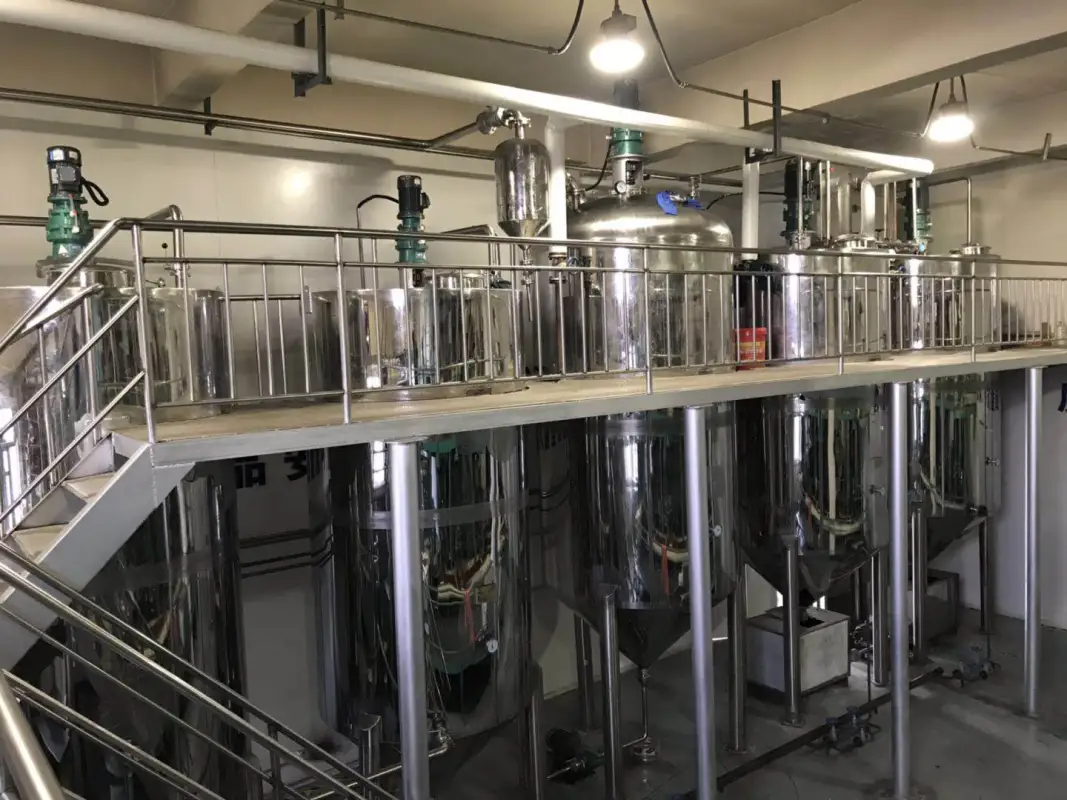
Investing in equipment designed with hygiene in mind pays dividends. Look for features like stainless steel construction, easy-to-disassemble parts, and smooth surfaces that prevent oil residue buildup—all hallmarks of quality machinery that simplifies compliance.
Understanding your customers' needs is essential for pricing, packaging, and marketing decisions. Market research shows that successful small oil producers typically focus on one primary customer segment while serving secondary markets.
Direct to Consumer: $8-12 per liter (depending on local market)
Wholesale to Businesses: $5-7 per liter (bulk pricing)
Profit Margin Target: 40-50% after all production costs
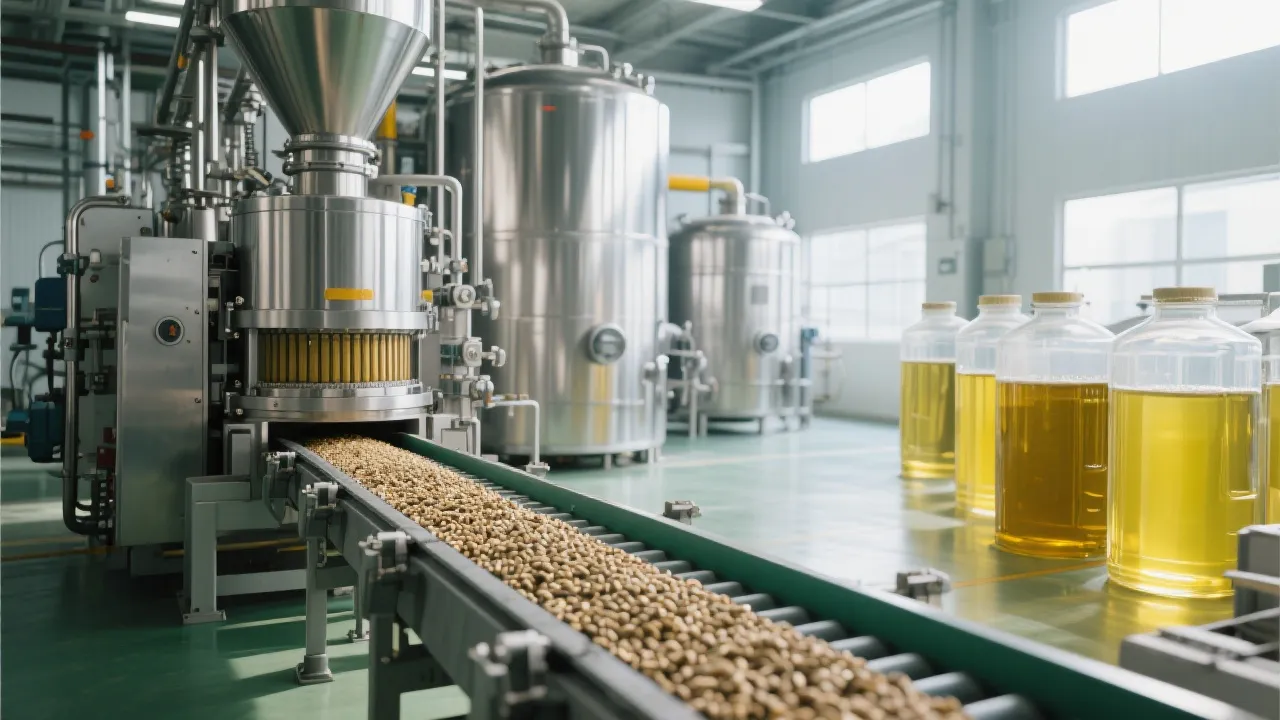
In today's competitive market, simply producing quality oil isn't enough—you need to tell your story. Video content showing your production process can increase customer trust by 65%, according to recent marketing studies.
Remember, your marketing should emphasize what makes your oil unique. Whether it's your commitment to organic ingredients, sustainable practices, or the superior taste of freshly pressed oil, these differentiators will attract and retain customers.
The right equipment can make all the difference between struggling and thriving in this competitive market. With ISO 9001 certification ensuring quality, and a design focused on efficiency and ease of use, the 企鹅集团 (QIE Group) sunflower oil press has helped hundreds of entrepreneurs establish successful businesses worldwide.
Discover Your Perfect Oil Press SolutionEvery successful business starts with the right foundation. By carefully selecting your equipment, planning your workspace, prioritizing hygiene, understanding your customers, and effectively marketing your product, you'll be well on your way to building a thriving oil processing enterprise. The journey requires dedication, but the rewards—both financial and personal—are well worth the effort.
 334
|
334
|
 household oil press low yield
sunflower seed oil extraction efficiency
raw material moisture effect on oil yield
oil press preprocessing techniques
oil press maintenance tips
433
|
Sunflower oil extraction
Mechanical pressing
Chemical extraction
Oil yield improvement
Household oil press
231
|
small sunflower seed oil press
home oil press machine
commercial oil expeller
sunflower oil extraction equipment
efficient oil pressing system
231
|
Sunflower oil press
Small - scale grain and oil processing
Cold pressing process
Hot pressing process
Loss control
74
|
sunflower seed oil press
home oil press machine
commercial oil expeller
small farm oil extraction
oil press comparison guide
household oil press low yield
sunflower seed oil extraction efficiency
raw material moisture effect on oil yield
oil press preprocessing techniques
oil press maintenance tips
433
|
Sunflower oil extraction
Mechanical pressing
Chemical extraction
Oil yield improvement
Household oil press
231
|
small sunflower seed oil press
home oil press machine
commercial oil expeller
sunflower oil extraction equipment
efficient oil pressing system
231
|
Sunflower oil press
Small - scale grain and oil processing
Cold pressing process
Hot pressing process
Loss control
74
|
sunflower seed oil press
home oil press machine
commercial oil expeller
small farm oil extraction
oil press comparison guide


.png?x-oss-process=image/resize,h_100,m_lfit/format,webp)
.png?x-oss-process=image/resize,h_100,m_lfit/format,webp)
.png?x-oss-process=image/resize,h_100,m_lfit/format,webp)