Facing low oil yield from your home oil press? Before investing in another device, it’s crucial to identify where the bottleneck lies. From raw material moisture to equipment upkeep, this step-by-step diagnostic guide empowers you to boost your oil extraction efficiency by over 30%. Whether you’re a novice or an experienced user, this practical insight supports stable, high-yield oil production using your existing machinery.
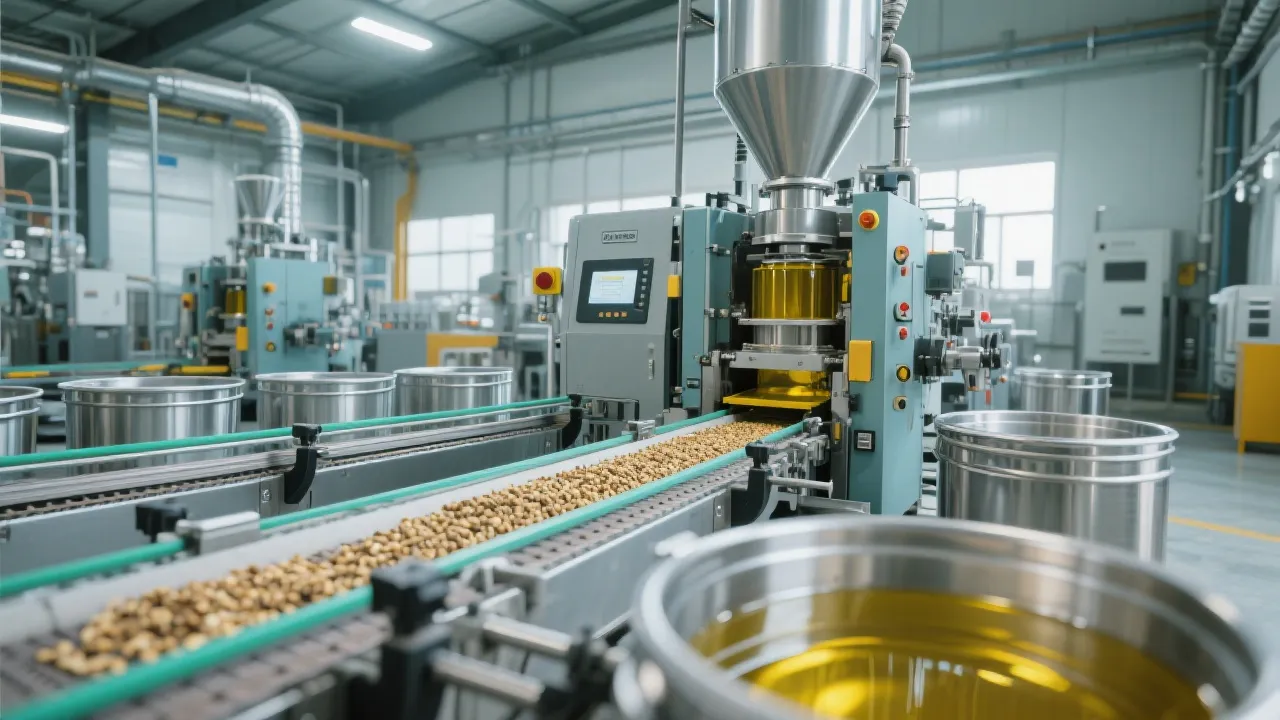
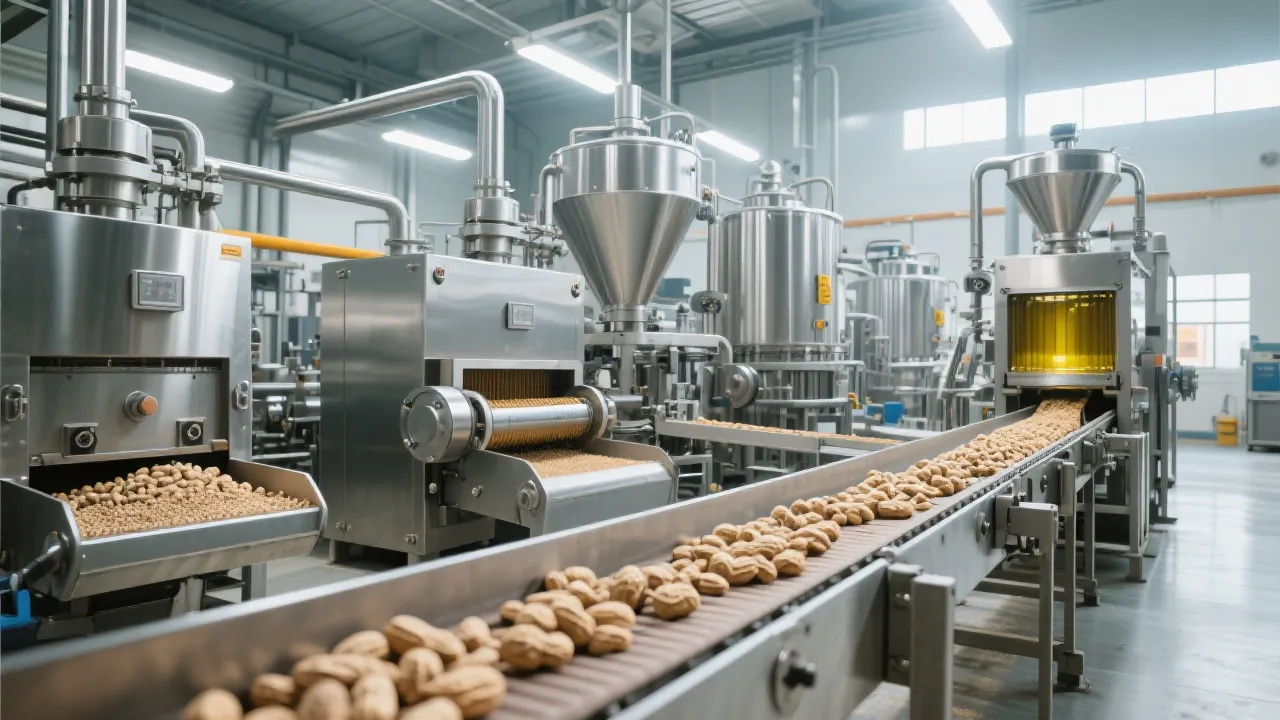
The quality and preparation of your raw materials directly influence oil output. Consider the following critical factors:
Proper preprocessing maximizes the exposure of oil cells to pressing pressure. Critical points include:
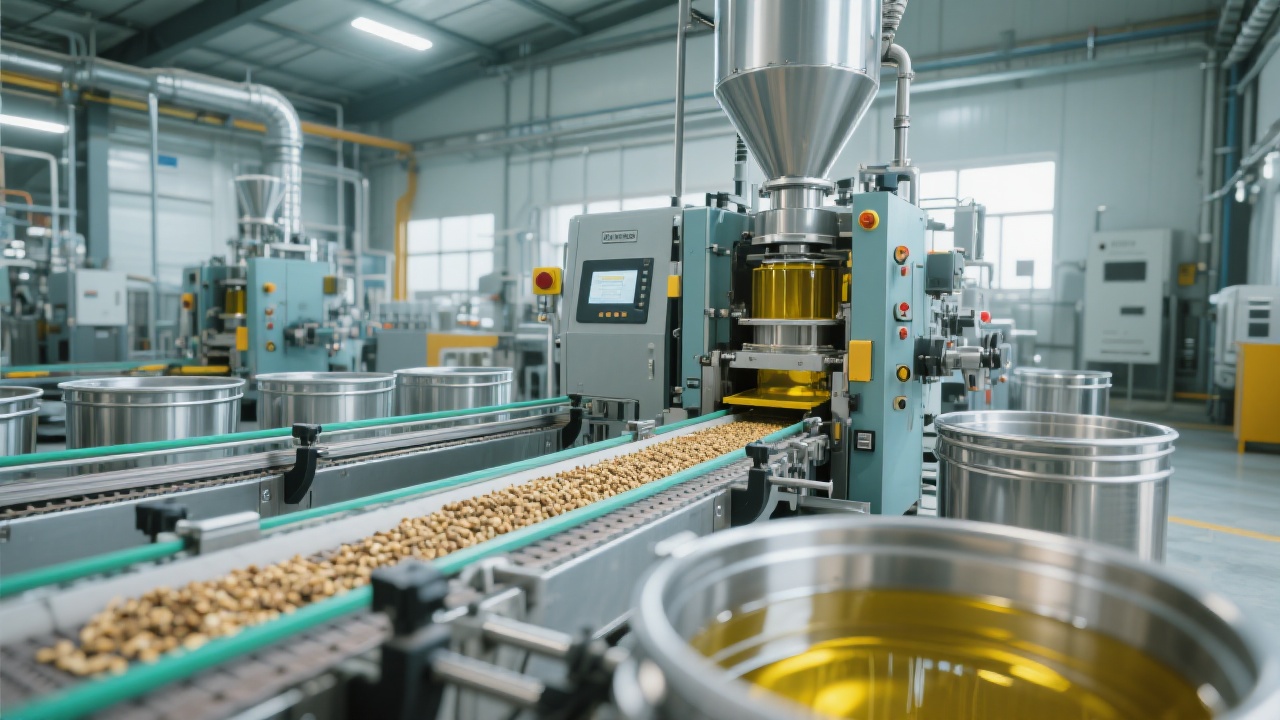
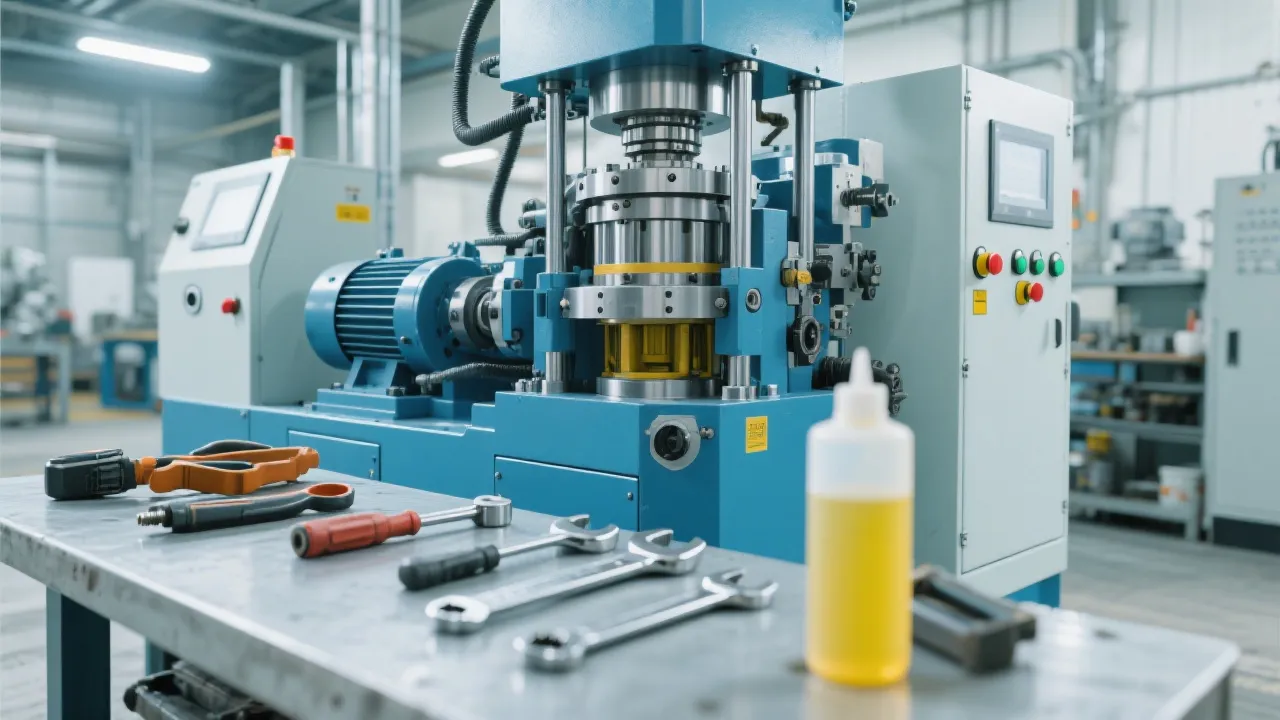
Your press’s mechanical state has a direct effect on oil output. Regular inspection of the following ensures optimal operation:
| Parameter | Ideal Value / Condition | Impact on Yield |
|---|---|---|
| Pressing Pressure | Consistent & adjustable per seed type (~120-180 bar) | Proper pressure improves oil extraction efficiency by up to 20% |
| Equipment Sealing | No leaks or gaps | Prevents oil loss and pressure drops, ensuring yield stability |
| Screw & Chamber Wear | Minimal wear, replaced or repaired as needed | Maintains pressing efficiency and uniformity |
Inadequate cleaning and delayed part replacement often degrade your machine’s output over time:

| Typical Error | Correct Practice | Result on Oil Yield |
|---|---|---|
| Using high-moisture seeds (15%+) | Dry seeds to 7-10% moisture | +15% oil extraction efficiency |
| Neglecting equipment cleaning | Clean after every batch | Maintains consistent pressure & prevents oil loss |
| Ignoring worn screws and seals | Timely replacement & lubrication | Sustains optimal mechanical efficiency |

 468
|
468
|
 Small sunflower oil press
Household oil press
Commercial oil equipment
Oil press selection guide
Small farm oil press
336
|
small sunflower seed oil press machine
home oil press for sunflower seeds
commercial oil extraction equipment
sunflower oil production guide
small scale oil pressing machine
148
|
small farm sunflower seed oil press
home oil press machine
commercial sunflower oil extractor
DIY sunflower oil making
agricultural equipment selection
495
|
sunflower seed oil press tutorial
small farm oil extraction techniques
home vs commercial oil press machines
sunflower oil yield improvement
oil press maintenance guide
73
|
sunflower seed oil press
home oil press machine
commercial oil expeller
small farm oil extraction
oil press comparison guide
Small sunflower oil press
Household oil press
Commercial oil equipment
Oil press selection guide
Small farm oil press
336
|
small sunflower seed oil press machine
home oil press for sunflower seeds
commercial oil extraction equipment
sunflower oil production guide
small scale oil pressing machine
148
|
small farm sunflower seed oil press
home oil press machine
commercial sunflower oil extractor
DIY sunflower oil making
agricultural equipment selection
495
|
sunflower seed oil press tutorial
small farm oil extraction techniques
home vs commercial oil press machines
sunflower oil yield improvement
oil press maintenance guide
73
|
sunflower seed oil press
home oil press machine
commercial oil expeller
small farm oil extraction
oil press comparison guide


.png?x-oss-process=image/resize,h_100,m_lfit/format,webp)
.png?x-oss-process=image/resize,h_100,m_lfit/format,webp)
.png?x-oss-process=image/resize,h_100,m_lfit/format,webp)


.jpg?x-oss-process=image/resize,h_800,m_lfit/format,webp)
.jpg?x-oss-process=image/resize,h_800,m_lfit/format,webp)