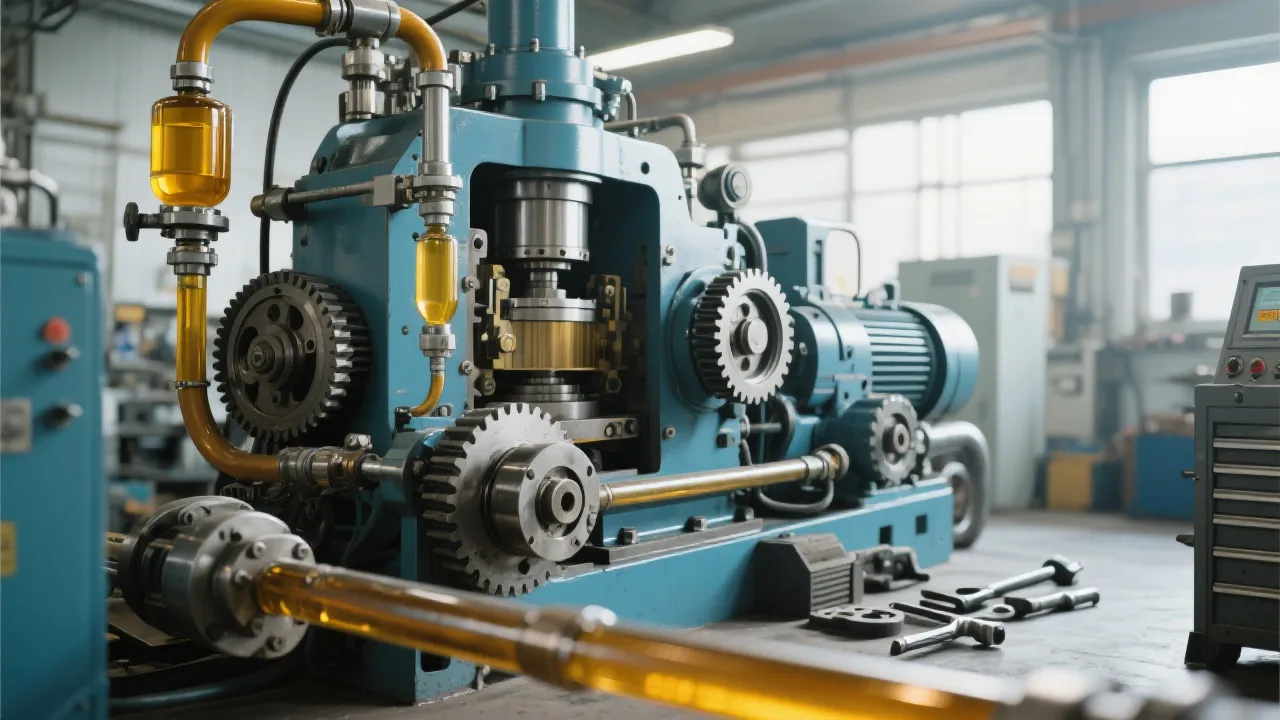
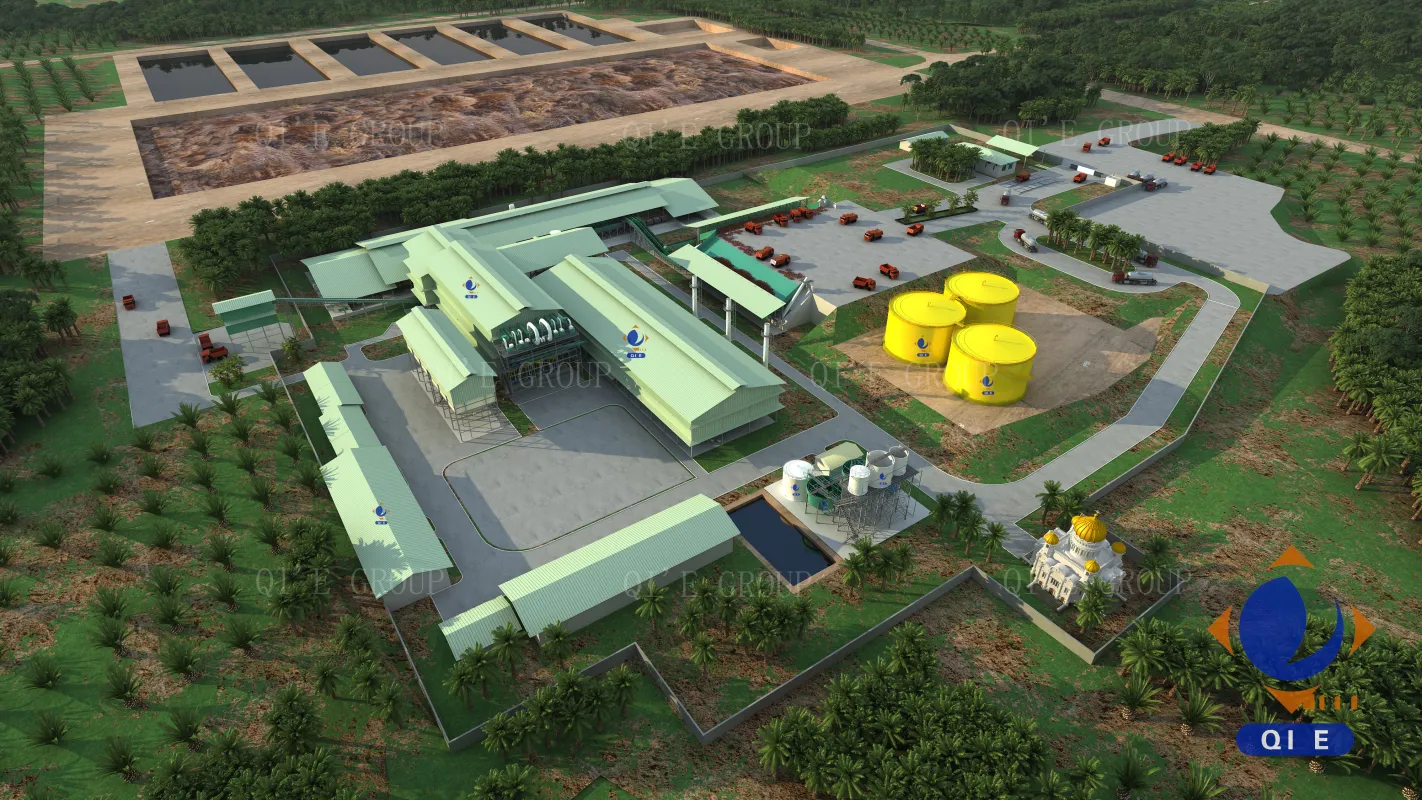
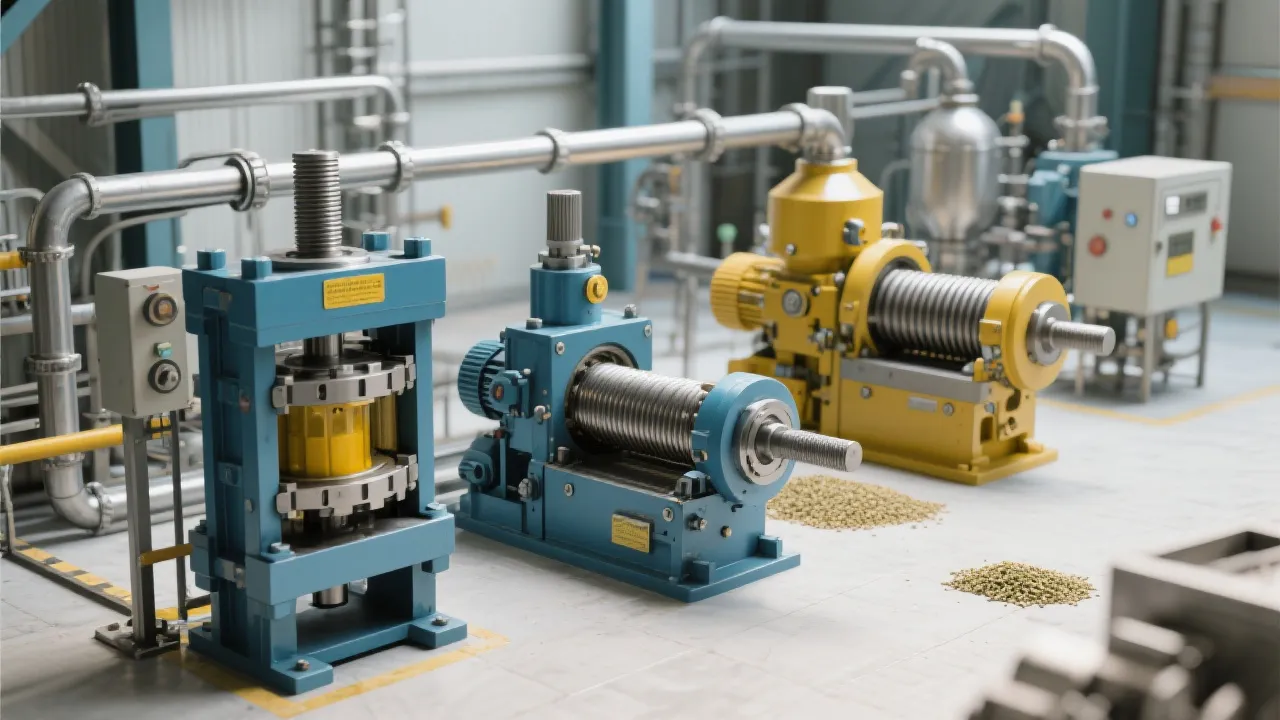
Industrial oil contamination, particularly due to tar residues, significantly undermines product quality and operational efficiency across multiple sectors such as edible oil processing, cosmetics raw materials, and industrial lubricant manufacturing. Conventional filtration methods often fall short when addressing persistent pollutants like tar, resulting in frequent maintenance, process downtime, and subpar purification outcomes.
Key Insight: Deploying fully automated oil filtration systems equipped with tar-resistance technology can elevate impurity removal efficiency to over 98%, drastically reduce manual intervention, and ensure stable, continuous production aligned with environmental regulations.
Tar deposits form as heavy contaminants in industrial oils, deteriorating product purity and accelerating equipment wear. Traditional filters often clog rapidly due to tar’s sticky nature, requiring frequent shutdowns for cleaning or replacement. This not only increases operational costs but also disrupts production schedules and leads to inconsistent filtering quality, undermining compliance with strict food safety and environmental standards.
Developed by the Qie Group, the proprietary tar-resistance technology incorporates specialized filter media engineered to repel tar adhesion while maintaining high permeability. This technology enhances filtration efficiency by capturing over 98% of particulate impurities, including stubborn tar compounds, without frequent clogging. Automated self-cleaning cycles optimize filter maintenance, dramatically extending filter lifespan and maintaining peak performance across operational shifts.
Integration of advanced automation controls enables real-time monitoring, adaptive flow regulation, and predictive maintenance alerts. This substantially reduces the reliance on manual oversight, lowering labor costs and minimizing human errors. Continuous operation without frequent manual filter changes facilitates higher throughput and stable output quality. Automation also empowers seamless integration with factory systems, supporting Industry 4.0 initiatives.
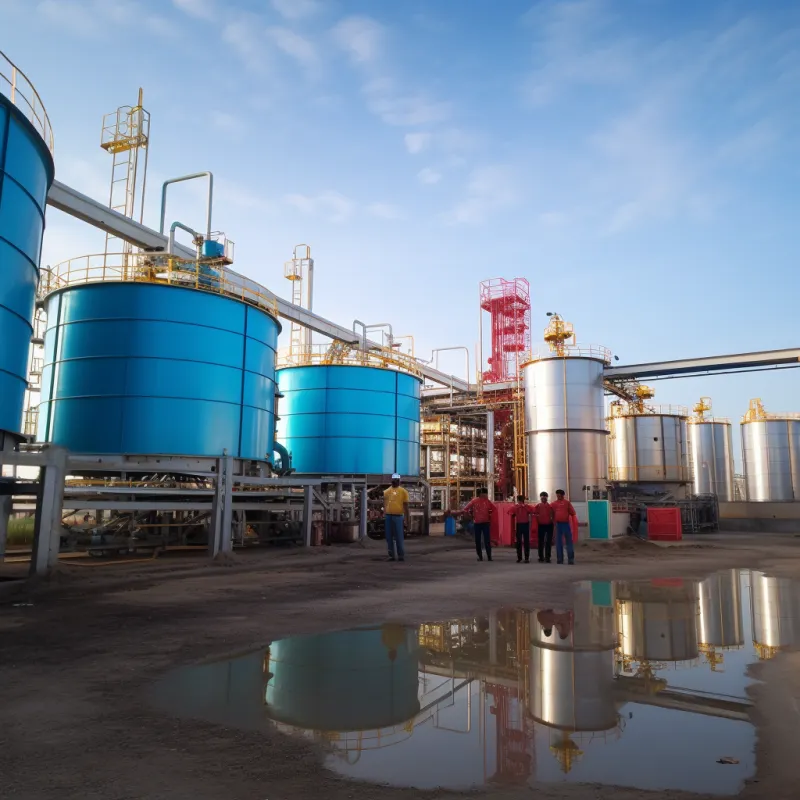
The fully automated filtration units demonstrate adaptability across diverse industrial contexts:
Clients report improved oil clarity and process yield, highlighting the system’s ability to meet different capacity demands through modular, flexible configurations. To date, over 200 food and chemical companies trust these filtration solutions for boosting product quality and operational reliability.
The filtration machines possess ISO9001 certification and multiple patented technologies, ensuring consistent manufacturing quality and innovation leadership. Extensive after-sales support networks provide timely technical assistance and maintenance services, securing long-term operational confidence for purchasers across the globe.
Designed with energy efficiency in mind, these systems significantly reduce power consumption compared to conventional counterparts. Optimized filtration reduces waste oil discharge and helps manufacturers comply with increasingly stringent environmental policies on emissions and effluent standards. This alignment with green initiatives promotes sustainable industrial practices without sacrificing productivity.
 83
|
83
|
 Small-scale sunflower oil equipment
Mechanical pressing technology
Efficient and stable operation
Household oil extractor
Sunflower oil production process
371
|
home sunflower oil press
compact oil extraction machine
cold press sunflower oil
small batch oil production
family food processing
152
|
compact sunflower seed oil extractor
small-scale grain oil processing
household oil press machine
sunflower oil production technology
Asian African agricultural machinery
300
|
tar resistant filtration
automated oil filter machine
edible oil purification
industrial oil cleaning
sunflower oil processing
115
|
Mechanical pressing of sunflower oil
Small - scale oil processing
Cold and hot pressing processes
Home oil pressing equipment
Oil extraction technology
Small-scale sunflower oil equipment
Mechanical pressing technology
Efficient and stable operation
Household oil extractor
Sunflower oil production process
371
|
home sunflower oil press
compact oil extraction machine
cold press sunflower oil
small batch oil production
family food processing
152
|
compact sunflower seed oil extractor
small-scale grain oil processing
household oil press machine
sunflower oil production technology
Asian African agricultural machinery
300
|
tar resistant filtration
automated oil filter machine
edible oil purification
industrial oil cleaning
sunflower oil processing
115
|
Mechanical pressing of sunflower oil
Small - scale oil processing
Cold and hot pressing processes
Home oil pressing equipment
Oil extraction technology


.png?x-oss-process=image/resize,h_100,m_lfit/format,webp)
.png?x-oss-process=image/resize,h_100,m_lfit/format,webp)
.png?x-oss-process=image/resize,h_100,m_lfit/format,webp)
.jpg?x-oss-process=image/resize,h_800,m_lfit/format,webp)


.jpg?x-oss-process=image/resize,h_800,m_lfit/format,webp)