
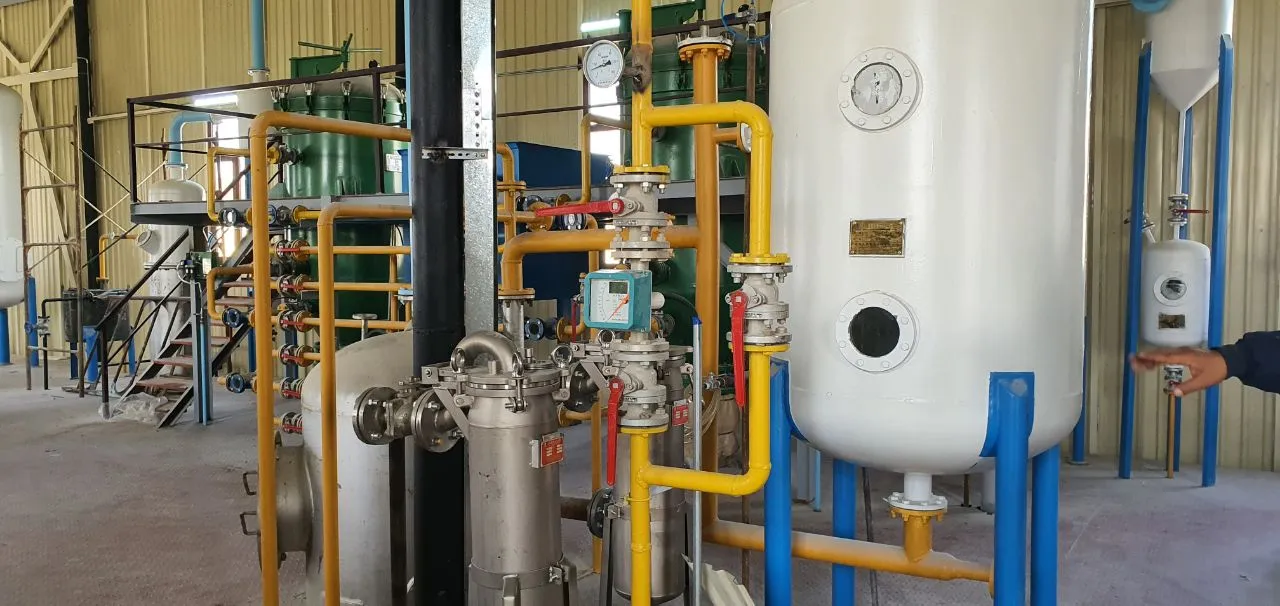
When it comes to producing high-quality edible oils, cosmetic-grade ingredients, or industrial lubricants, contamination from tar residues and particulate matter can be a silent killer of product consistency—and brand trust. That’s where advanced oil filtration systems built with food-grade stainless steel come into play.
Industrial oil filtration isn’t just about removing visible impurities—it’s about preventing chemical degradation caused by sticky tar compounds that form during heating cycles. A well-designed multi-stage filter system (typically 3–5 stages) ensures that:
According to data from ISO 9001-certified labs, properly maintained systems reduce tar buildup by up to 78% over 6 months—extending equipment life and reducing downtime by an average of 30%. This is especially critical in continuous production environments like vegetable oil refining or cosmetic ingredient manufacturing.
Not all stainless steels are created equal. Food-grade 304L and 316L alloys—especially those with surface passivation treatment—are engineered for maximum corrosion resistance. In real-world testing, these materials showed zero detectable leaching of metals even after 2,000 hours of exposure to hot, acidic oils at 180°C.
The key? The passive oxide layer formed during electropolishing prevents oxidation and microbial growth—critical for compliance with FDA, EU Regulation (EC) No 1935/2004, and HACCP standards.
Modern oil filtration units now integrate PID temperature control and pressure feedback loops. For example, a case study from a Malaysian palm oil processor revealed:
“After installing our automated system with real-time viscosity monitoring, the plant reduced manual intervention by 60%, increased throughput by 15%, and cut energy consumption per batch by 12%.”
This level of automation doesn’t just improve efficiency—it makes maintenance predictable. Based on usage patterns, most users report optimal filter replacement intervals between 6–12 weeks depending on feedstock quality and operating conditions.
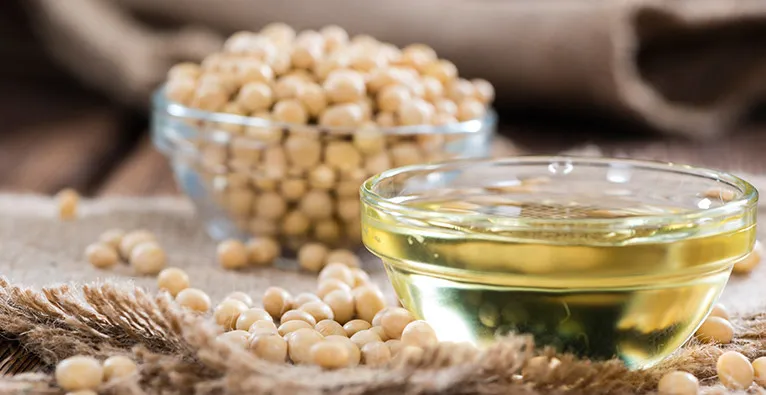
Whether you're processing soybean oil for food safety compliance, extracting virgin coconut oil for cosmetics, or refining turbine oil for heavy machinery—your filtration solution must adapt to process demands while ensuring regulatory alignment.
 310
|
310
|
 industrial oil filtration technology
tar removal efficiency
automatic oil filter machine
food-grade stainless steel filter
industrial oil purification solution
148
|
small farm sunflower seed oil press
home oil press machine
commercial sunflower oil extractor
DIY sunflower oil making
agricultural equipment selection
93
|
Sunflower oil pressing equipment
Cold pressing vs. hot pressing
Sunflower oil production process
Grain and oil processing equipment
Edible oil refining technology
484
|
small sunflower seed oil press
standard operating procedure
oil yield optimization
equipment maintenance
home oil extraction
458
|
sunflower oil extraction machine
small farm oil press
seed cleaning and oil pressing
high yield oil machine
green edible oil production
industrial oil filtration technology
tar removal efficiency
automatic oil filter machine
food-grade stainless steel filter
industrial oil purification solution
148
|
small farm sunflower seed oil press
home oil press machine
commercial sunflower oil extractor
DIY sunflower oil making
agricultural equipment selection
93
|
Sunflower oil pressing equipment
Cold pressing vs. hot pressing
Sunflower oil production process
Grain and oil processing equipment
Edible oil refining technology
484
|
small sunflower seed oil press
standard operating procedure
oil yield optimization
equipment maintenance
home oil extraction
458
|
sunflower oil extraction machine
small farm oil press
seed cleaning and oil pressing
high yield oil machine
green edible oil production






.png?x-oss-process=image/resize,h_100,m_lfit/format,webp)
.png?x-oss-process=image/resize,h_100,m_lfit/format,webp)
.png?x-oss-process=image/resize,h_100,m_lfit/format,webp)


.jpg?x-oss-process=image/resize,h_800,m_lfit/format,webp)
.jpg?x-oss-process=image/resize,h_800,m_lfit/format,webp)