

Are you an exporter looking to optimize your supply chain for sunflower oil presses? Or perhaps a home user or small farmer trying to choose the right machine? In this article, we'll delve deep into the differences between home and commercial sunflower oil presses, providing you with the knowledge to make informed decisions.
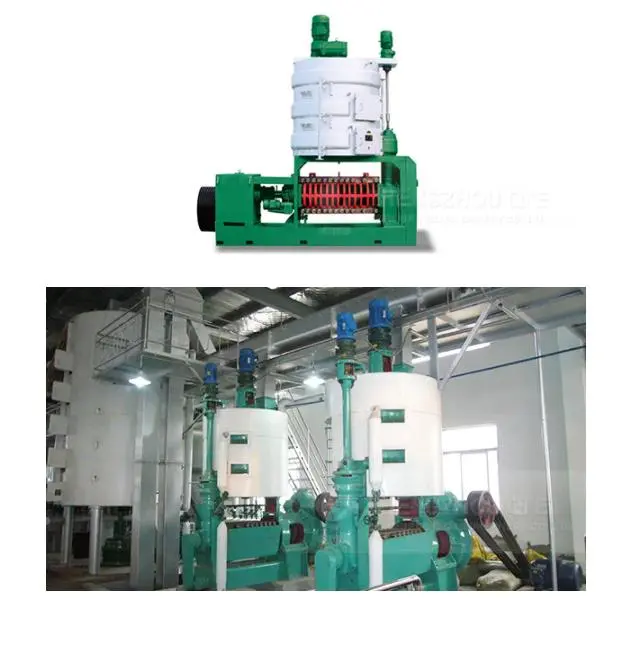
Let's start by examining the fundamental differences between home and commercial sunflower oil presses. In terms of structural strength, commercial presses are built to last. They are designed to handle continuous operation, often with higher structural integrity to withstand the rigors of heavy - duty use. Home presses, on the other hand, are more lightweight and less robust, suitable for occasional use.
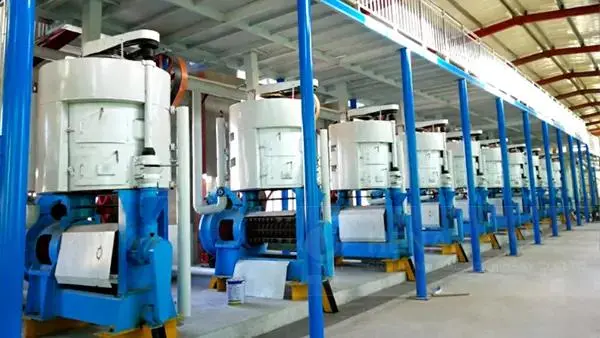
The operation mode also varies significantly. Commercial presses can be part of a complete set of equipment, working in tandem with other machines for a more efficient production process. Home presses are usually standalone units, simpler in design and easier to operate. The complexity of operation is another key factor. Commercial presses may require trained personnel due to their advanced features and functions, while home presses are designed for easy use by anyone.
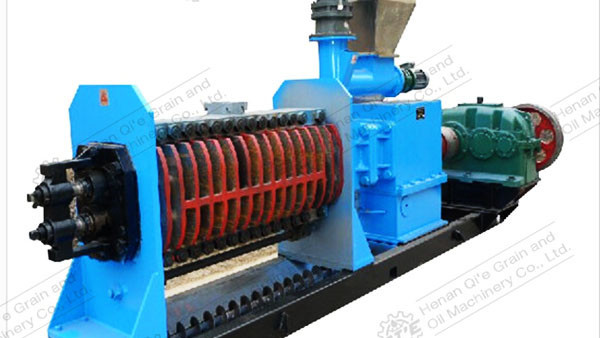
When it comes to performance, we can quantify the differences between home and commercial presses from multiple aspects. In terms of oil production efficiency, commercial presses can achieve an oil extraction rate of over 45%, while home presses may have a slightly lower rate, around 40 - 42%. This is due to the more advanced technology and larger capacity of commercial presses.
Energy consumption is also a crucial factor. Commercial presses, despite their higher power, can be more energy - efficient in the long run. With advanced energy - saving technologies, they can reduce energy consumption by up to 30% compared to some older models. Home presses, being smaller, generally consume less energy per use but may not be as efficient on a per - unit - output basis.
Cleaning is another area where the two types of presses differ. Home presses are usually easier to clean, with simpler structures and fewer hard - to - reach parts. Commercial presses, while more powerful, may require more time and effort for thorough cleaning.
| Metrics | Home Press | Commercial Press |
|---|---|---|
| Oil Extraction Rate | 40 - 42% | Over 45% |
| Energy Consumption | Lower per use | Up to 30% energy - saving in long - term |
| Cleaning Difficulty | Easy | More difficult |
Considering the different working conditions in Asia, Africa, and South America, we have some configuration suggestions for small farms. In Asia, where labor is relatively abundant, a moderately - sized commercial press with some manual - assisted features may be a good choice. In Africa, where power supply may be unstable, a press with a lower power requirement and the ability to operate intermittently is recommended. In South America, where there is a large amount of sunflower production, a high - capacity commercial press can be more suitable.
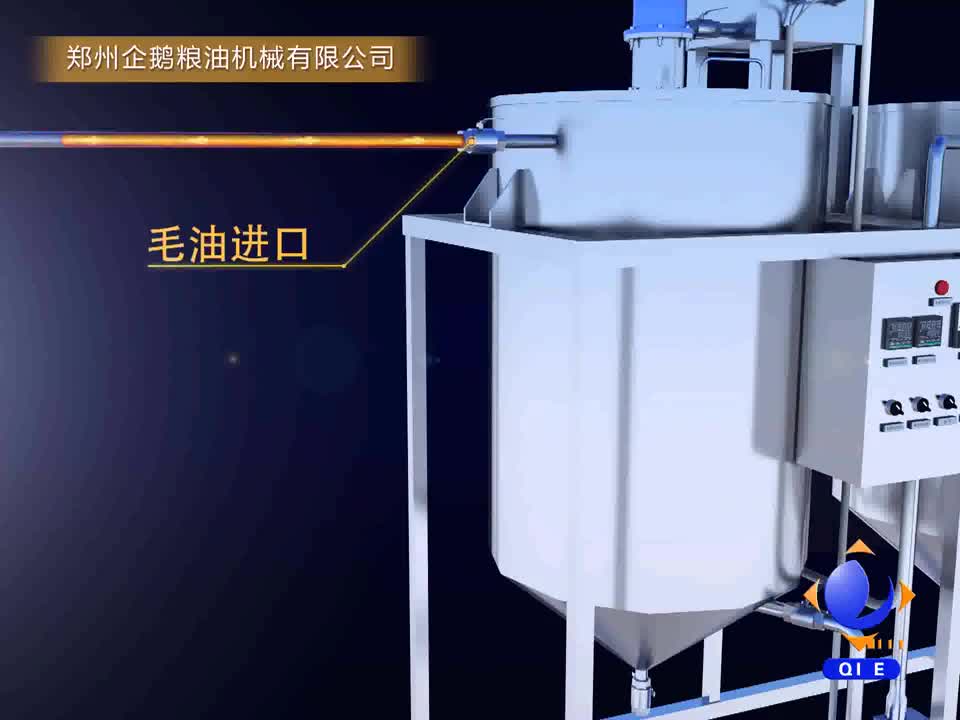
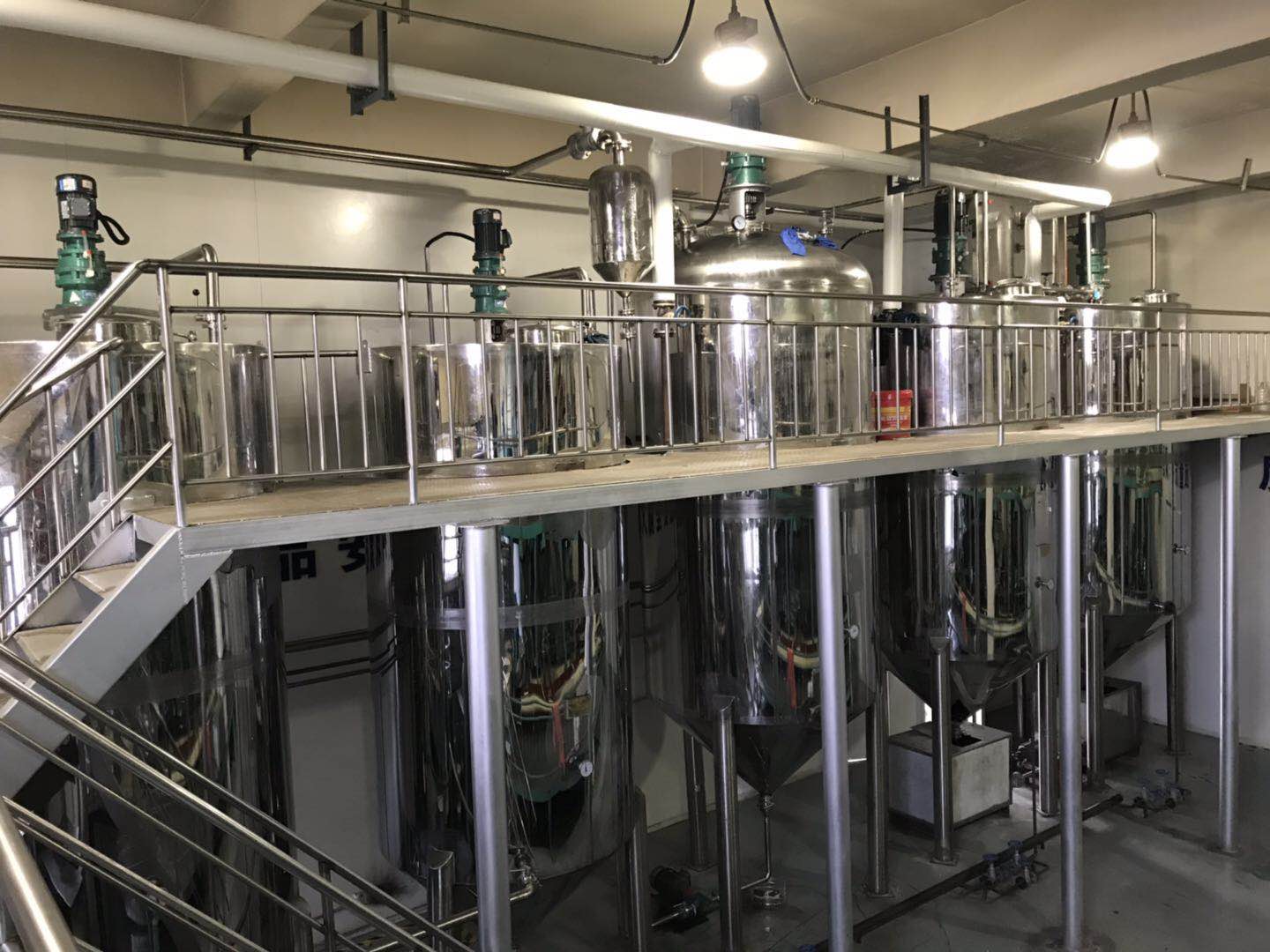
Let's look at some real - life cases to better understand the practical applications of these presses. A family in Europe uses a home press for their daily cooking oil needs. They find it convenient and easy to use, and the oil produced tastes fresh and pure. On the other hand, a small cooperative in South America uses a commercial press to process sunflower seeds from local farmers. The high - efficiency press has helped them increase their production and improve the quality of their oil, leading to more business opportunities.
We've compiled a list of frequently asked questions to address your concerns. Here are some common ones:
So, which type of sunflower oil press is right for you? Whether you're a home user or a small - scale farmer, we understand your needs. Click here to get a专属设备匹配方案 (Translated to English: Get a customized equipment matching plan) and optimize your sunflower oil production process!


.png?x-oss-process=image/resize,h_100,m_lfit/format,webp)
.png?x-oss-process=image/resize,h_100,m_lfit/format,webp)
.png?x-oss-process=image/resize,h_100,m_lfit/format,webp)


.jpg?x-oss-process=image/resize,h_800,m_lfit/format,webp)