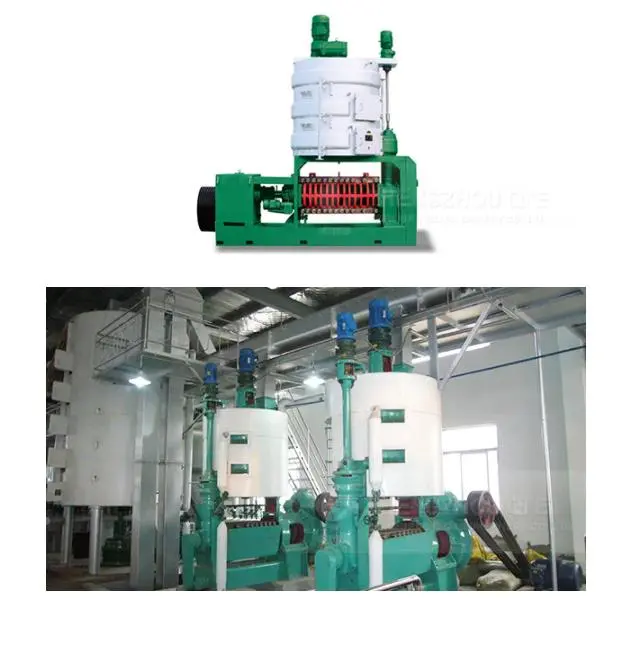
Are you frustrated with low oil output from your home oil press? The root cause might not lie within the machine itself. This guide delves deep into the entire process, from raw material handling to equipment maintenance, to shed light on factors influencing oil extraction efficiency. We'll focus on how scientific cleaning and sealing checks can significantly enhance your oil press's performance.
Let's start by zeroing in on the core issue of insufficient oil extraction. Four major aspects can impact the oil yield of your home oil press: raw material selection, pre - treatment, equipment operation status, and post - operation maintenance.
The quality of raw materials plays a crucial role in oil extraction. For instance, the moisture content and freshness of the seeds are vital. Seeds with high moisture content can lead to lower oil yield. Fresh seeds generally have a higher oil content compared to stale ones. As a rule of thumb, for sunflower seeds, the moisture content should be around 8 - 10% for optimal oil extraction. You should also pay attention to the freshness of the seeds; older seeds may have undergone oxidation, reducing their oil - producing potential.
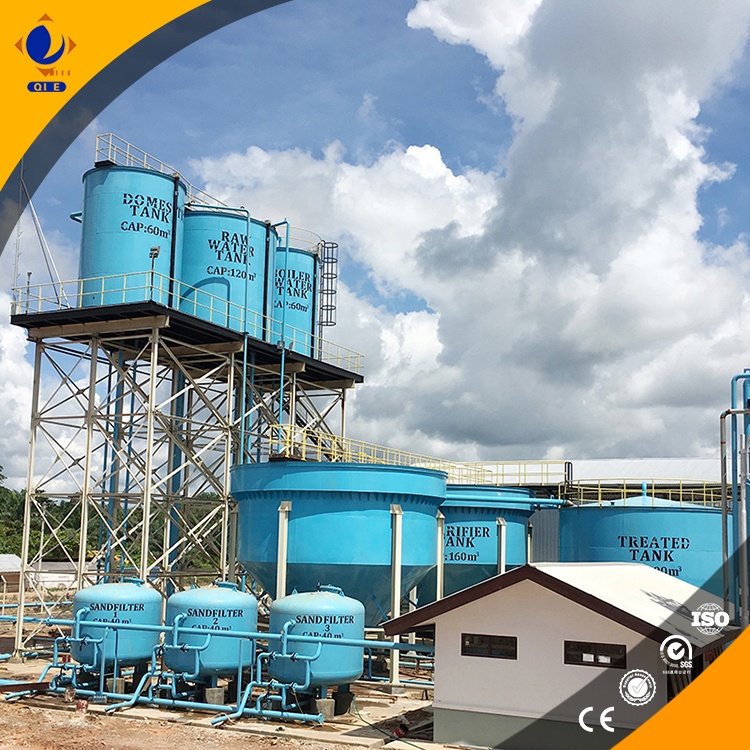
Pre - treatment is often an overlooked step. Sieving and removing impurities from the seeds can prevent blockages in the oil press. A simple sieve can be used to separate dirt, stones, and other debris from the seeds. This ensures a smoother operation of the press and reduces the risk of damage to the equipment.
Now, let's focus on two key factors in equipment operation: cleanliness and sealing. A dirty oil press can severely affect oil yield. For example, a clogged filter screen can restrict the flow of oil, and residual oil slag in the pressing chamber can reduce the effective space for pressing. Regular cleaning of the filter screen and the pressing chamber is essential. You can use a soft brush to clean the filter screen and a scraper to remove the oil slag from the pressing chamber.
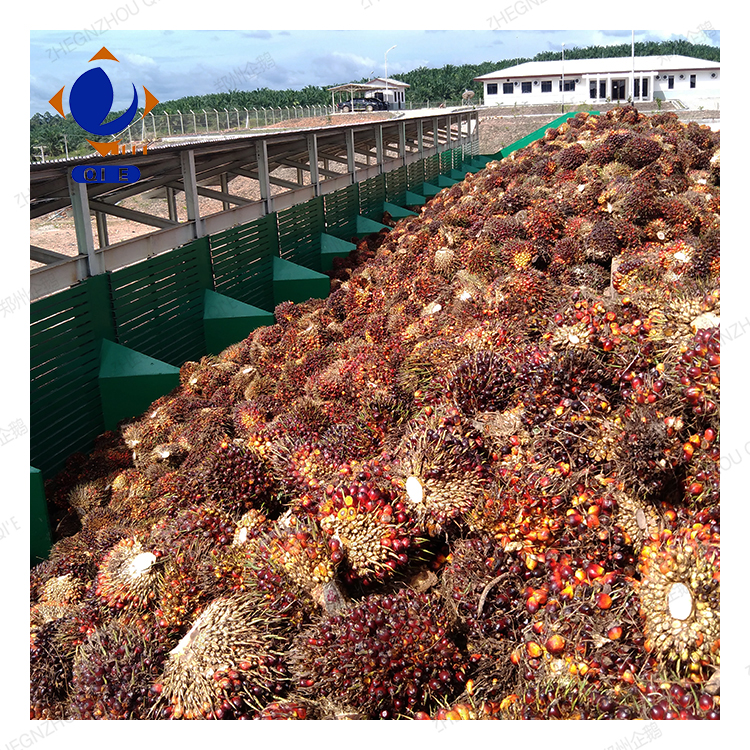
Sealing is another critical factor. An aging or damaged sealing ring can cause oil leakage during the pressing process, resulting in lower oil output. Check the sealing ring regularly for signs of wear and tear. If you notice any cracks or deformities, replace the sealing ring immediately.
Proper post - operation maintenance can extend the lifespan of your oil press and maintain its high - efficiency performance. After each use, clean the oil press thoroughly. Store it in a dry and cool place to prevent rust and corrosion.
There are many easily overlooked details in each step that can have a real impact on oil yield. For example, a small amount of oil slag left in the pressing chamber after each use can accumulate over time, reducing the pressing efficiency. Similarly, a slightly damaged sealing ring may not seem like a big deal at first, but it can lead to significant oil loss in the long run.
To help you improve the oil yield of your home oil press, here is a self - check list:

Let's look at a case comparison. A user who regularly cleans and maintains their oil press can achieve an oil yield of up to 40 - 45% from sunflower seeds, while another user who neglects maintenance may only get 30 - 35% oil yield. This clearly shows the importance of proper maintenance and operation.
Our home oil press is designed with high - strength steel structure, ensuring durability and long - term performance. It also features an easy - to - disassemble and clean design, making maintenance a breeze. With our oil press, you can achieve higher oil yields with less effort.
 157
|
157
|
 home sunflower seed oil press
commercial small oil press
sunflower seed oil extraction machine
small farm oil production equipment
oil press maintenance guide
151
|
sunflower seed oil pressing techniques
cold pressed sunflower oil
hot pressed sunflower oil
oil yield optimization
nutrient retention in vegetable oils
366
|
sunflower oil cold press method
sunflower oil hot press process
oil content in sunflower seeds
edible oil extraction technology
sunflower seed oil production equipment
429
|
Sunflower oil extraction machine
Stainless steel oil press
Small farm oil extraction equipment
Household oil press
African agricultural equipment
122
|
home sesame oil press
oil yield improvement
sesame seed processing
press maintenance
oil extraction optimization
home sunflower seed oil press
commercial small oil press
sunflower seed oil extraction machine
small farm oil production equipment
oil press maintenance guide
151
|
sunflower seed oil pressing techniques
cold pressed sunflower oil
hot pressed sunflower oil
oil yield optimization
nutrient retention in vegetable oils
366
|
sunflower oil cold press method
sunflower oil hot press process
oil content in sunflower seeds
edible oil extraction technology
sunflower seed oil production equipment
429
|
Sunflower oil extraction machine
Stainless steel oil press
Small farm oil extraction equipment
Household oil press
African agricultural equipment
122
|
home sesame oil press
oil yield improvement
sesame seed processing
press maintenance
oil extraction optimization





.png?x-oss-process=image/resize,h_100,m_lfit/format,webp)
.png?x-oss-process=image/resize,h_100,m_lfit/format,webp)
.png?x-oss-process=image/resize,h_100,m_lfit/format,webp)

.jpg?x-oss-process=image/resize,h_800,m_lfit/format,webp)