
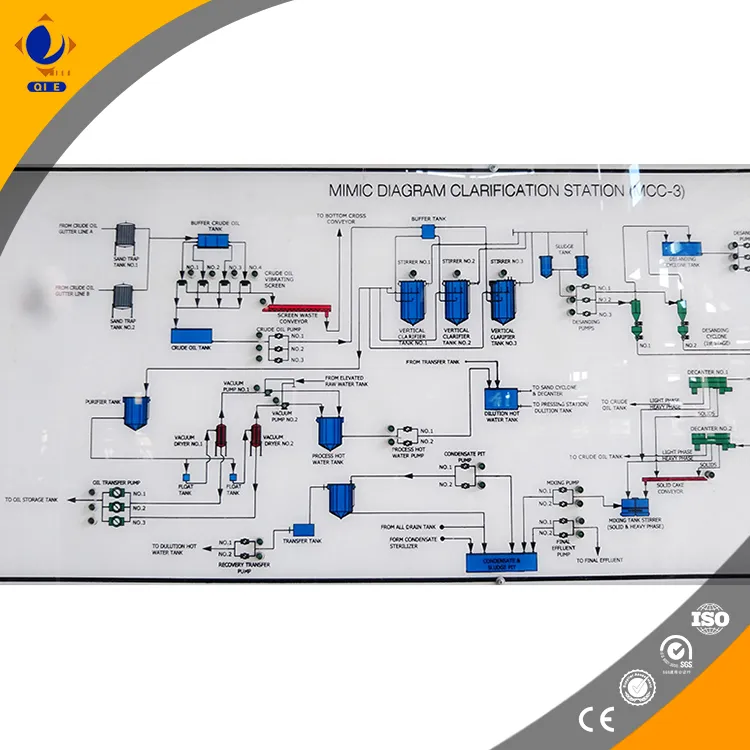
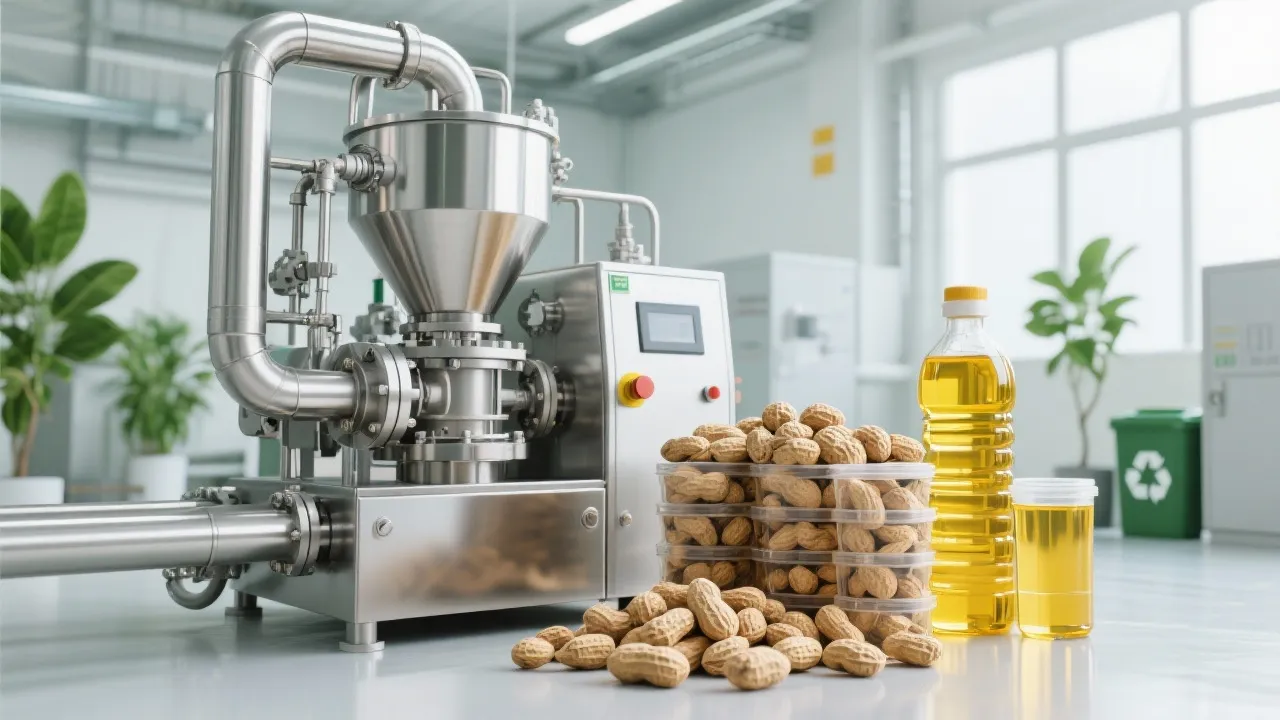
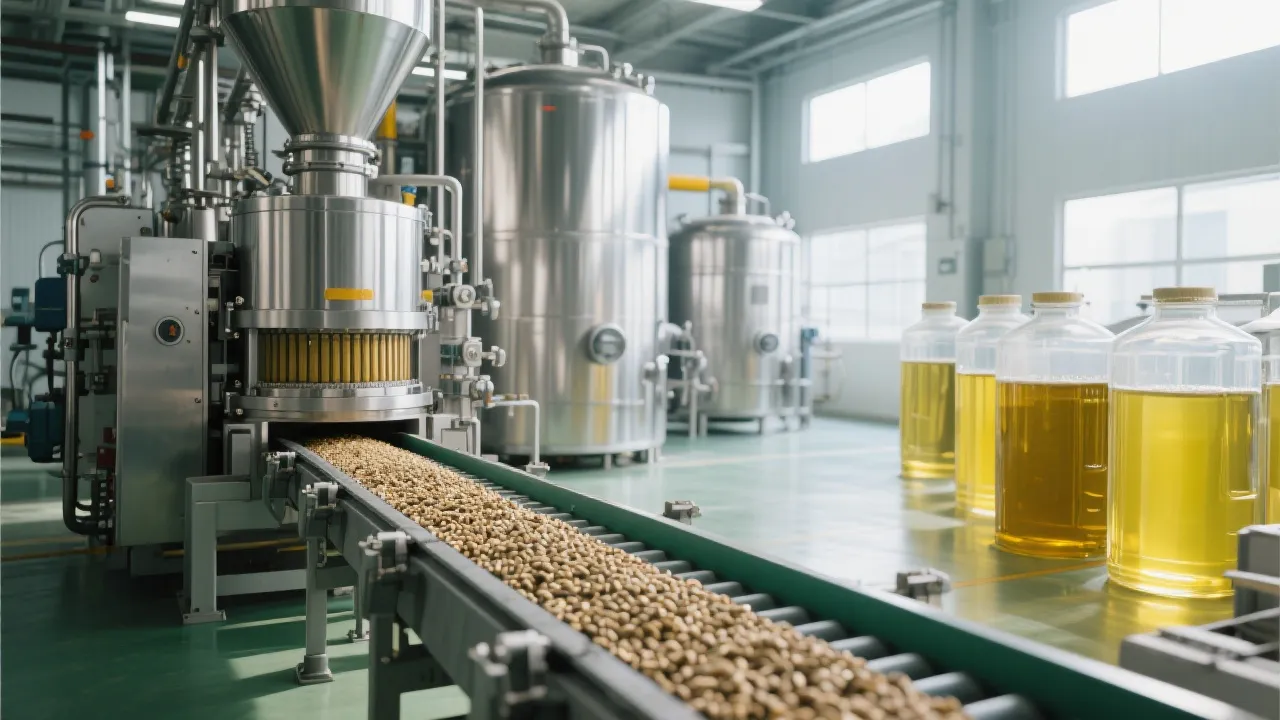
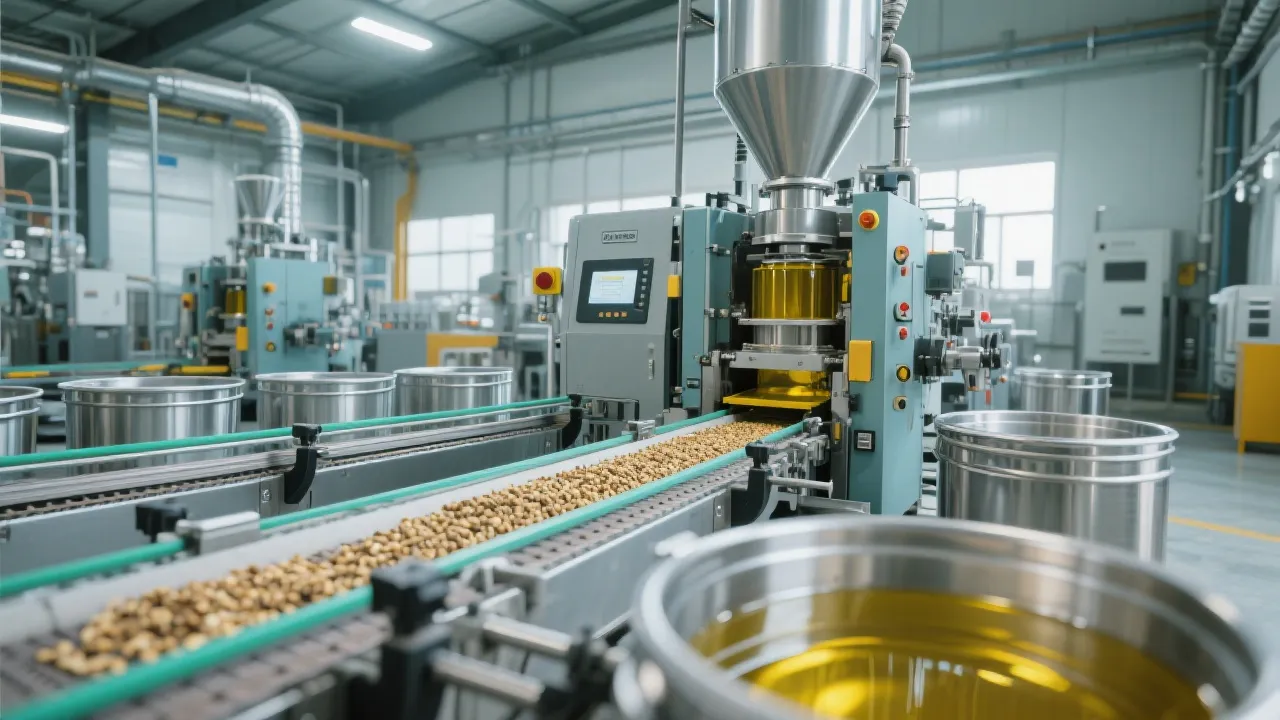
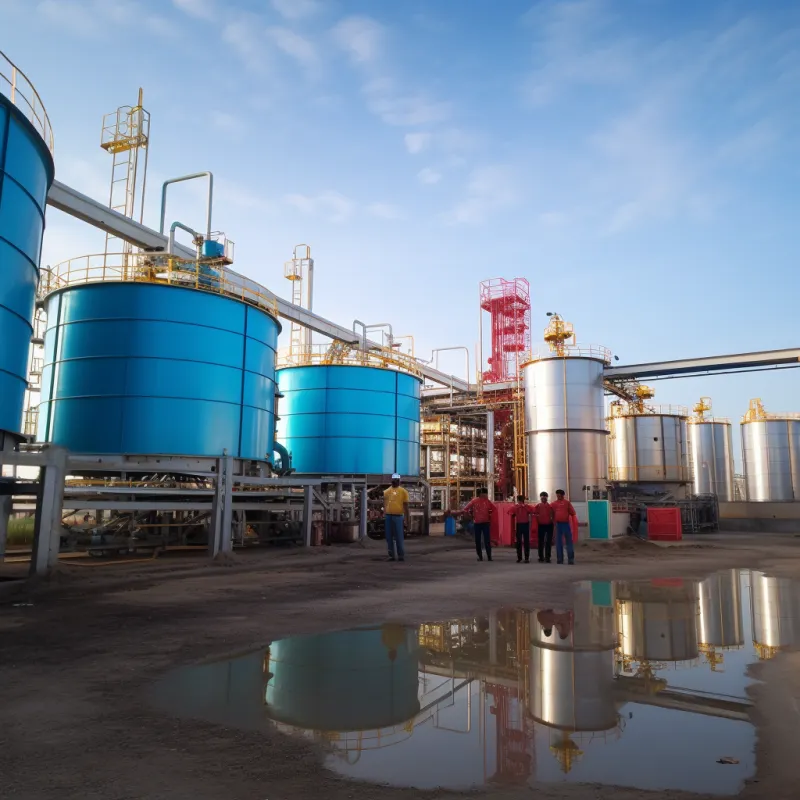
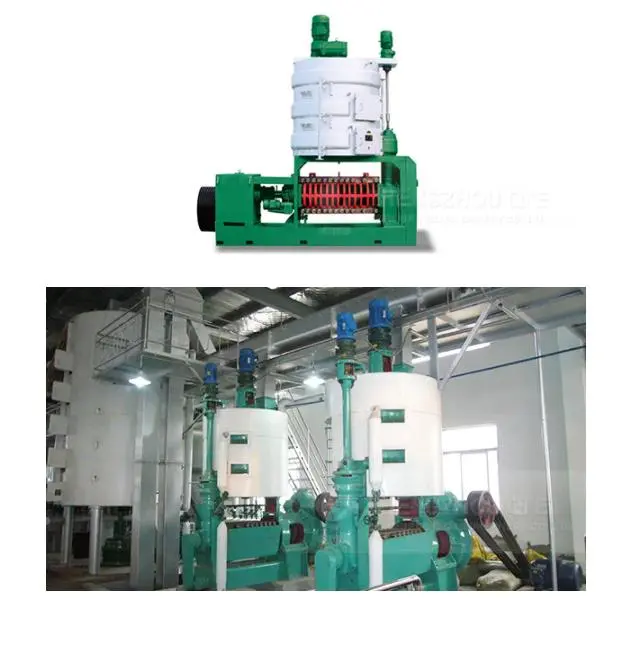
In the industrial production of sunflower oil, efficient tar removal and high - level automation are crucial for enhancing production efficiency and product quality. This guide will provide in - depth insights into the key points of selecting industrial - grade sunflower oil filtration equipment, highlighting the importance of QIE Group patented technologies and quality system.
Tar residues in sunflower oil can significantly affect the quality of the final product. Removing these residues efficiently is essential for industries such as edible oil processing, cosmetic raw material purification, and industrial oil production. Moreover, automation in the filtration process can reduce human error, improve consistency, and increase overall productivity. For example, an automated system can adjust filtration parameters in real - time according to the quality of the incoming oil, ensuring a stable output.
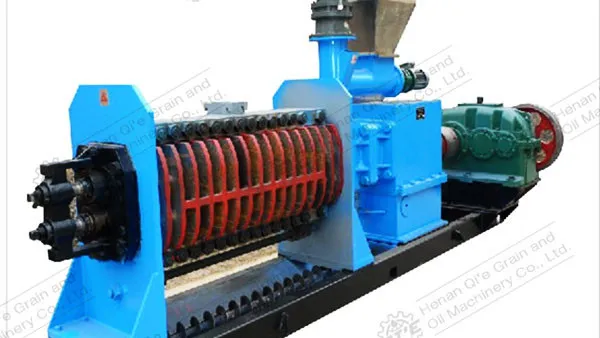
There are various filtration technologies available for sunflower oil, including centrifugal, vacuum, and membrane filtration. Centrifugal filtration is suitable for large - scale production due to its high throughput. It uses centrifugal force to separate tar and other impurities from the oil. Vacuum filtration, on the other hand, is effective in removing fine particles and can be used for more delicate processes. Membrane filtration offers high - precision separation, making it ideal for applications where high - quality oil is required, such as in the cosmetic industry.
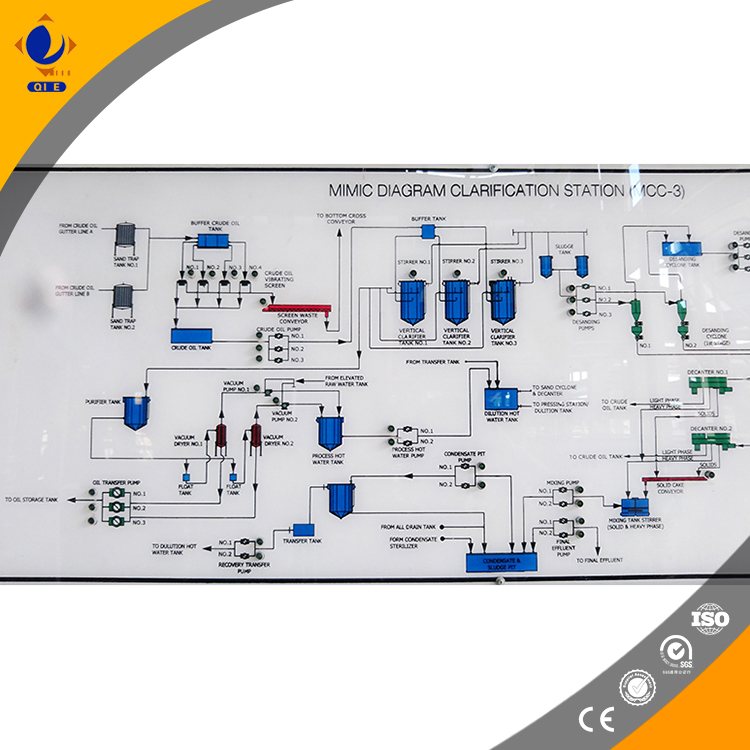
When selecting filtration equipment, it is crucial to consider the specific application scenario. For edible oil production, food - grade materials are a must to ensure product safety. In the cosmetic industry, the equipment should be able to meet strict quality standards to preserve the purity of the raw materials. For industrial oil applications, the focus may be more on high - volume production and cost - effectiveness.
Industry Standard: According to the international food safety standards, the tar content in edible sunflower oil should be less than 0.1%. QIE Group filtration equipment is designed to meet and exceed these standards, thanks to its advanced tar removal technology.
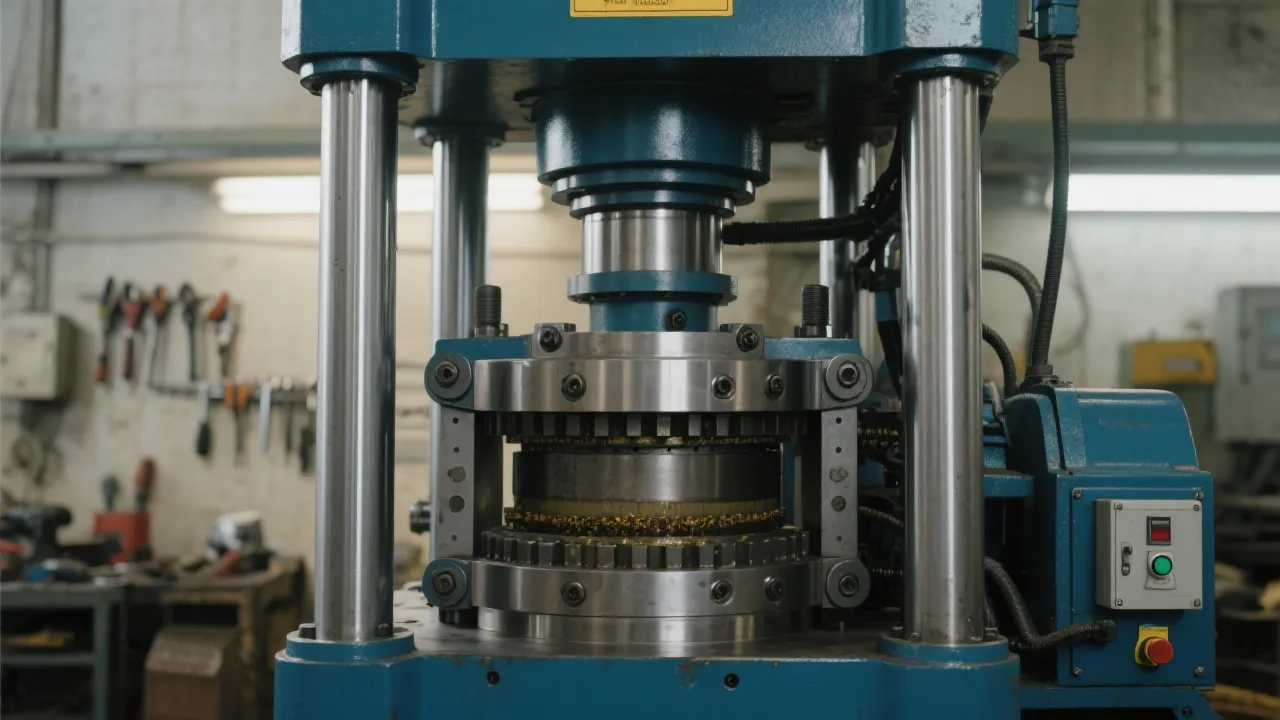
Regular maintenance is essential for the long - term operation of sunflower oil filtration equipment. This includes cleaning the filters, checking the seals, and lubricating moving parts. Common problems such as clogging and leakage can be prevented by following a proper maintenance schedule. QIE Group provides detailed maintenance guides and 24/7 technical support to help customers keep their equipment in optimal condition.
Q: How often should I replace the filters in my sunflower oil filtration equipment?
A: It depends on the production volume and the quality of the incoming oil. Generally, for high - volume production, filters should be replaced every 1 - 2 months. However, regular inspections are recommended to determine the exact replacement time.
Q: Can QIE Group filtration equipment handle different types of sunflower oil?
A: Yes, our equipment is designed with adjustable parameters to adapt to various types of sunflower oil, including those with different levels of impurities and viscosities.
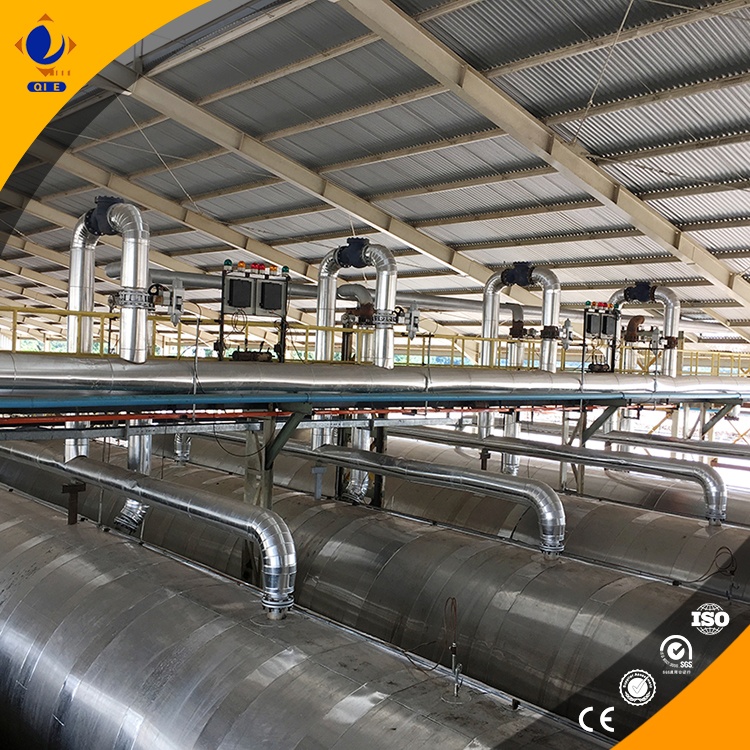
QIE Group patented technologies and strict quality system provide strong support for the selection of sunflower oil filtration equipment. Our products are designed to offer high - performance tar removal and reliable automation, ensuring that your production process is stable, environmentally friendly, and of high quality.
 144
|
144
|
 Sunflower seed oil yield improvement techniques
Household oil press usage guide
Small oil press oil yield improvement
Mechanical pressing vs chemical extraction
Sunflower seed pretreatment methods
448
|
sunflower seed oil yield optimization
small oil press efficiency tips
home榨油机操作技巧
mechanical oil extraction process
sunflower seed pre-treatment for oil pressing
257
|
industrial oil filtration technology
tar removal efficiency
sunflower oil filtration machine
automated oil purification
food-grade stainless steel filtration
66
|
sunflower seed oil pressing process
small-scale oil press operation
sunflower oil extraction efficiency
oil press maintenance
pressing equipment troubleshooting
389
|
small-scale sunflower seed oil press
household oil press differences
commercial oil press selection
small-scale oil processing equipment
sunflower seed oil extraction machine
Sunflower seed oil yield improvement techniques
Household oil press usage guide
Small oil press oil yield improvement
Mechanical pressing vs chemical extraction
Sunflower seed pretreatment methods
448
|
sunflower seed oil yield optimization
small oil press efficiency tips
home榨油机操作技巧
mechanical oil extraction process
sunflower seed pre-treatment for oil pressing
257
|
industrial oil filtration technology
tar removal efficiency
sunflower oil filtration machine
automated oil purification
food-grade stainless steel filtration
66
|
sunflower seed oil pressing process
small-scale oil press operation
sunflower oil extraction efficiency
oil press maintenance
pressing equipment troubleshooting
389
|
small-scale sunflower seed oil press
household oil press differences
commercial oil press selection
small-scale oil processing equipment
sunflower seed oil extraction machine





.png?x-oss-process=image/resize,h_100,m_lfit/format,webp)
.png?x-oss-process=image/resize,h_100,m_lfit/format,webp)
.png?x-oss-process=image/resize,h_100,m_lfit/format,webp)



.jpg?x-oss-process=image/resize,h_800,m_lfit/format,webp)