
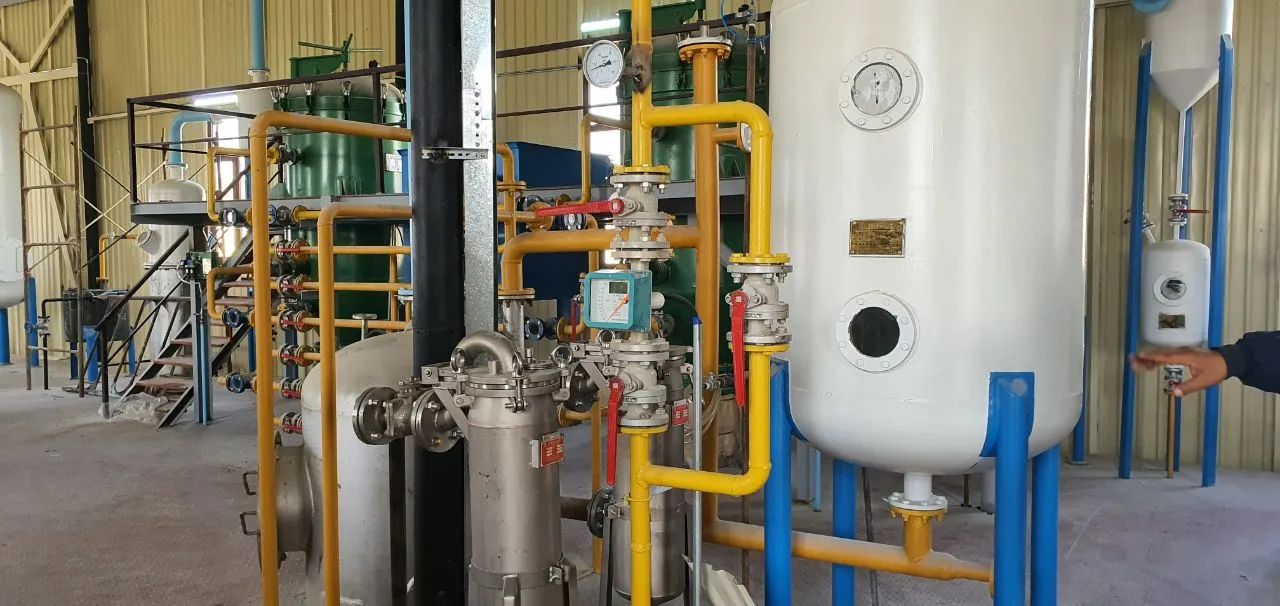
Producing high-quality sunflower seed oil in small workshops or home-based setups can be challenging. This article addresses critical pain points faced by micro-scale producers and guides you through practical strategies to achieve consistent, premium results using compact equipment. By understanding the nuances between cold-press and hot-press methods, managing raw material batches, optimizing pressing cycles, and controlling product losses, you'll enhance both efficiency and product competitiveness.
The pressing method fundamentally impacts oil flavor, nutritional quality, and yield. Cold-pressing preserves natural antioxidants and delicate flavors due to lower temperatures (<50°C), though yields tend to be slightly lower (around 30-35%). Conversely, hot-pressing uses elevated temperatures (80-120°C) to increase extraction efficiency, often reaching yields of 38-45%, but may compromise flavor and nutritional profiles.

For small workshops, cold-pressing is often preferred to maintain oil purity without chemical additives, aligning with consumer trends favoring natural products. However, hot-pressing may be better suited for maximizing throughput when yield is prioritized.
Consistency starts with raw sunflower seeds. Variations in seed size, moisture content, and freshness heavily influence oil output and taste. Implement batch tracking to identify optimal seed sources and moisture ranges (typically 7-10%). Pre-clean seeds to remove debris and dry them adequately to avoid mold growth or off-flavors.
“Small-scale producers who invest in simple raw material quality checks often see a 10-15% increase in consistent oil yields and significant flavor stability.” — Industry Expert, Grain Oil Processing Solutions
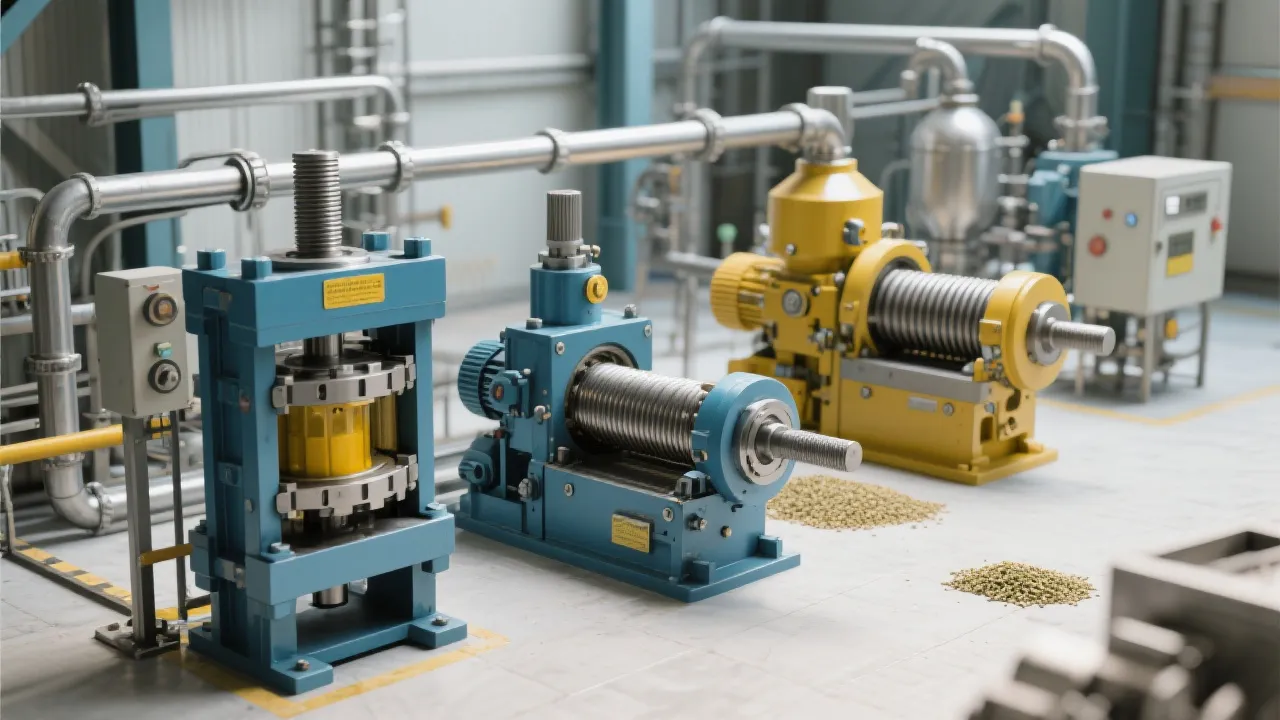
Compact oil pressing machines usually allow programmable pressing cycles. Fine-tune these parameters to your seed batch characteristics: adjusting pressing duration, pressure intensity, and temperature ramp-up can improve oil extraction without degrading quality. For cold-press, keep temperatures below 50°C; for hot-press, maintain steady temperatures around 90-110°C.
Keeping a pressing log and regularly testing oil quality helps identify ideal cycle settings, boosting output efficiency by up to 20%.
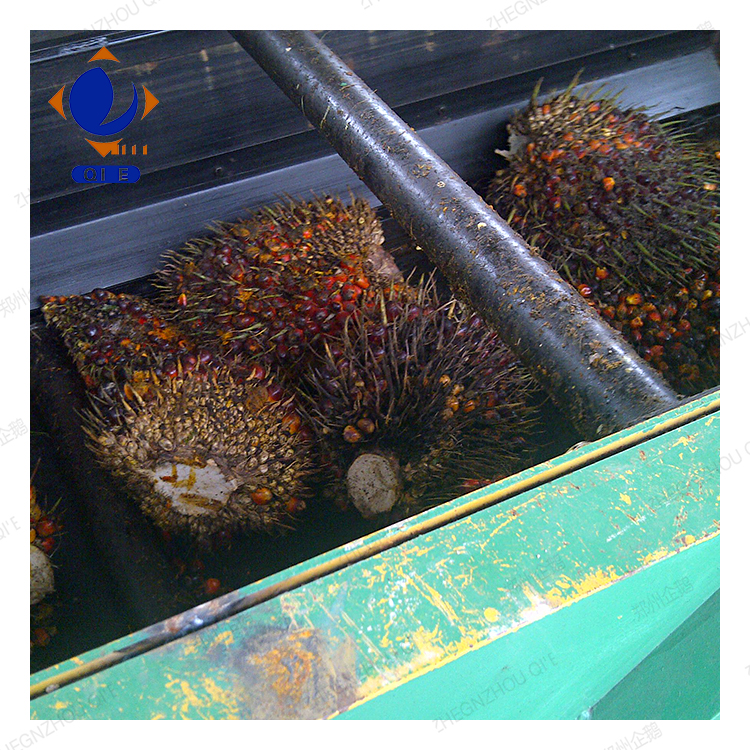
Even minimal losses affect small business profitability. Focus on minimizing seed residues in the cake by adjusting sieve sizes and cleaning filters regularly. Use gentle operations to reduce foaming and oil aeration, which can lead to triglyceride breakdown.
Several workshops have reported reducing their oil extraction loss from 8% to below 4% within three months after systematic workflow improvements.
 468
|
468
|
 sunflower seed oil press machine
household oil press
commercial oil press
small farm oil processing
sunflower seed oil equipment maintenance
369
|
Differences between household and commercial sunflower oil presses
Guide to choosing small - scale sunflower oil extractors
Maintenance tips for sunflower oil pressing equipment
Small - scale grain and oil processing solutions
Comparative analysis of household and commercial oil presses
478
|
Small sunflower seed oil press operating procedures
Improvement of sunflower seed oil extraction efficiency
Maintenance of household oil pressing equipment
Small - scale grain and oil processing techniques
Sunflower seed oil press maintenance guide
66
|
sunflower seed oil pressing process
small-scale oil press operation
sunflower oil extraction efficiency
oil press maintenance
pressing equipment troubleshooting
54
|
small sunflower seed oil press machine
oil yield optimization
sunflower seed oil extraction process
home oil press operation
equipment maintenance for oil presses
sunflower seed oil press machine
household oil press
commercial oil press
small farm oil processing
sunflower seed oil equipment maintenance
369
|
Differences between household and commercial sunflower oil presses
Guide to choosing small - scale sunflower oil extractors
Maintenance tips for sunflower oil pressing equipment
Small - scale grain and oil processing solutions
Comparative analysis of household and commercial oil presses
478
|
Small sunflower seed oil press operating procedures
Improvement of sunflower seed oil extraction efficiency
Maintenance of household oil pressing equipment
Small - scale grain and oil processing techniques
Sunflower seed oil press maintenance guide
66
|
sunflower seed oil pressing process
small-scale oil press operation
sunflower oil extraction efficiency
oil press maintenance
pressing equipment troubleshooting
54
|
small sunflower seed oil press machine
oil yield optimization
sunflower seed oil extraction process
home oil press operation
equipment maintenance for oil presses







.png?x-oss-process=image/resize,h_100,m_lfit/format,webp)
.png?x-oss-process=image/resize,h_100,m_lfit/format,webp)
.png?x-oss-process=image/resize,h_100,m_lfit/format,webp)
.jpg?x-oss-process=image/resize,h_800,m_lfit/format,webp)


.jpg?x-oss-process=image/resize,h_800,m_lfit/format,webp)
