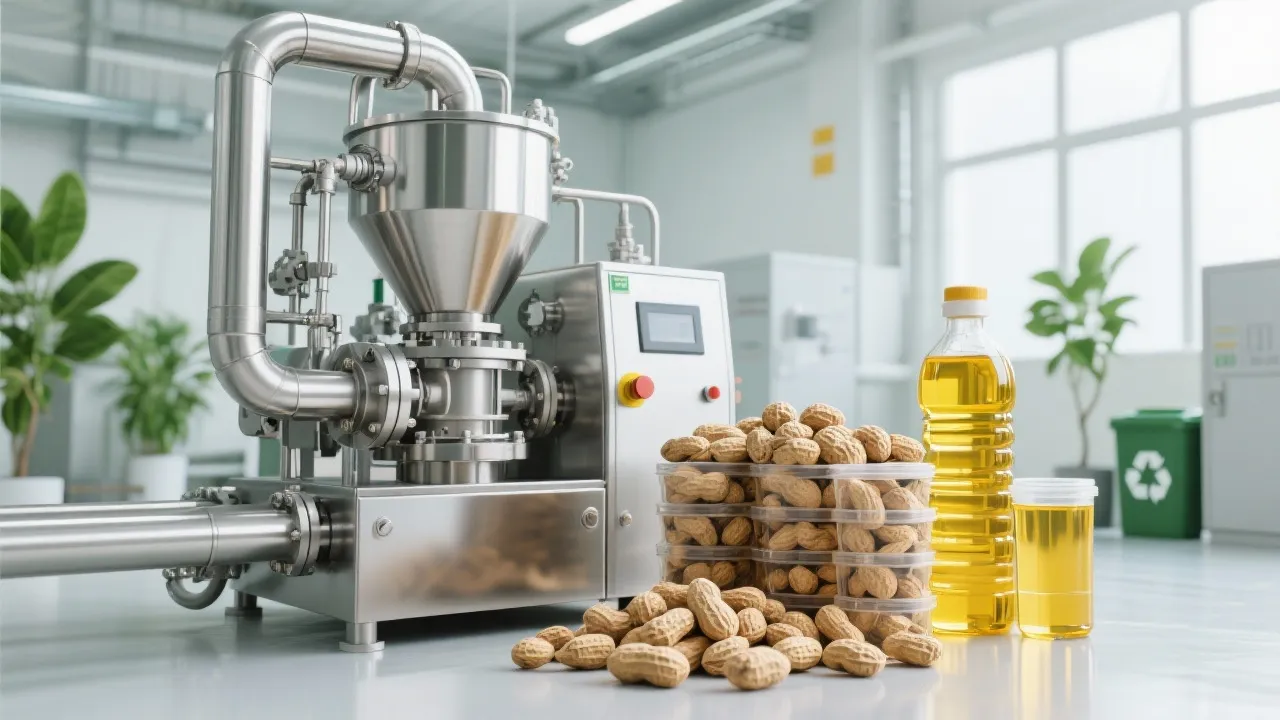
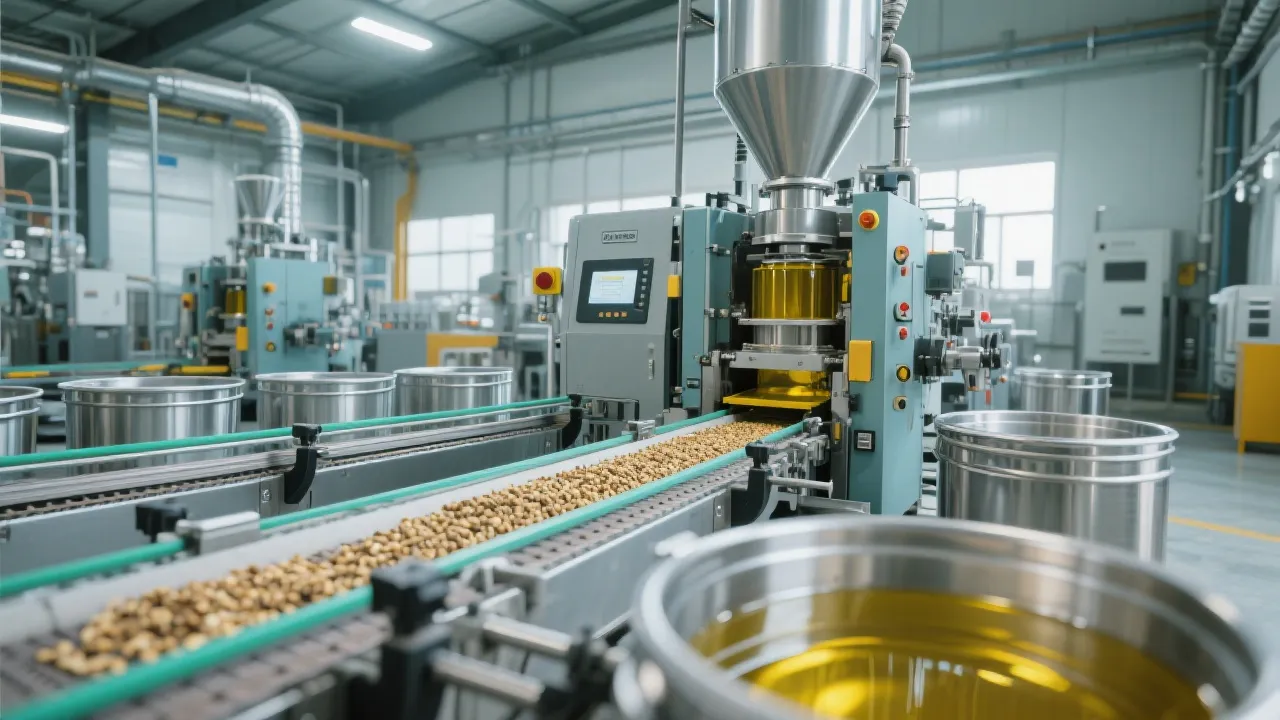
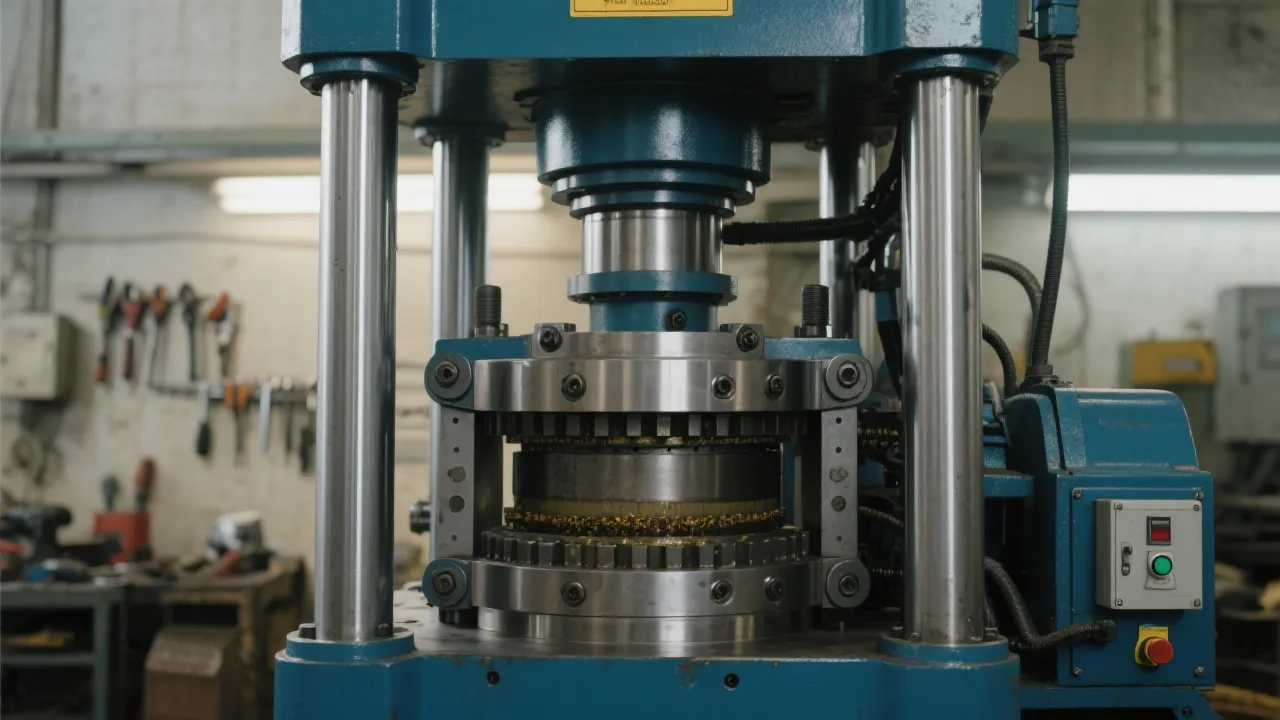
Small-scale grain and oil workshops face unique challenges, balancing consistent high-quality output with budget and space constraints. The compact sunflower seed oil press machine emerges as a game-changer in this niche. Designed for household and micro-factory scenarios, this efficient equipment supports standardized processes that guarantee stable yield and premium oil quality – the foundation for building a reputable brand.
You must start with precise raw material batch control. Small batches of sunflower seeds need sorting for moisture content and cleanliness to minimize variability in oil yield. Keeping moisture levels between 8-10% is critical to optimize pressing efficiency and prevent rancidity.
Implement simple record-keeping for seed origins and qualities — this process enables traceability and replicability, key factors in scaling quality production.
The choice of technology significantly impacts oil flavor, nutritional value, and shelf life.
| Feature | Cold Pressing | Hot Pressing |
|---|---|---|
| Temperature | Below 50°C | Above 90°C |
| Oil Quality | Retains natural flavor & nutrients | Higher yield but less aroma retention |
| Shelf Life | Shorter, needs refrigeration | Longer due to thermal sterilization |
| Suitable For | Premium boutique oils | Mass production & cooking oils |
Efficiency lies in cycle time optimization. For small presses, typical pressing cycles last about 30-45 minutes per 10 kg batch, achieving an oil yield of 38-42%. You should monitor temperature and pressure settings to avoid oil degradation or incomplete extraction.
Implementing a standardized workflow with cleaning intervals between batches reduces residue buildup, preventing contamination and loss. Consider investing in a compact ISO9001 certified sunflower seed oil press machine – designed with easy assembly and cleaning features that speed up cycle transitions.

Maintaining consistent oil flavor is critical for customer loyalty. Avoid mixing seed batches with distinct properties within the same pressing cycle. Control pressing temperature closely – cold pressing retains antioxidants and vitamin E, which provide richer aroma and health benefits.
For micro-factories, installing simple sensory tests at each batch's end helps detect off-flavors early. Standardize packaging and storage (cool, dark containers) to extend shelf life and retain quality.
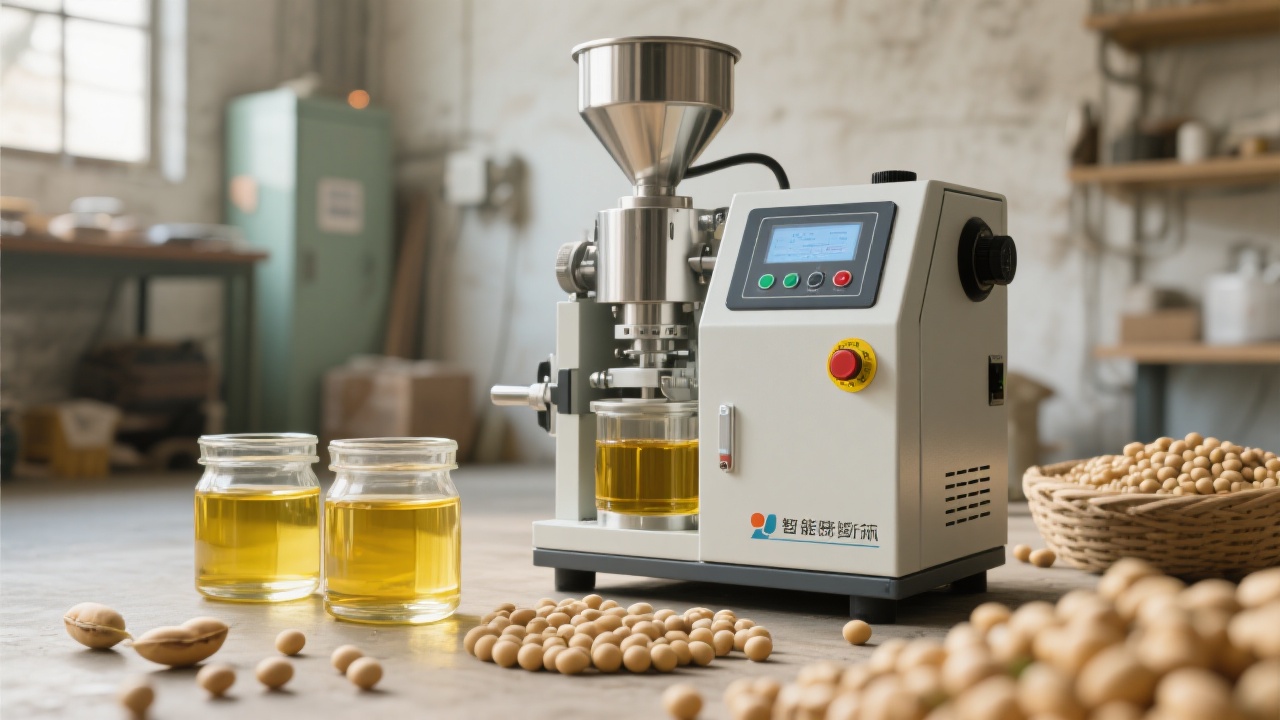
“A well-maintained compact oil press machine reduces downtime and locks in quality. We’ve seen micro workshops increase yield stability by up to 15% after switching to these models.” – Industry expert, Grain Oil Processing Association
What challenges have you faced using small-scale oil pressing machines? Share your questions or tips below to benefit the community. We’re compiling an FAQ based on user insights to help you overcome common production hurdles efficiently.
 355
|
355
|
 compact sunflower seed oil extractor
small farm oil press machine
high oil yield oil extraction equipment
ISO9001 certified oil press
global technical support oil machinery
478
|
Small sunflower seed oil press operating procedures
Improvement of sunflower seed oil extraction efficiency
Maintenance of household oil pressing equipment
Small - scale grain and oil processing techniques
Sunflower seed oil press maintenance guide
336
|
small sunflower seed oil press machine
home oil press for sunflower seeds
commercial oil extraction equipment
sunflower oil production guide
small scale oil pressing machine
92
|
Sunflower oil pressing equipment
Cold pressing vs. hot pressing
Sunflower oil production process
Grain and oil processing equipment
Edible oil refining technology
301
|
Small - scale sunflower oil press
Operating procedures of oil press
Maintenance techniques for sunflower oil press
Oil extraction efficiency
Green edible oil production
compact sunflower seed oil extractor
small farm oil press machine
high oil yield oil extraction equipment
ISO9001 certified oil press
global technical support oil machinery
478
|
Small sunflower seed oil press operating procedures
Improvement of sunflower seed oil extraction efficiency
Maintenance of household oil pressing equipment
Small - scale grain and oil processing techniques
Sunflower seed oil press maintenance guide
336
|
small sunflower seed oil press machine
home oil press for sunflower seeds
commercial oil extraction equipment
sunflower oil production guide
small scale oil pressing machine
92
|
Sunflower oil pressing equipment
Cold pressing vs. hot pressing
Sunflower oil production process
Grain and oil processing equipment
Edible oil refining technology
301
|
Small - scale sunflower oil press
Operating procedures of oil press
Maintenance techniques for sunflower oil press
Oil extraction efficiency
Green edible oil production


.png?x-oss-process=image/resize,h_100,m_lfit/format,webp)
.png?x-oss-process=image/resize,h_100,m_lfit/format,webp)
.png?x-oss-process=image/resize,h_100,m_lfit/format,webp)

.jpg?x-oss-process=image/resize,h_800,m_lfit/format,webp)


.jpg?x-oss-process=image/resize,h_800,m_lfit/format,webp)