

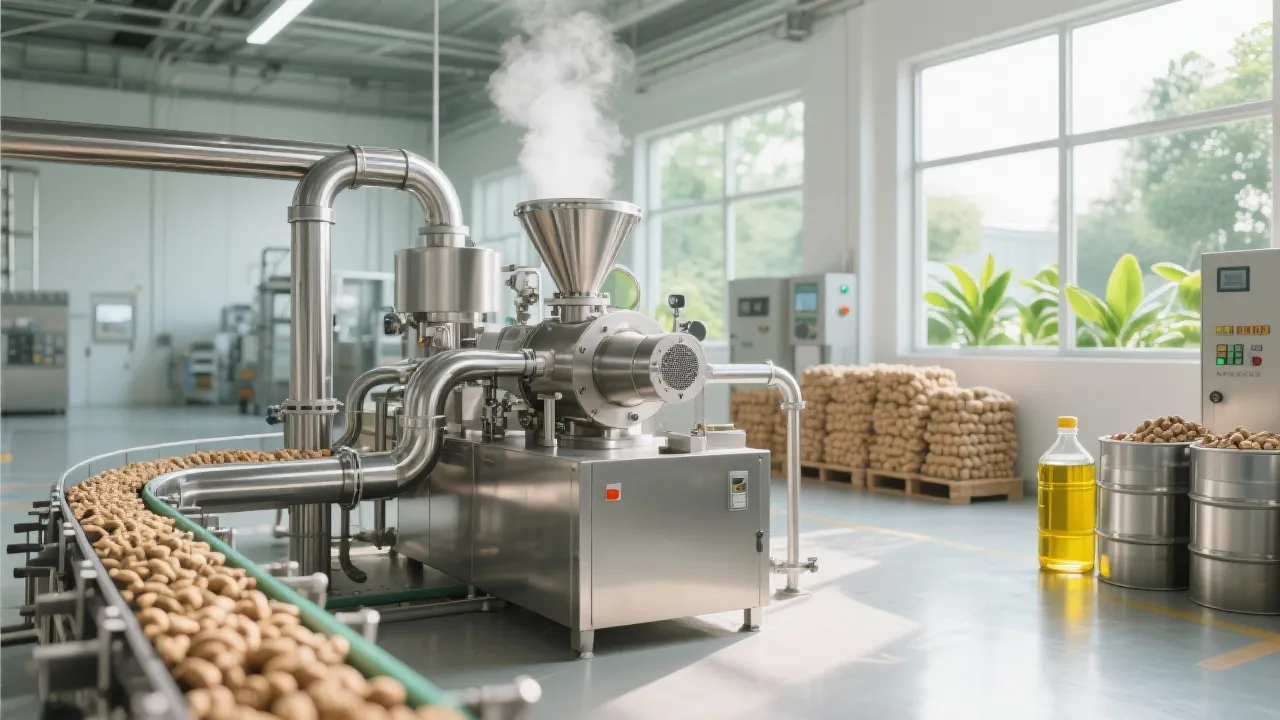
For home-based producers and micro oil mills, choosing between cold press and hot press extraction isn’t just a technical decision—it’s a strategic one that directly impacts flavor profile, yield consistency, and brand credibility. Based on over 12 years of field experience with small-scale sunflower oil operations across Southeast Asia and Eastern Europe, we break down the real-world differences—and how to optimize both methods for maximum quality.
| Feature | Cold Press (≤40°C) | Hot Press (60–85°C) |
|---|---|---|
| Flavor Profile | Nutty, fresh, aromatic | Milder, more neutral |
| Yield Efficiency | ~72–76% | ~82–88% |
| Oxidative Stability | Higher due to minimal heat exposure | Slightly lower—requires better storage |
As shown above, cold pressing preserves volatile compounds responsible for the distinctive sunflower aroma—ideal for premium, artisanal oils. However, it demands precise moisture control in raw seeds (ideally below 6%) and consistent mechanical pressure. Hot pressing increases throughput by up to 15%, but may compromise delicate flavors if not carefully monitored.
One workshop owner in Romania reported a 22% reduction in waste after implementing a simple batch tracking system using QR-coded containers. This allowed him to match seed batches with optimal pressing parameters—especially important when sourcing from multiple local farms.
Another tip: For cold-pressed oil, pre-drying seeds at 35°C for 2 hours before pressing can increase yield by ~5%. Why? It reduces free water content, which otherwise creates emulsions during extraction that trap oil in cake residue.
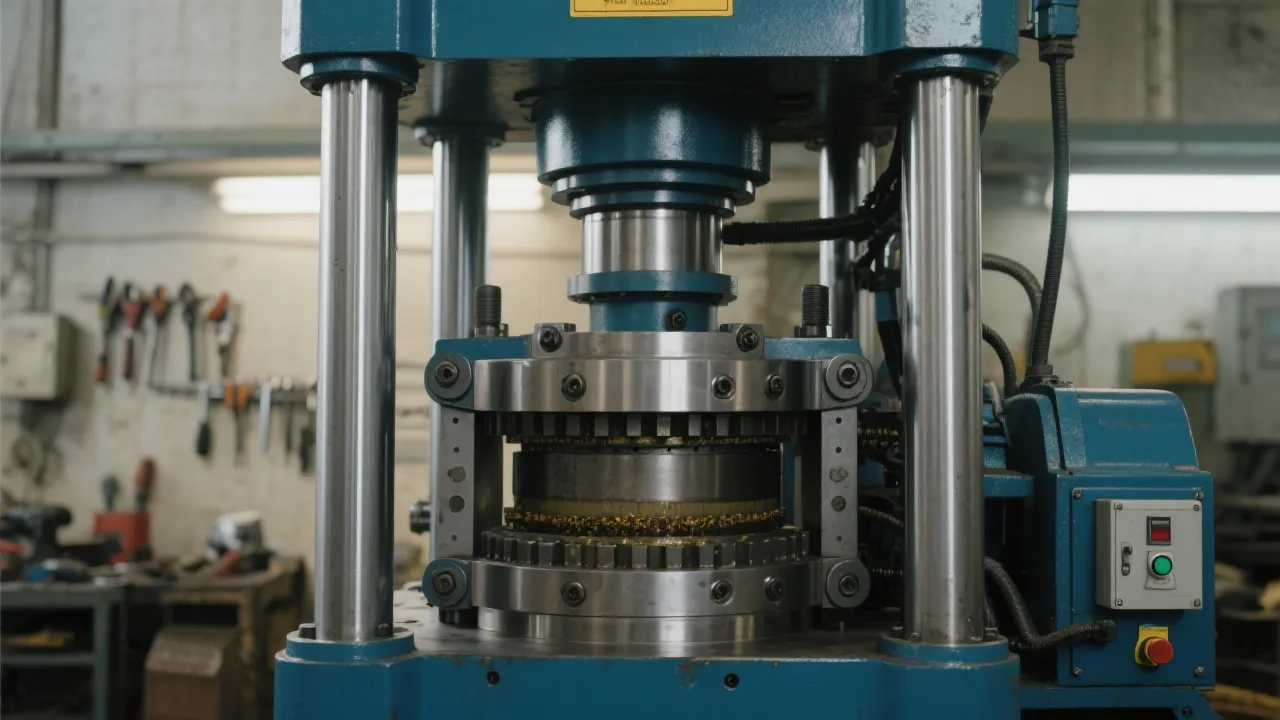
And remember—consistent pressure application matters more than you think. In our tests, varying pressure by even ±1 bar caused noticeable changes in viscosity and clarity. Using a calibrated hydraulic press like those from QIE Group ensures repeatable results across runs.

Small-scale producers often overlook process documentation—but it’s the foundation of scalability. We recommend creating a 5-step SOP checklist:
These steps helped a family-run mill in Ukraine reduce inconsistency complaints by 67% within three months—even without investing in new equipment.
Q: Can I switch between cold and hot press easily?
A: Yes—if your machine supports variable temperature control. But always recalibrate pressure settings. Cold-pressed oil needs gentler force to avoid damaging cell structure.
Q: How do I prevent oxidation in cold-pressed oil?
A: Store in dark glass bottles with nitrogen flushing. Shelf life extends from 3 months to 9+ months under proper conditions.
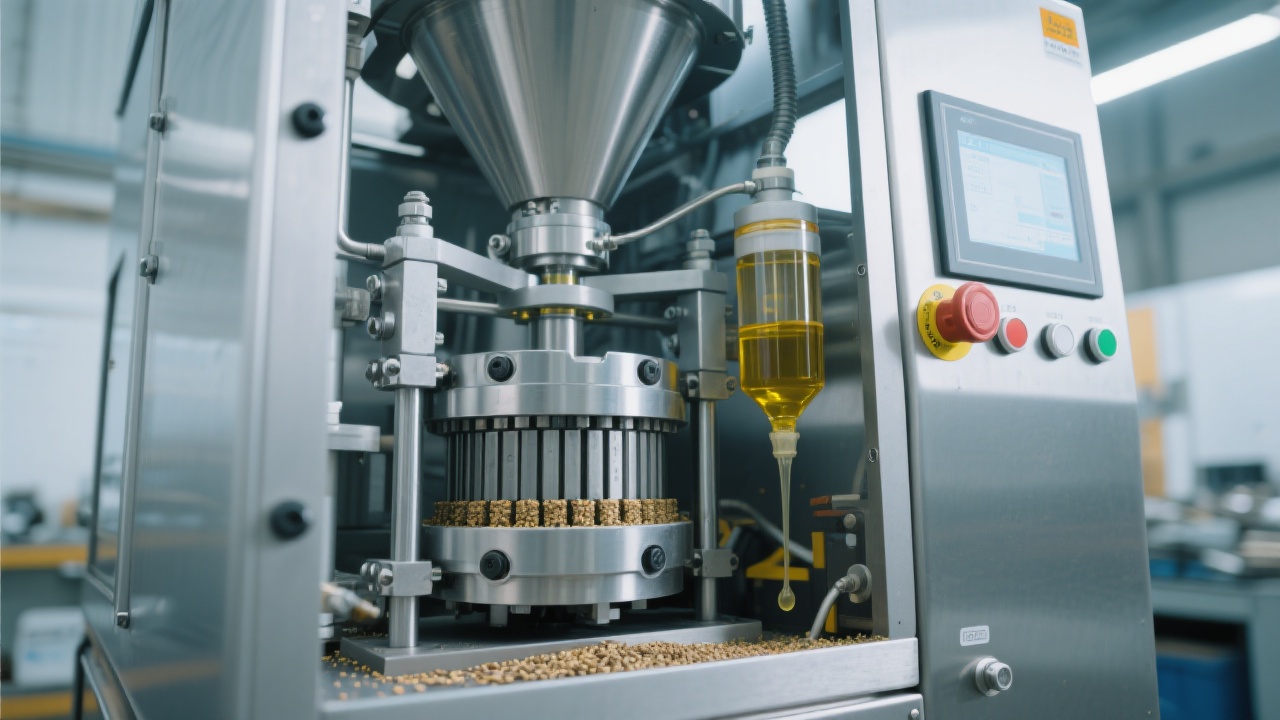
If you’re serious about building a reliable, high-quality sunflower oil brand—from kitchen to shelf—start with understanding what happens inside the press. The right technique doesn’t just affect taste—it builds trust.
Discover how QIE Group compact mechanical presses help small producers achieve professional-grade consistency—without breaking the bank.
Explore Penguin Mechanical Press Solutions 465
|
465
|
 Sunflower oil extraction process
Small oil press operation procedure
Sunflower oil filtration technology
Home oil - pressing equipment maintenance
Small - scale grain and oil processing solutions
336
|
small sunflower seed oil press machine
home oil press for sunflower seeds
commercial oil extraction equipment
sunflower oil production guide
small scale oil pressing machine
429
|
Sunflower oil extraction machine
Stainless steel oil press
Small farm oil extraction equipment
Household oil press
African agricultural equipment
356
|
sunflower seed oil yield improvement
home oil press guide
small-scale oil extraction techniques
mechanical pressing technology
sunflower seed preprocessing
53
|
small sunflower seed oil press machine
oil yield optimization
sunflower seed oil extraction process
home oil press operation
equipment maintenance for oil presses
Sunflower oil extraction process
Small oil press operation procedure
Sunflower oil filtration technology
Home oil - pressing equipment maintenance
Small - scale grain and oil processing solutions
336
|
small sunflower seed oil press machine
home oil press for sunflower seeds
commercial oil extraction equipment
sunflower oil production guide
small scale oil pressing machine
429
|
Sunflower oil extraction machine
Stainless steel oil press
Small farm oil extraction equipment
Household oil press
African agricultural equipment
356
|
sunflower seed oil yield improvement
home oil press guide
small-scale oil extraction techniques
mechanical pressing technology
sunflower seed preprocessing
53
|
small sunflower seed oil press machine
oil yield optimization
sunflower seed oil extraction process
home oil press operation
equipment maintenance for oil presses







.png?x-oss-process=image/resize,h_100,m_lfit/format,webp)
.png?x-oss-process=image/resize,h_100,m_lfit/format,webp)
.png?x-oss-process=image/resize,h_100,m_lfit/format,webp)


.jpg?x-oss-process=image/resize,h_800,m_lfit/format,webp)

.jpg?x-oss-process=image/resize,h_800,m_lfit/format,webp)
