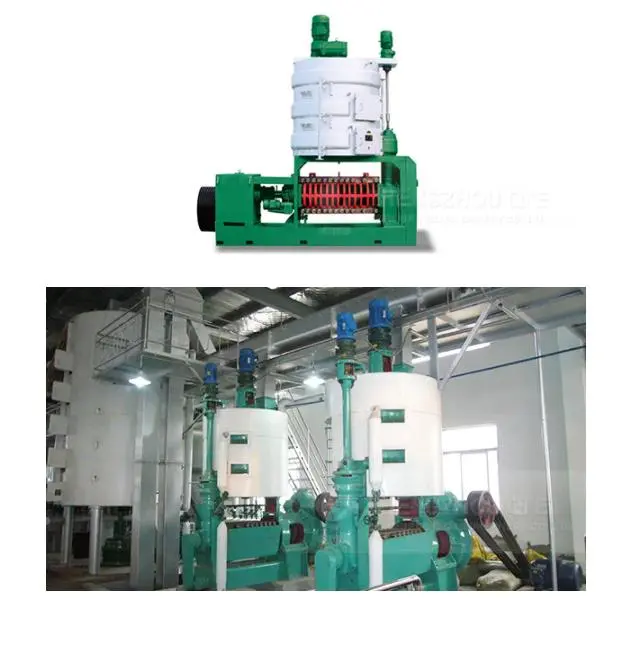
In the competitive edible oil industry, the choice between cold pressing and hot pressing isn't just a technical decision—it directly impacts your product quality, market positioning, and bottom line. As a processor, understanding how these two methods affect your葵花籽油's nutritional profile, production efficiency, and profitability is crucial for making informed business choices.
At the core of this decision lies temperature control and its profound impact on oil extraction. Cold pressing operates at temperatures below 49°C (120°F), preserving the oil's natural nutrients and flavor compounds. In contrast, hot pressing uses higher temperatures—typically between 120°C and 180°C (248°F-356°F)—to rupture oilseeds more effectively, increasing yield but altering the oil's composition.
Industry Insight: According to the International Society for Fat Research, cold-pressed oils retain up to 89% of their natural vitamin E content, compared to 45-60% in traditionally hot-pressed alternatives. This nutritional difference creates distinct market opportunities for health-conscious consumers.
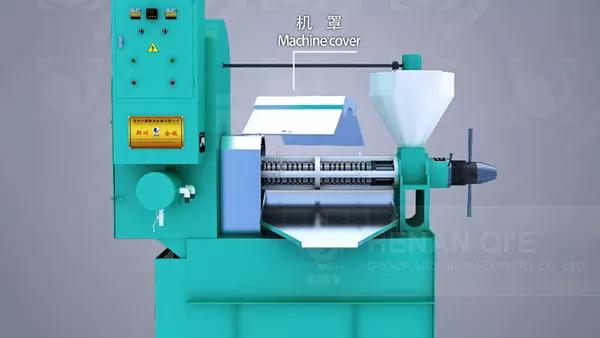
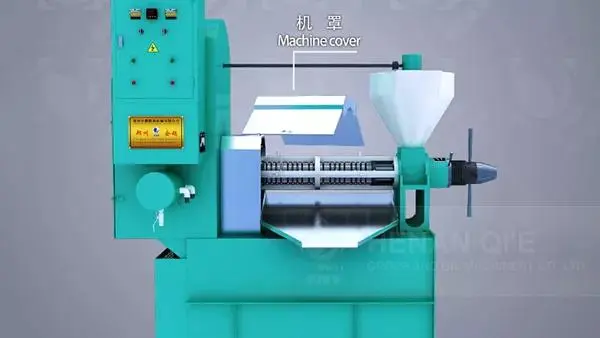
When targeting high-end health food markets or specialty product lines, cold pressing offers significant advantages. This gentle extraction method maintains the oil's natural color, flavor, and most importantly, its nutritional value. Key benefits include:
However, cold pressing typically results in lower yield—usually 18-22% for sunflower seeds compared to hot pressing's 28-32% yield. This makes it most suitable for premium-priced products where nutritional quality justifies the higher production costs.
For large-scale operations focused on volume and efficiency, hot pressing remains the industry standard. By preheating seeds before extraction, processors can achieve significantly higher oil yields while reducing energy consumption per liter of oil produced. The process offers distinct advantages:
| Production Metric | Hot Pressing | Cold Pressing |
|---|---|---|
| Average Yield | 28-32% | 18-22% |
| Processing Time | 30-45 mins/batch | 60-75 mins/batch |
| Energy Consumption | Lower per liter produced | Higher per liter produced |
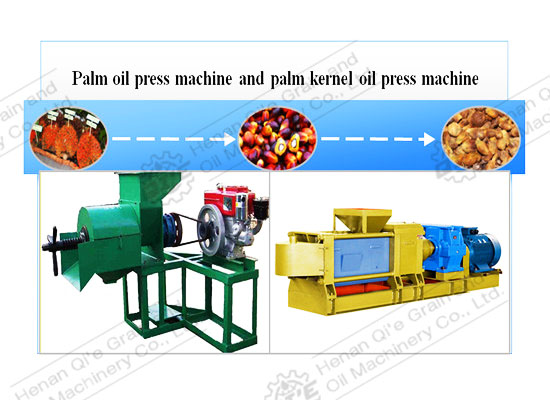
Regardless of your chosen method, precise control of critical process parameters is essential for consistent quality and efficiency. Let's examine the most important variables:
Seed moisture content significantly impacts extraction efficiency. For sunflower seeds, the ideal moisture level ranges from 6-8% for cold pressing and 4-6% for hot pressing. Too much moisture leads to incomplete oil release, while too little causes excessive friction and heat buildup.
Particle size is equally important. Optimal crushing creates particles between 2-4mm in diameter, providing maximum surface area without creating fine dust that can clog presses. Question: Are you currently measuring and controlling these parameters in your production process?
For cold pressing, maintaining temperatures below 49°C (120°F) requires proper equipment cooling and slower processing speeds. Hot pressing systems need precise temperature ramps—gradually increasing from 60°C to the target temperature over 15-20 minutes to prevent oil degradation.
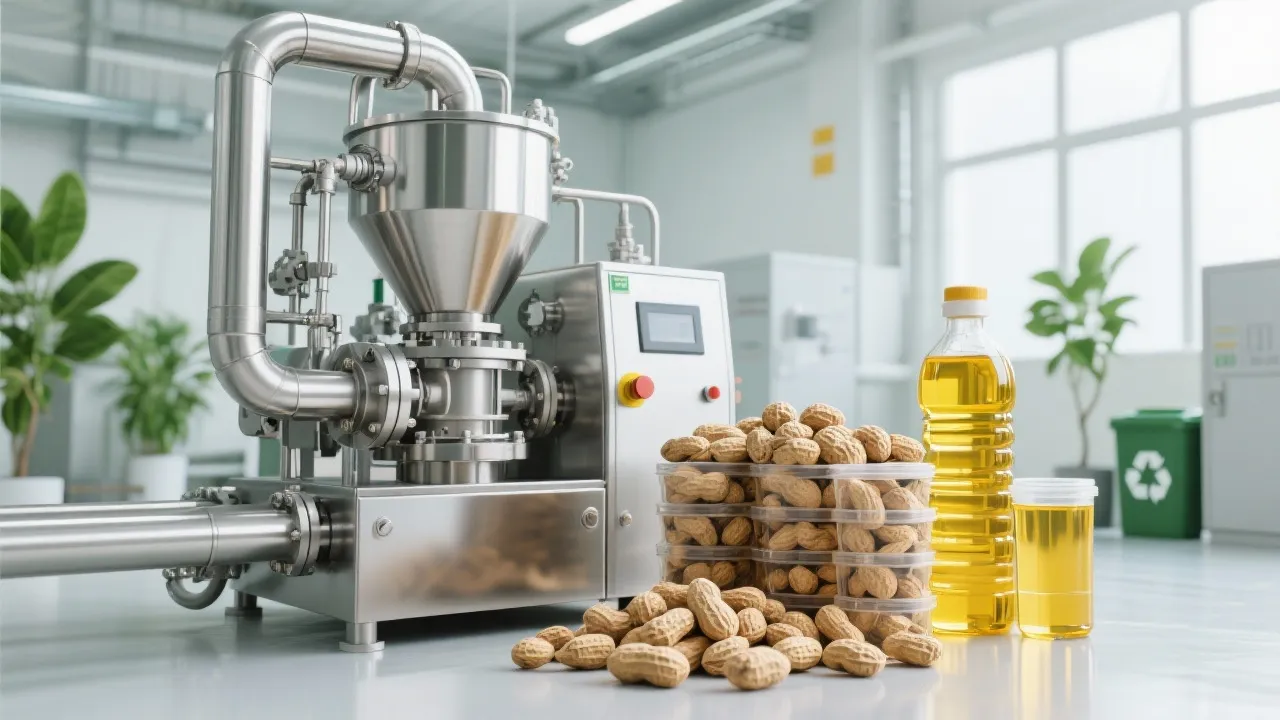
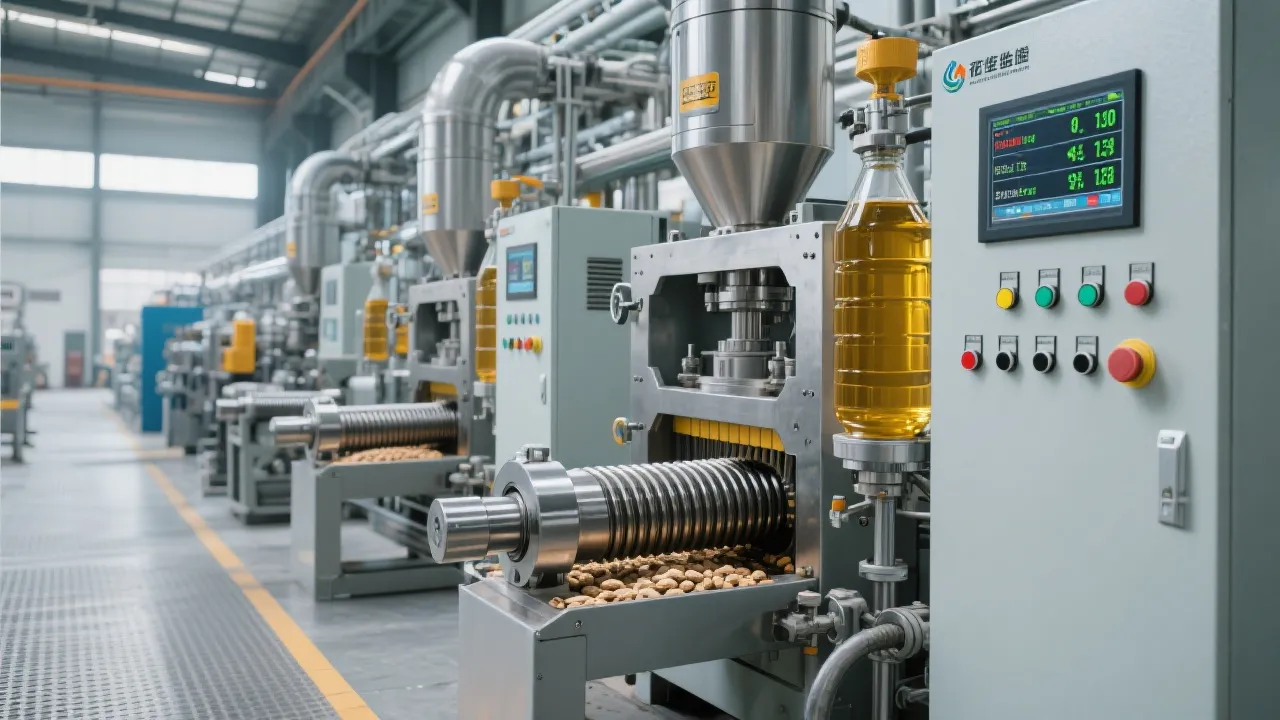
Many processors find themselves torn between the premium market opportunities of cold pressing and the efficiency of hot pressing. This is where modern dual-mode equipment, like the systems offered by 企鹅集团 (QIE Group), transforms operational flexibility.
These advanced presses allow operators to switch between cold and hot pressing modes in under 30 minutes, enabling production of multiple product lines with a single investment. This flexibility provides several strategic advantages:
Discover how 企鹅集团's dual-mode oil press technology can help you capture both premium and volume markets while maximizing your equipment investment.
Download Our Complete Processing GuideEven with the best equipment, processors may encounter issues like uneven oil flow, excessive foaming, or suboptimal yield. Here are practical solutions to common problems:
Problem: Low yield in cold pressing mode
Solution: Check seed moisture content (should be 6-8%) and particle size distribution. If seeds are too dry, a 1-2% moisture adjustment can improve yield by 3-5%.
Problem: Oil discoloration in hot pressing
Solution: Implement a gradual preheating schedule and verify temperature sensors are calibrated. Excessive heat above 190°C can cause oxidation and darkening.
By understanding these technical nuances and leveraging flexible equipment solutions, you can position your operation to compete effectively in both volume and premium sunflower oil markets. The key is selecting equipment that matches your production goals while offering the adaptability to evolve with changing market demands.
 433
|
433
|
 Sunflower oil extraction
Mechanical pressing
Chemical extraction
Oil yield improvement
Household oil press
101
|
Sunflower oil filtration equipment selection
Industrial oil filtration
Tar removal technology
Automated oil filtration equipment
Equipment maintenance tips
403
|
Sunflower seed oil press low oil yield
Household oil press efficiency improvement
Pressing process optimization guide
Sunflower seed oil production techniques
Grain and oil machinery maintenance
399
|
tar-resistant technology
fully automatic oil filtration machine
industrial oil purification
sunflower oil filtration equipment
food-grade stainless steel filtration machine
74
|
sunflower seed oil press
home oil press machine
commercial oil expeller
small farm oil extraction
oil press comparison guide
Sunflower oil extraction
Mechanical pressing
Chemical extraction
Oil yield improvement
Household oil press
101
|
Sunflower oil filtration equipment selection
Industrial oil filtration
Tar removal technology
Automated oil filtration equipment
Equipment maintenance tips
403
|
Sunflower seed oil press low oil yield
Household oil press efficiency improvement
Pressing process optimization guide
Sunflower seed oil production techniques
Grain and oil machinery maintenance
399
|
tar-resistant technology
fully automatic oil filtration machine
industrial oil purification
sunflower oil filtration equipment
food-grade stainless steel filtration machine
74
|
sunflower seed oil press
home oil press machine
commercial oil expeller
small farm oil extraction
oil press comparison guide



.jpg?x-oss-process=image/resize,h_800,m_lfit/format,webp)





.png?x-oss-process=image/resize,h_100,m_lfit/format,webp)
.png?x-oss-process=image/resize,h_100,m_lfit/format,webp)
.png?x-oss-process=image/resize,h_100,m_lfit/format,webp)