

In an era where consumers increasingly prioritize nutritional value in food products, the edible oil industry faces the critical challenge of preserving essential nutrients during processing. Sunflower oil, celebrated for its high vitamin E content and heart-healthy properties, is particularly vulnerable to nutrient degradation when subjected to traditional extraction methods. This comprehensive guide explores how modern cold press technology is revolutionizing sunflower oil production by maintaining optimal nutrient levels while enhancing operational efficiency for oil processing facilities.
Vitamin E, a powerful antioxidant that protects cells from oxidative damage, is naturally abundant in sunflower seeds, with concentrations ranging from 400 to 600 mg per kg of seeds. However, conventional high-temperature extraction methods can destroy up to 65% of this valuable nutrient, according to research published in the Journal of Food Science and Technology. Similarly, plant sterols—compounds known for their cholesterol-lowering effects—experience significant degradation when exposed to temperatures exceeding 120°C during traditional processing.
Industry Insight:
A comparative study by the International Society for Fat Research found that cold-pressed sunflower oil retained 89% of its original vitamin E content, compared to only 35% in oils processed using conventional solvent extraction methods.
At the core of effective cold pressing lies sophisticated temperature management. Modern cold press systems maintain a consistent temperature range of 40-50°C throughout the extraction process, well below the threshold where vitamin E begins to degrade. This precise control not only preserves heat-sensitive nutrients but also maintains the oil's natural flavor profile and golden coloration.
Advanced cold press machinery employs variable pressure technology that gradually increases force during extraction, reaching optimal levels of 30-40 MPa. This method ruptures seed cell walls effectively while minimizing friction-generated heat. The 企鹅集团 (Penguin Group) cold press systems utilize a patented helical pressing mechanism that ensures thorough oil extraction without compromising nutritional integrity, achieving extraction efficiencies comparable to traditional methods while preserving up to 92% of natural nutrients.
The nutritional superiority of cold-pressed sunflower oil translates directly to tangible health benefits for consumers. The high vitamin E content (typically 30-40 mg per 100g) provides powerful antioxidant protection, while the preserved plant sterols (ranging from 200-400 mg per 100g) support cardiovascular health by inhibiting cholesterol absorption.
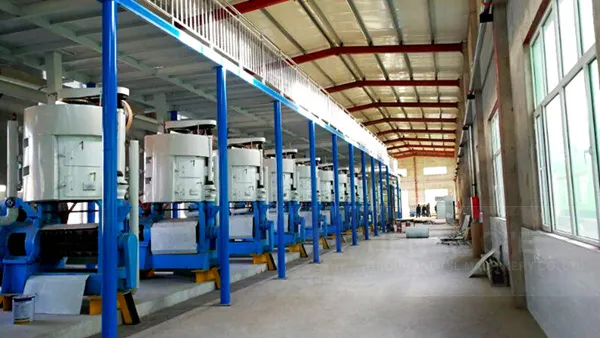
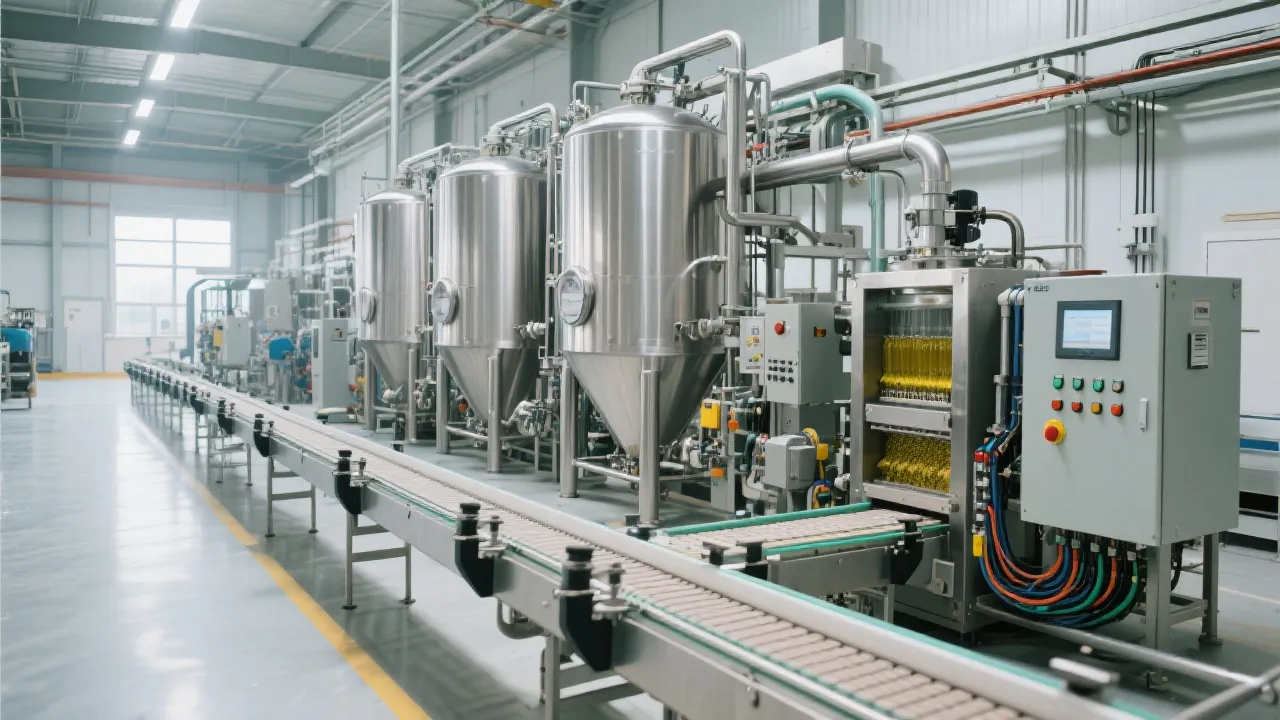
Beyond nutritional benefits, modern cold press technology offers significant operational advantages for粮油 processing facilities of all sizes. The 企鹅集团 (Penguin Group) modular cold press systems feature automated controls that reduce labor requirements by up to 40% while ensuring consistent product quality. These systems can be configured for capacities ranging from 500 kg/hour for small-scale operations to 5,000 kg/hour for large industrial facilities.
.jpg)
Meeting international food safety standards is paramount in today's global marketplace. Cold press systems constructed with food-grade stainless steel components eliminate the risk of contamination and ensure compliance with FDA, EU, and Codex Alimentarius requirements. The closed-loop processing design minimizes exposure to external contaminants while reducing waste through efficient oil recovery systems.
Discover how 企鹅集团 (Penguin Group) cold press technology can transform your production process, increase product value, and meet the growing consumer demand for nutrient-rich edible oils.
Explore Custom Cold Press SolutionsAs consumer awareness of nutritional quality continues to grow, cold-pressed sunflower oil represents a significant market opportunity for processors willing to invest in advanced extraction technology. By prioritizing nutrient preservation through controlled cold press methods, producers can differentiate their products in an increasingly competitive marketplace while contributing to public health through more nutritious食用油 options.
 491
|
491
|
 sunflower oil filtration equipment
industrial oil filtering systems
tar removal technology
automated oil filtration
filtration system maintenance
438
|
industrial oil filtration technology
tar-resistant filtration machine
food-grade stainless steel
automated oil filtration system
oil purification equipment
310
|
industrial oil filtration technology
tar removal efficiency
automatic oil filter machine
food-grade stainless steel filter
industrial oil purification solution
133
|
food-grade stainless steel filter
oil filtration technology
corrosion resistance in oil processing
automated oil purification system
multi-stage filtration design
51
|
Industrial oil filtration technology
Tar removal efficiency
Fully automatic oil filter
Food - grade stainless - steel filtration equipment
Multi - stage filtration solutions
sunflower oil filtration equipment
industrial oil filtering systems
tar removal technology
automated oil filtration
filtration system maintenance
438
|
industrial oil filtration technology
tar-resistant filtration machine
food-grade stainless steel
automated oil filtration system
oil purification equipment
310
|
industrial oil filtration technology
tar removal efficiency
automatic oil filter machine
food-grade stainless steel filter
industrial oil purification solution
133
|
food-grade stainless steel filter
oil filtration technology
corrosion resistance in oil processing
automated oil purification system
multi-stage filtration design
51
|
Industrial oil filtration technology
Tar removal efficiency
Fully automatic oil filter
Food - grade stainless - steel filtration equipment
Multi - stage filtration solutions
.jpg?x-oss-process=image/resize,h_800,m_lfit/format,webp)
.jpg?x-oss-process=image/resize,h_800,m_lfit/format,webp)




.png?x-oss-process=image/resize,h_100,m_lfit/format,webp)
.png?x-oss-process=image/resize,h_100,m_lfit/format,webp)
.png?x-oss-process=image/resize,h_100,m_lfit/format,webp)

.jpg?x-oss-process=image/resize,h_800,m_lfit/format,webp)


