
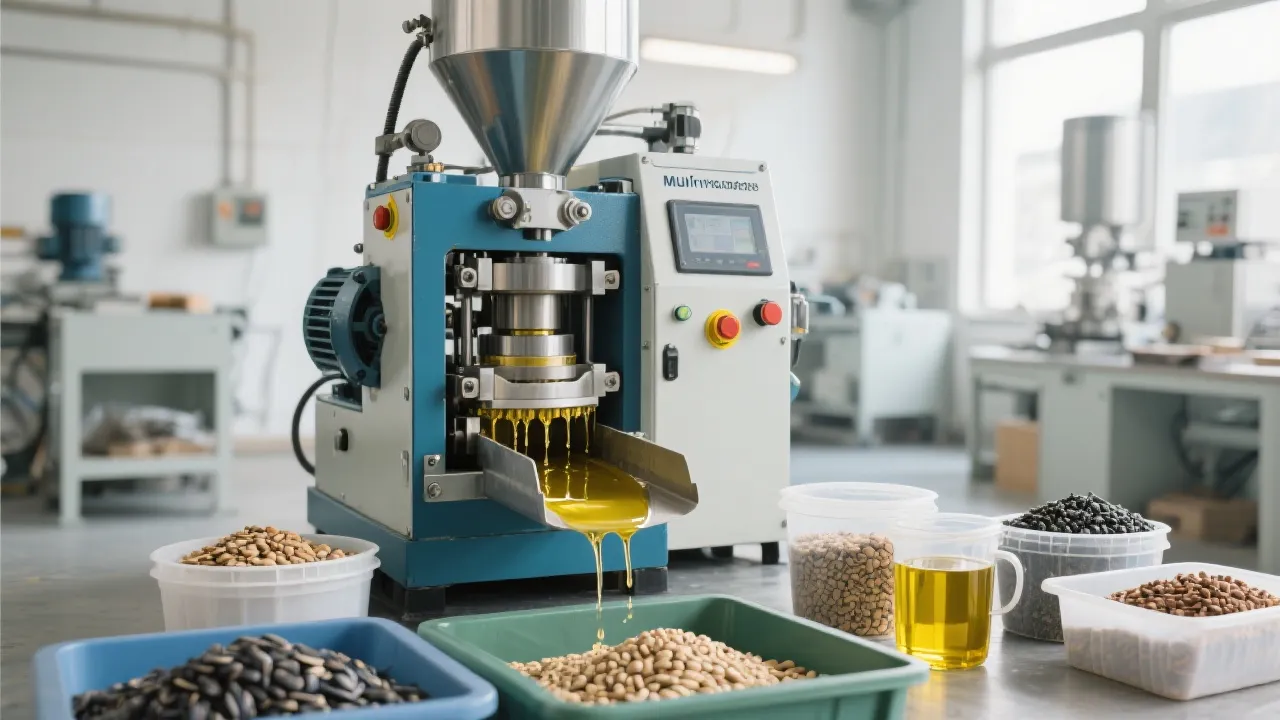
In the competitive edible oil production industry, cold press sunflower oil extraction has emerged as a premium process valued for preserving natural nutrients and authentic flavor profiles. However, many producers face persistent challenges with inconsistent extraction efficiency and fluctuating oil quality that directly impact profitability. Recent industry studies indicate that improper equipment operation can reduce yields by up to 18% and increase production costs by 22% annually.
Industry Insight:
According to the International Association of Edible Oil Producers, properly maintained cold press equipment can achieve 92-95% oil extraction efficiency, while poorly operated systems often struggle to reach 75%.
The critical first step toward optimal extraction begins before the machine even starts. Technical teams should implement a systematic pre-operation checklist that addresses three core areas: mechanical integrity, raw material preparation, and parameter calibration.
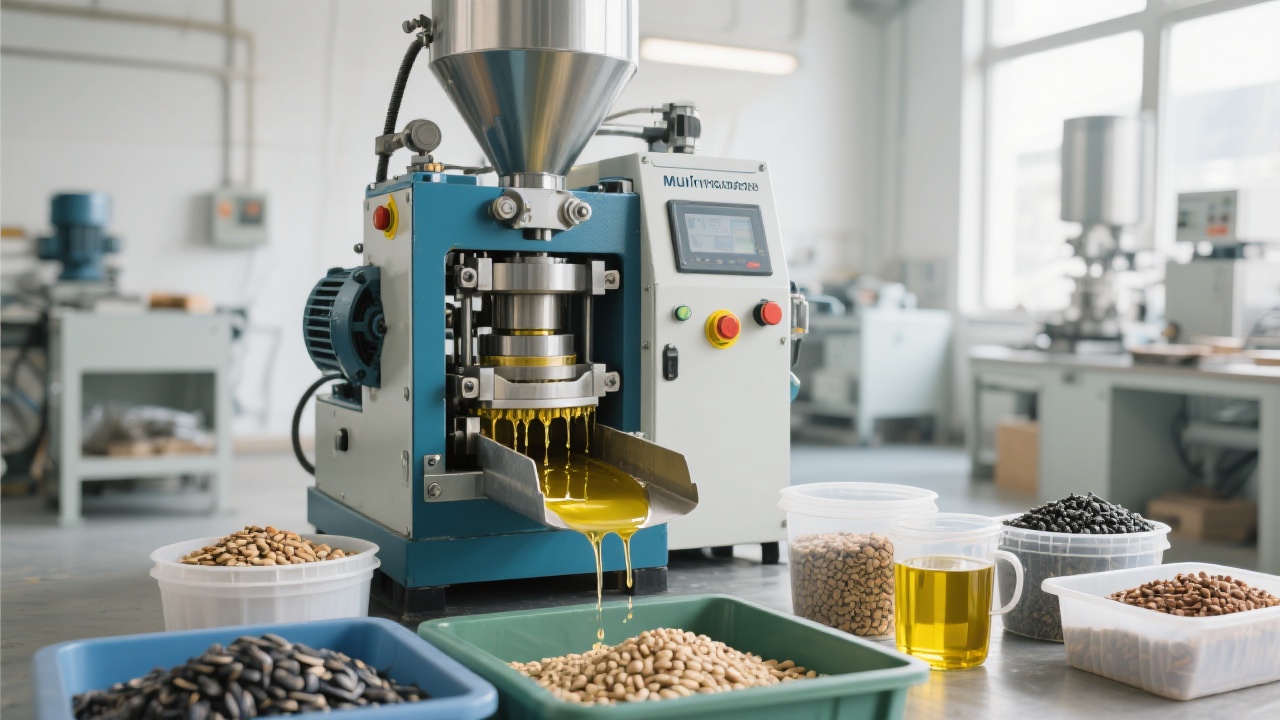
Key mechanical checks include verifying roller alignment (tolerance should be within 0.5mm), ensuring proper tension on press belts (deflection of 10-15mm under moderate pressure is ideal), and confirming all safety guards are securely fastened. For sunflower seeds specifically, moisture content should be precisely controlled between 6-8% – samples should be tested using a calibrated moisture meter before each production run.
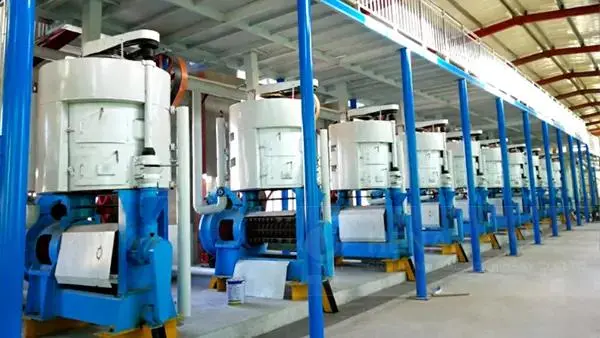
During operation, maintaining consistent control over three primary variables directly impacts extraction efficiency and oil quality: temperature, pressure, and feed rate. Cold press technology operates within a narrow temperature window of 40-45°C (104-113°F) to preserve delicate fatty acids and natural antioxidants.
| Parameter | Optimal Range | Impact of Deviation |
|---|---|---|
| Operating Temperature | 40-45°C (104-113°F) | >45°C: Reduced nutrient retention <40°C: 8-12% lower extraction yield |
| Press Chamber Pressure | 28-32 MPa | >32 MPa: Increased能耗 & seed residue in oil <28 MPa: 15-20% lower extraction efficiency |
| Feed Rate | 120-150 kg/h (varies by model) | Inconsistent feeding causes 10-15% fluctuation in oil quality |
Penguin Group's advanced cold press systems feature integrated sensors that continuously monitor these parameters, with automatic adjustment capabilities that maintain optimal conditions even as seed characteristics change. Operators should record readings every 30 minutes to establish performance baselines and identify trends.
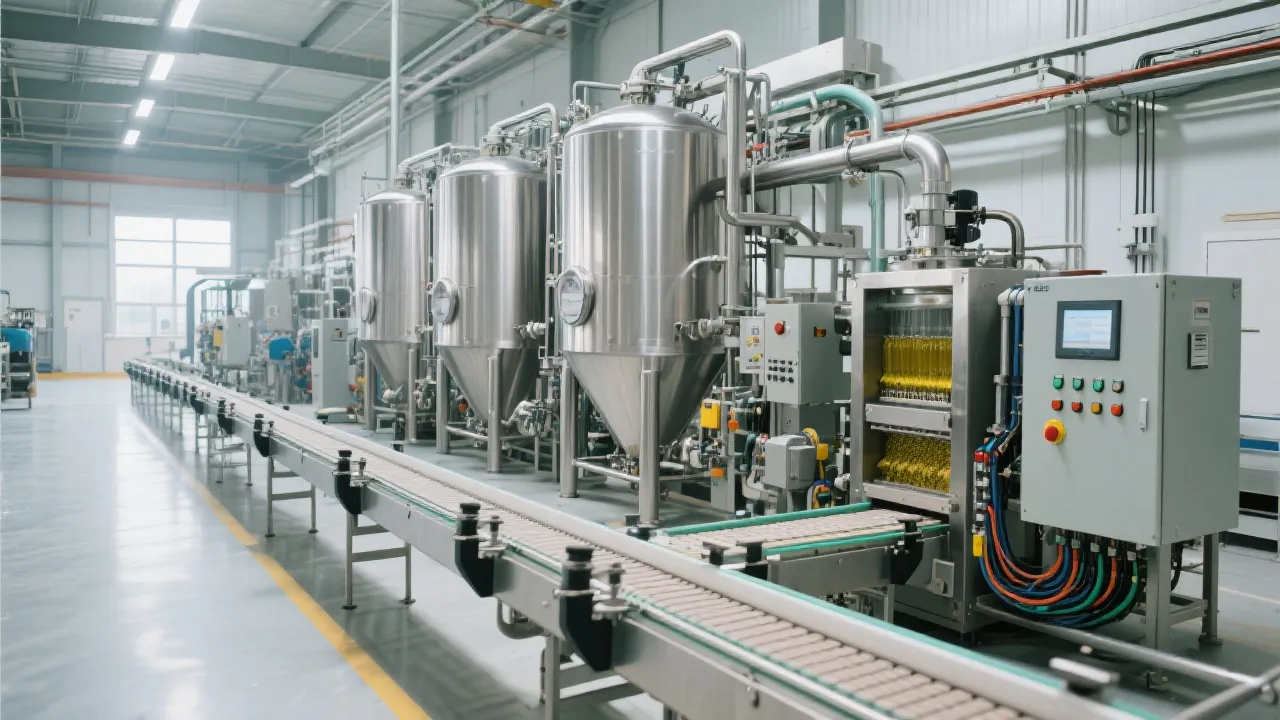
Residue buildup is a silent productivity killer in cold press operations, reducing efficiency by approximately 2% per day of operation without proper cleaning. Modern extraction equipment like Penguin Group's models incorporate sophisticated automatic cleaning systems that require proper programming to function at peak effectiveness.
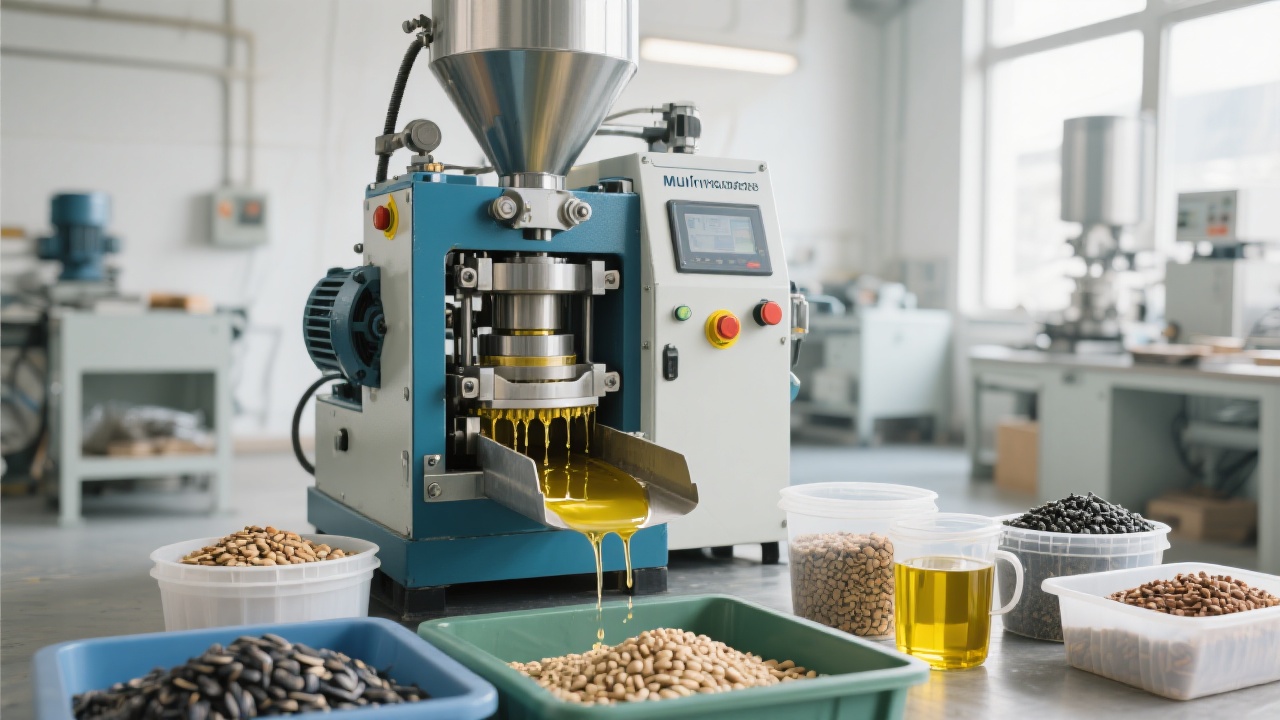
The cleaning cycle should be initiated after every 8 hours of continuous operation or whenever pressure differentials across the press increase by more than 15%. Operators must ensure the cleaning solution concentration matches manufacturer specifications – typically 2-3% for alkaline cleaners – and that the rinse cycle completely removes all cleaning agents to prevent oil contamination.
Maintenance Technician Tip:
"We reduced maintenance downtime by 40% after implementing a preventive cleaning schedule rather than waiting for performance issues. The key is replacing filter elements proactively every 200 operating hours, not just when they appear clogged." – Carlos Mendez, Senior Maintenance Engineer, European Edible Oils Ltd.
While cold pressing preserves natural flavors, strategic use of refining functions can enhance stability without compromising quality. The refining process should be calibrated based on specific end-product requirements, with particular attention to degumming and deacidification parameters.
For premium unrefined oils, degumming with water at 50-55°C for 20-30 minutes effectively removes phospholipids without stripping natural tocopherols. When producing high-stability cooking oils, controlled neutralization with 0.1-0.3% caustic solution at 60°C reduces free fatty acids to below 0.15% while maintaining acceptable flavor profiles.
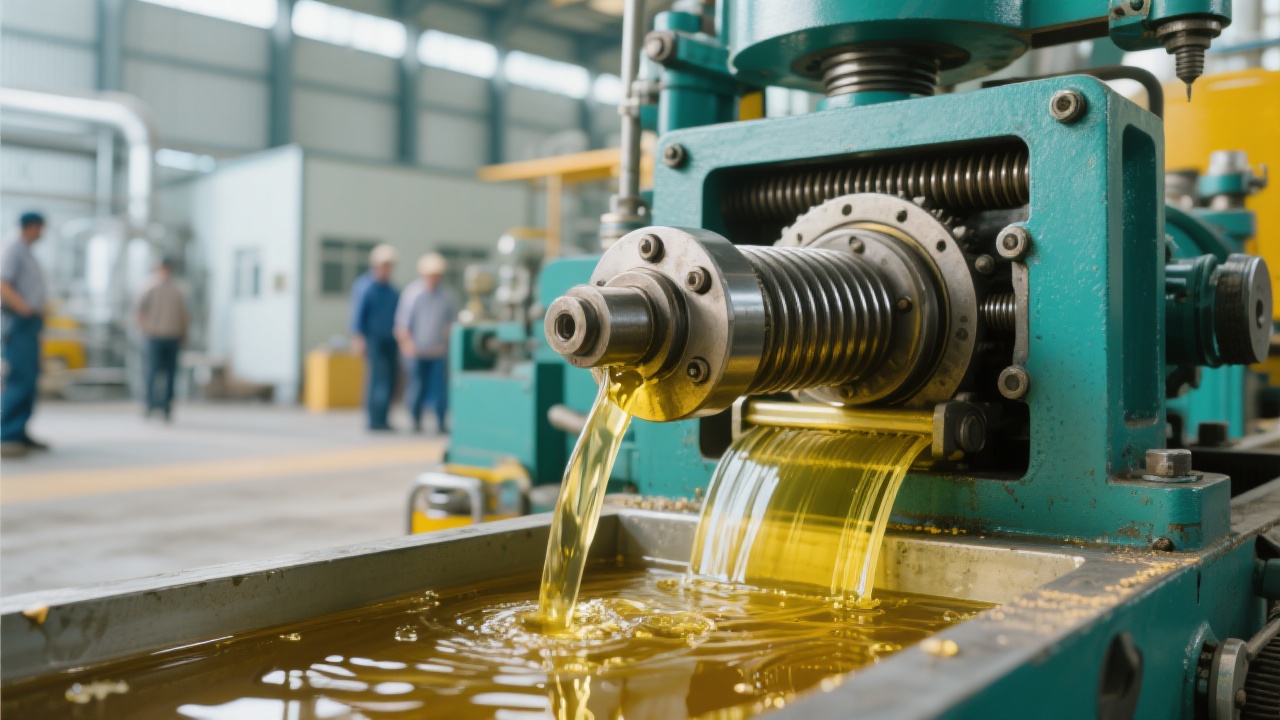
Establishing a comprehensive preventive maintenance program reduces unplanned downtime by up to 65% according to industry benchmarks. Key maintenance tasks include weekly lubrication of press bearings with food-grade lubricant (NLGI 2 viscosity), monthly inspection of gearbox oil levels, and quarterly calibration of temperature and pressure sensors.
Common issues like sudden pressure drops often stem from worn press screws (typically requiring replacement after 1,500-2,000 operating hours) or improper seed conditioning. Unusual noise during operation should never be ignored – it often indicates misalignment that can cause catastrophic equipment failure if not addressed promptly.
Optimize your cold press operations with our comprehensive maintenance guide, developed by Penguin Group's team of process engineers with over 25 years of industry experience.
Get Your Free Maintenance Checklist PDFEven the most advanced equipment performs sub-optimally without properly trained operators. Companies investing in structured training programs report 32% higher equipment efficiency and 28% fewer quality control issues. Training should emphasize not just basic operation but also parameter adjustment based on seed quality variations and real-time problem-solving.
Maintaining detailed process logs that record seed characteristics, operating parameters, and oil quality metrics creates a valuable knowledge base for continuous improvement. These records enable technical teams to identify patterns, optimize settings for different seed batches, and quickly troubleshoot quality issues when they arise.
By implementing these operational best practices, producers can consistently achieve extraction efficiencies above 90% while maintaining the premium quality characteristics that differentiate cold pressed sunflower oil in the marketplace. The combination of proper equipment preparation, vigilant process monitoring, regular maintenance, and operator expertise forms the foundation of profitable cold press oil production.
 364
|
364
|
 Industrial oil filtration technology
Tar removal efficiency
Fully automatic oil filter
Food - grade stainless steel filtration equipment
Continuous processing oil purification
78
|
industrial oil filtration technology
tar-resistant filtration
automatic oil filter machine
food-grade stainless steel
oil purification solutions
372
|
portable sunflower oil press
small farm oil processing
sunflower oil value addition
micro-processing equipment
community group buying oil sales
298
|
tar-resistant technology
automated oil filtration machine
sunflower oil filtration
food-grade stainless steel filters
industrial oil purification
391
|
sunflower
oil
extraction
equipment
ISO9001
oil
mill
machinery
food-grade
stainless
steel
oil
press
automatic
oil
extraction
equipment
small
to
medium
oil
mill
equipment
Industrial oil filtration technology
Tar removal efficiency
Fully automatic oil filter
Food - grade stainless steel filtration equipment
Continuous processing oil purification
78
|
industrial oil filtration technology
tar-resistant filtration
automatic oil filter machine
food-grade stainless steel
oil purification solutions
372
|
portable sunflower oil press
small farm oil processing
sunflower oil value addition
micro-processing equipment
community group buying oil sales
298
|
tar-resistant technology
automated oil filtration machine
sunflower oil filtration
food-grade stainless steel filters
industrial oil purification
391
|
sunflower
oil
extraction
equipment
ISO9001
oil
mill
machinery
food-grade
stainless
steel
oil
press
automatic
oil
extraction
equipment
small
to
medium
oil
mill
equipment

.jpg?x-oss-process=image/resize,h_800,m_lfit/format,webp)



.png?x-oss-process=image/resize,h_100,m_lfit/format,webp)
.png?x-oss-process=image/resize,h_100,m_lfit/format,webp)
.png?x-oss-process=image/resize,h_100,m_lfit/format,webp)


.jpg?x-oss-process=image/resize,h_800,m_lfit/format,webp)