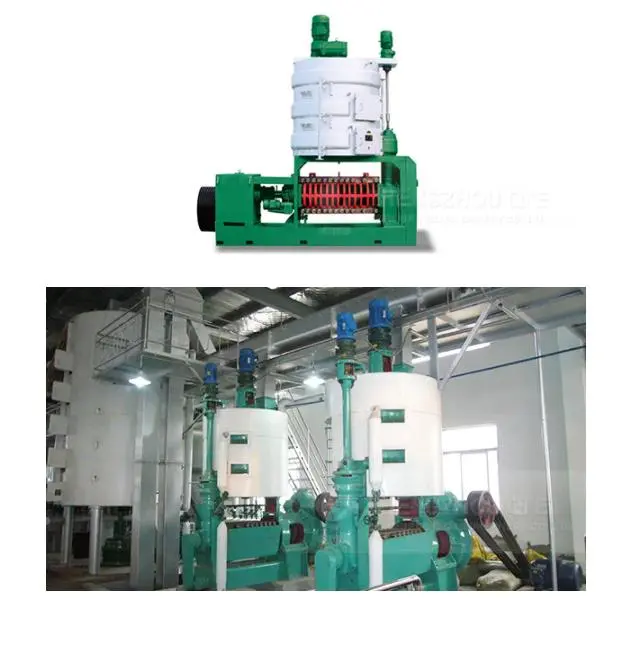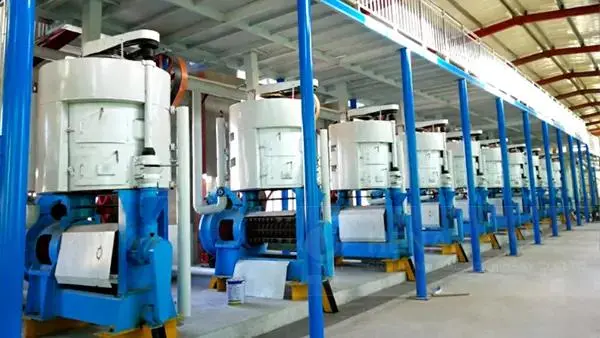
As an edible oil processor, you face a critical decision every day that impacts your product quality, market positioning, and bottom line: choosing between cold press and hot press techniques for sunflower oil extraction. This decision isn't just about production—it defines who your customers are and how much value you can deliver. Let's explore the science, applications, and strategic advantages of both processes to help you make informed decisions that align with your business goals.
At the core of oil extraction lies a fundamental principle: controlling temperature to balance nutritional preservation and extraction efficiency. Cold press technology operates at temperatures below 49°C (120°F), using mechanical pressure to extract oil without heat-induced chemical changes. This gentle approach preserves the oil's natural composition, including热敏able nutrients and flavor compounds.
In contrast, hot press systems pre-treat seeds with temperatures ranging from 105°C to 120°C (221°F to 248°F) before pressing. This heat breaks down cell walls more effectively, increasing oil flow and extraction yield. However, this process accelerates oxidation and may reduce certain heat-sensitive nutrients.
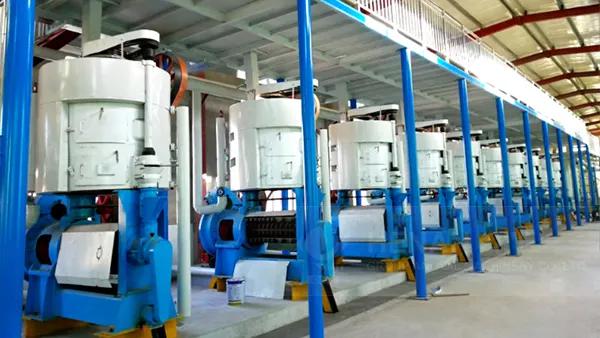
The choice between cold and hot pressing ultimately comes down to balancing two key factors: nutrient retention and extraction yield. Understanding this trade-off is essential for aligning your production with market demand.
| Parameter | Cold Press | Hot Press |
|---|---|---|
| Vitamin E Retention | >90% preservation | 55-70% preservation |
| Phytosterol Content | 85-92% retained | 60-75% retained |
| Extraction Yield | 38-42% from sunflower seeds | 45-50% from sunflower seeds |
| Processing Time | Longer (15-20% more time) | Shorter (higher throughput) |
| End Product Color | Lighter, pale yellow | Darker amber |
For health-conscious consumers willing to pay premium prices, cold-pressed sunflower oil's superior nutritional profile creates a clear market advantage. These products typically command 30-40% higher prices in specialty food stores and organic markets across North America and Europe. The 90%+ retention of vitamin E and 85%+ preservation of phytosterols provide tangible selling points that resonate with educated buyers focused on heart health and natural ingredients.
Conversely, hot press technology delivers significant economic benefits through higher extraction yields. The 7-12% increase in oil recovery directly impacts profitability, especially for large-scale operations supplying commodity markets or industrial food manufacturers. When processing 1,000 tons of sunflower seeds monthly, this yield difference translates to approximately 70-120 additional tons of oil annually—representing substantial revenue potential.
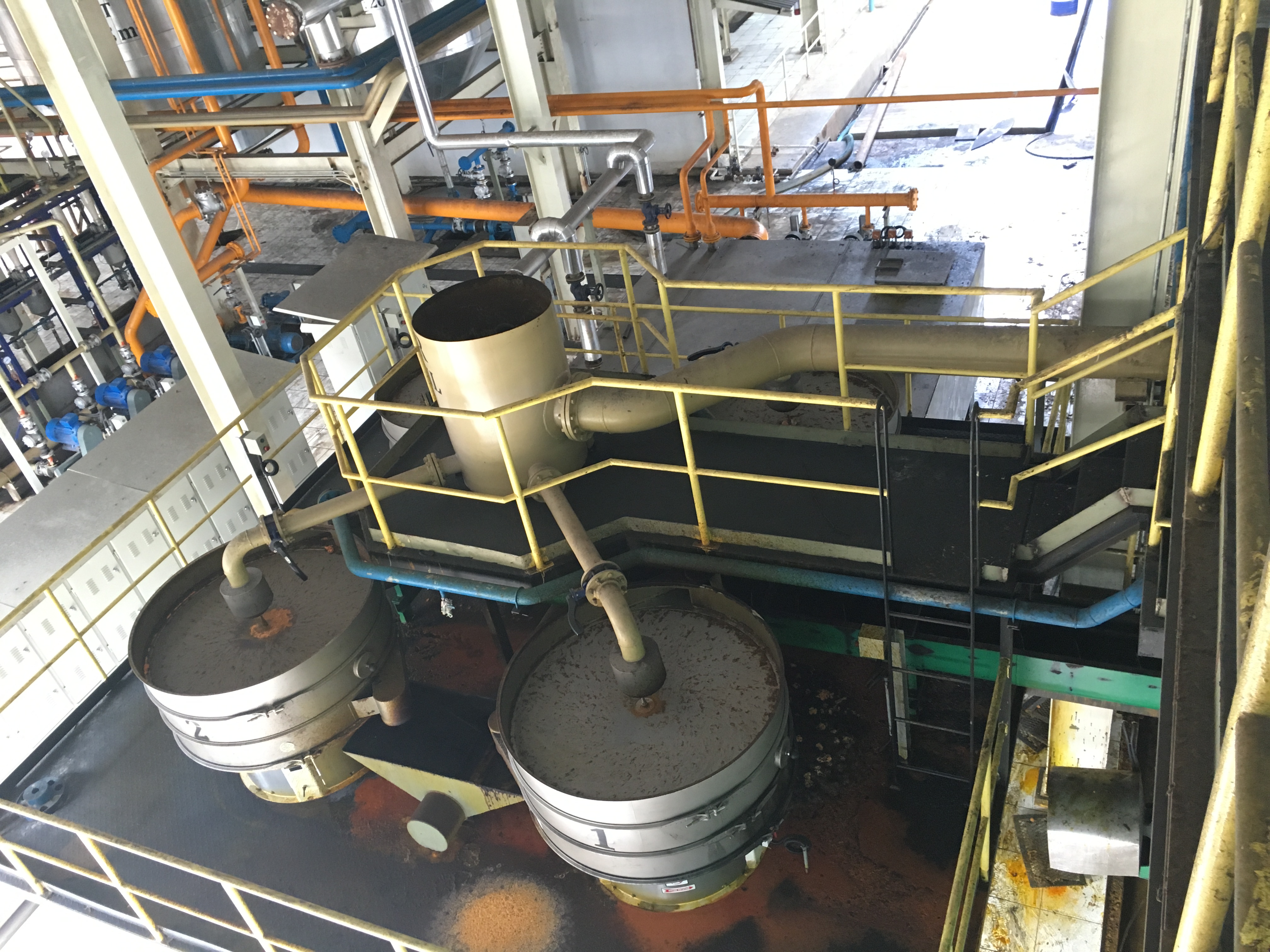
Your target market should dictate your processing approach. Let's examine which scenarios favor each technology and how you can align your production strategy with market needs.
Ideal for:
Ideal for:
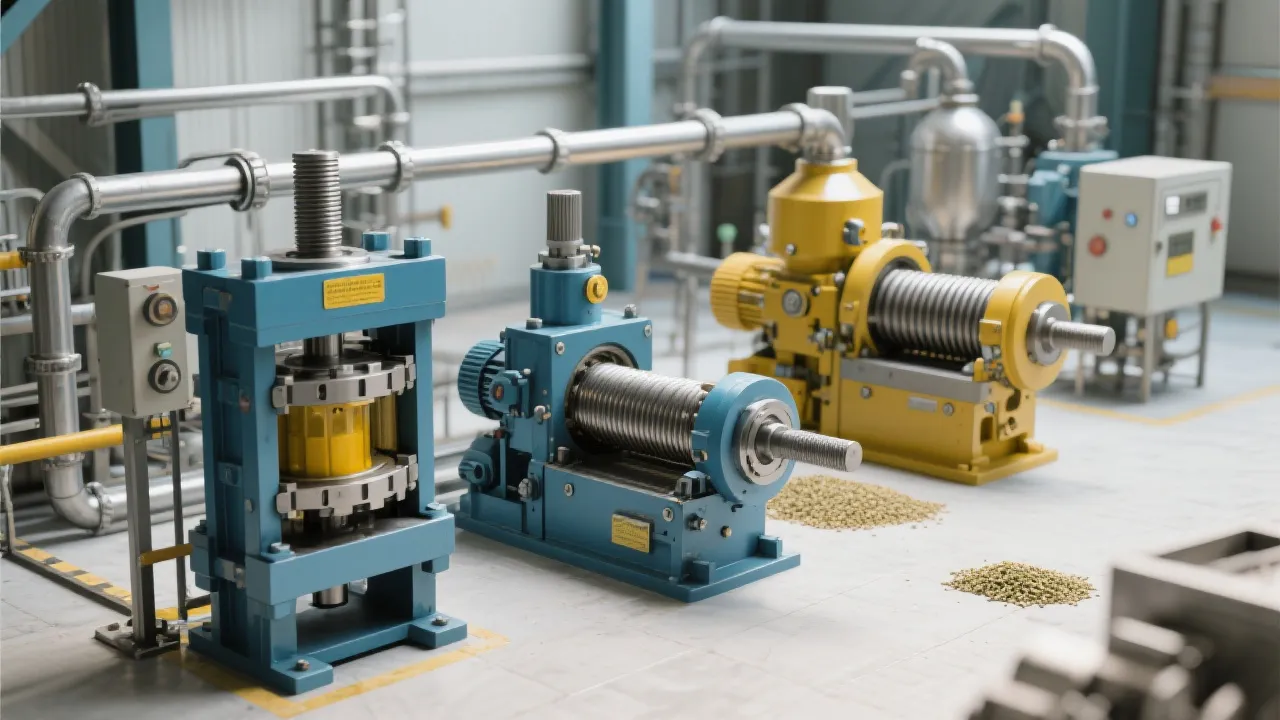
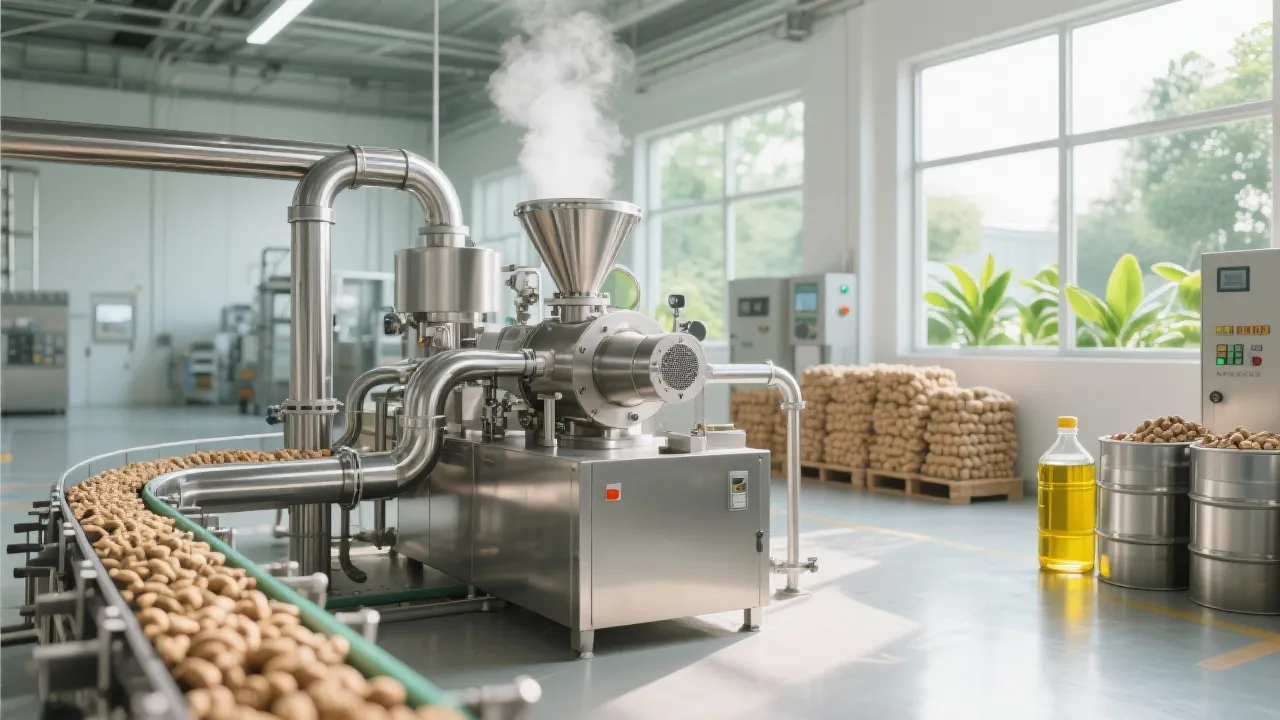
Many processors find themselves needing to serve both market segments. This is where flexible processing equipment becomes a strategic advantage. Industrial-grade oil presses with switchable cold/hot modes allow you to adapt to market fluctuations without investing in separate production lines.
Regardless of your chosen method, precise control of processing parameters is essential for consistent quality and efficiency. Let's examine the critical factors that influence outcomes in both cold and hot press operations.
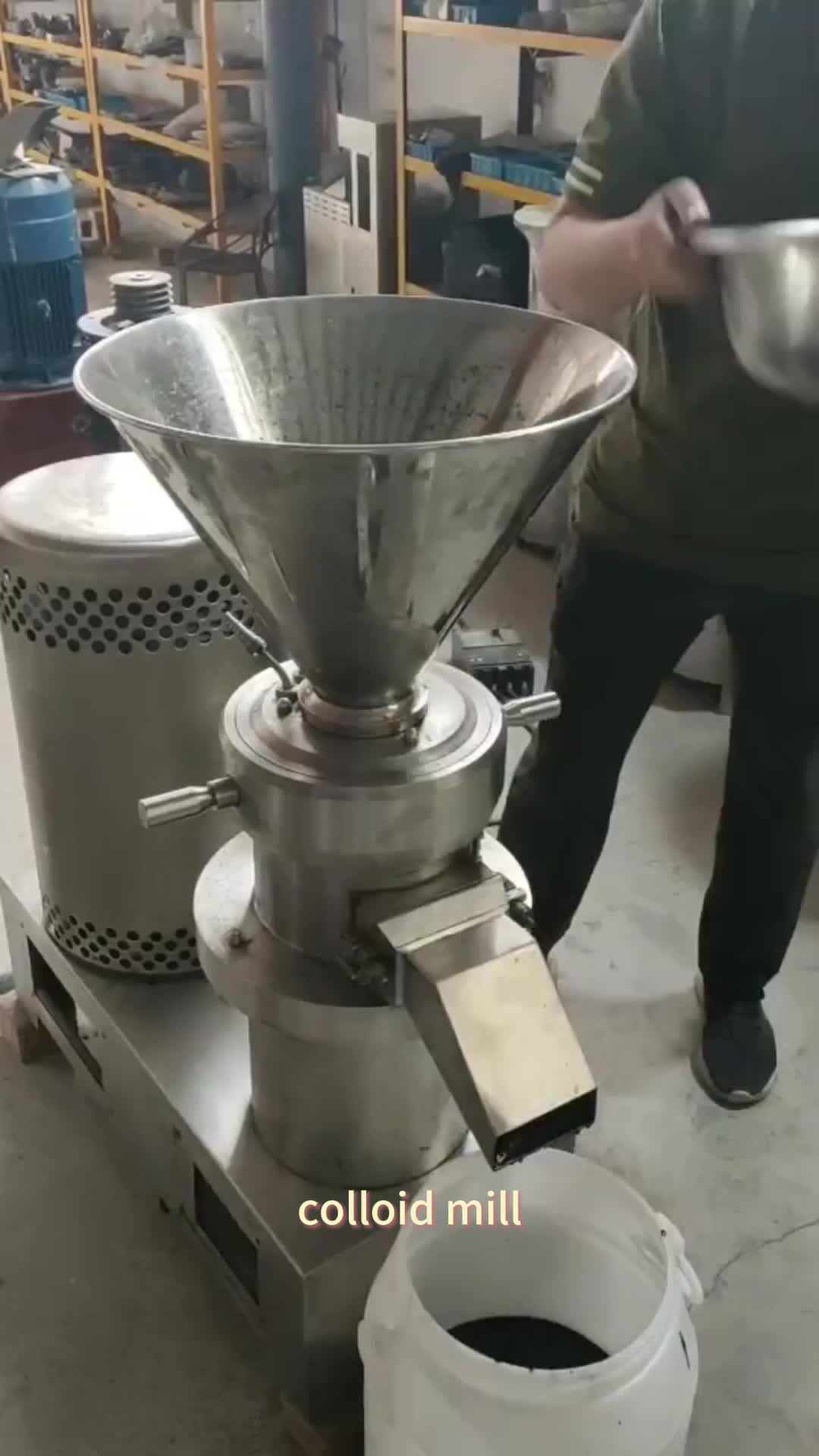
Even with proper parameter control, processors face common challenges that can impact quality and efficiency. Here's how to troubleshoot the most frequent issues:
Solution: For cold press, check seed moisture content—too dry (below 5%) reduces oil flow, while excess moisture (above 9%) increases friction and heat. For hot press, verify pre-treatment temperature uniformity; aim for ±3°C variance across the seed batch.
Solution: Reduce press speed by 10-15% to decrease friction, ensure cooling systems are functioning properly, and check for worn press components that create excess resistance.
Solution: Implement stricter temperature monitoring during pre-treatment, as temperature spikes above 125°C (257°F) can cause nutrient degradation and off-flavors. Consider adding a temperature interlock system to prevent overheating.
Have you encountered specific challenges when switching between processing methods? What market demands are influencing your production decisions? Share your insights in the comments below!
Imagine being able to switch between cold and hot press operations in minutes to respond to market demands. QIE Group's advanced oil processing equipment gives you this flexibility, allowing you to target both premium health markets and high-volume commodity segments with a single investment.
The information provided in this article is based on industry research and standard processing parameters. Individual results may vary based on specific equipment, seed quality, and processing conditions. Always consult with technical experts when implementing new processing techniques.
 152
|
152
|
 compact sunflower seed oil extractor
small-scale grain oil processing
household oil press machine
sunflower oil production technology
Asian African agricultural machinery
388
|
industrial oil filtration
filtration cycle optimization
automated oil filtering system
oil purification technology
tar-resistant filtration
301
|
Small - scale sunflower oil press
Operating procedures of oil press
Maintenance techniques for sunflower oil press
Oil extraction efficiency
Green edible oil production
232
|
small scale sunflower oil processing
portable oil press machine
sunflower oil extraction tutorial
farmer oil processing guide
rural agricultural income project
160
|
Small sunflower oil presses
Household sunflower oil presses
Commercial sunflower oil presses
Oil press selection guide
Small farm oil press equipment
compact sunflower seed oil extractor
small-scale grain oil processing
household oil press machine
sunflower oil production technology
Asian African agricultural machinery
388
|
industrial oil filtration
filtration cycle optimization
automated oil filtering system
oil purification technology
tar-resistant filtration
301
|
Small - scale sunflower oil press
Operating procedures of oil press
Maintenance techniques for sunflower oil press
Oil extraction efficiency
Green edible oil production
232
|
small scale sunflower oil processing
portable oil press machine
sunflower oil extraction tutorial
farmer oil processing guide
rural agricultural income project
160
|
Small sunflower oil presses
Household sunflower oil presses
Commercial sunflower oil presses
Oil press selection guide
Small farm oil press equipment



.jpg?x-oss-process=image/resize,h_800,m_lfit/format,webp)



.png?x-oss-process=image/resize,h_100,m_lfit/format,webp)
.png?x-oss-process=image/resize,h_100,m_lfit/format,webp)
.png?x-oss-process=image/resize,h_100,m_lfit/format,webp)