"The choice between cold and hot pressing isn't just a technical decision—it directly impacts your product quality, market positioning, and bottom line. In today's competitive edible oil market, flexibility in processing technology has become a critical differentiator for manufacturers." — Dr. Elena Petrova, Food Science Researcher at Institute of Nutrition Sciences
As a sunflower oil producer, you face a fundamental decision that shapes your entire production chain: choosing between cold pressing and hot pressing techniques. This decision influences everything from your product's nutritional profile to your production costs and market opportunities. Let's explore what makes these two processes distinct and how they can impact your business.
Cold pressing operates at temperatures below 49°C (120°F), using mechanical pressure to extract oil while preserving delicate nutrients. This gentle process maintains the oil's natural flavor profile and nutritional integrity. In contrast, hot pressing involves heating the seeds—typically between 105-120°C (221-248°F)—before extraction, which breaks down cellular structures for higher yield.
While hot pressing can increase oil output by 15-20% compared to cold pressing, this comes at the expense of certain heat-sensitive compounds. Your production goals will ultimately determine which approach—or combination of approaches—best suits your needs.
If your strategy focuses on health-conscious consumers and premium markets, cold pressing offers significant advantages:
This process is ideal for organic certifications and specialty oil markets where nutritional quality is paramount.
For large-scale production and cost efficiency, hot pressing delivers compelling benefits:
This approach works well for standard cooking oil markets where price competitiveness drives purchasing decisions.
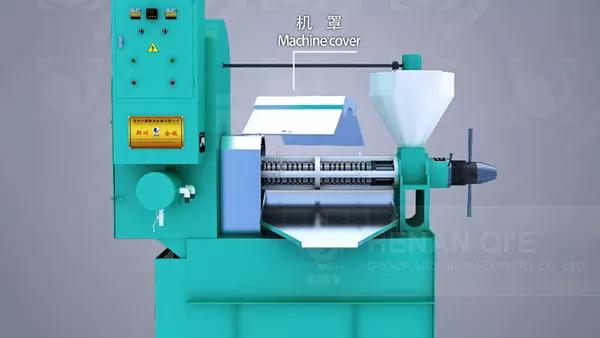
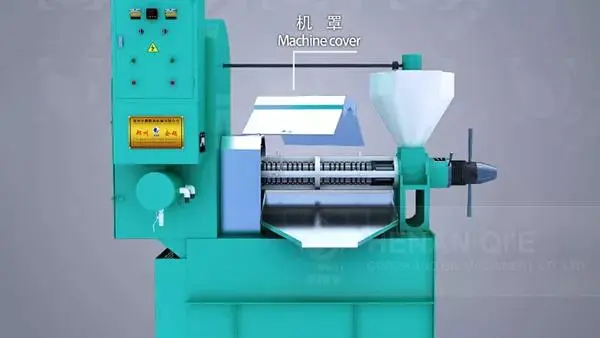
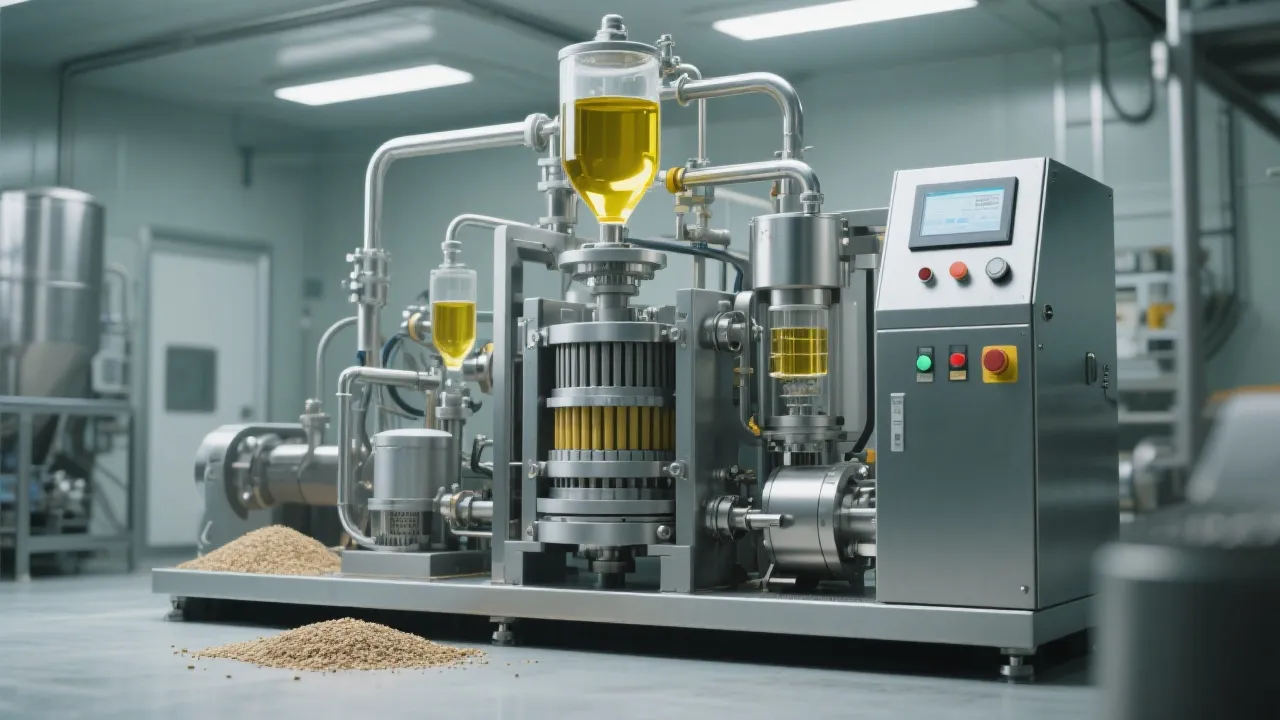
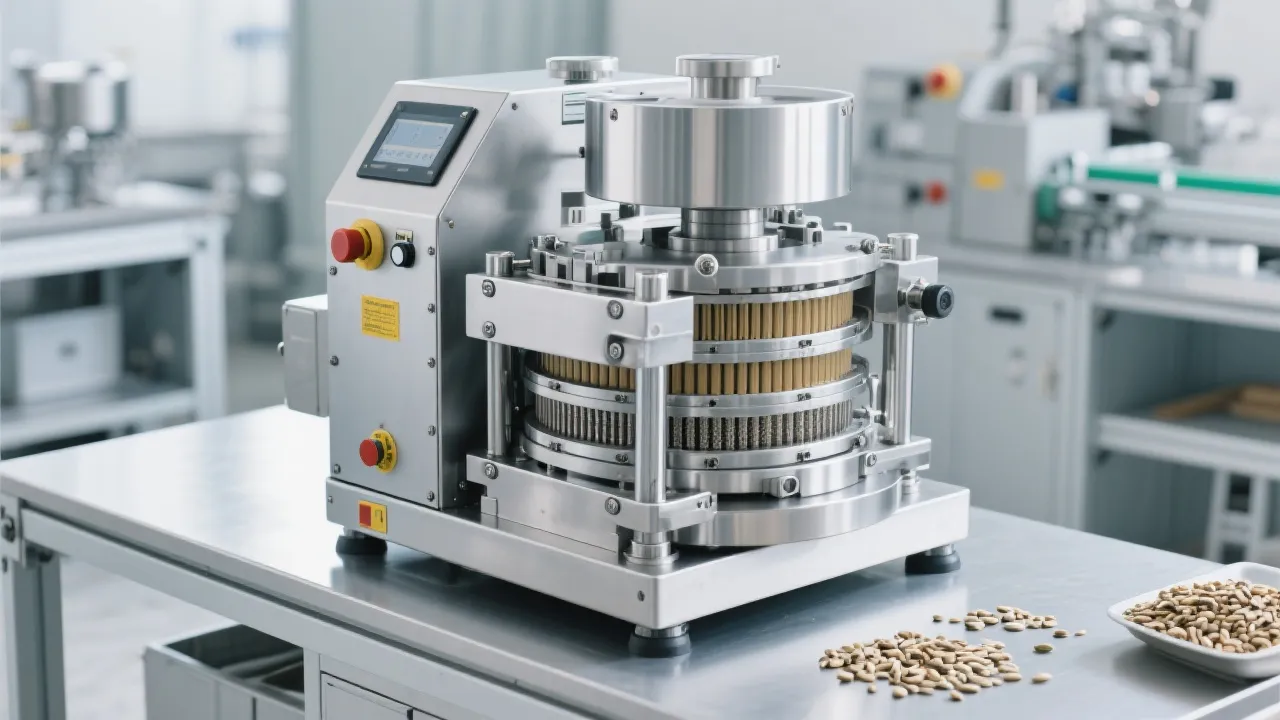
The limitations of choosing one process over the other are becoming a thing of the past. Modern industrial oil presses, like those offered by 企鹅集团 (Penguin Group), now feature seamless cold-to-hot mode switching capabilities that allow you to adapt to market demands without investing in separate equipment.
Imagine being able to switch between production modes in under 15 minutes to capitalize on market opportunities. With 企鹅集团's dual-mode pressing technology, you can:
This flexibility translates directly to improved profit margins and market responsiveness—a critical advantage in today's volatile commodity markets.
Regardless of the pressing method you choose, proper control of process parameters is essential for consistent quality and efficiency. Here are critical factors to monitor:
| Parameter | Cold Press Optimum | Hot Press Optimum |
|---|---|---|
| Seed Moisture Content | 6-8% | 4-6% |
| Temperature Range | 35-49°C (95-120°F) | 105-120°C (221-248°F) |
| Crushing Particle Size | 1.5-2.0mm | 2.0-2.5mm |
| Pressing Pressure | Higher pressure (adjust based on seed variety) | Moderate pressure (reduced due to heat-weakened cell walls) |
A mid-sized European sunflower oil producer recently implemented 企鹅集团's dual-mode pressing system and achieved impressive results. By strategically switching between cold and hot pressing based on market conditions:
Consider your target markets, profit margins, and production flexibility needs. Are you focused on premium health products or high-volume commodity production? Or could a dual-mode approach provide the best of both worlds?
As sustainability becomes increasingly important to consumers and regulators, energy-efficient processing is gaining momentum. Modern dual-mode presses incorporate energy recovery systems that capture and reuse heat generated during pressing, reducing overall carbon footprint by up to 23% compared to traditional single-mode equipment.
This environmental advantage not only reduces operating costs but also opens doors to eco-conscious markets and potential certifications that can further differentiate your products.
Discover how 企鹅集团's dual-mode pressing technology can transform your production flexibility and profitability.
Explore Dual-Mode Press SolutionsAs consumer preferences continue to evolve and market demands fluctuate, the ability to adapt quickly has become a competitive necessity. The decision between cold and hot pressing no longer requires compromise when modern technology offers the best of both approaches. Evaluate your current production setup against these insights and consider how greater processing flexibility could unlock new opportunities for your business.
 73
|
73
|
 small home oil press equipment
export oil processing equipment
sunflower oil press machine
ISO9001 certified oil press
home oil mill startup guide
311
|
sunflower oil filtration equipment selection
industrial oil filtration
tar removal technology
automated oil filtration systems
equipment maintenance tips
140
|
sunflower oil filtration equipment
industrial oil filtration
tar removal technology
automated oil filtration systems
equipment maintenance techniques
219
|
home sunflower oil press
small oil mill equipment
oil processing startup
capacity planning guide
ISO9001 certified oil press
61
|
sunflower oil filtration equipment
industrial oil filtration systems
tar removal technology
automated oil filtering
oil processing equipment
small home oil press equipment
export oil processing equipment
sunflower oil press machine
ISO9001 certified oil press
home oil mill startup guide
311
|
sunflower oil filtration equipment selection
industrial oil filtration
tar removal technology
automated oil filtration systems
equipment maintenance tips
140
|
sunflower oil filtration equipment
industrial oil filtration
tar removal technology
automated oil filtration systems
equipment maintenance techniques
219
|
home sunflower oil press
small oil mill equipment
oil processing startup
capacity planning guide
ISO9001 certified oil press
61
|
sunflower oil filtration equipment
industrial oil filtration systems
tar removal technology
automated oil filtering
oil processing equipment
.jpg?x-oss-process=image/resize,h_800,m_lfit/format,webp)




.png?x-oss-process=image/resize,h_100,m_lfit/format,webp)
.png?x-oss-process=image/resize,h_100,m_lfit/format,webp)
.png?x-oss-process=image/resize,h_100,m_lfit/format,webp)